With great power comes great responsibility but not, it seems, when responsible investment is concerned. The top 10 occupational pension schemes in the UK hold over £203bn in assets, but our rankings (PDF) show that there's still huge room for improvement in the responsible investment performance of these powerful investors.
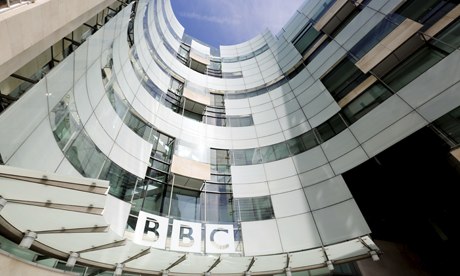
The league table of the 24 largest schemes in the UK placed the BT and BBC schemes jointly at number one, with a score of 35 out of a possible 40. Bringing up the rear were companies GlaxoSmithKline, Tata and Rolls Royce, scoring just one point between them.
Not having a responsible investment policy of any description available either publicly or upon request from the researchers was, thankfully, confined to a small minority of funds at the bottom of the league table. But many of the policies we saw don't stand up to the most basic scrutiny.
The poorest performing pension funds in the survey effectively dismiss the financial relevance of environmental performance or health and safety standards at companies whose shares they own. This is no longer a credible position after a string of corporate disasters that have cost investors dearly. BP's deepwater horizon disaster in the Gulf of Mexico is just the starkest illustration that ignoring environmental or safety factors can be a false economy.
Stating, as one pension fund policy did, that the "trustee has given the [fund] managers full discretion to take ESG issues into account when making investment decisions and exercising rights attached to the scheme's investments", can't be equated with taking real responsibility.
Neither can vague and generic policies be expected to change the behaviour of fund managers, whose commission and reappointment still depends on short-term financial performance at the expense of the longer term outlook. Yet their behaviour must change. With the introduction of pensions automatic enrolment, millions more employees in the UK will depend on the investment markets for their income in retirement.
Basic transparency is fundamental to genuinely responsible investment practices but, as Polly Toynbee pointed out last week: "nowhere is more obscure than inside the black box of pension funds." Over a third of schemes we surveyed did not disclose any of their share holdings.
Calls for greater transparency are often met with claims that the information is too costly to produce or that its disclosure could harm competitiveness. Yet eight schemes, including the BBC's and the Universities scheme, all disclose at least their top 100 shareholdings. So there's no excuse for other giant schemes withholding this kind of information from their members.
Savers should have the right to know if their money is funding the arms trade or the tobacco industry, but responsible investment encompasses more than just screening out companies that are ethically questionable. A responsible fund manager will engage in a dialogue with investee companies, exercise shareholder voting rights and then explain how and why they voted to the people whose pension savings are at stake.
Since the financial crisis shareholder scrutiny has been a cornerstone of the government's policy on corporate governance, touted in particular as the answer to reigning in excessive executive pay. Even though shareholders now have extensive rights to hold companies to account for their pay arrangements and other aspects of corporate governance, it is difficult to envision these rights being fully used until savers are given parallel rights to hold the pension funds who look after their savings to account as well.
The UK Stewardship code was introduced in the aftermath of the financial crisis to address concerns that institutional investors were behaving like "absentee landlords" – and our survey shows it's having a positive effect. Eleven of the pension funds we surveyed are now publishing detailed reports of their engagement with investee companies, up from five in 2009.
Similarly, compliance with the UN-backed principles for responsible investment has more than doubled. But more needs to be done, and, although increasing numbers of schemes are signatories to these codes, many do not yet require compliance with the codes' principles from their service providers or from external fund managers. Demanding compliance with responsible investment policies and the Stewardship Code should be standard practice for pension schemes when selecting fund managers.
The survey revealed some encouraging signs that newer pension providers are more willing to be transparent and accountable to the savers they serve than long-established occupational pension schemes. The survey included Master Trusts, who are taking on many thousands of new savers through automatic enrolment, and found good examples of such schemes communicating with their members.
Showing members that their scheme is working to protect their savings while addressing issues they care about, whether it's dangerous working conditions or Arctic drilling, makes the link between the dry, off-putting world of investment and the real economy explicit.
Many of the companies who extoll the virtues of responsibility in their CSR literature will have to make some big changes if they want their pension schemes to be seen as acting in a similar fashion. The pension schemes of Barclays and GSK both performed very poorly in this survey whilst their corporate parents are at pains to show the world their strong commitment to business ethics. This survey exposes a credibility gap that urgently needs to be filled for both these giants of the FTSE 100.
Camilla de Ste. Croix is senior researcher at ShareAction
Join the community of sustainability professionals and experts. Become a GSB member to get more stories like this direct to your inbox