Britain made a formal request to join the Comprehensive and Progressive Agreement for Trans-Pacific Partnership (CPTPP) on Monday, seeking membership of the 11-country deal to open new avenues for post-Brexit trade and influence.
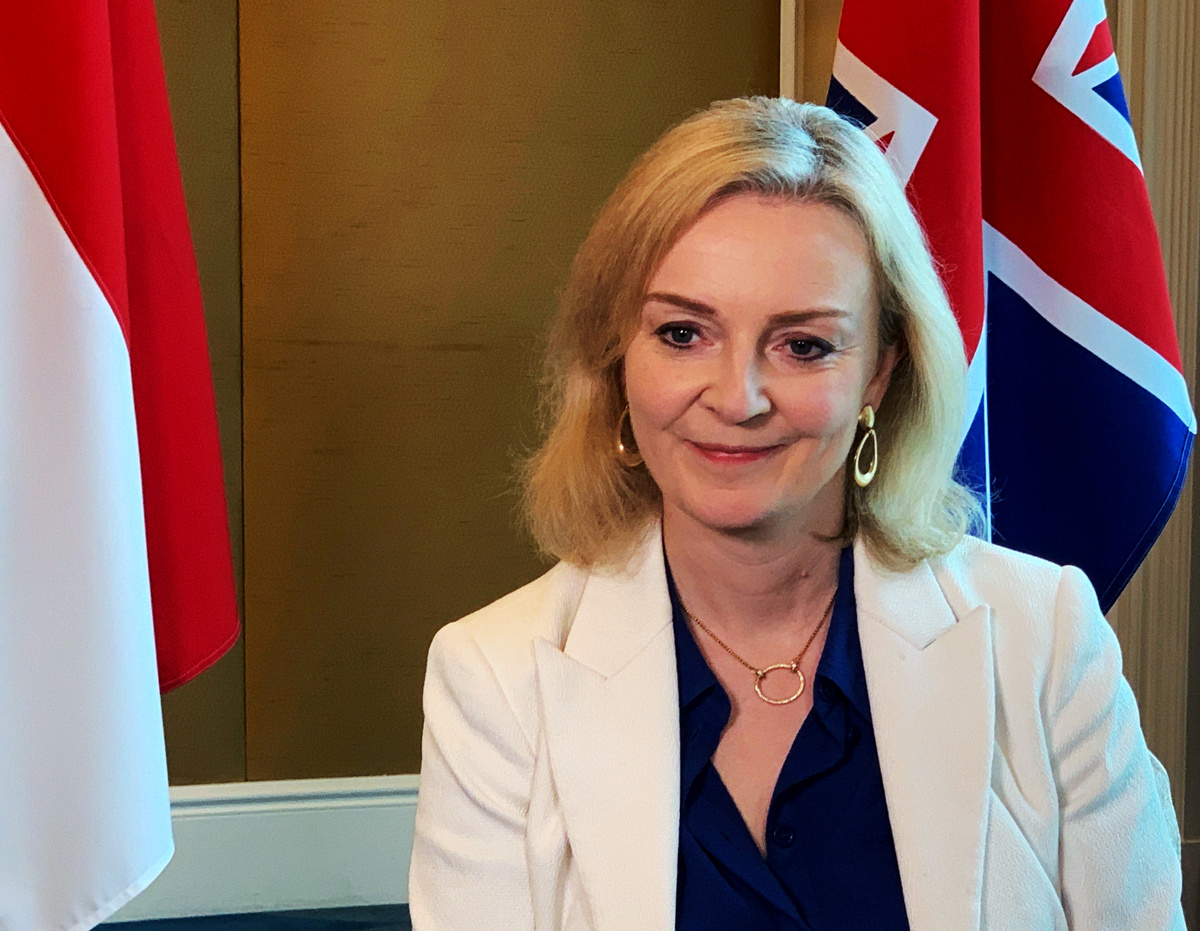
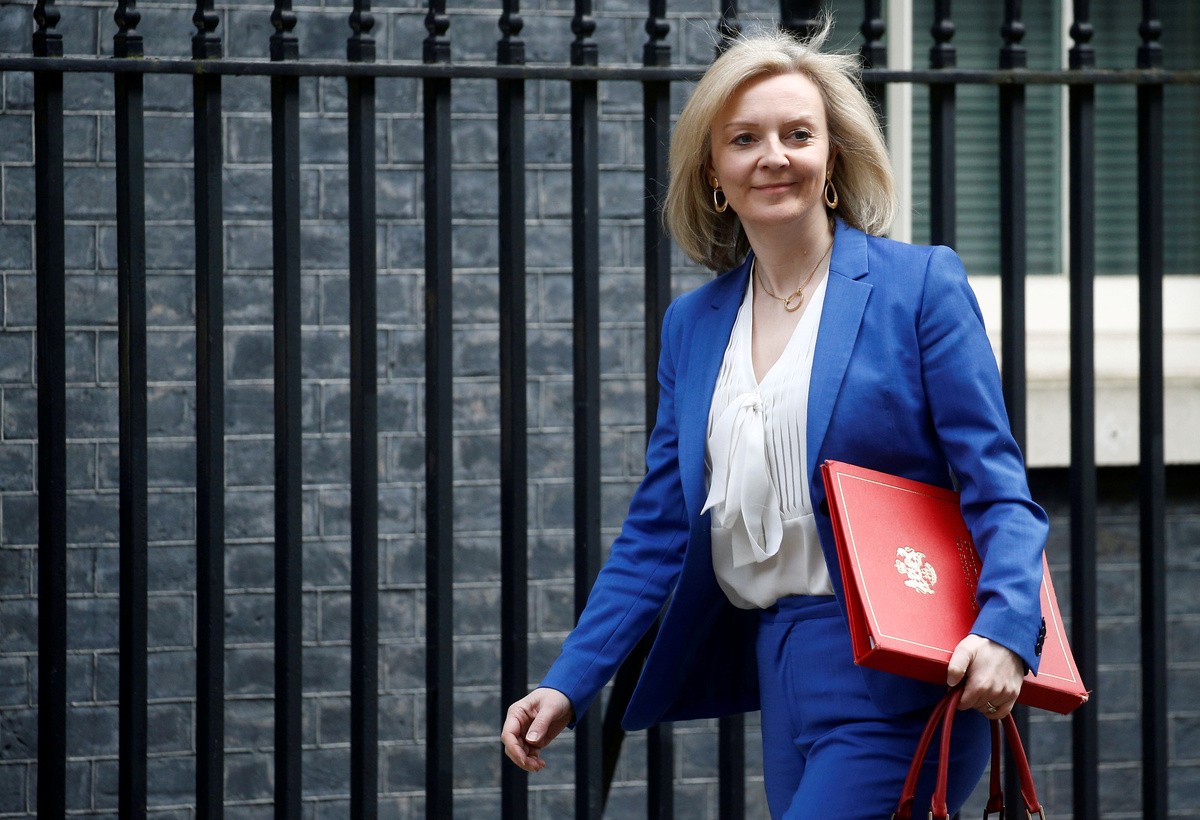
Announcing the move, trade minister Liz Truss said it would create jobs, help rebuild the global trading system and position Britain "at the heart of some of the world’s fastest-growing economies".
It comes at a moment of significant economic upheaval for Britain whose 2016 decision to exit the European Union became a reality at the start of the year, and has made trading with its nearest neighbour more expensive and complicated.
Britain argues that the principal economic benefit of leaving the EU is the freedom to strike trade deals around the world, and is trying to position itself as the leading advocate of free global trade after a period of increased nationalism.
"It is important that we take a stand to support multilateralism and the global trading system, there has been too much undermining of the rules-based order," Truss said during a call with her Japanese and New Zealand counterparts.
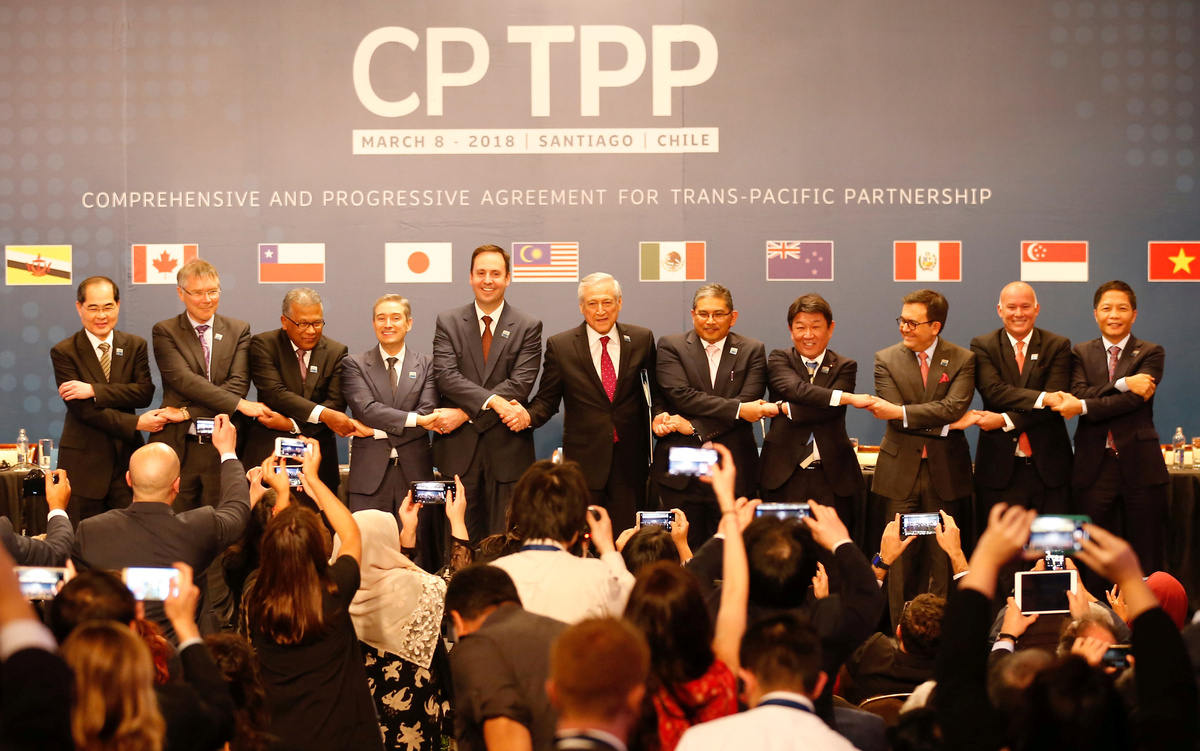
The CPTPP removes 95% of tariffs between its members: Japan, Canada, Australia, Vietnam, New Zealand, Singapore, Mexico, Peru, Brunei, Chile and Malaysia.
Unlike the EU it does not impose laws on its members, it does not aim to create a single market or a customs union, and it does not seek wider political integration. Britain's application was welcomed by members, including current chair, Japan.
But few see the agreement as generating a surge in trade: access is expected to take more than a year to negotiate and Britain already has, or is close to reaching, trade agreements with its largest members.
"I wouldn't expect it to be transformative for the UK economy," said James Kane, associate at the Institute for Government.
SUPPLY CHAINS
Britain's trade with the entire CPTPP amounted to 111 billion pounds in 2019, slightly less than its trade with Germany over the same period, and just over a 10th of trade with the entire EU. Britain still trades on tariff-free terms with the EU, albeit with additional administrative barriers.
The CPTPP agreement would lock in market access for trade in services - an area for competitive advantage for Britain - but do little to further liberalise those markets.
Nevertheless the decision to join CPTPP is seen as one that has few downsides: trade could increase, supply chains involving member countries would be simpler, and it could give Britain greater influence.
Sam Lowe, senior research fellow at the Centre for European Reform, said accession could be a useful counterpoint to those who thought Brexit was a nationalist policy and a retreat from the world stage.
"Even signalling that the UK wants to join the CPTPP is a useful global signal that the UK is still interested in rules based trade, is still interested in working together with others," he said.
Post Brexit, Britain is tilting its foreign and economic policy towards the fast growing Asia-Pacific economies, and the CPTPP could provide London with some counterbalance to China's influence in the region.
Truss has accused China of damaging the global trading system by heavily subsiding state enterprises and some see the CPTPP, which has rules against such practices, as a way to further that free trade agenda - albeit one which has so far had little impact on Beijing.
"It's a signal of intent that they want to be involved in that region more politically, economically, militarily," said Kane.
"There is a sort of grand vision of the UK as a balancing power, helping to stabilise the Asia-Pacific region, and constructing rules to constrain the rise of China."
(Reporting by William James; Additional reporting by Michael Holden and Kaori Kaneko; Editing by Costas Pitas, Kate Holton and Alison Williams)