Britain is the nation “most exposed” to jet fuel shortages caused by the Iran war, Goldman Sachs has warned, raising fears of more cancelled flights and ruined summer holidays.
The UK is highly reliant on imports that come through the closed Strait of Hormuz and has “critically low levels” of supplies and poor refining tools, analysts at one of the world’s largest investment banks said.
Last week, the government asked the four remaining jet fuel refineries in the UK – Fawley in Hampshire, owned by ExxonMobil, Humber in Lincolnshire, owned by Phillips 66, Valero’s Pembroke refinery in Wales, and Essar’s Stanlow site in Cheshire – to do everything they could to maximise supply.
Airlines, in turn, have asked the government to relax environmental and noise rules to help them cope with higher costs while the Iran war continues.
The giant investment bank Goldman Sachs said in a research note to clients: “The UK is the largest net importer of jet fuel in Europe, and it holds no strategic reserves, leaving commercial inventories as the primary buffer.”
The analysts added: “As a result, inventories in some countries, especially the UK, could fall to critically low levels, increasing the likelihood of rationing measures.”
British Airways has already warned it will have to raise ticket prices to cope with higher fuel costs.
Sir Keir Starmer has already suggested the British public should consider staycations this year, saying people may have to “change where they go on holiday”.
On Tuesday, the prime minister’s spokesperson said: “UK airlines are clear, there is currently not a shortage of jet fuel, but we continue to work with fuel suppliers, airlines and international counterparts on our contingency planning to ensure people keep moving and businesses are supported whilst the conflict is ongoing"
“We're consulting with industry to relax rules around airport slots so they can consolidate schedules and plan reliable routes in advance, and that will mean fewer surprises for people planning their holidays and more flexibility for airlines to keep flights running smoothly.”
Trade body Airlines UK, which represents the main carriers, is so far putting on a brave face. It said: “Airlines continue to operate normally and are not experiencing issues with jet fuel supply.”
On Tuesday, the benchmark Brent crude oil price, which is linked to jet fuel prices, slipped a little to $113 (£83) a barrel after a jump on Monday. The price of jet fuel has doubled since the Iran conflict began in late February.
Air France said it expects a $2.4bn increase in its jet fuel bill this year, while American Airlines expects its bill to increase by more than $4bn.
The European Commission has said it plans to issue advice for airlines on jet fuel later this week.
Anna-Kaisa Itkonen, its climate action and energy spokesperson, said: “I don’t think anyone knows how long this situation will last, so the best we can do and the most effective thing that we can do and that we are doing is to prepare for all eventualities.”
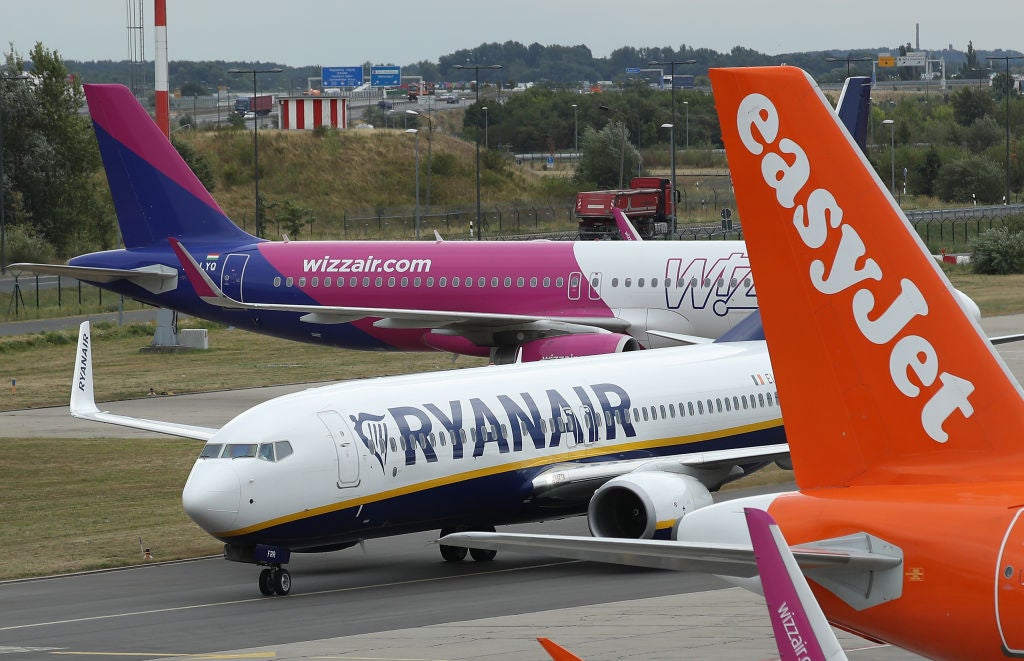
But some airlines remain confident. At the weekend, Wizz Air insisted its operations are “stable and unaffected”. It said: “Wizz Air does not anticipate any disruption related to fuel supply and is working closely with its partners to ensure seamless operations.”
What is Project Freedom? Experts warn Trump’s plan in Hormuz could backfire
Hegseth says ‘we aren’t looking for a fight’ in Strait of Hormuz: Live
Economic growth forecast for island of Ireland despite fuel supply turbulence
Trump again threatens entire nation of Iran: ‘Blown off the face of the earth’
RAC issues petrol price warning as costs near highest since Iran war began
Around two pubs in Britain closing each day after tax hikes, figures suggest