The UK economy shrugged off Marmitegate and shrinking Toblerones in October, as inflation came in lower than forecast, despite the crash in the value of the pound. However, big price rises are likely to be in store for shoppers as producers of goods saw their costs soar.
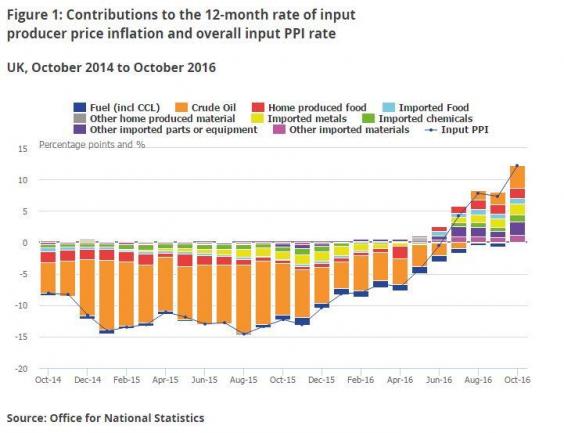
Shop prices as measured by the Consumer Prices Index increased 0.9 per cent in October, less than the 1.1 per cent economists expected and down from 1 per cent in September. Meanwhile, the costs of goods leaving British factories rose 2.1 per cent, the fastest rise since April 2012 and further down the supply chain, materials prices jumped at the fastest rate on record – 4.6 per cent in a single month.
At the consumer level, the Office for National Statistics said cheaper clothes and slower increases in university tuition fees helped to counteract rising fuel prices.
The ONS said: “The main downward contributors to the change in the rate were prices for clothing and university tuition fees, which rose by less than they did a year ago, along with falling prices for certain games and toys, overnight hotel stays and non-alcoholic beverages.
These downward pressures were offset by rising prices for motor fuels, and by prices for furniture and furnishings, which fell by less than they did a year ago.”
Several high-profile brands have hiked prices in recent weeks after the pound lost 16 per cent of its value against the dollar and became the world’s worst performing currency.
The latest figures show the effects may have yet filtered through to consumer prices but this will happen over coming months.
Tom Stevenson, investment director at Fidelity International, said: “Against all expectations, the CPI rose by just 0.9 per cent in the year to October, slightly lower than September’s 1 per cent increase. However prices are still rising faster than at any time since late 2014. The rise in prices continue to be driven by sterling’s recent weakness which has raised the cost of imported fuel and food.
“Consumers can expect UK inflation to continue rising into next year as the impact of the pound’s slide continues to be felt. The conventional wisdom is that the Bank of England’s 2 per cent inflation target will be left behind in 2017.”
October’s record increase in raw materials costs means prices have now jumped 12.2 per cent in the last 12 months, with almost all of that rise occurring since the Brexit vote. Rising crude oil prices have made the biggest impact on prices over the month, with imports prices contributing most of the rest.
Walkers and Birds Eye have both said they are set to raise the prices of some items following the drop in the UK exchange rate.
In October, a dispute broke out between Tesco and Unilever after the food brand said it was raising prices in Britain to compensate for the fall in the pound.