The pound has fallen to a fresh 10-week low against the dollar as Brexit fears and the prospect of a Donald Trump bounce for the US economy gripped the markets.
For the first time since 25 October, sterling fell to almost $1.20 before it mounted a recovery after figures showed the UK’s industrial sector returned to health in November.
Strong figures from Britain’s supermarkets and a boost for mining company profits pushed the FTSE 100 to a 12th consecutive day of rises, making it the index’s longest winning streak on record.
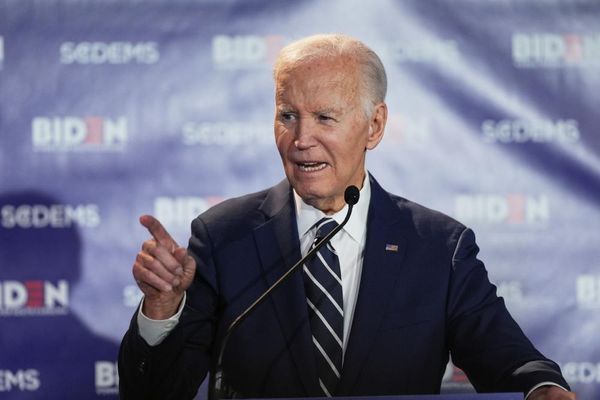
Currency traders said the US president-elect was still the biggest influence on the dollar following several hints that he would support a spending splurge when he takes office to boost manufacturing and infrastructure investment. The dollar has surged since his election in November backed by strong US employment and manufacturing figures.
The UK industrial sector, which had a difficult autumn, returned to health in November after manufacturing output rose more than expected and the North Sea’s biggest oilfield resumed production following a temporary closure.
But the weak pound drove up the cost of imports and left Britain with a record trade deficit with the EU, months before the government triggers article 50 to begin the process of leaving the bloc.
The rise in manufacturing production and more buoyant energy sector failed to mark a recovery from poor figures for October and September, and push the broader measure of industrial output into positive territory over a three-month period.
The Office for National Statistics (ONS) monthly estimate of manufacturing increased by 1.3% in November, with industrial production pushing ahead by 2.1%. The largest contribution came from pharmaceutical companies, which increased output by 11.4%.
Overall, UK economic growth in the fourth quarter edged slightly lower to 0.5%, from 0.6% in the third, according to new figures from the National Institute of Economic and Social Research (Niesr).
The first official estimate of growth in the fourth quarter and 2016 will be published on 26 January by the ONS.
The growth in industrial production was also driven by an 8.2% month-on-month increase in mining and quarrying output.
The construction sector, which has been badly affected by Brexit uncertainty, slipped back by 0.2% following falls in repair work and commercial building.
Samuel Tombs, the chief UK economist at Pantheon Macroeconomics, said the effect of the rise in industrial production would not be enough to push up GDP in the fourth quarter of 2016.
“Industrial production will be lower in the fourth quarter as a whole than in the third, despite November’s surge,” he said.
“We think production likely fell in December, despite the improvement in manufacturing surveys at the tail end of 2016, because unusually warm temperatures in December likely depressed output in the energy supply sector.
“As a result, industrial production likely fell for the second consecutive quarter in the fourth quarter – technically marking a recession for the sector – leaving the services sector as the sole locomotive of growth at the end of last year.”
Separate trade figures showed the overall goods and services deficit – the gap between exports and imports – was £2.6bn larger than in October.
They reflected a £3.3bn rise in imports, while Britain recorded an additional £700m of exports.
The ONS said: “The widening of the deficit in November 2016 is attributed to trade in goods in which there were increased imports from both EU and non-EU countries, partially offset by an increase in exports to EU countries.”
The monthly deficit with the EU reached a record £8.6bn, up from £7.8bn in October, as imports of transport equipment, chemicals and portable computers outweighed rising exports.
Niesr estimates the UK economy grew at the weakest rate in three years in 2016. Annual growth slowed to 2% last year from 2.2% in 2015, the weakest rate since 2013, when the economy grew by 1.9%.
Growth of 2% would still make Britain the fastest growing of the G7 countries in 2016 according to forecasts by the International Monetary Fund.