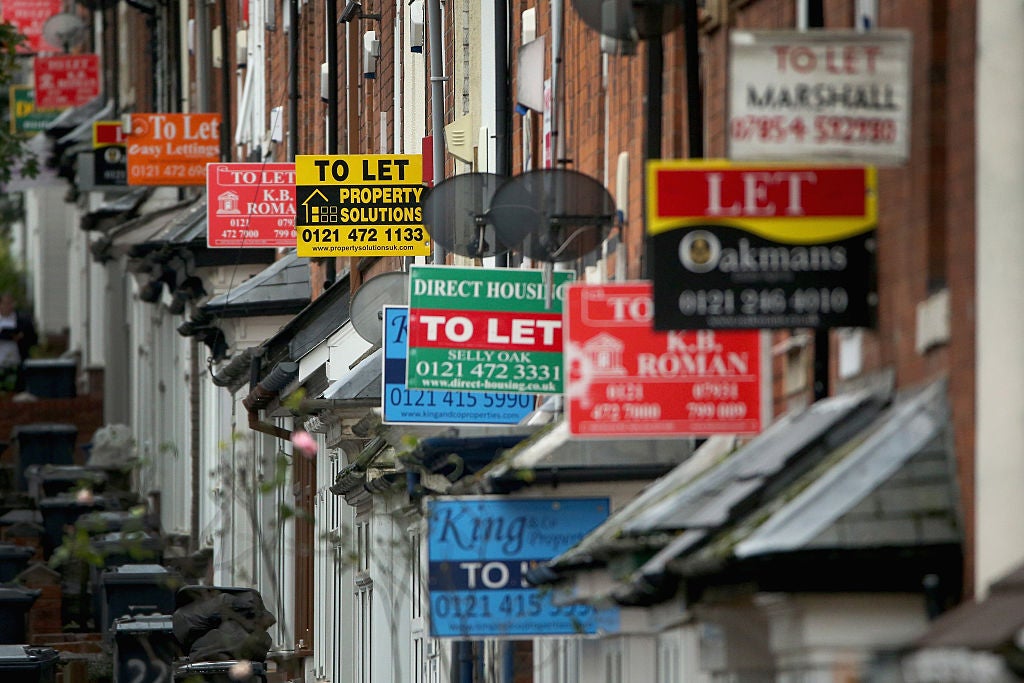
The average asking price for properties newly coming to market fell by more than £7,000 in August, according to property website Rightmove.
The platform has revised its house price forecast for 2026 down from a 2 per cent increase to between flat growth and a 2 per cent drop in average seller asking prices over the full year.
Newly listed homes saw prices tumble by 2.0 per cent or £7,360 month-on-month, marking the sharpest August drop since 2018. While values usually dip in August, the fall comfortably outpaced the 10-year average drop of 1.3 per cent.
Across Britain, the average asking price for a property now sits at £364,999. This is 1.0 per cent lower than a year ago, representing the steepest annual decline since December 2023.
Rightmove noted that the volume of available homes for sale has hit a 12-year high for this time of year. Combined with the usual summer holiday slowdown, sellers have had to reduce their pricing expectations.
The average figure masks an increasingly divided regional picture for property price growth, Rightmove said.
In the North West of England, the average asking price is up by 1.9 per cent annually but in London it has fallen by 3.1 per cent.
Colleen Babcock, a property expert at Rightmove, said: “This month’s larger-than-usual August price drop is a sign that many sellers are recognising the reality of the market and pricing much more competitively from day one.
“Buyers have the widest choice of homes for sale at this time of year in more than a decade, so standing out on price for the right reasons is hugely important.”
She added: “One tactic some sellers are using when considering lower offers on their home is to also make a lower offer themselves on their onwards purchase, to see if they can make up the difference.”
Although buying activity is still around 10 per cent below last year’s level, Rightmove said it had seen a “mini bounce” in buyer demand since Andy Burnham became Prime Minister.
But it said the changing picture for mortgage rates, alongside geopolitical uncertainty and the Budget in October were creating housing market uncertainty.
Ms Babcock added: “The mini Burnham bounce and some renewed general optimism have brought a degree of improvement to the market as a whole in recent weeks.
“Whether that develops into a more sustained recovery will likely depend on confidence, mortgage rates and the new Chancellor’s first Budget this autumn.”
Marc von Grundherr, director of Benham and Reeves, said: “There’s no denying that London is having a more challenging year than many other parts of the country and affordability is at the heart of it.”
He added: “However, I wouldn’t characterise the London market as being in any sort of serious decline. What we’re seeing is a much more price-sensitive market and sellers who acknowledge that are still finding buyers.”
Jeremy Leaf, a north London estate agent said: “Although asking prices are not selling prices but often reflect owners’, or agents’, aspirational starting points, these figures help demonstrate how difficult it has become to attract genuine buyers.”
Meanwhile, a lettings index from property firm Hamptons, for the month of July, indicated that some landlords are seeing opportunities to snap up properties in the slower sales market.
It found that 56 per cent of investor offers in July were at least 10% below the initial asking price – rising to 63 per cent among landlords paying in cash.
It said 27 per cent of these lower offers from investors were accepted in July 2026, compared with just 18 per cent in July 2025.
The analysis of offers used data from the Connells Group and covered England and Wales.
Hamptons also released rental price figures, covering Britain, and also using data from Connells Group. The index is based on achieved rather than advertised rents.
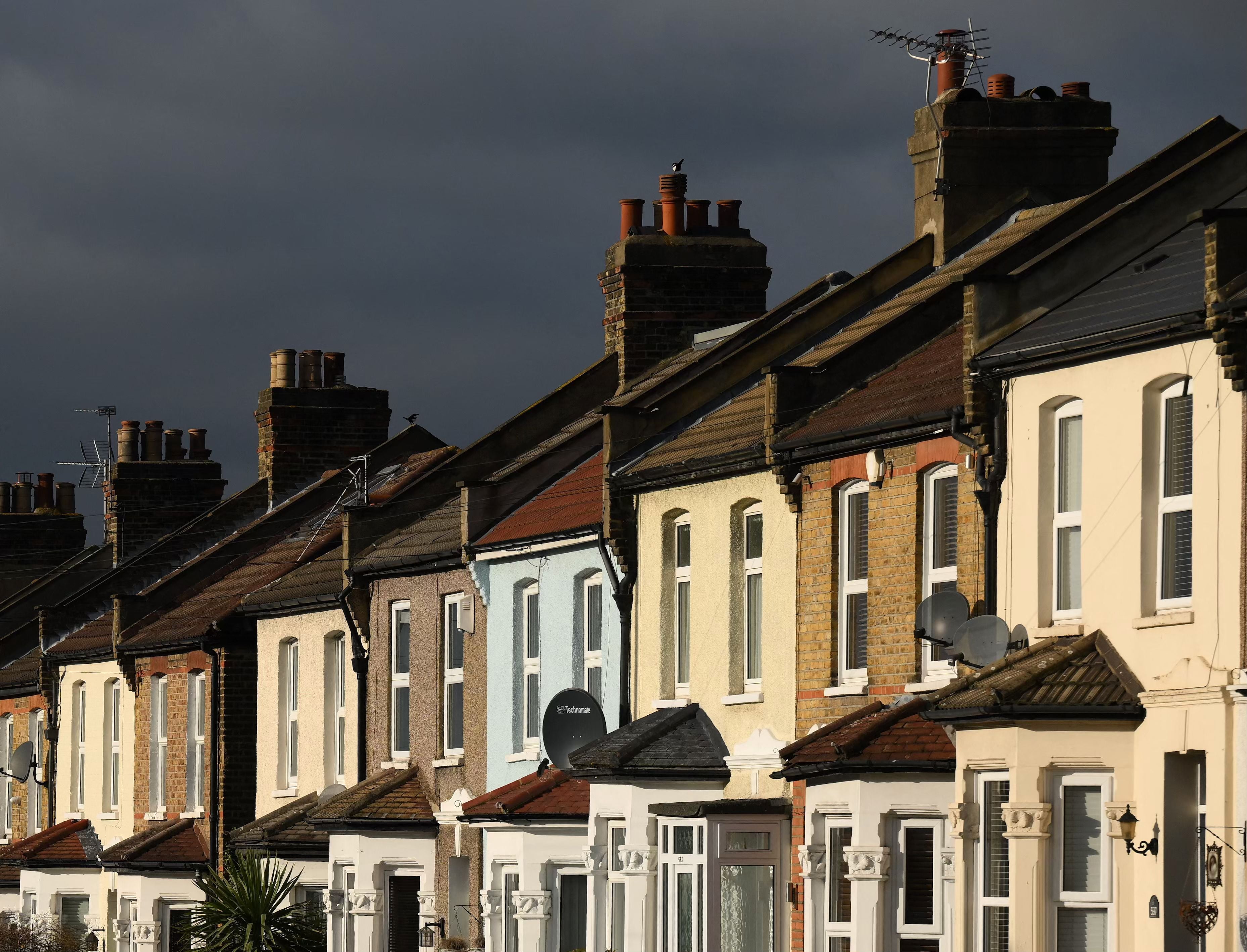
It said the average monthly rental price for a newly-let home jumped by 1.9 per cent annually in July, marking the fastest pace of rental growth recorded for new lets in 19 months. The average monthly rent on a newly-let home was £1,401.
David Fell, lead analyst at Hamptons, said: “When the market slows, seasoned investors rarely stand on the sidelines for long.
“With homes taking longer to sell and chains proving fragile, landlords are using their liquidity and chain-free status to maximise their leverage when it comes to agreeing a price.”
He added: “While higher borrowing costs continue to weigh on investment returns, landlords with cash or low levels of borrowing are finding that a slower market is creating opportunities to purchase at significantly lower prices than would have been possible a few years ago.”
Mr Fell said of the rental price increases: “Although these hikes may not be as large as in previous peak years, for landlords, the re-emergence of an upward trajectory in rents provides a counterweight to higher borrowing costs.”
Here are average rental prices per month on newly-let homes and the annual change, according to Hamptons:
- London, £2,308, 0.6%
- East of England, £1,279, 1.9%
- South East, £1,507, 2.8%
- South West, £1,317, 3.7%
- East Midlands, £1,003, minus 0.9%
- West Midlands, £1,121, 3.3%
- North East, £865, 1.7%
- North West, £1,065, 2.7%
- Yorkshire and the Humber, £958, 2.4%
- Wales, £888, 4.0%
- Scotland, £1,064, minus 0.2%