Military planners from countries seeking to join a UK and France-led mission to keep the Strait of Hormuz open once the Iran war ends are set to meet in London on Wednesday.
A fifth of the world’s oil passes through the strait and Iran’s effective closure of the critical supply route after the US-Israeli bombing campaign began in February has inflicted a global economic shock and sent energy prices soaring.
Over 30 nations are expected to send planners to the two-day conference starting Wednesday, co-hosted by the UK and France at the UK’s Permanent Joint Headquarters in Northwood, north London.
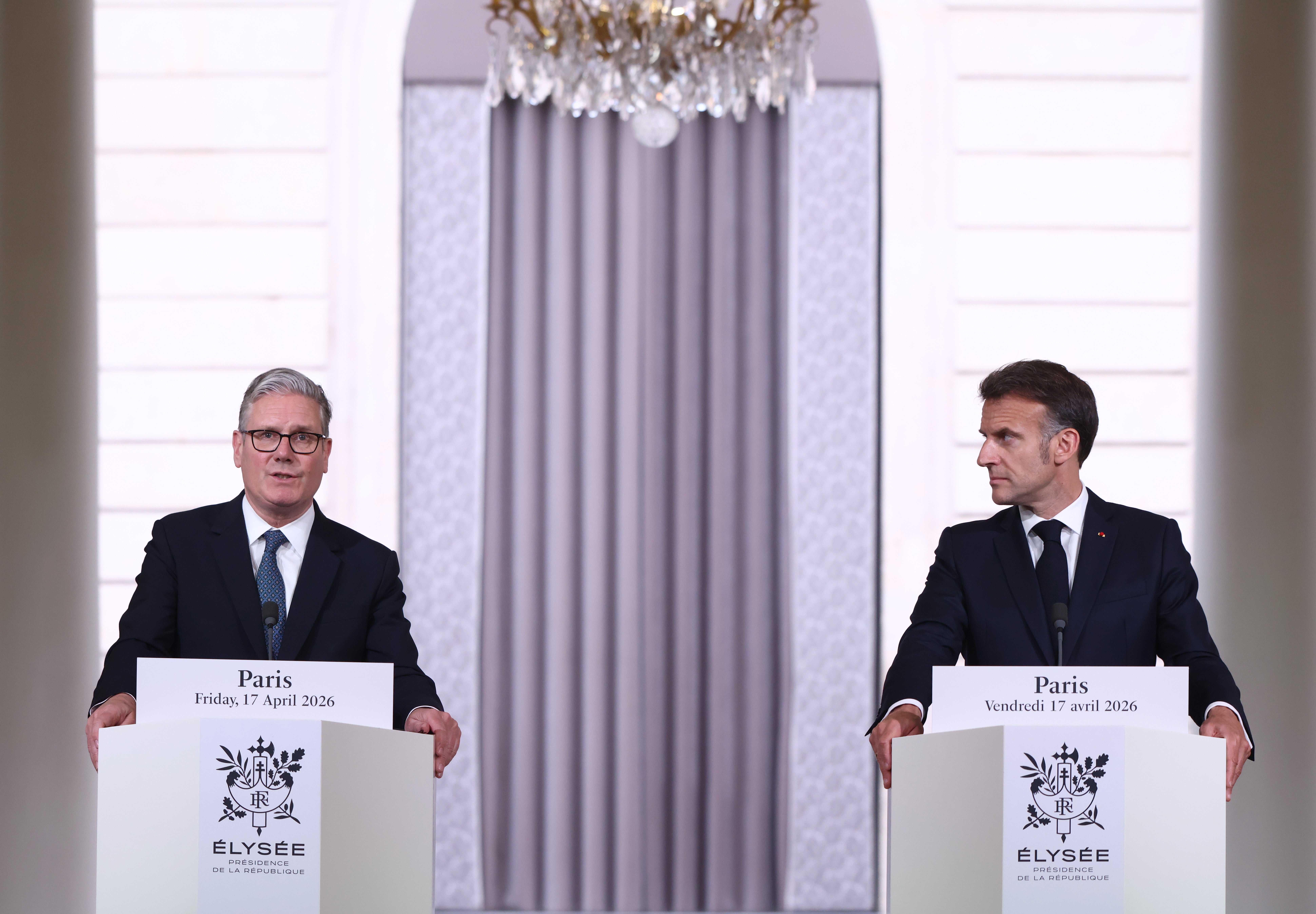
They will build on talks held by Sir Keir Starmer and French President Emmanuel Macron in Paris last week with a goal of setting up a joint defensive mission after a sustainable ceasefire agreement has been reached.
The mission is intended to protect merchant vessels, reassure commercial shipping operators and conduct mine clearance operations.
The talks in London will focus on military capabilities, command and control, and how military forces could deploy to the region.
Defence Secretary John Healey said: “The task, today and tomorrow, is to translate the diplomatic consensus into a joint plan to safeguard freedom of navigation in the strait and support a lasting ceasefire.
“I am confident that, over the next two days, real progress can be made.
“International trade, energy security and the stability of the global economy depend on freedom of navigation.
“By building on our common purpose, strengthening multinational co-ordination and planning for effective collective action, we can help reopen the strait, stabilise the global economy and protect our people.”
The rise in fuel costs has led to many in the UK changing their behaviour, according to Savanta polling commissioned by the Liberal Democrats.
It showed that 49% of UK drivers have cut back on using their cars and one in 10 said they were stockpiling fuel, while 25% of those in work said they had worked from home or changed working patterns because of rising commuting costs.
The strait blockage has also led airlines to cancel flights and hike fees as they absorb costs and brace for fuel shortages.
Iran-US war latest: Trump extends ceasefire in dramatic climbdown
Navy review puts future of highest-tech US aircraft carriers in question
Pope Leo says God’s name should not be used to ‘justify death-dealing choices’
Trump’s approval rating on economy drops amid inflation and Iran conflict
UK schools could lose £288m in funding due to falling pupil numbers, watchdog warns
UK households throw away 1.6bn pieces of plastic every week, survey reveals