Britain faces the biggest economic cost of all major global economies from Donald Trump’s war on Iran, with growth slashed and inflation on course to surge to 4 per cent this year.
The Organisation for Economic Cooperation and Development (OECD) warned the conflict has worsened the outlook for many countries but the UK looks set to be hit particularly hard, with the 2026 growth forecast downgraded to 0.7 per cent from a previous estimate of 1.2 per cent – the largest drop of any G20 nation.
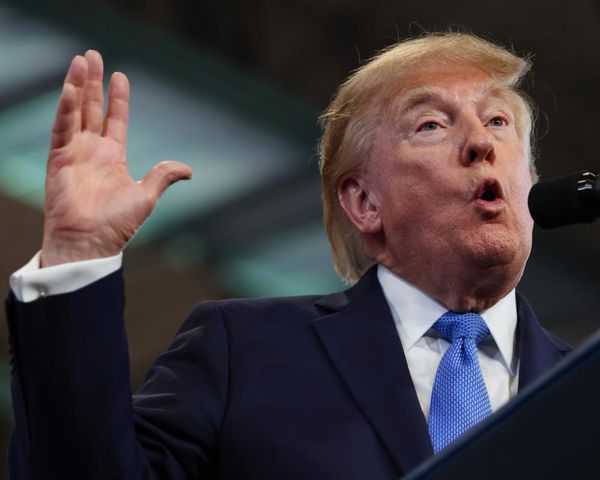
The warning came as Donald Trump launched a fresh tirade against Sir Keir Starmer for his stance on the war, denigrating British warships as “toys”.
The US president said he was “very disappointed” by the prime minister’s “shocking” refusal to allow US forces to use RAF bases in the initial wave of attacks against Iran.
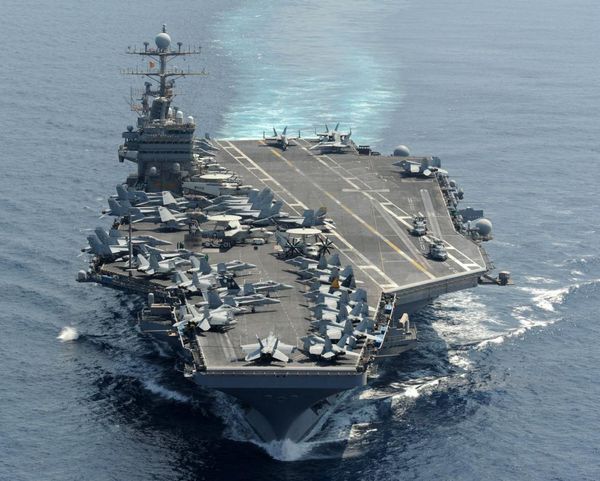
And he took aim at the aircraft carriers HMS Queen Elizabeth and HMS Prince of Wales.
“Now they all want to help,” he said. “When the other side is annihilated, they said ‘we’d love to send ships’... we had the UK say that ‘we’ll send’ – this is three weeks ago – ‘we’ll send our aircraft carriers’, which aren’t the best aircraft carriers, by the way. They’re toys compared to what we have.”
As well as oil and gas supply disruption caused by the Iran war, fertiliser shortages could send food prices soaring if the conflict is long-lasting, the OECD warned.
It is now expecting UK inflation to average 4 per cent in 2026, up from the 2.5 per cent forecast in its last report in December.
That will then drop to 2.6 per cent in 2027 – still higher than the previous projection of 2.1 per cent.
Across the G20 group of advanced nations – which includes countries such as China, India and Saudi Arabia – economic growth is projected to weaken in the near term before gradually rising again through 2027.
But another “unexpected sharp increase in energy prices” could weaken growth even further from the OECD’s baseline prediction, it warned, knocking a further 0.4 per cent off European growth this year and nearly 0.8 per cent next year, pushing some of Europe’s largest economies, such as the UK, closer to a potential recession.
While the OECD said there were a lot of uncertainties about the conflict in the Middle East, it warned that longer-lasting closures to energy infrastructure and shipping could have much bigger consequences than currently expected.
A sustained spike in global energy prices will add significantly to business costs and raise inflation, which would weigh on growth, according to the report.
“A prolonged period of disruption could also result in the emergence of significant energy shortages that would lower growth further,” the OECD said.
The OECD says governments should encourage homes and businesses to be more efficient with their energy use.
It also backed the chancellor Rachel Reeves’ plan to support households most in need.
But, in the longer term, it argued that countries need to do more to reduce dependence on fossil fuel imports, which make them vulnerable to geopolitical shocks.
Hours after the report was released, Ms Reeves left a meeting with banks and building societies announcing she had secured their agreement to proactively contact 1.6 million customers whose fixed-rate mortgage deals end before the end of the year and remind them of the mortgage charter, which offers support including a temporary breathing space and measures like a move to interest-only payments for six months.
It also referred to some Asian governments which have already taken steps to mitigate the risk of shortages, such as energy rationing for businesses in India and energy export restrictions in China.
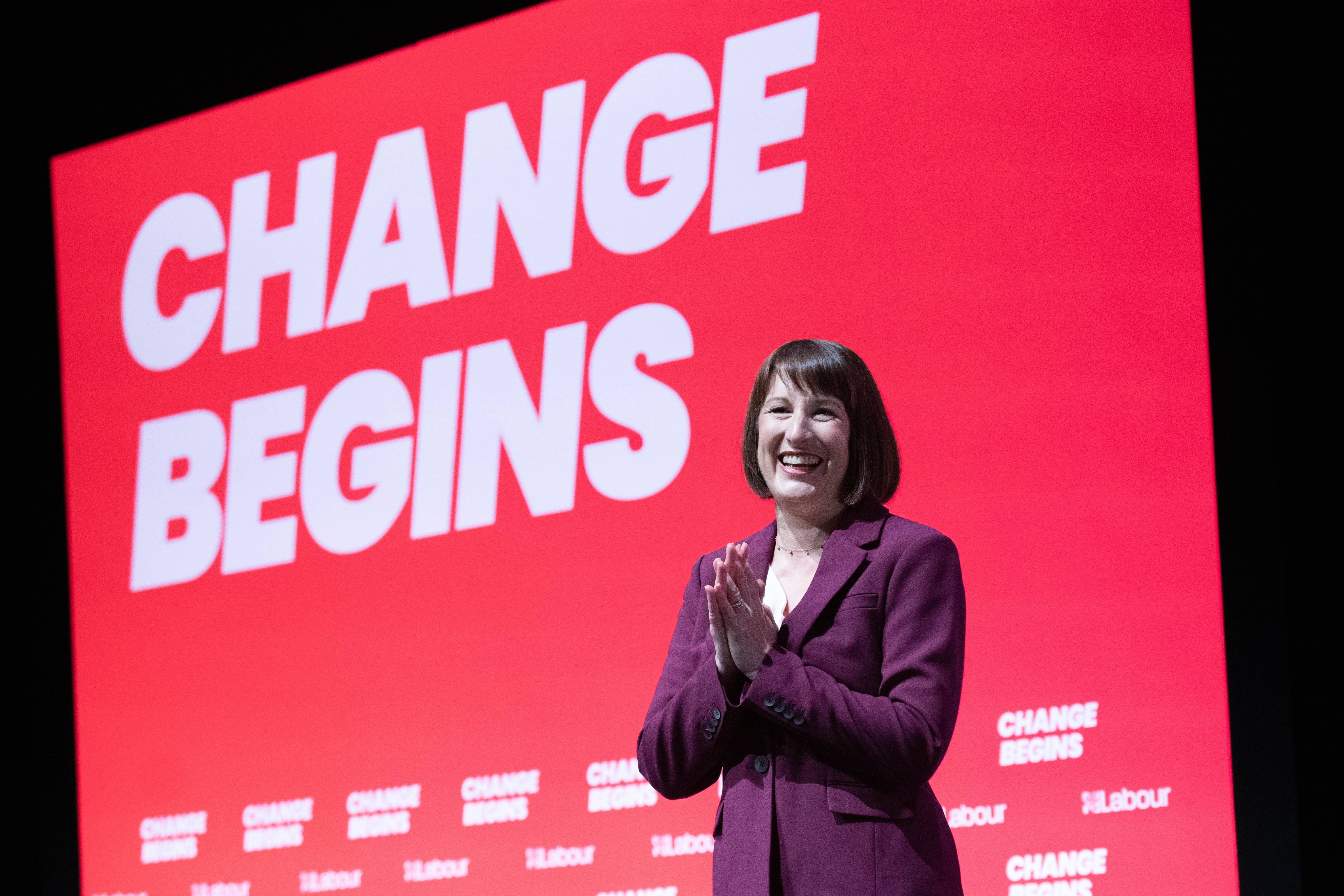
Experts said it was too early to say if the chancellor should respond to the crisis by easing her strict fiscal rules, which prevent her from borrowing to pay for day-to-day spending, and require debt to fall as a percentage of GDP by 2029/30.
But shadow chancellor Sir Mel Stride accused the chancellor of making “choices that have weakened our economy at the worst possible moment”.
He said: “This downgrade from the OECD is a damning verdict on how vulnerable our economy is thanks to Labour. Rachel Reeves has ramped up borrowing, spending and taxes. As a result, we have stagnant growth, while inflation, unemployment, the deficit and debt interest costs have all shot up. At the same time, Ed Miliband’s net zero obsession has left us reliant on imported energy instead of using our own supplies in the North Sea.”
Ms Reeves said: “The war in the Middle East is not one that we started, nor is it a war that we have joined. But it is a war that will have an impact on our country. In an uncertain world, we have the right economic plan.”