The price of oil has hit a four-year high, surging past $82 (£62) a barrel in early trading on Tuesday, and a UK motor group has warned drivers could face record prices for petrol and diesel.
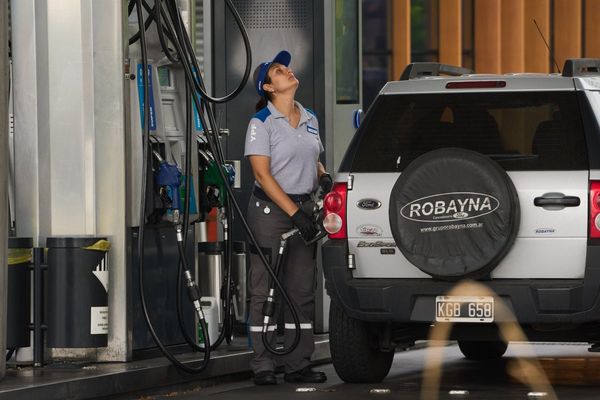
For motorists, this could translate to a surge in prices at the pump, which will be exacerbated by the pound’s continued weakness against the dollar - as oil is priced in the US currency.
Currently, the average price for unleaded is 129.5p per litre, while diesel stands at 132.3p per litre.
The industry rule of thumb, according to the AA, is that a $2 change in the per-barrel price of oil will lead to a 1p-a-litre increase at the pump.
RAC fuel spokesman Simon Williams said: “A further increase in the price of oil would almost certainly mean higher fuel prices for UK drivers - the only thing that could stop that happening would be a dramatic boost to the value of the pound which has been very volatile recently, partly as a result of the ongoing Brexit negotiations.
“If a rise in the oil price were to coincide with a further fall in the value of the pound against the dollar, the effect on prices at the pumps would be severe, with drivers likely facing record high prices of above 142p per litre for petrol and 148p per litre for diesel.”
Meanwhile, motorists are facing the added threat of the government removing the fuel duty freeze that has been in place for the last eight years in the upcoming Budget.
Oil prices have climbed in recent days after Opec decided to keep production at current levels, holding supply back and boosting demand.
The world’s largest oil producers effectively rebuffed President Donald Trump’s call for an uptick in global supply, ahead of sanctions being placed on Iran, which will dent supplies. According to Opec’s most recent figures, Iran is the third largest producer within the organisation.
With the market set to be restricted further once those sanctions are imposed, commodity traders have predicted that the price of oil could reach $90 per barrel by Christmas this year, and pass $100 in early 2019.
Shares in London-listed BP and Shell rose, by 2.3 per cent and 2 per cent respectively, as the oil price increased, although they failed to lift the FTSE 100 overall.