The number of dormice in the UK – described as one of the country’s “most endearing woodland mammals” – has fallen by more than 70 per cent in just two decades and they are now at risk of extinction, researchers have warned.
The hazel dormouse, the only kind native to Britain, is a protected species and efforts are already underway to boost its numbers.
However a survey of 26,000 nest boxes in 400 forests found that its population fell by 72 per cent between 1993 and 2014.
The reasons behind the decline are unclear, but woodland management, habitat loss and climate change are among the possible explanations.
In a special edition of the prestigious journal Nature last month, scientists warned humans were causing the sixth mass extinction of life on Earth – the last one took place about 65 million years ago, wiping out about three-quarters of all life on the planet, including the dinosaurs.
Cecily Goodwin, of Exeter University, who led the new study, said: “Dormice are declining despite strict protection and widespread efforts to conserve one of Britain’s most endearing woodland mammals.
“They are declining to such an extent that a precautionary approach would classify dormice as ‘endangered’ in the UK.”
Professor Robbie McDonald, a colleague at the university, said humans may need to do more to save the British dormouse.
“Dormice face a range of problems: climate change and habitat loss are likely important, but we think that woodland management could also be key,” he said.
“One possibility that we are currently researching, is that more active woodland management may be needed, not less.”
A paper about the study was published in the zoology journal Mammal Review.
According to the Wildwood Trust, the hazel dormouse is “one of the most distinctive small mammals native to Britain … easily recognised by its furry tail, sandy-orange coloured fur and bulging black eyes”.
However they are rarely seen because they are nocturnal and are one of only three animals in the UK that hibernate during winter. The others are hedgehogs and bats.
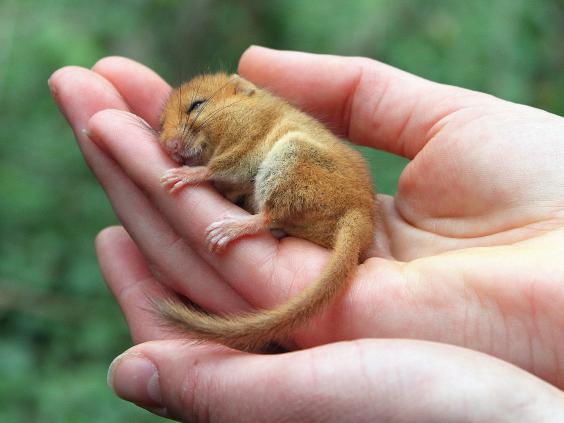
At night, they sleep in trees, but during their long winter torpor, when their heart rate slows by about 90 per cent or more, they stay in woven nests on the ground.
Nida Al Fulaij, of the People’s Trust for Endangered Species which runs the National Dormouse Monitoring Programme, called for more action to help the animal.
“The declines highlighted in this paper are alarming and there is an urgent need to review conservation of hazel dormice to protect this much-loved species,” she said.