Summary
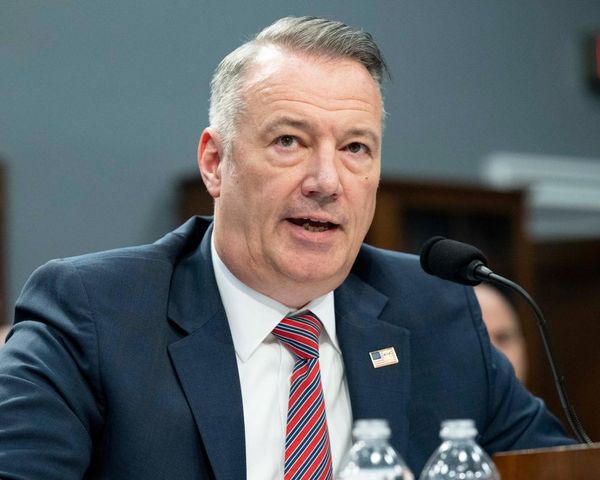
- The culture secretary Oliver Dowden claimed that India is not “withholding vaccines” from the UK following issues with supply, but his comments were met with widespread scepticism because the supplier has explicitly blamed the Indian authorities for temporarily stopping exports (see 9.32am).
- More than 650,000 people in the UK received a dose of the coronavirus vaccine yesterday, the largest daily figure yet, leaving the UK on the precipice of giving first doses to half the adult population, at 49.9% (see 4.37pm).
- The UK will not be able to keep the South African variant at bay for ever, a senior scientific adviser warned. Prof Neil Ferguson, from Imperial College London, said a small but growing percentage of cases in some countries were of the South African variant, which may be resistant to some vaccines according to early studies.
-
A flagship government scheme launched to help students catch up from the impact of coronavirus on their learning has used tutors in Sri Lanka who are as young as 17 and earning as little as £1.57 an hour to teach maths to disadvantaged primary school children in England.
- A survey of coronavirus infections across the UK revealed that cases are no longer falling in some regions and may even be rising in parts of the country. While new infections continued to fall in England and Wales in the week ending 13 March, cases appeared to level off in Northern Ireland and rose slightly in Scotland, according to official figures.
- Dowden also said that coronavirus “certificates”, were being considered as a way of getting people back to larger events, such as this summer’s football matches, “in significant numbers” (see 10.24am).
- The UK ended 2020 with one of the highest levels of excess mortality for people aged under 65 among countries in Europe, according to new analysis from the Office for National Statistics (see 11.20am).
-
An earlier lockdown would have saved the lives of London bus drivers, an independent review concluded. A University College London report found that London bus drivers were three times more likely to die from Covid-19 than the UK average. It also noted that safety measures such as hand sanitisers, enhanced cleaning and covering holes in protective screens were introduced too late for many of those who died (see 12.03pm).
-
The former prime minister David Cameron reportedly lobbied senior government officials to give Greensill Capital special access to the largest available tranche of emergency Covid loans just months before the lender collapsed. Labour called for an investigation.
-
A Public Health England study showed that Greece was the largest source of imported Covid infections between June and September last year, accounting for 21% of new cases, compared with 16% for Croatia and 14% for Spain (see 9.38am)
UK gives most ever Covid jabs in one day
More than 650,000 people in the UK received a dose of the coronavirus vaccine yesterday, the largest daily figure yet.
Latest government figures show a total of 660,276 doses were administered nationwide – including 528,260 first jabs and 132,016 second doses. The previous record, set on 30 January, saw 609,010 vaccine jabs given.
There have now been 26,263,732 people who have received a first dose and 2,011,070 who have had a second dose.
According to Sky News, this leaves the UK on the precipice of giving first doses to half the adult population, at 49.9%.
Figures also show that just over 4,800 cases of Covid were confirmed across the UK in the most recent 24-hour period, down significantly from 6,303 yesterday.
A further 101 people died within 28 days of testing positive for Covid-19 as of today, bringing the UK total to 126,026.
Updated
Keir Starmer has said a delay in supply of coronavirus vaccine from India has given “cause for concern”.
The vaccine rollout has been very good and all tribute to those on the front line. I hope it can be resolved and I say that in a constructive spirit - nobody wants to see this not succeed. So we need transparency from the government, we need clarity about what needs to go right.”
This morning, the culture secretary Oliver Dowden became the latest in government to claim that India is not “withholding vaccines” from the UK following issues with supply, amid a widespread understanding ministers are opting for diplomacy rather than public back and forths.
Boris Johnson has also said a delay in deliveries from India was in part due to the need to retest a batch of 1.7 million doses.
The Scottish first minister, Nicola Sturgeon, has said the delay means Scotland will have 500,000 fewer doses over the next month than anticipated.
During his visit to a Glasgow hospital, Starmer asked nurses what the mood was like, to which one said we’re “kind of hopefully seeing the end of Covid, it’s on the up and up definitely”.
The Labour leader recognised case numbers are coming down and expressed his hopes the vaccine rollout can continue as “the light at the end of the tunnel”.
Updated
Meet Sir Patrick Vallance, “the wealthiest civil servant in the history of Whitehall” who originally dreamed of being a chef before his chemistry teacher at a private boarding school got him fixated on experiments.
Years later he joined British pharmaceutical giant GSK as head of drug discovery, the unit tasked with producing new treatments, where he helped make the company more than £10bn – before the call of public service as chief scientific adviser came.
Here’s my colleague Rupert Neate’s profile.
A further 74 people who tested positive for coronavirus have died in hospital in England, bringing the total number of confirmed deaths reported in hospitals to 85,659, NHS England has said.
Patients were aged between 39 and 96 and all except one, aged 78, had known underlying health conditions. The deaths were between 5 January and 18 March, with the majority being on or after 11 March. There were 23 other deaths reported with no positive Covid-19 test result.
With the spotlight firmly on the Metropolitan police’s controversial tactics, officers face a new test tomorrow on how they deal with protests as anti-lockdown activists take to the streets of London
The location of the protest in central London is being kept secret for now by organisers who have told participants to plan for “flash-mob” mass gatherings and “look out for smoke flares”. The start point for the march – which is to coincide with other anti-lockdown protests in cities around the world – will be broadcast on social media at the last minute.
Those taking part, including members of groups who have been involved in previous demonstrations which have drawn thousands to Trafalgar Square, used Telegram to urge followers to gather in London tomorrow morning and “mill around” Mayfair, Victoria and Hyde Park, blending in with families and exercisers.
They also listed tactics: “Link arms as we march, esp if police are close or trying to take someone – stay tight in the march, stay aware.”
A spokesperson for the Met said the force was “aware” of the plans. The force admitted in the high court earlier this month that it had discretion on how to respond to protests and could not impose a blanket ban on demonstrations.
Updated
Jo Whiley’s sister is to receive her first Covid-19 vaccination, a month after contracting the disease that almost killed her. DJ Whiley said she “couldn’t be happier” that her sister Frances, 53, who has a learning disability and diabetes, will receive her vaccine this weekend.
The EU’s “dismal” policies around the AstraZeneca vaccine will cost lives, writes the Spain-based correspondent Giles Tremlett.
My older siblings and 21-year-old nephew with Down’s syndrome have all also been vaccinated in the UK, but I do not now expect my jabs until June.
In fact, last week Madrid was struggling to vaccinate willing 80-year-olds, whose appointments were being cancelled owing to a lack of doses ... Only political incompetence can explain a set of blunders that will be paid for in human lives and economic damage across the EU.
That has now been compounded by this week’s temporary suspension of AstraZeneca jabs in Spain, Italy, Germany, France and elsewhere. WHO and European Medical Agency (EMA) advice to keep vaccinating was ignored while the New York Times reports that, for Spain and others, “the chief motivation was political”.
Updated
France has said only people aged 55 and over should receive the Oxford/AstraZeneca Covid-19 vaccine, and three Scandinavian countries have reserved judgment until next week, a day after Europe’s health regulator declared the shot to be safe and effective for all age groups.
As politicians launched an urgent effort to convince citizens of the vaccine’s safety, France’s health regulator said its use should resume “without delay”.
But Dominique Le Guludec, the head of the regulator, said it should be provisionally reserved for people aged 55 and over until further information was available, on the basis of rare but serious cases of a brain blood clot disorder known as cerebral venous sinus thrombosis (CVST).
Here’s the government response to the story we reported earlier (see 10.02am) on Labour calling for an investigation into whether the former prime minister David Cameron reportedly lobbyied for a specialist bank that has since gone bust to handle extra government-backed Covid loans.
The Financial Times reported that Greensill wanted to have its cap lifted so it could lend up to 200 million as part of the coronavirus large business interruption loan scheme (CLBILS), increasing its limit of £50 million at the time.
The Treasury said it had turned down the request to change the rules around access to the Bank of England’s Covid Corporate Financing Facility (CCFF).
Downing Street has declined to say whether Cameron lobbied his former university colleague Boris Johnson or a special adviser in No 10.
A No 10 spokesman said:
Senior officials and ministers routinely meet with a range of private sector stakeholders. During the Covid pandemic the government received many representations from the entire spectrum of British business. HM Treasury considered the representations made by the company with proper and due process and the decision was taken not to provide the support requested.
A Treasury spokesman said:
Treasury officials regularly meet with stakeholders to discuss our economic response to Covid. The meetings in question were primarily about broadening the scope of CCFF to enable access for providers of supply chain finance, which – following a call for evidence and discussions with several other firms within the sector – we decided against and informed the businesses concerned.
Updated
Half of adults in England likely to have had Covid jab
Half of adults in England are likely to have had their first dose of Covid-19 vaccine, new figures from NHS England indicate.
In total, 22,337,590 people had received a first jab as of 18 March. Based on estimates by the Office for National Statistics, this is equivalent of 50.5% of the population of England aged 18 and over.
As of yesterday, 1,419,950 people have now had both doses of the vaccine: the equivalent of 3.2% of the adult population of England.
Updated
Wales could face a third wave of coronavirus and enter into further lockdowns, the first minister has warned.
Speaking as Paris enters a month-long Covid-19 lockdown amid rising numbers of cases, Mark Drakeford said: “Nobody should think that we are immune from that, nobody should think we can drop our guard and plan on the basis that coronavirus has gone away.”
Expressing his “concern” about the situation in France, he said: “I’ve never come to this podium and said to people in Wales that coronavirus is all over and that it will be completely behind us during this calendar year.
“I hope it will be and I absolutely hope it will be, but I don’t think it’s responsible to say to people that is a guarantee that anybody could offer them.”
So how high are the infection rates in Wales at the moment?
There have been a further 201 cases of coronavirus in Wales, taking the total number of confirmed cases to 207,438.
Public Health Wales reported a further nine deaths, taking the country’s total death toll from the pandemic to 5,476.
So far, more than 1.2 million people had received a first dose of the vaccine in Wales, and nearly 320,000 second doses have been administered in Wales - one in 10 of the population.
Updated
UK tutoring scheme uses under-18s in Sri Lanka paid as little as £1.57 an hour
Tutors in Sri Lanka who are as young as 17 and earning as little as £1.57 an hour have been used by the government’s flagship national tutoring programme to teach maths to disadvantaged primary school children in England, the Guardian has learned.
The Department for Education announced the immediate suspension of the use of under-18s as tutors for the £350m national tutoring programme (NTP) after being approached about the revelations, and pledged a review of the use of overseas-based tutors in the coming year.
Critics condemned another example of the government outsourcing support and services in its pandemic response, and said the funding – which is part of a £1.7bn catch-up fund announced last year – should have gone directly to schools to source their own tutors rather than through a complex system of private providers.
The scheme was launched to help students catch up from the impact of coronavirus on their learning. You can read the full report here:
A further 137 people in Northern Ireland have tested positive for coronavirus, and three more have lost their lives.
The Department of Health #COVID19 dashboard has been updated.
— Department of Health (@healthdpt) March 19, 2021
137 individuals have tested positive for COVID-19 in the past 24 hours. Sadly, 3 deaths have been reported.https://t.co/1T7yam4O9f pic.twitter.com/xsEwZCqgky
Updated
The Metropolitan Police have urged people not to join anti-lockdown protests planned in central London this weekend, warning that participants risk arrest.
The Met said a “significant policing operation” would be in place in London throughout Saturday, as it planned to tackle several protests.
Expected demonstrations include a rally at Speakers’ Corner in Hyde Park to support a mayoral bid by anti-lockdown activist Piers Corbyn.
Protesters are also planning to take to the streets over plans to give police in England and Wales more power to impose restrictions on non-violent protests, including those deemed too noisy or a nuisance. The proposed police, crime, sentencing and courts bill could see protesters face a fine or jail.
“Those gathering will be encouraged to return home, if they do not, they face necessary and proportionate enforcement action,” it said. “This could be a fixed penalty notice, or arrest.”
Updated
UK R rate now 0.6 to 0.9
The R rate in the UK is now between 0.6 and 0.9.
This marks a slight change from last week, when the rate was between 0.6 and 0.8, meaning it may have increased.
The growth rate range of infections has changed from -7% to -4% per day as of 12 March 2021 to -6% to -3% per day, indicating that the rate of decrease in infections is slowing.
Updated
Hi everyone, I’m Molly Blackall, taking the blog while my colleague Mattha Busby has a break. If you spot something we should be reporting on in this blog, do feel free to drop me a message on Twitter. Tips and pointers always appreciated!
Boris Johnson’s spokesman has also faced questions after Prof Neil Ferguson, who spurred the UK’s decision to go into lockdown last March, earlier warned that a “significant fraction” of European cases were likely to be of the South African variant, which it is feared the Oxford/AstraZeneca vaccine could be less effective against.
Asked about Ferguson’s remarks, the spokesman said:
What I would say in relation to those specific comments, we already have strong measures in place at the border as you will be aware. It is currently illegal to go on holiday and anyone arriving in England has to self-isolate, take two mandatory PCR tests on day two and day eight of their 10-day isolation period, and have a negative test before travel as well.
Modelling is showing that a combination of specific policy options such as pre-departure testing and isolation are effective measures for mitigating the public health risk.
Pressed on whether some EU countries could be placed on the “red list”, meaning a stint quarantining in a hotel upon arrival in England, the spokesman replied: “I would point you back to the wide variety of strong measures that we have in place at the border. We have them in place and believe them to be strong and robust measures.”
Downing Street has said the UK government is in “constant contact” with vaccine suppliers following a delay of a shipment from India.
Reports (see 9.32am) have suggested that ministers are in secret talks with India in a bid to release the doses to avoid a supply drop next month.
A spokesman for the prime minister said:
I would say we are in constant contact with all manufacturers to understand and address potential variations in supply.
I would reiterate the point about the words from the prime minister where he was very clear that the Indian government hasn’t stopped any export of the vaccine and any delay ...is very frequent in vaccine rollout programmes.
Drakeford said the overall public health situation in Wales remained “stable” at about 44 cases per 100,000 people and a positivity rate of 3.9%.
We are closely monitoring the situation in Anglesey and Merthyr Tydfil where clusters of cases, linked to household and social mixing, have driven up the rates. We are particularly concerned about an apparent reluctance in some places, to engage with contact tracing teams.
That contact is vital. It means we can identify the source of infection and how far it has spread. This work becomes even more important as we start to relax restrictions. We need to act fast because the Kent variant is now the dominant form of the virus and it spreads quickly.”
And he sketched a vision of the Wales of the future as the first anniversary of the pandemic approaches.
Our thoughts will naturally turn to the events of the last year and will of course be with all those families who have lost someone they loved to this cruel virus. But this is also an opportunity to look to the future. Wales after the pandemic will be different.
I want it to be a place where everyone has a future. Where all our young people have a good education and a job. Where no-one is held back or left behind. We’re laying the foundations for that future today - locking in those silver linings to emerge from the darkness of the last 12 months.
Updated
Wales’s first minister, Mark Drakeford, has said the country has “flexible plans” to deal with the delay in vaccine supplies to the UK from India.
Over the last few days, we’ve been vaccinating more than 1% of the population every day. This is testament to the hard work of hundreds of people across Wales working in more than 600 vaccination centres.
But we could do even more if we had more vaccine. Unfortunately, there has been a delay in the supply of vaccines - a four-week hold-up in a shipment of vaccines to the UK from India.
He said the NHS was making “rapid progress” in vaccinating priority groups five to nine. He told the Welsh government briefing more than 1.2 million people have already said yes to the vaccine.
Almost 40% of people in their 50s and 62% of people in group six - that’s people with an underlying health condition - have had their first dose. More than 318,000 people have completed the full two doses and we have the highest second dose vaccination rate in the UK.
Public Health Wales said a total of 1,204,101 first doses of the Covid-19 vaccine had now been given in Wales, an increase of 23,946 from the previous day. The agency said 318,976 second doses had also been given, an increase of 14,565.
Updated
Covid infections across the UK present a mixed picture, says ONS
Covid infections and hospital admissions with the virus are continuing to decrease across England and Wales, and are level in Northern Ireland the Office for National Statistics has said, but there are early signs of an increase in Scotland.
In England, the infection rate has decreased in the West Midlands, east of England, south west and London, but the trend across the rest of the country is uncertain and the east Midlands also has seen early signs of an increase.
Around one-in-three people of those surveyed across Britain also had antibodies last month, a steep rise, with 94% of people saying they have either received, accepted an offer for, or would be likely to have the vaccine
The percentage of people testing positive for Covid in Wales has also decreased in recent weeks but the rate appears to have slowed. The positivity rate appears level in Northern Ireland and has appeared to show some increase in Scotland in the week ending 13 March, the ONS said.
The number of registered deaths involving Covid in England and Wales also decreased decreased in the week ending 5 March.
The tool shows infections, hospital admissions and deaths involving #COVID19 have continued to decrease in England.
— Office for National Statistics (ONS) (@ONS) March 19, 2021
The hospital admission rate is now six times lower than in mid-January https://t.co/DjVKLY9B8G pic.twitter.com/wc7LsWwUF8
The #COVID19 infection rate has decreased in
— Office for National Statistics (ONS) (@ONS) March 19, 2021
▪️ West Midlands
▪️ East of England
▪️ South West
▪️ London
Our data shows an uncertain trend in all other regions except the East Midlands, which has seen early signs of an increase https://t.co/4xYj3effnS pic.twitter.com/QlFnaKRoy1
Updated
An earlier lockdown would have saved the lives of London bus drivers, an independent review has concluded.
PA reports:
The University College London (UCL) study found that some of the deaths of workers infected by Covid-19 in March 2020 “would not have happened” if movement restrictions and measures to stop the spread of the virus were imposed sooner.
The research, commissioned by Transport for London (TfL), focused on the 27 London bus drivers who had been working in February 2020 and died from coronavirus between March and May.
UCL’s report found that London bus drivers were three times more likely to die from Covid-19 than the UK average. It also noted that safety measures such as hand sanitisers, enhanced cleaning and covering holes in protective screens were introduced too late for many of those who died.
TfL insisted it “moved quickly” to ensure bus companies took action to stop the spread of the virus.
Updated
Prof Andrew Pollard, director of the Oxford vaccine group, has said that statement by the European Medicines Agency (EMA) yesterday calling the AstraZeneca vaccine safe and effective would help “rebuild confidence”.
Speaking to BBC Radio 4’s Today programme, he said:
This is incredibly reassuring, the processes are working, the safety monitoring that we all expect from our authorities is happening. This is extremely good news and we should be reassured that process is working exactly and moving along exactly as it should.
I think what they have very clearly stated is that we absolutely are confident in use of the vaccine, that it’s not associated with the blood clots as was originally raised.
The UK has fallen five places on a global list ranking countries by happiness, as it grapples with the mental health ramifications of the pandemic and the responses to it.
PA reports:
The annual World Happiness Report found no overall global decline in people’s perceptions of their wellbeing in a survey of 156 countries. However, the UK fell to 18th place in the global list and experienced one of the larger drops in happiness compared to before the pandemic.
There were 26 countries with significant increases and 20 with decreases in life evaluation measures, while 42 countries showed a significantly higher frequency of negative emotions and there were nine where this was significantly less frequently reported.
The report authors said the modest changes to the overall rankings reflect both the global nature of the pandemic and a “widely-shared resilience”.
The authors, researchers from the Institute for Fiscal Studies (IFS), said mental health has been “one of the greatest casualties” of the pandemic. They found that one general measure of mental health in the UK was 8% lower than predicted in the absence of the pandemic.
Separate research published in the report found that UK workers who lost their jobs or were furloughed and were already lonely became 43% less happy than those who did not already experience loneliness.
The wellbeing of lonely workers was slower to return to normal once they returned to work, according to researchers from the Said Business School at Oxford University.
UK excess mortality for those under 65 second highest in Europe in 2020
The UK ended 2020 with one of the highest levels of excess mortality for people aged under 65 among countries in Europe, according to new analysis from the Office for National Statistics (ONS).
By the week ending 18 December, the cumulative excess mortality rate for this age group was 7.7% higher than the average mortality rate in 2015 to 2019, second only to Bulgaria on 12.3%.
The individual rate for England stood at 8.7%, higher than the figures for Scotland (7.7%), Wales (5.0%) and Northern Ireland (4.1%).
For deaths among all ages, Poland ended 2020 with the highest cumulative excess mortality rate (11.6%), followed by Spain (10.6%) and Belgium (9.7%). England ranked seventh on this list (7.8%) with the UK eighth (7.2%). The ONS compared 22 countries where data was available.
Cities of central and eastern Europe suffered particularly high excess mortality in the autumn and winter period, with Sofia (112.5%) and Warsaw (103.8%) having the highest weekly excess mortality rates.
But these were much lower than those cities affected during the spring of 2020, such as Madrid (452.0%), Barcelona (266.0%) and London (228.4%) – where the boroughs of Hackney and Newham were hardest hit.
While excess deaths up until the end of November reached their highest level in England and Wales since World War Two in 2020, the rate of deaths above those expected based on a five-year average remained well below that seen through most of the 2000s.
Dr Annie Campbell, health analysis and life events at the ONS, said:
While the UK may no longer have one of the highest levels of cumulative excess mortality in Europe, it does persist to have some of the highest cumulative excess mortality rates for those aged under 65 years.
This has been a pattern observed throughout 2020 since the Covid-19 pandemic began in March showing that the impact of the pandemic in the UK has not exclusively affected those at the oldest ages. We are working to better understand the reasons behind this trend.”
Updated
A cohort of scientists from across the world believe that there is a growing body of evidence that Covid-19 can cause diabetes in some patients.
Prof Francesco Rubino, from King’s College London, is leading the call for a full investigation into a possible link between the two diseases. Having seen a rise in both type 1 and type 2 diabetes in people who have caught coronavirus, some doctors are even considering the possibility that the virus ‒ by disrupting sugar metabolism ‒ could be inducing an entirely new form of diabetes.
We reported earlier that culture secretary Oliver Dowden said this morning that the road map out of lockdown has not been affected by the vaccine supply issues. While Prof Neil Ferguson, from Imperial College London and a senior scientific adviser, also said the delay in vaccine supply would not have a big effect on the UK’s vaccine rollout.
But Prof Robin Shattock, who is working on Covid-19 variants research at Imperial College London, said vaccine supply shortages in April would have some impact on the rollout programme.
What’s going to have much more of an impact on rollout is that now people are due their second dose... everybody who’s had their single dose will require their second dose.
It’s unrealistic to imagine the first dose rollout will be as fast because we’ll have to catch up with the second doses.
Doing the rounds for the government this morning, culture secretary Oliver Dowden also said that coronavirus “certificates”, were being considered as a way of getting people back to larger events, such as this summer’s football matches, “in significant numbers”.
He told Sky News:
From June 21, if all goes to plan in the way that I described, we hope to get people back in significant numbers. We’re piloting the different things that will enable that to happen - clearly it will have to be done in a Covid-secure way.
You would expect, and we will be testing these things, things like one-way systems, things like masks, things like hand hygiene and everything else.
Another thing that we are considering is a Covid certification, and we will be testing whether we can use Covid certification to help facilitate the return of sports.”
He added that final decisions had not yet been made and that he was working with Cabinet Office minister Michael Gove, who is leading a review on this.
Last month, the prime minister Boris Johnson took a balanced view to the issue of so-called vaccine passports. He said the UK “cannot be discriminatory” against those unable to take a Covid vaccine and noted the “deep and complex issues” over banning people who have not had the jab. However, he was mindful that other countries appeared to be going ahead with such plans.
UK government spending to respond to the pandemic pushed the public finances further into the red last month, although by less than City economists expected after robust consumer spending prevented a steep fall in VAT.
With the third lockdown in its second month, the Office for National Statistics said public sector borrowing was £19.1bn in February, £17.6bn more than in the same month last year and the highest February borrowing since monthly records began in 1993.
The Financial Times reports that people familiar with the matter have claimed former UK prime minister David Cameron, who became an advisor to Greensill Capital in 2018, urged his former colleagues to increase the financial services company’s access to state-backed emergency Covid loan schemes.
It came just months before the firm collapsed – filing for insolvency this month – and leaving the taxpayer potentially liable for any losses.
Last night, Labour called for an investigation. Shadow chancellor Anneliese Dodds told the FT:
The government must leave no stone unturned with a full and thorough investigation into this. Taxpayers and businesses deserve answers about why it appears Greensill was given so much access to the Treasury at a time when the chancellor was refusing to engage with groups representing the millions of people he excluded from wage support.
Oliver Dowden also said this morning that the road map out of lockdown has not been affected by the vaccine supply issues. “The road map is not affected, so at the moment, we remain on course for the next easing on [March] 29,” he told LBC.
Prof Neil Ferguson, from Imperial College London and a senior scientific adviser, bolsters this view and has said the delay in vaccine supply would not have a big effect on the UK’s vaccine rollout.
Speaking to BBC Radio 4’s Today programme, he described the delay as “slightly disappointing”, but added: “I don’t think the delay will have an enormous effect.
“We’ll still have enough vaccine to largely continue with the programme.”
He said of greater concern was the South African variant of Covid-19, adding:
Overall, I’m optimistic with this one caveat that we do need to keep these variants of concern at bay. Until we can update the vaccine, rolled out the vaccine and really hopefully the whole adult population which will be this summer, at that point we’ll be in a much safer position.
Here’s the full story from my colleague Alexandra Topping:
Updated
A Public Health England study shows that Greece was the largest source of imported Covid infections between June and September last year, accounting for 21% of new cases, compared with 16% for Croatia and 14% for Spain, Sky News reports.
The travel corridor between England and Greece, allowing anyone returning from the Aegean nation to avoid quarantine, remained open till November while countries like France and Spain were put onto an isolation list after cases rose.
Martin McKee, professor of European public health at the London School of Hygiene and Tropical Medicine, told Sky News: “It seems that little was learnt from the widespread seeding of infections across the UK by returning travellers early in the first wave.”
However, the case numbers were relatively small. Spain was the source for 589 cases; Croatia was the source of 685, and Greece was the source for 882.
India 'not withholding vaccines', claims culture secretary
Hello to everyone and good morning to those reading in the UK, it’s Mattha Busby here to bring you everything coronavirus-related from these shores.
The culture secretary Oliver Dowden has been on the radio this morning claiming that India is not “withholding vaccines” from the UK following issues with supply.
Asked if India’s government was withholding vaccine exports, he told LBC:
No, India is not withholding vaccines, and I pay tribute to the work of the Serum Institute. They have had some supply issues with five million doses, as the prime minister and the health secretary outlined yesterday.
But we always knew that there would be ups and downs and that is part of our planning assumptions, that’s why we have been relatively cautious, for example with the road map for getting out of lockdown.”
But my colleagues Michael Safi and Amrit Dhillon report that with caseloads rising in India, and demand for vaccinations growing, the country’s government has asked the Serum Institute to keep more supply at home, and send less to the UK for now.
Earlier this month, the Indian government cried foul over perceived interference in its internal politics by the UK after MPs raised questions over controversial new agriculture laws and the seemingly undemocratic reaction by authorities to some protests by farmers in India.
The cross-party select committee debate drew a sharp rebuke from India – is the UK seeking to avoid upsetting an ally by refraining from public criticism ahead of a planned visit by prime minister Boris Johnson to India in the spring?
Politico reports that Johnson, like Dowden and health secretary Matt Hancock, has also been adamant Delhi was not responsible for the delay, even though the supplier has explicitly blamed the Indian authorities for temporarily stopping exports. He insisted yesterday the delay was “for various technical reasons”. The Times reports that ministers hope “diplomacy is more likely to produce results than a war of words”.
Later today, Johnson will join almost 26 million people in Britain who have received the first dose of the Covid jab. He will receive the Oxford/AstraZeneca, after Europe’s medicines regulator yesterday said it was safe and effective following a small number of reports of blood clots across Europe after inoculation.
Please drop me a line on Twitter or via email on mattha.busby.freelance@guardian.co.uk with any tips or thoughts.