The UK's coronavirus death toll is close to becoming the worst in Europe after another 288 fatalities were reported.
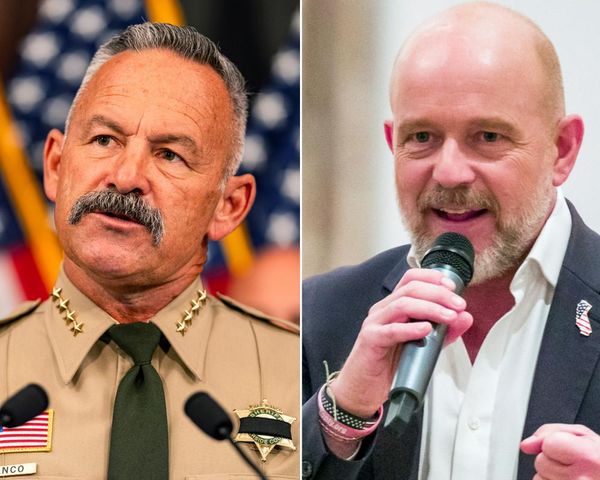
Health Secretary Matt Hancock confirmed at today's Downing Street briefing that 28,734 people in Britain have now died from Covid-19.
The numbers include deaths in hospitals, care homes, and the wider community, and today's figures are the smallest rise since March.
The UK moved to within just 150 deaths of the toll in Italy, which has the highest in Europe, second worldwide only to the US.
Italy has since recorded a further 195 deaths, taking its total to 29,079, but the respective trajectories of the two countries make it likely the UK will overtake Italy in the coming days.
Mr Hancock said that as of 9am on Monday, 1,291,591 coronavirus tests had been carried out in the UK - that's another 85,186 tests in the past 24 hours.
Have you been affected by coronavirus? Email webnews@mirror.co.uk.
It is the second day in the row Britain has missed Mr Hancock's target of 100,000 tests per day.
Another 3,985 new cases were reported across the country, and the number of people with Covid-19 in hospitals has fallen by 13 per cent over the last week from 15,322 to 13,258.
Earlier today, another 229 fatalities in UK hospitals were reported.
England reported 204 new deaths, Wales had 14, Northern Ireland recorded six and Scotland five, taking the hospital total to 24,344.


The figures represent the lowest number of hospital deaths since the end of March - on March 29, the Department of Health recorded 214 fatalities connected to Covid-19.
The figures were announced as the Government's draft guidance for getting Britons back to work recommends staggered shift times, reduced hot-desking and the closure of office lifts as measures to protect employees.
The UK is past the peak of its outbreak and the daily total has been steadily trending down as the Government considers when and how to ease lockdown restrictions now in their seventh week.
The previous totals on Mondays were 360 on April 27, 463 on April 20, 697 on April 13 and 441 on April 6.

Monday usually has the lowest daily total of the week due to a lag in reporting weekend deaths. Many won't be counted until Tuesday or later.
The NHS announced 204 new hospital deaths in England, taking the country's total to 21,384.
Of the 204 new deaths:
- 54 occurred on May 3
- 108 occurred on May 2
- 24 occurred on May 1
The figures also show 17 of the new deaths took place in April, while the remaining one death occurred on March 29.
NHS England releases updated figures each day showing the dates of every coronavirus-related death in hospitals in England, often including previously uncounted deaths that took place several days or even weeks ago.
This is because of the time it takes for deaths to be confirmed as testing positive for Covid-19, for post-mortem examinations to be processed and for data from the tests to be validated.

The figures published today by NHS England show April 8 continues to have the highest number for the most hospital deaths occurring on a single day, with a current total of 867.
Of the 21,384 confirmed reported deaths so far in hospitals in England of people who tested positive for Covid-19, 11,205 (52%) have been people aged 80 and over while 8,310 (39%) were 60-79.
A further 1,706 (8%) were aged 40-59, with 152 (1%) aged 20-39 and 11 (0.05%) aged 0-19, according to NHS England.
The number of deaths announced so far by University Hospitals Birmingham NHS Foundation Trust has reached 778.
This is the highest number for any trust in England.
Elsewhere, Boris Johnson has warned that lifting lockdown restrictions too soon would be "the worst thing we could do".
In a video message on Twitter, the Prime Minister said it was important to meet the five tests set by the Government before easing the lockdown.
"We will only be able to move onto the second phase of this conflict if our five tests have been met," he said.
The tests are:
- That the NHS must have sufficient critical care capacity.
- There must be a sustained and consistent fall in daily deaths.
- The infection rate must be decreasing to "manageable levels".
- There must be enough PPE and testing supply.
- Any adjustments must not lead to a second peak which could overwhelm the health service.
Mr Johnson said: "The worst thing we could do now is ease up too soon and allow a second peak of coronavirus."