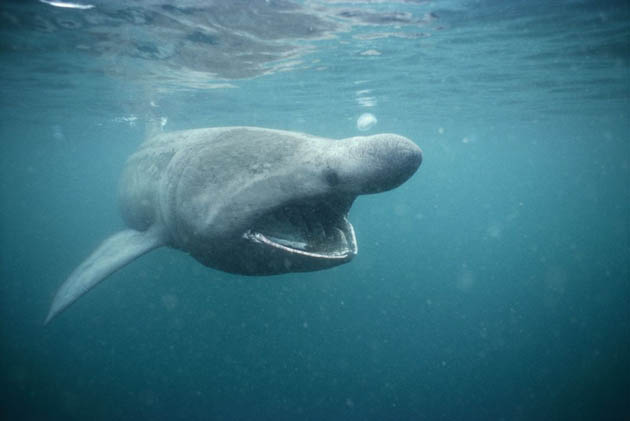
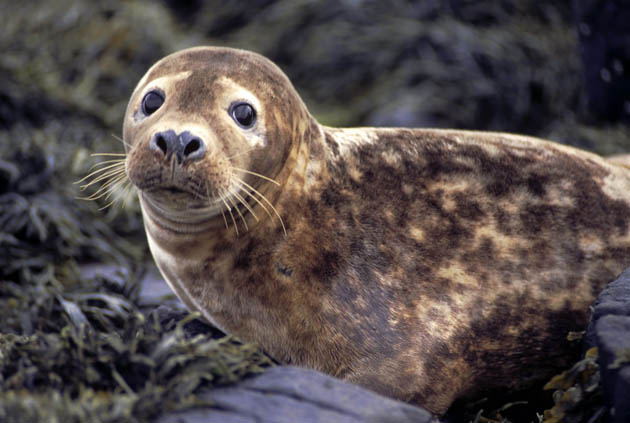
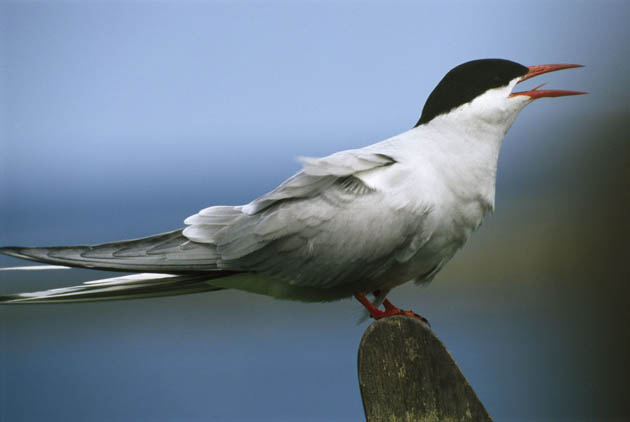
Basking sharks, which are found along the west coast of England, Ireland, Wales and Scotland, are among the species that the trust predicts will flourish in a warmer climatePhotograph: Jeffrey L. Rotman/CorbisAs sea levels rise due to climate change, the isolated shingle beaches that grey seals favour to give birth to their pups will become narrower. With less space above the tide line, the pups are at risk of being washed awayPhotograph: Joe Cornish/NTPLInternationally important breeding colonies of terns that nest close to the sea edge are at risk from rising sea levels and increasing stormy weatherPhotograph: Joe Cornish/NTPL
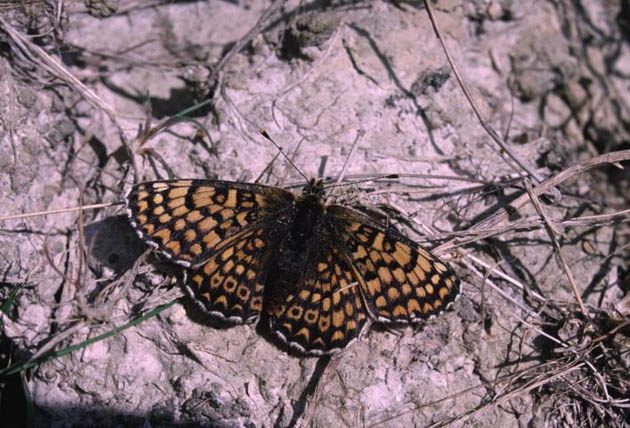
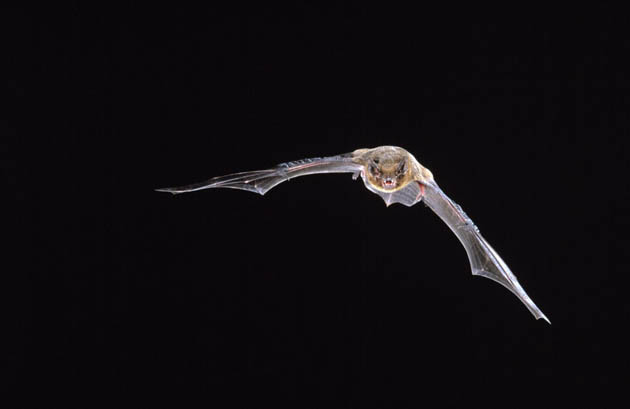
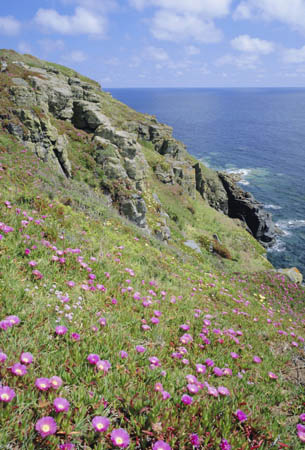
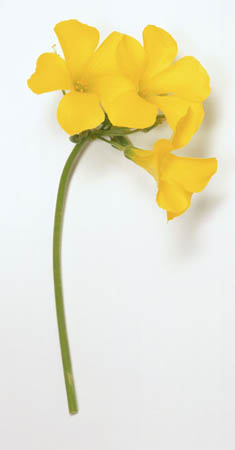
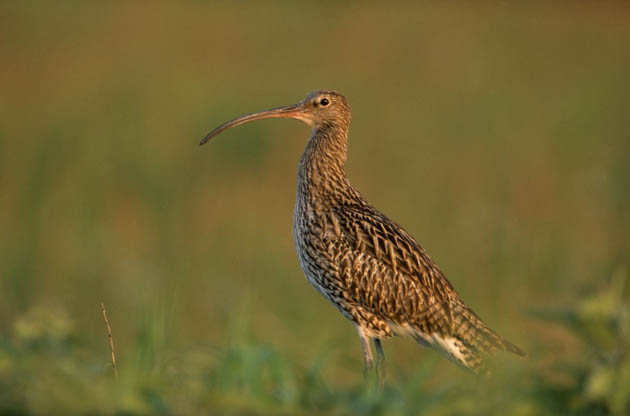
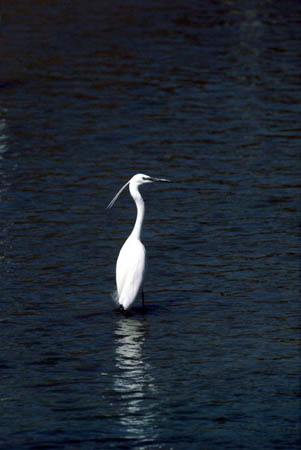
The Glanville fritillary butterfly is expected to increase its range in a warmer climate. It is currently restricted to the Isle of Wight, but the trust says that as increased storminess erodes the island's cliffs, the species will move northwards and inland, and could even become a roadside butterflyPhotograph: Matthew Oates/freelanceThe common pipistrelle bat may thrive from a warmer climate, but some of its original coastal habitats will be adversely affectedPhotograph: Hugo Willcox/GettyFlowers of the Hottentot fig growing above the coast at the Lizard in Cornwall, England will benefit from an increasingly warmer climatePhotograph: Roy Rainford /GettyThe Bermuda buttercup (Oxalis pes-caprae), will benefit from climate change but may adversely affect other species of fauna present on Britain's coastlinePhotograph: Derek Hall/GettyThe Eurasian curlew (Numenius arquata) will be adversely affected, as the salt marsh and mud flats where they feed are squeezed by rising sea levels leaving them nowhere to goPhotograph: Flip De Nooyer /GettyThe little egret will increasingly make the UK its home in a warmer climate. The bird, a species of heron, has bred on Brownsea Island in Dorset and moved inland, with sightings reported as far north as Cheshire and the Humber estuaryPhotograph: Roger Tidman/Corbis
Sign up to read this article
Read news from 100’s of titles, curated specifically for you.