Ugandan village pays tribute to thousands of people snatched during conflict – in pictures
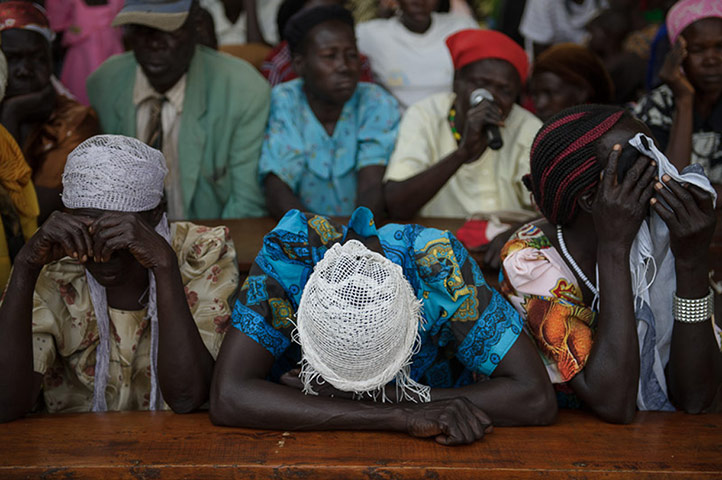
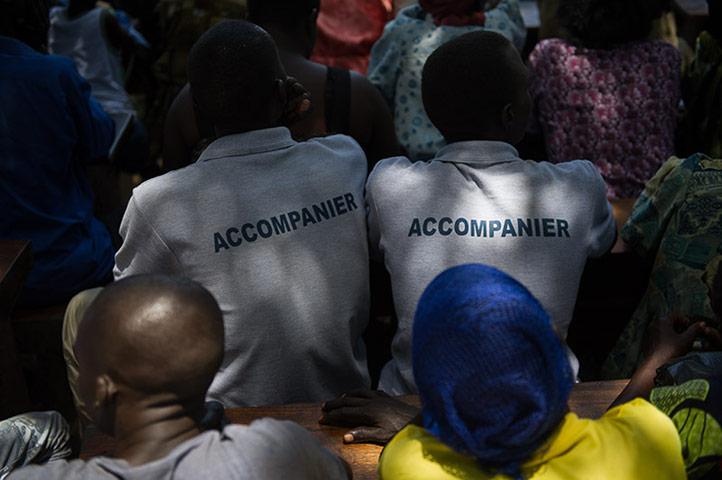
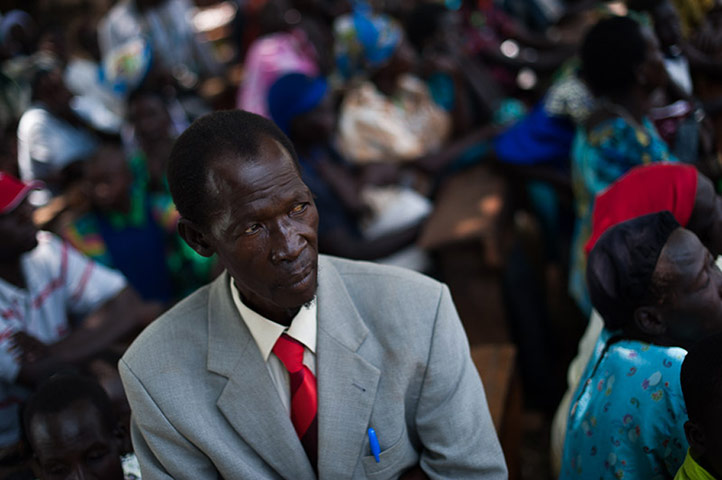
Families of the missing weep as the names of their lost relatives are read out during the remembrance ceremony. The event was held in Kamama village and attended by more than 500 peoplePhotograph: Phil Moore/ICRCThe Kamama village choir rehearses for the ceremony. Between 1986 and 2006, up to 75,000 people were believed to have been abducted in northern Uganda. The fate of several thousands remains unknown; the ICRC estimates that more than 12,000 people may still missing. Their families have lived for years with this uncertainty, hanging on to the hope that one day their relatives may returnPhotograph: Phil Moore/ICRCThe emotional distress felt by families of the missing has led many to feel isolated, says the ICRC, which set up an holistic programme in the sub-county to identify, and subsequently bring together, the bereaved. The ICRC formed support groups for these families and trained 'accompaniers' to facilitate discussion on how to cope with grief. This culminated in the remembrance ceremony. Here two accompaniers attend the eventPhotograph: Phil Moore/ICRC
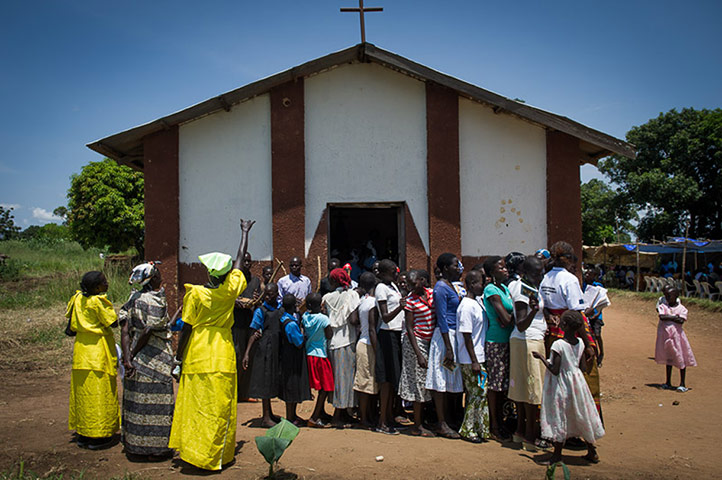
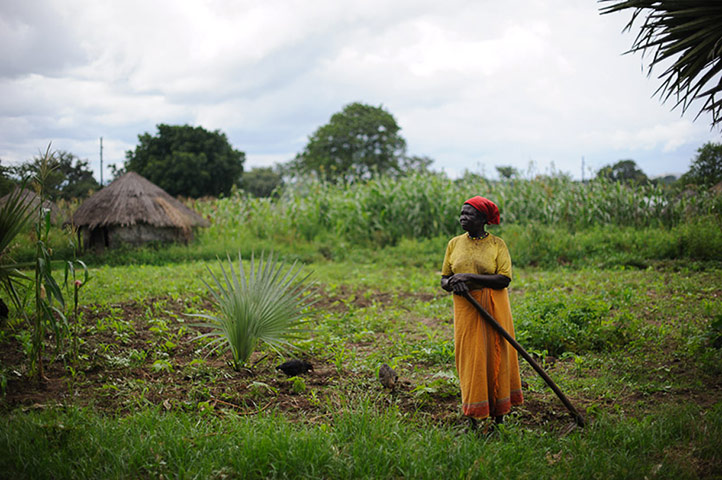
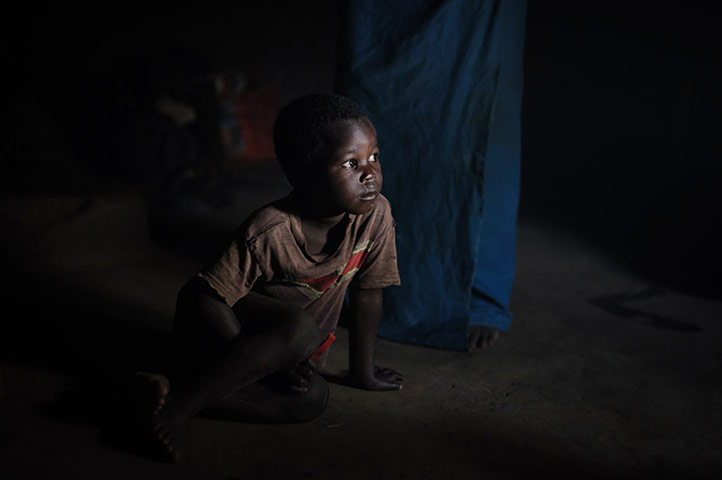
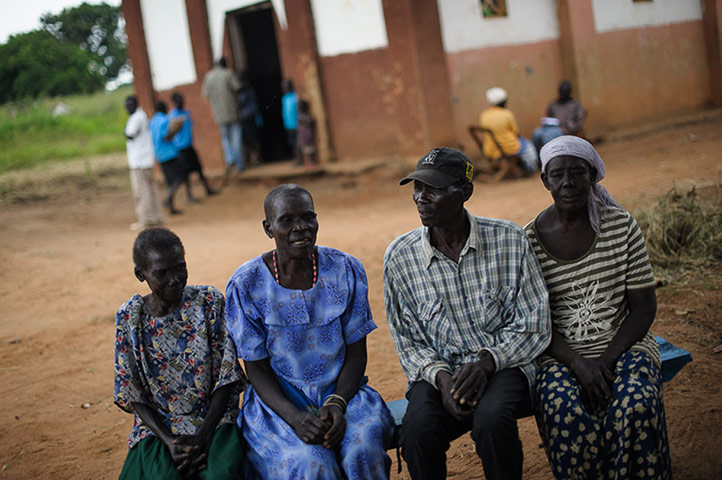
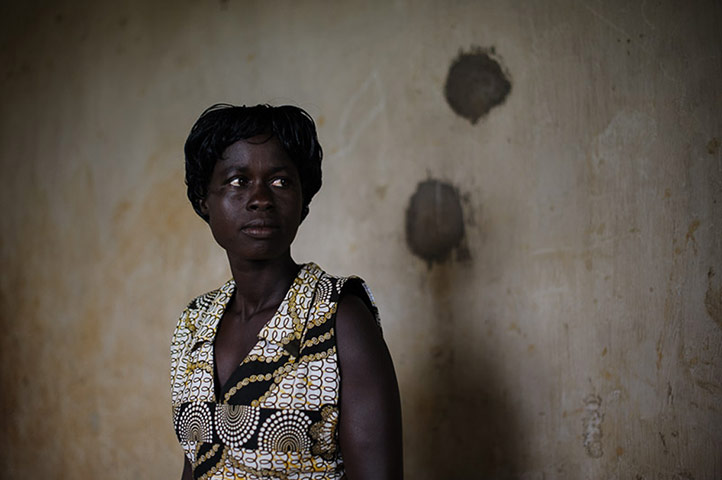
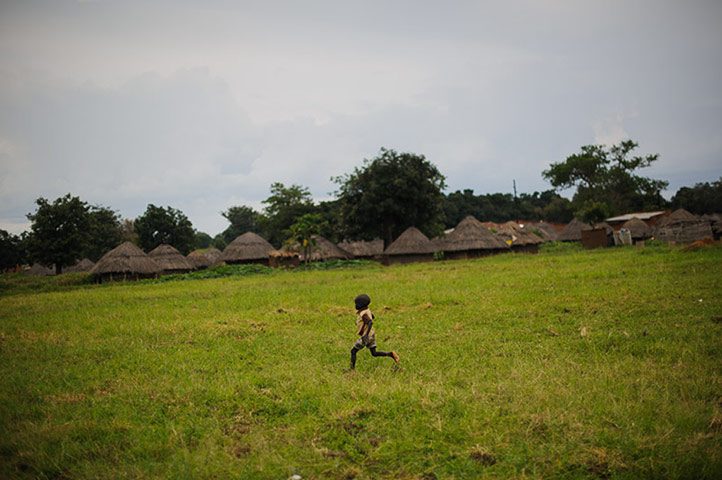
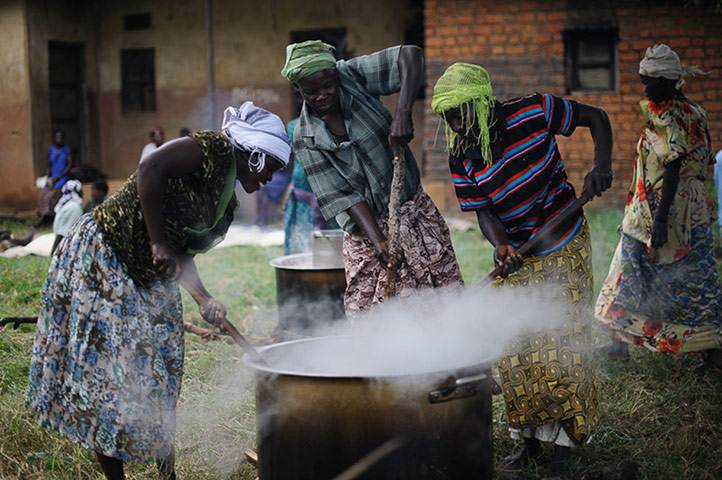
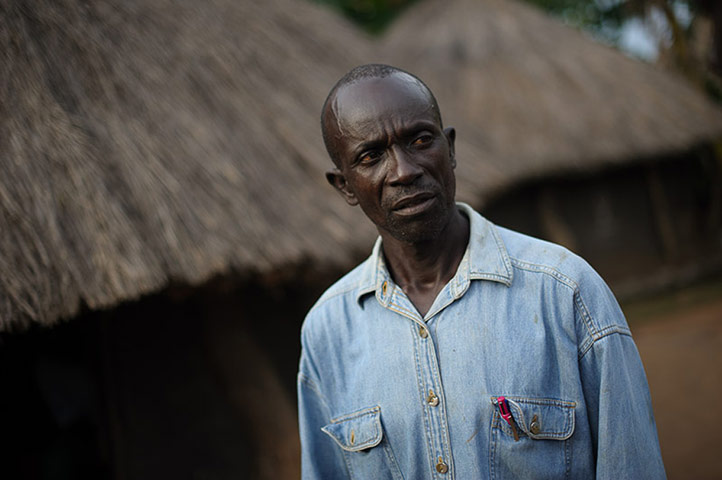
Cecilia Ator, 62, hoes a small plot of land near her home in Kamama. Her three sons were abducted in 1996 as they were digging in the family's field. 'I don't know where they are. My mind can never be peaceful,' she says. Only her daughters are left after her remaining son died. She has tried not to think about the abduction: 'It is useless to think of them, which is why I avoid it.' Ator says the ICRC programme helped change her life. 'In the groups, I was strengthened. I learned a lot of coping mechanisms; we shared things.' She said the point of the ceremony was not only to remember 'those who are lost, but to pray that they come back. I hope that at least one of them comes back. We hope that we will find some comfort after the prayer'Photograph: Phil Moore/ICRCCecilia Ator's grandchild sits inside one of the family's huts in KamamaPhotograph: Phil Moore/ICRCFrom left: Angela Alur (who does not know her age), Olana Basiloda, 66, Kossam Dero, 63, and Amal Yousoupina, 53, chat outside the church in Kamama. All four had family members abducted in the 1990s and, until recently, had no help to deal with the lossPhotograph: Phil Moore/ICRCDoreen Aol, 30, stands inside the church in Kamama. She is an 'accompanier' for the ICRC programme. 'In our family, my brothers were abducted but they came back,' she recalls. One of her brothers returned after two months, escaping during an attack by the Ugandan army, the other came back a year after being abducted. Aol applied to become a counsellor to work with families who have missing children. 'I loved working with the community,' she says. 'I feel compassion with the people who have had family abducted, we are sharing something with them.' She says the process has been difficult. 'When we started, it was not easy because we had opened old wounds. People had started to forget the missing.' The families did not recognise they had problems dealing with the distress. Some were spending all day in the fields to avoid contact with people; others turned to alcohol. 'We have learned that if you have a problem you have to share it with others and you will find a solution'Photograph: Phil Moore/ICRCA child runs through KamamaPhotograph: Phil Moore/ICRCPeter Bob, 57, listens to speeches during the remembrance ceremony. Bob was working in his field in 1990 when the LRA arrived at the family home and took all five of his children. Two days later, three returned after telling the rebels they were all from the same family. But Joseph Lukure, who was 12 at time of abduction, and Alikiker Issa, who was 16, never came back. 'I don't know whether they are alive, we have no information,' he saysPhotograph: Phil Moore/ICRCWomen prepare food for the ceremonyPhotograph: Phil Moore/ICRCVincent Atoya, 50, was abducted by the LRA in 1999 along with his four brothers. They spent six months in the bush, being trained and given a gun, always moving from place to place. During an offensive by Ugandan forces, Atoya escaped to a village before surrendering to the army. When he returned home, he learned that three of his brothers had been killed in reprisal for his escape, and rebels had come to his home and killed his mother and father. His sister blamed him for their deaths and there was animosity between him and his remaining relatives. 'When I was abducted, I was not yet married, and so I was left without any family,' he says. Since being involved in the counselling sessions, he says he feels the community is more accepting. At the ceremony, he saw his sister. 'She put forward her hand and we greeted each other. This never happened before' Photograph: Phil Moore/ICRC
Sign up to read this article
Read news from 100's of titles, curated specifically for you.