What happens next?
Astana’s future is in the hands of the UCI licence commission, a four-man panel headed by the former Swiss supreme court judge Pierre Zappelli. They will look at the findings of the audit commissioned into Astana in December and examine evidence from the Padua doping inquiry in which Astana team members are mentioned. There is no timeline available for the process but it’s reasonable to expect them to take at least a few days to convene and more to examine the evidence. If Astana have to attend a hearing they will need time to sort their lawyers and put together their case. All of which means this will be a long process.
What does this mean for Astana?
For the moment they will continue to race. If the licence commission rules against them, however and the verdict is upheld in the face of any legal challenge then they will be out in the cold. They may be awarded a Pro Continental licence – effectively relegation – in which case they could compete subject to invitation from race organisers. But their membership of the Movement for Credible Cycling – an umbrella organisation of teams that adhere to a standard anti-doping charter – could also be called into question, which would further muddy the waters.
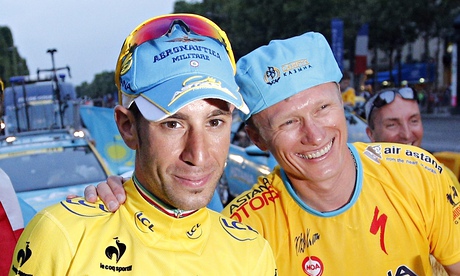
Will Vincenzo Nibali defend his Tour de France title?
That depends on the time scale, particularly if – in the event of the licence being revoked _ Astana appeal to the court of arbitration for sport, which could take several months. There is a possibility that Nibali could start the Tour with his team in legal limbo. If Astana were banned before the Tour, he would be free to sign with another team but that would depend on who needed a leader, who had the cash, and whether he was considered damaged goods – although he has denied any wrongdoing and there is no evidence that he is implicated in doping.
Why doesn’t the UCI just ban Astana now if it considers there is evidence against them?
Since the start of the process, the UCI president, Brian Cookson, has been at pains to point out that the governing body is playing a long game. As in December when the WorldTour licence was issued – albeit provisionally – the big fear is that banning Astana now would result in a legal challenge for restraint of trade that the UCI might lose. Cookson said last week that under his aegis the UCI is happy to take the fight to anyone or anybody implicated in doping, but only if it looks certain it can win.
Why haven’t teams faced bans before?
They have, and they haven’t. When organisers enjoyed carte blanche over what teams they invited to their events, there were instances when squads were left out on ethical grounds, most notably Astana at the 2008 Tour de France. But the fight against doping has been dogged by the fact that no legal framework has been in place under which teams could be banned and even disbanded if their conduct was considered prejudicial to the sport. Riders could be sanctioned; teams “only” faced the court of public opinion and for some any publicity was good publicity. If teams can now face sanctions over doping that happens on their watch, that could be a game changer.