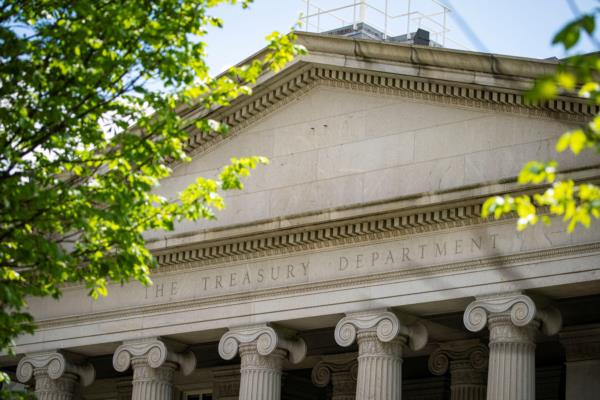
The U.S. Treasury is gearing up for a refunding operation that aims to alleviate the pressure caused by rising supply in the bond market. This move comes as the government seeks to manage its debt issuance amid increasing demand for U.S. bonds.
The refunding operation is expected to involve the issuance of new debt to replace existing securities that are set to mature. By refinancing its debt in this manner, the Treasury can take advantage of lower interest rates and potentially reduce its overall borrowing costs.
Market analysts anticipate that the refunding will help address concerns about the growing supply of government bonds, which has been driven by the need to finance stimulus measures and other spending initiatives. The influx of new bonds has put upward pressure on yields, impacting borrowing costs for the government and investors alike.
Through the refunding process, the Treasury aims to strike a balance between meeting its funding needs and managing the impact on the bond market. By carefully timing the issuance of new debt and strategically structuring the refunding operation, the government hopes to stabilize bond yields and maintain investor confidence in U.S. securities.
Investors will be closely watching the outcome of the refunding operation, as it could have implications for interest rates, bond prices, and overall market sentiment. The Treasury's ability to effectively manage its debt portfolio will be key in navigating the current economic environment and supporting continued growth and stability in the bond market.