SEOUL (Reuters) - The United States has agreed to help South Korea send flu medication to North Korea, a South Korean official said on Friday, after the United States said it would help deliver aid to the North despite stalled nuclear talks.
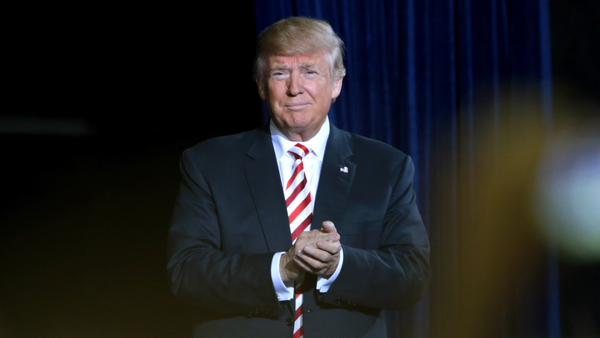
North Korean leader Kim Jong Un vowed to work toward denuclearization at a landmark summit with U.S. President Donald Trump in Singapore in June but the two sides have made little progress.
North Korea raised new doubts about a nuclear agreement on Thursday when its state media said any deal on it giving up its nuclear arsenal had to include the complete elimination of U.S. "nuclear threats".
While the United States and North Korea joust over a nuclear deal, South Korea is keen to improve ties with its old rival and has been taking steps to establish links in various areas including transport and humanitarian assistance.
There has been some U.S. concern that the South may be moving too quickly on building such links, given the scant progress on denuclearization.
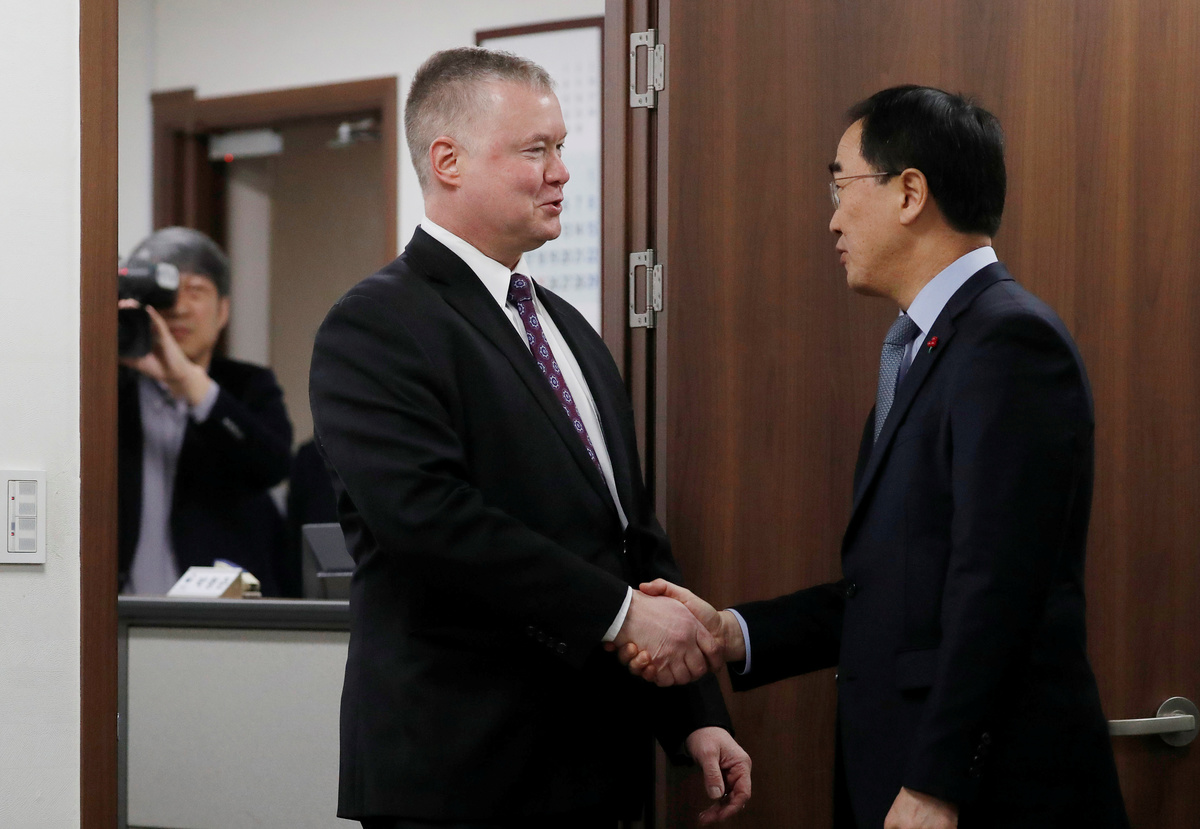
Despite that, Stephen Biegun, the U.S. special representative for North Korea, said on Wednesday as he arrived in South Korea for talks that he would be looking with aid groups at how to deliver "appropriate assistance" to the North, particularly in the winter.
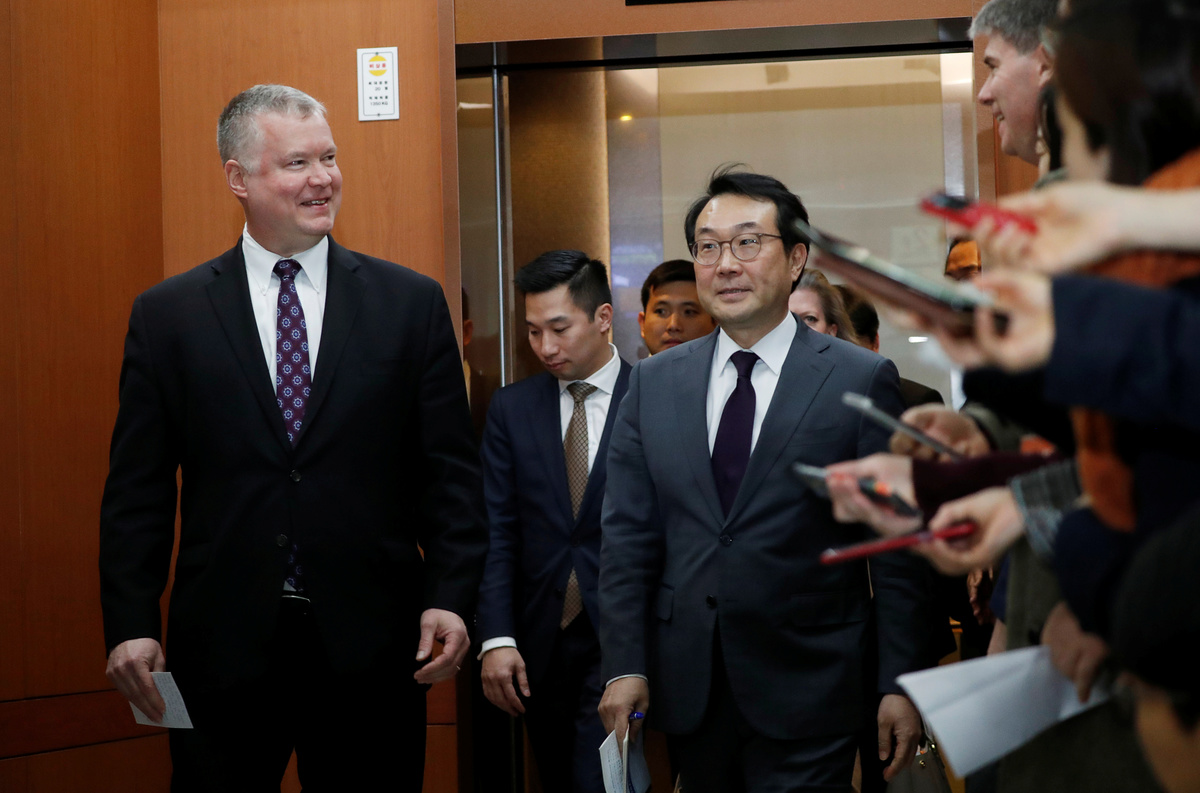
South Korea's special representative for Korean peace and security affairs, Lee Do-hoon, said after talks with Biegun on Thursday the United States agreed to help supply the North with the flu drug Tamiflu.
"The issue of providing Tamiflu to the North Korean people was resolved," Lee told reporters.
South Korea provided 500,000 doses of Tamiflu to the North in 2009 following an outbreak of H1N1 influenza.
The Red Cross said in January this year that more than 81,000 North Koreans were affected by the same virus also known as swine flu.
'TRANSFORM RELATIONS'
Humanitarian aid is not subject to tough sanctions on North Korea aimed at pressing it to give up its nuclear weapons and ballistic missile programs.
But officials at U.N. agencies and aid groups have told Reuters that their operations have nearly ground to a halt because of the strict interpretation of U.N. curbs on banking and shipping to North Korea, as well as a travel ban for U.S. citizens.
Lee said he had secured U.S. sanctions exemptions over a plan to reconnect rail and road links, as well as the joint excavation of remains of soldiers killed in the 1950-53 Korean War in the Demilitarised Zone, which is administered by the U.S.-led United Nations Command.
Biegun said while the United States had no intention of easing sanctions, such cooperation could help advance the nuclear diplomacy.
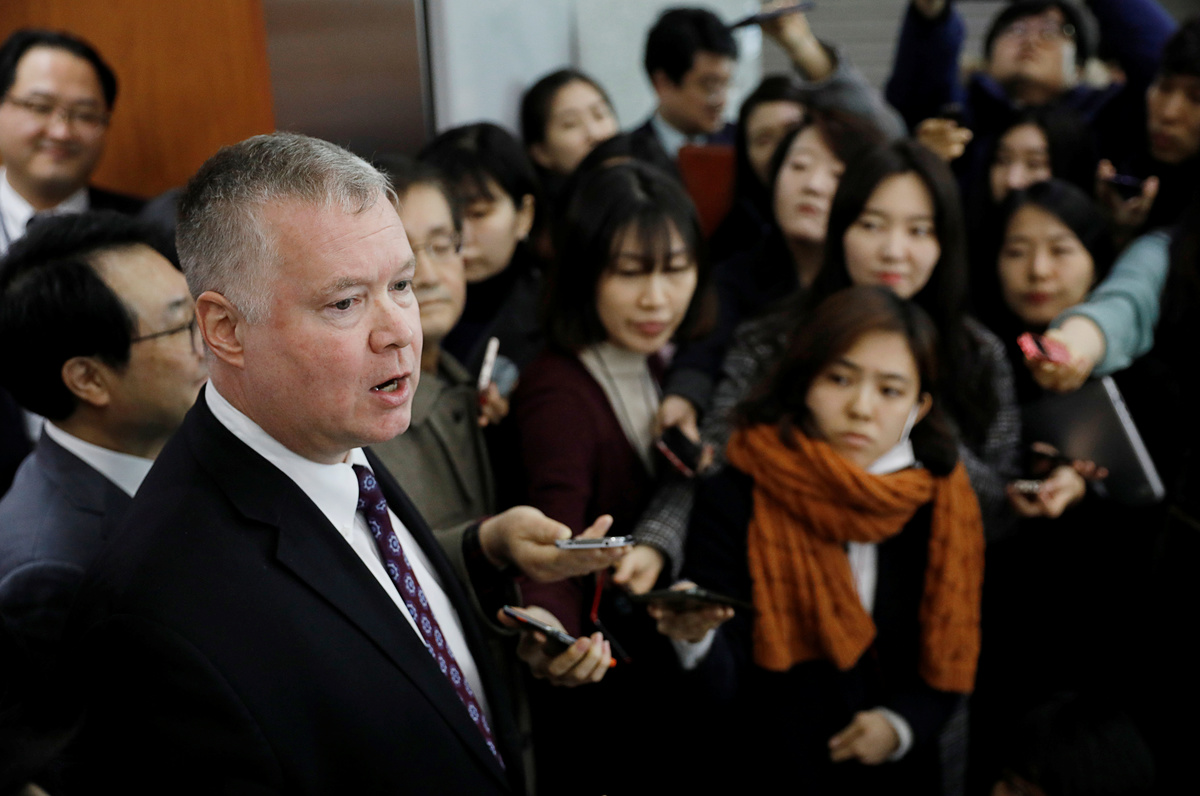
"Of course, all of this is intended to advance what we're trying to do with North Korea," Biegun told reporters.
"Now that work begins with denuclearization but also includes the strong commitments by both of our countries to transform relations and build a permanent peace regime on the Korean peninsula," he said.
Trump has said a second summit with Kim was likely in January or February, though he wrote on Twitter last week that he was "in no hurry".
Biegun said the United States and North Korea had yet to agree on a date or venue for a second summit, but would work for an "agreeable outcome".
"We're eager to move to the next stage of discussions with our North Korean partners," he said.
(Reporting by Hyonhee Shin; Editing by Paul Tait, Robert Birsel)