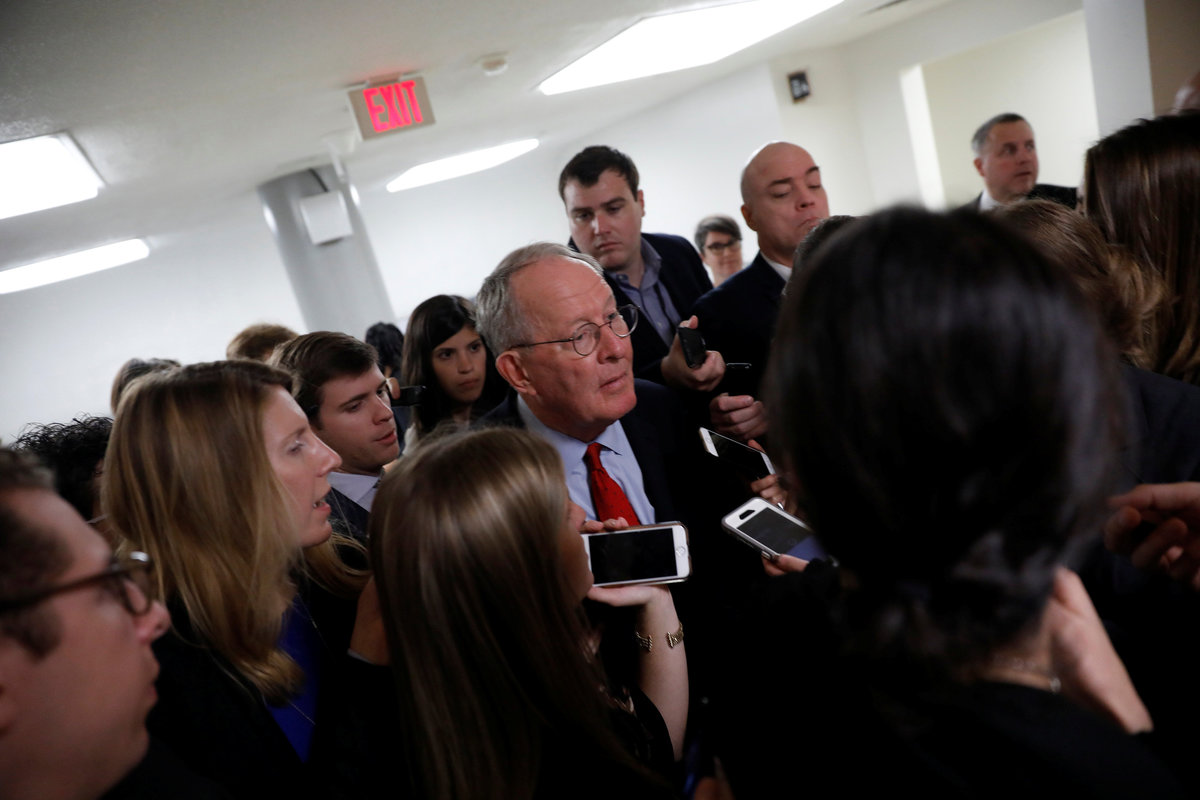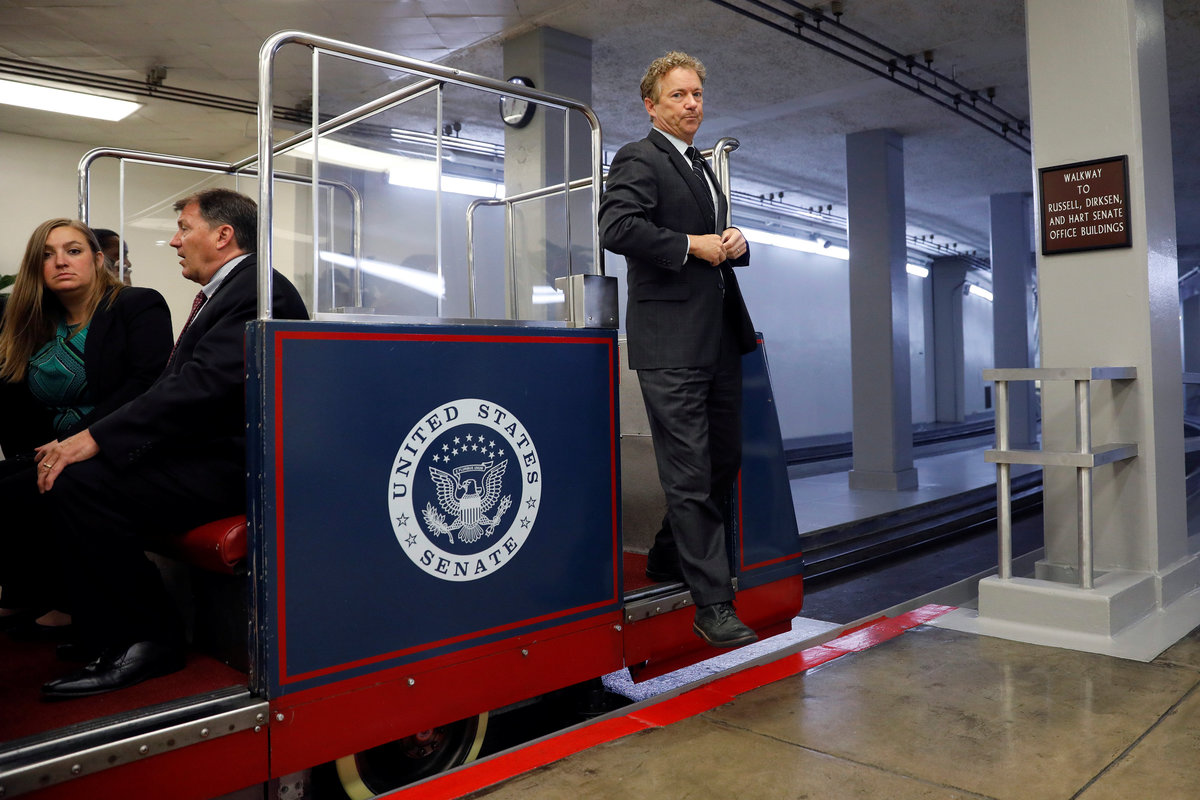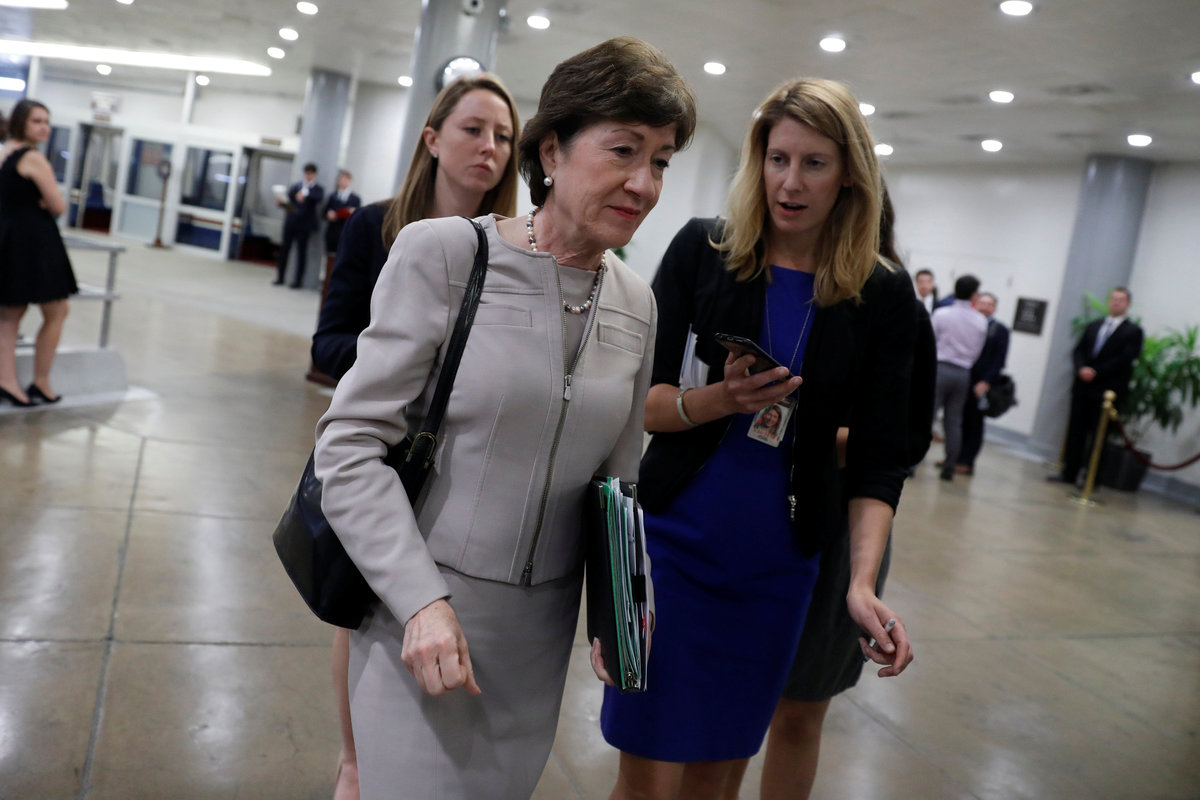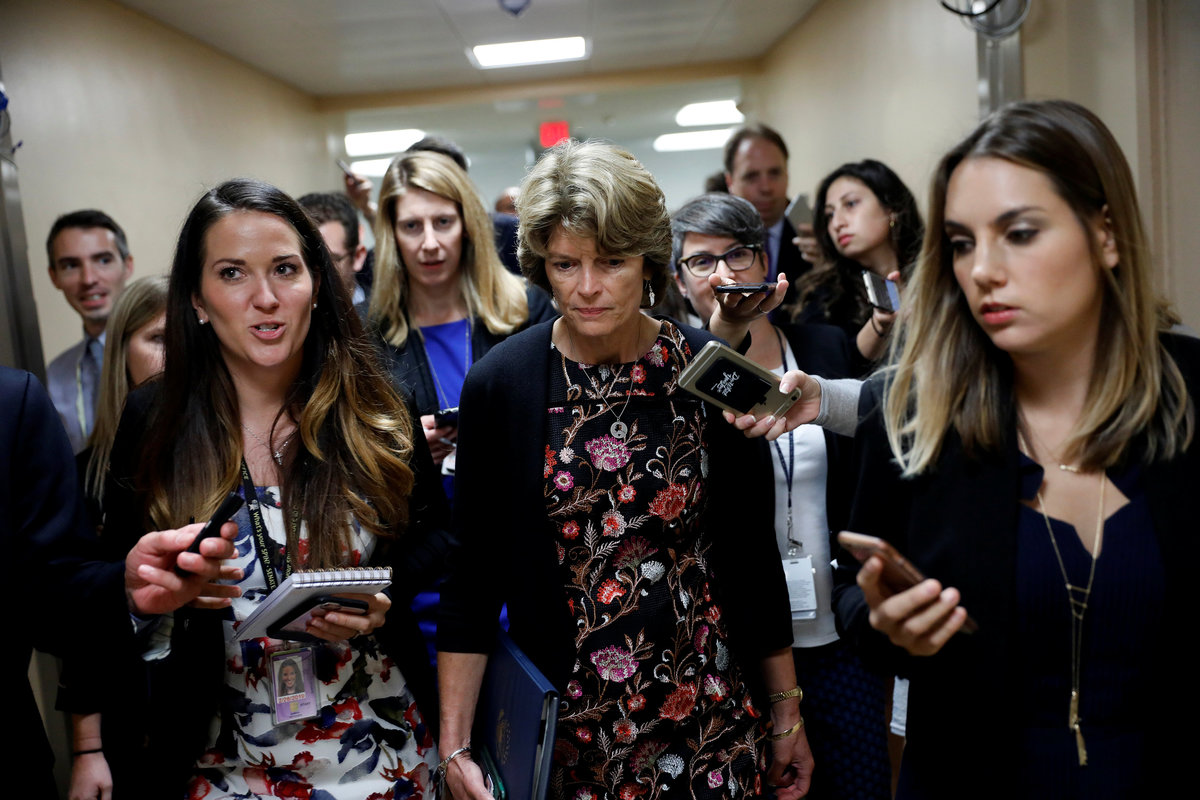
WASHINGTON (Reuters) - The Trump administration and top U.S. Senate Republicans pushed on Tuesday for action on a bill to dismantle Obamacare, but time was running out and they were still hunting for the votes needed to pass their latest attempt to gut the 2010 healthcare law.
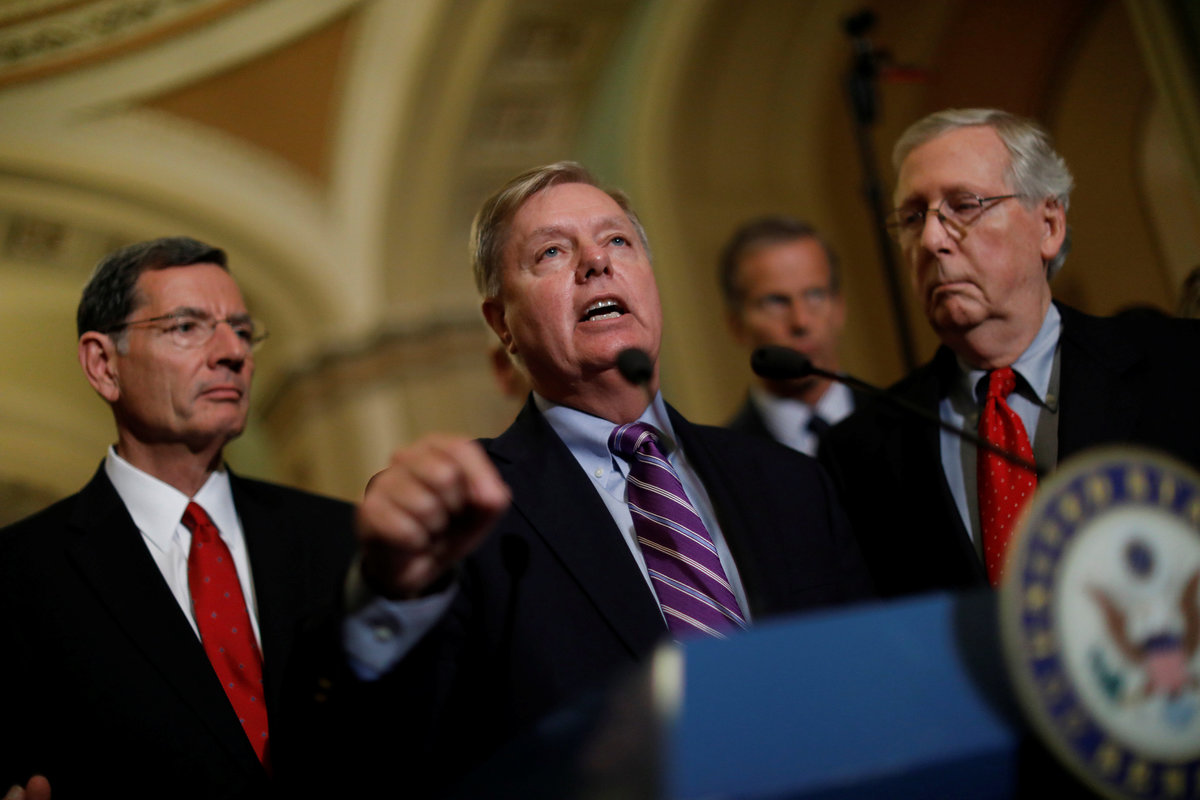
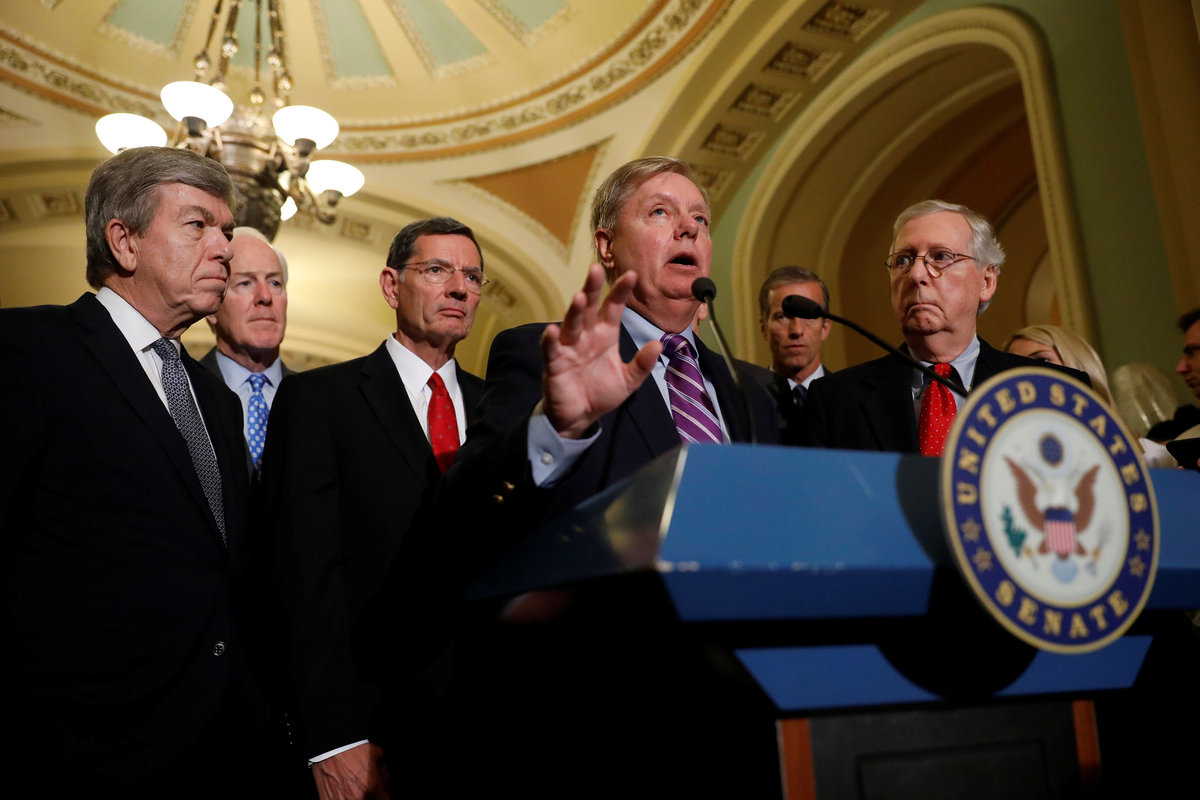
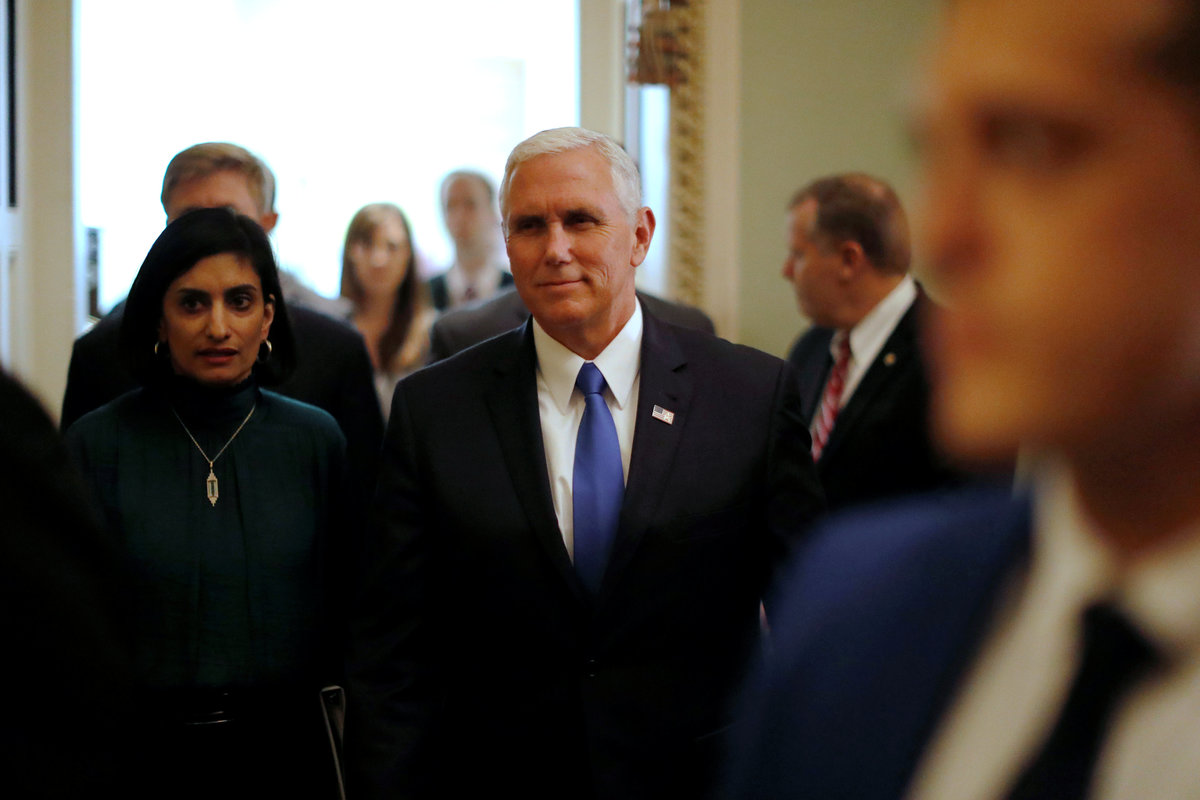
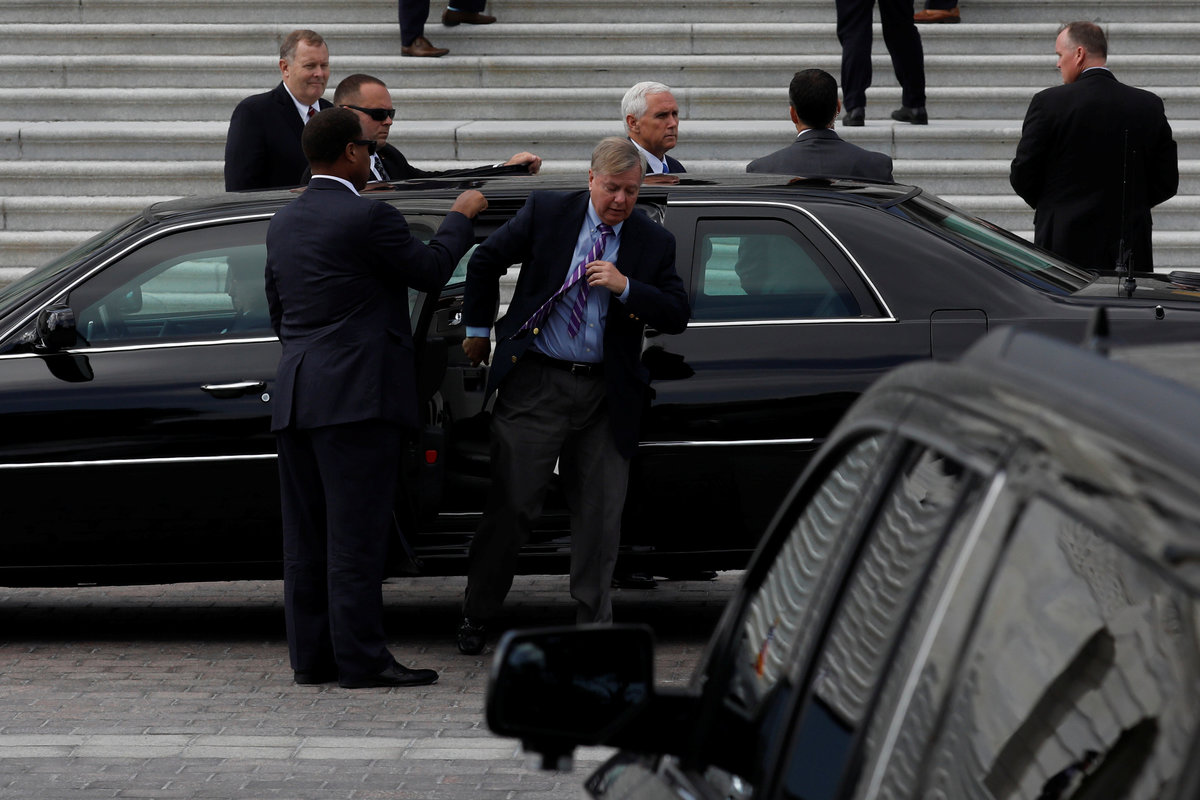
Vice President Mike Pence lunched with Republican lawmakers on Capitol Hill to urge them to approve the legislation introduced last week by Republican Senators Lindsey Graham and Bill Cassidy. Pence said President Donald Trump backs the bill.
"Now is the time. We have 12 days" to pass it, Pence said before the lunch.
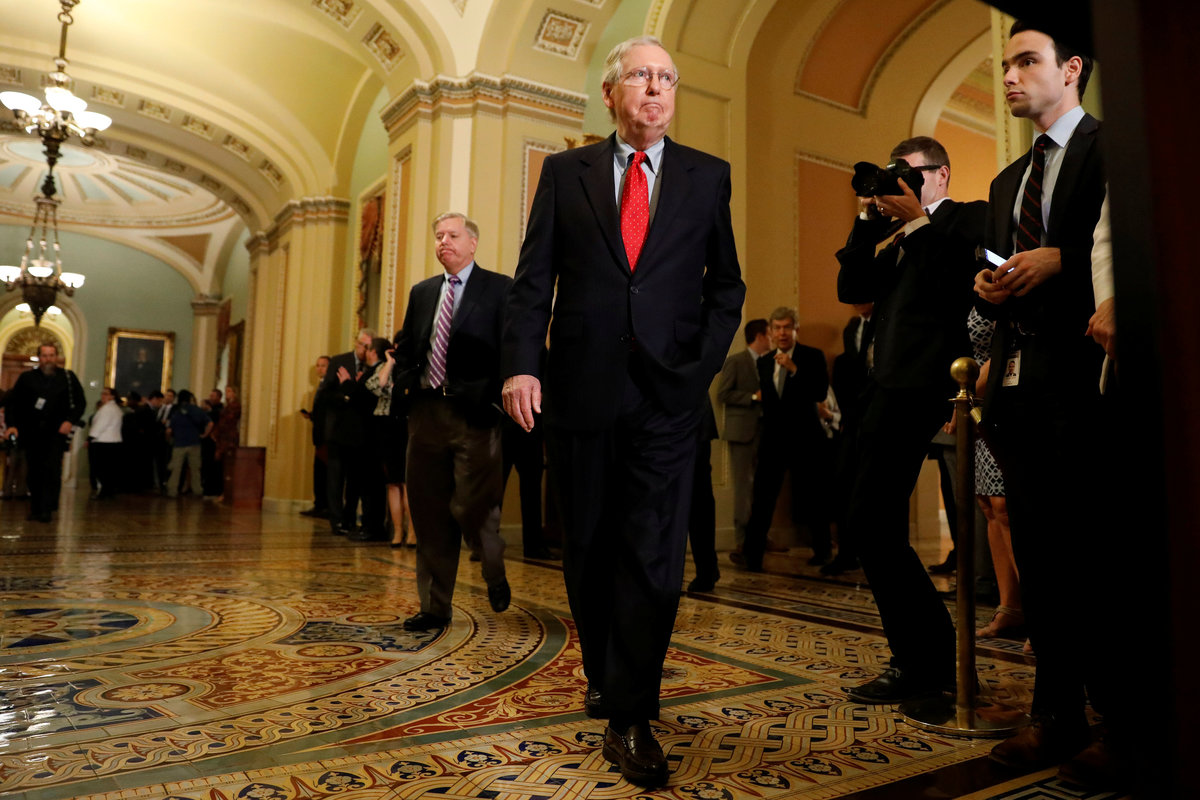
Senate Majority Leader Mitch McConnell, who fell a single vote short of securing passage of another healthcare overhaul bill in July, said the Graham-Cassidy legislation "has a great deal of support," but would not commit to bringing it to the Senate floor for consideration.
After Sept. 30, the last day of the fiscal year, procedural rules will make it much more difficult for Republicans. The bill after Oct. 1 would need 60 votes in the 100-seat Senate to be brought up for consideration, rather than a simple majority until the end of the month.
Despite controlling both chambers of Congress and the White House, Republicans this year have failed to make good on their seven-year effort to dismantle a law that was the top legislative achievement of Trump's Democratic predecessor Barack Obama.
Having suffered the humiliating failure in July, Republican congressional leaders only want to hold a vote on legislation they know can pass.
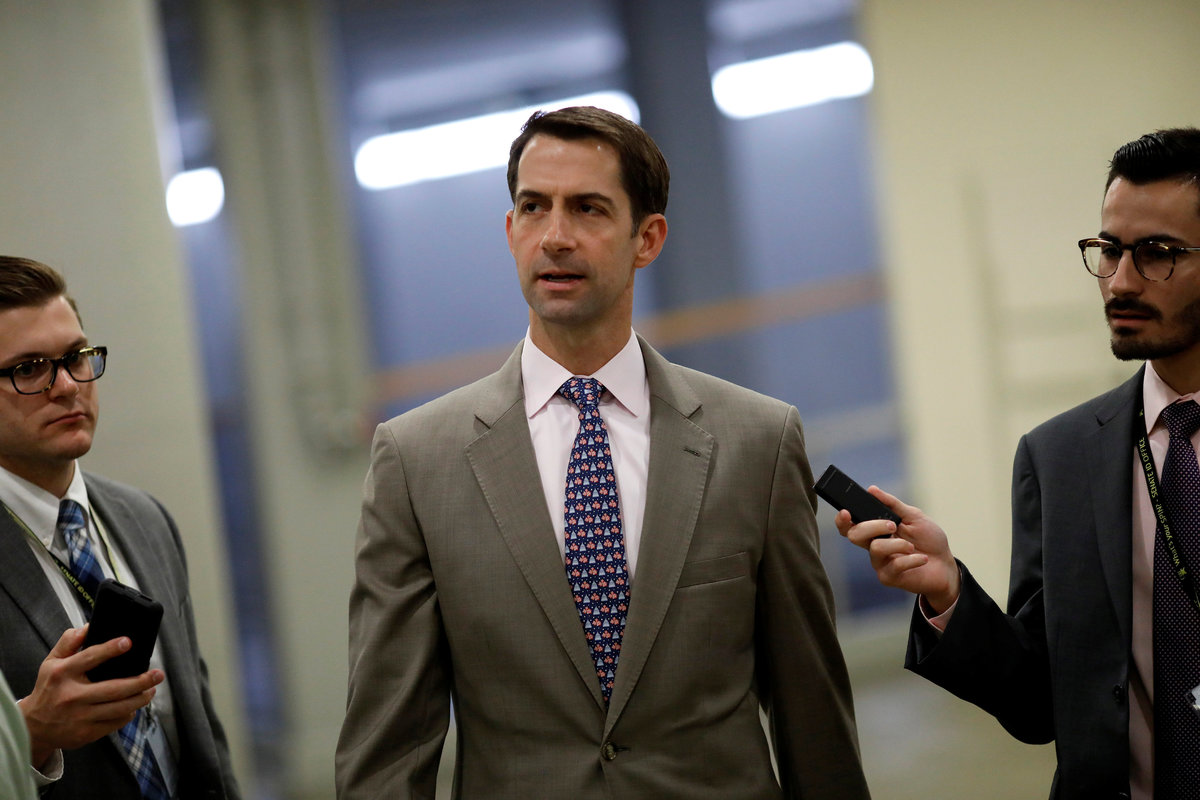
"At the end of the day, I really believe we're going to get 50 Republican votes," Graham told reporters, but he would not say how many committed votes he has now in a Senate that his party controls 52-48.
Dismantling the Affordable Care Act, known informally as Obamacare, was a central campaign promise last year by Trump. Republicans call that law a government overreach into the healthcare system. Democrats point out that it has expanded health insurance coverage to some 20 million more people.
The new bill could give Republicans one last shot this year on healthcare.
It proposes to replace Obamacare with a system giving states money in block grants to run their own healthcare programs. It would allow states to opt out of certain Obamacare protections for consumers and waive regulations requiring insurers to cover certain health benefits. It also would end the Obamacare expansion of the Medicaid insurance program for the poor and disabled.
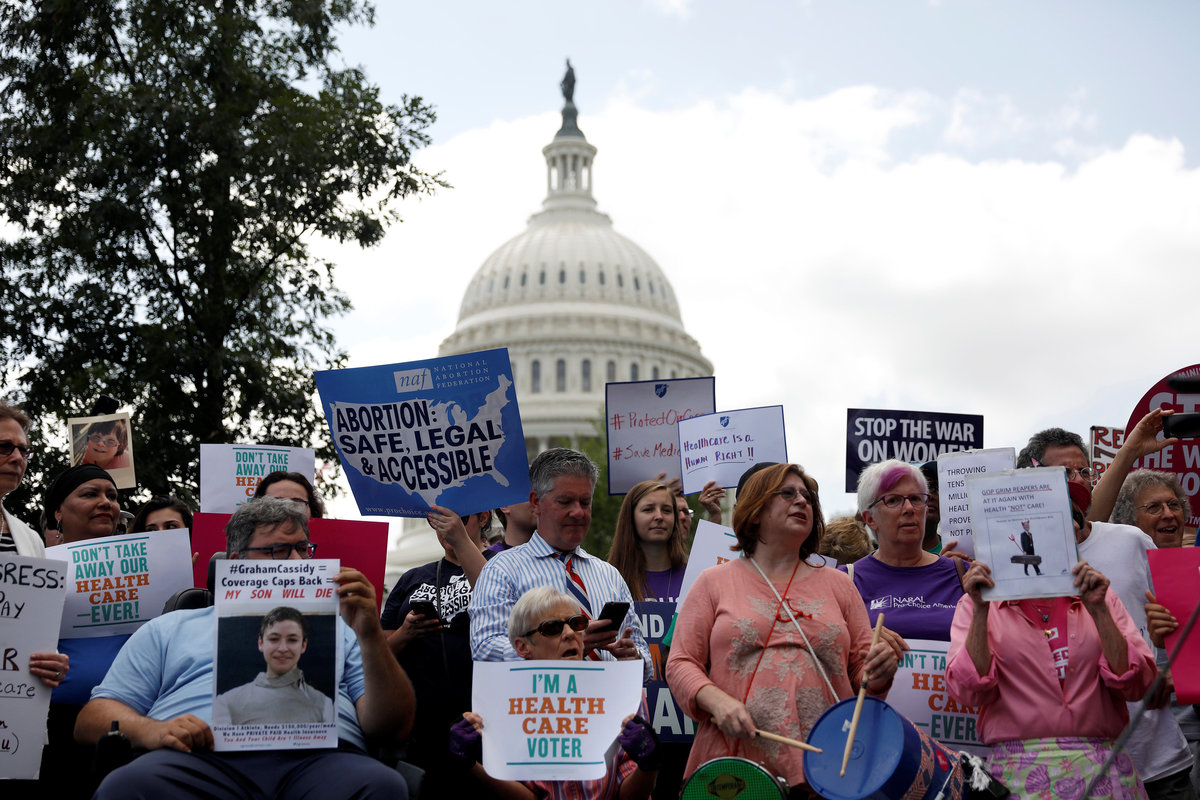
"Similar to proposals that were considered in the Senate in July, we believe the Graham-Cassidy amendment would result in millions of Americans losing their health insurance coverage, destabilize health insurance markets, and decrease access to affordable coverage and care," said James Madara, chief executive of the American Medical Association.
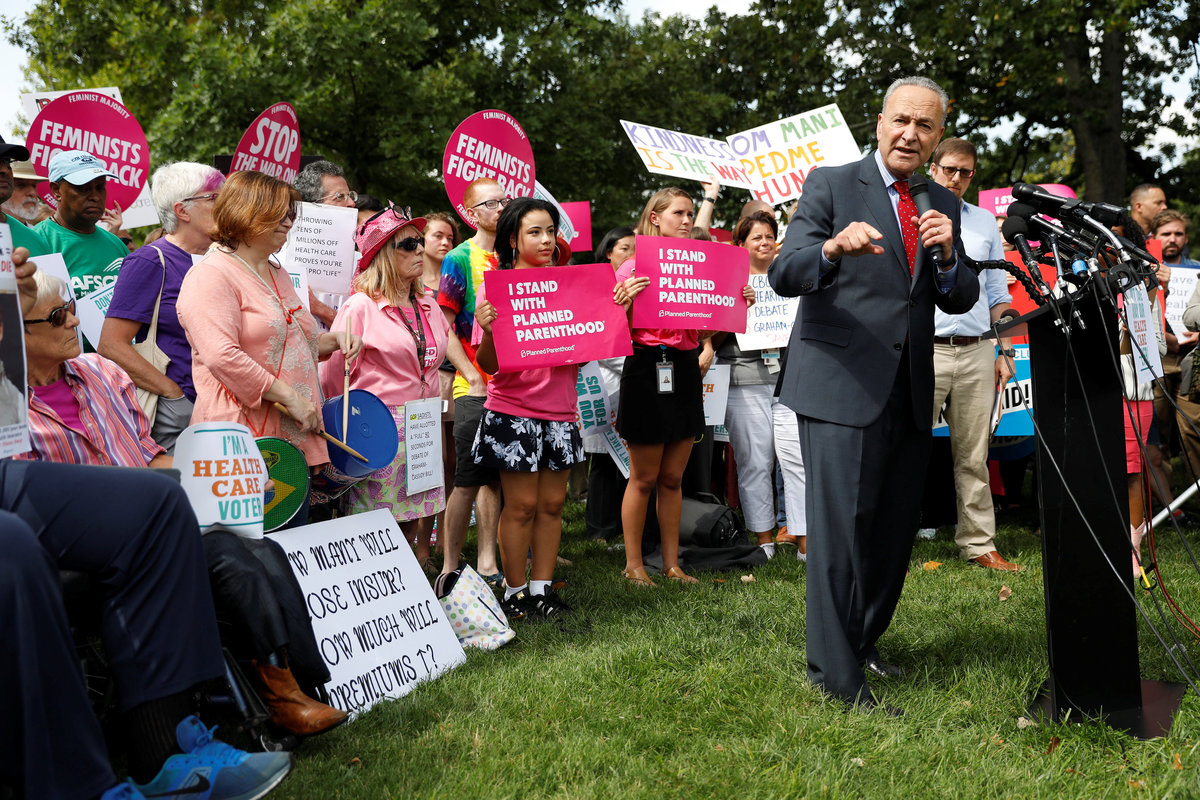
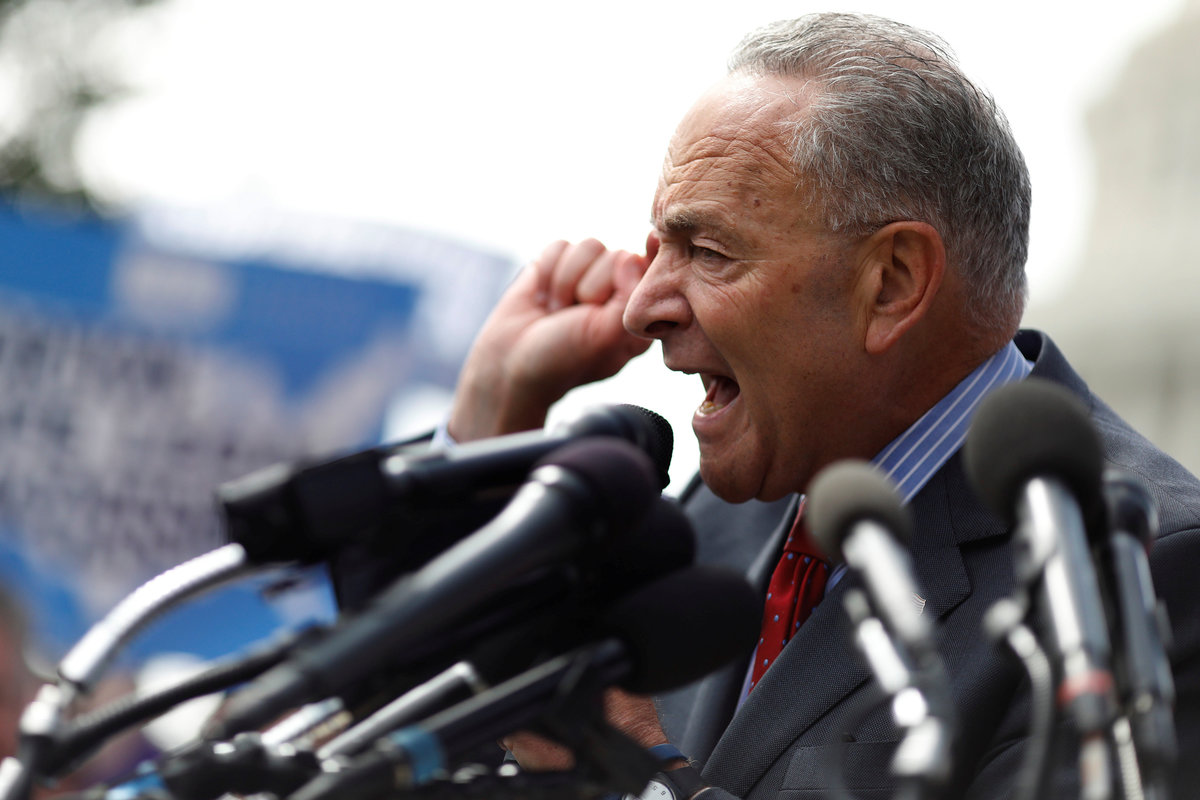
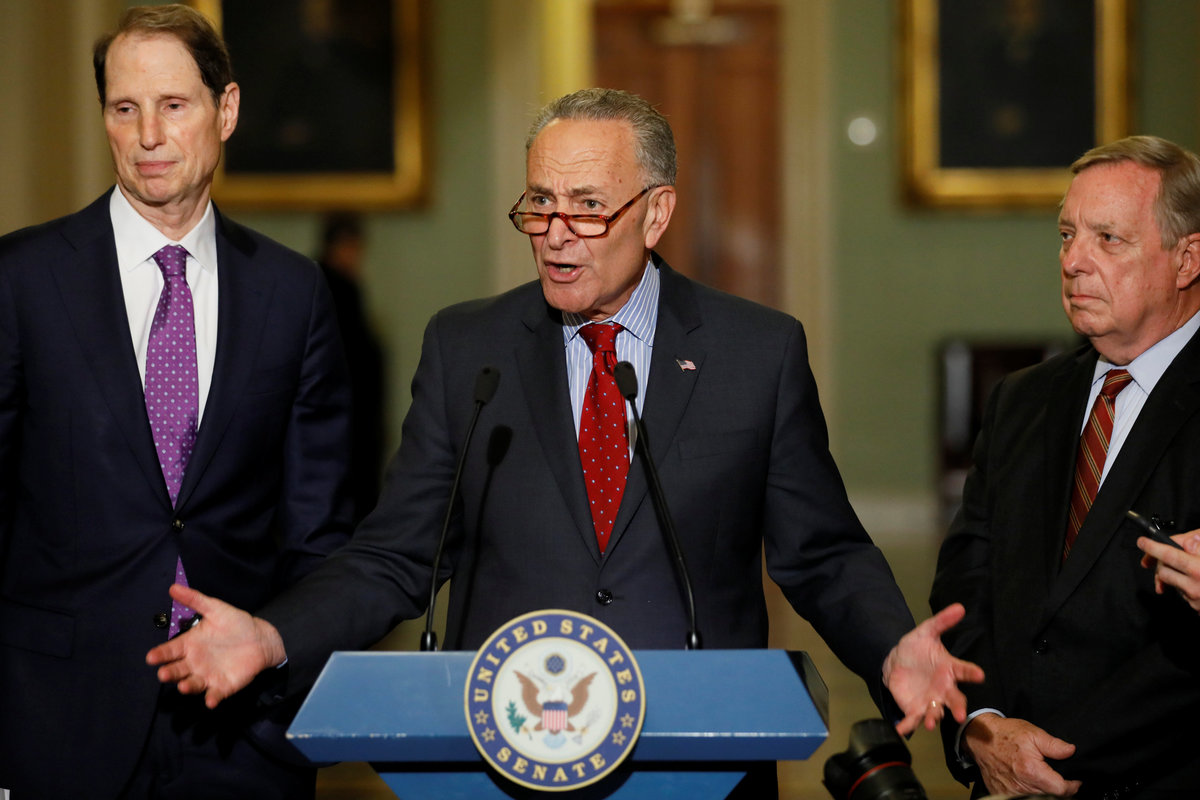
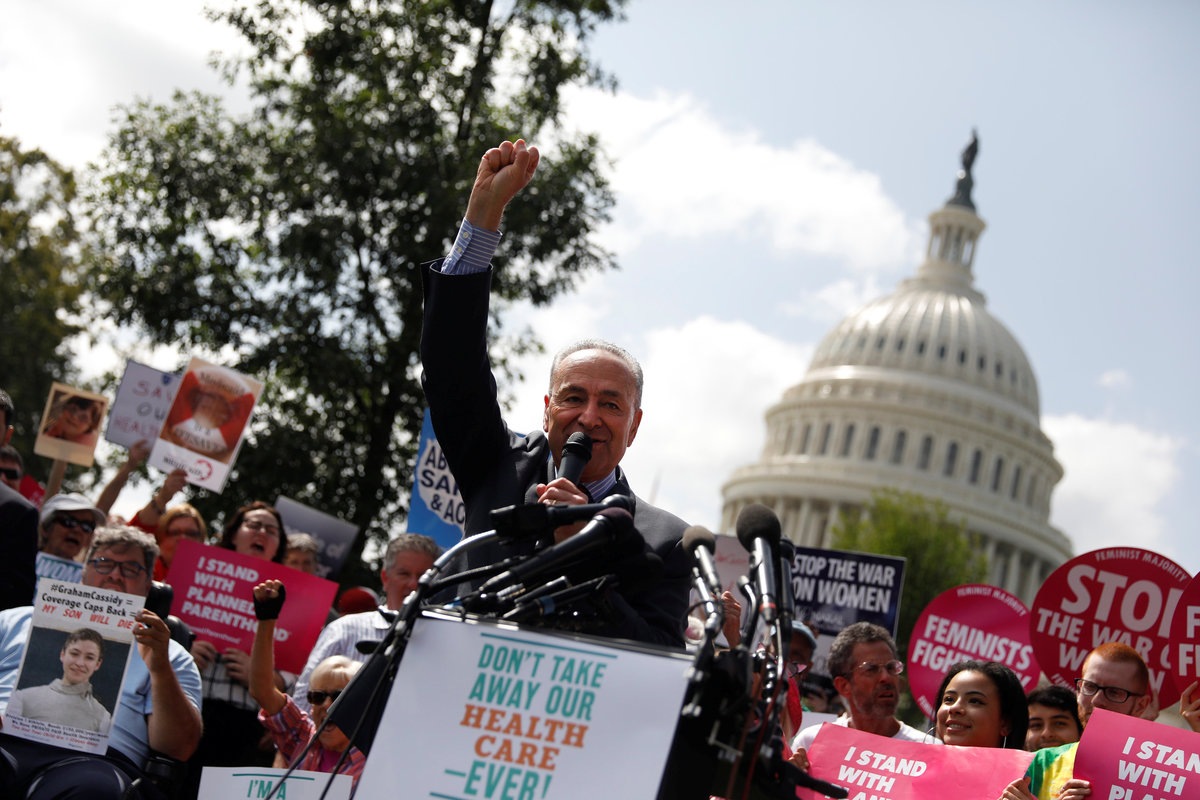
Senate Democratic Leader Chuck Schumer said Republicans were "grossly irresponsible" to consider the Cassidy-Graham legislation before getting a full assessment of its effects from the non-partisan Congressional Budget Office.
UNDECIDED SENATORS
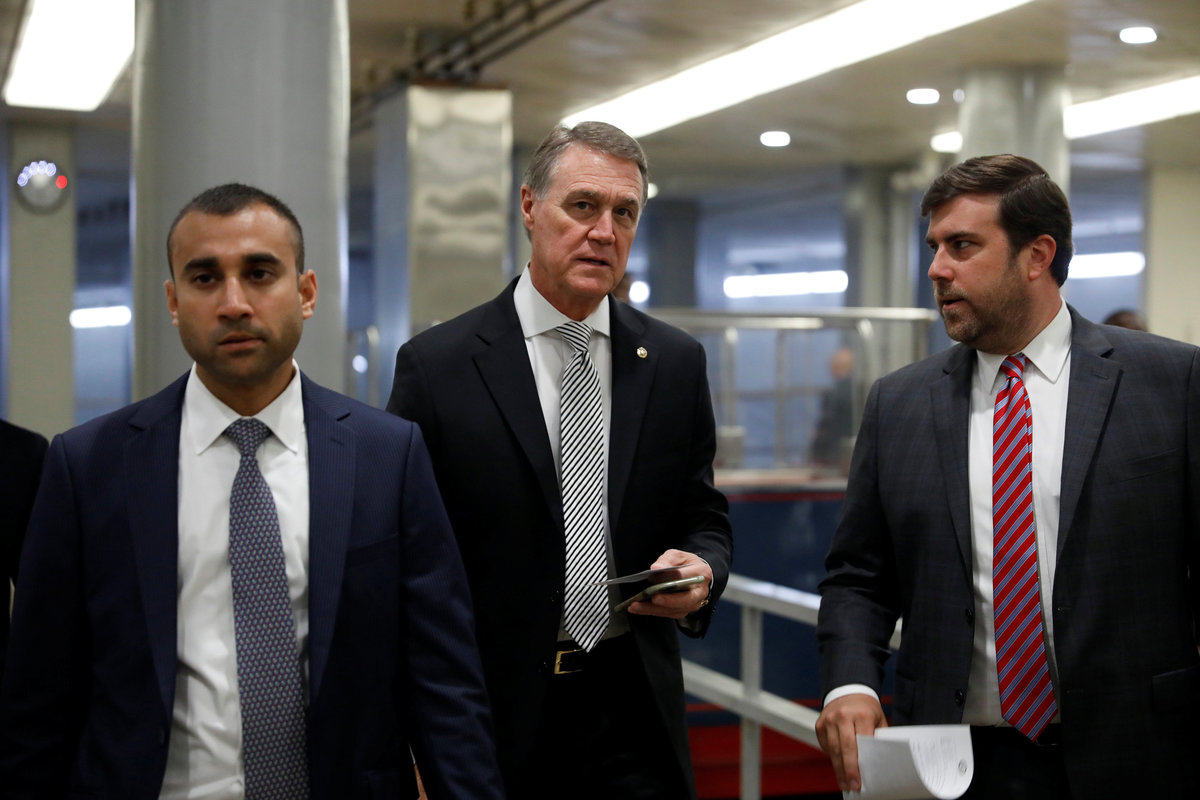
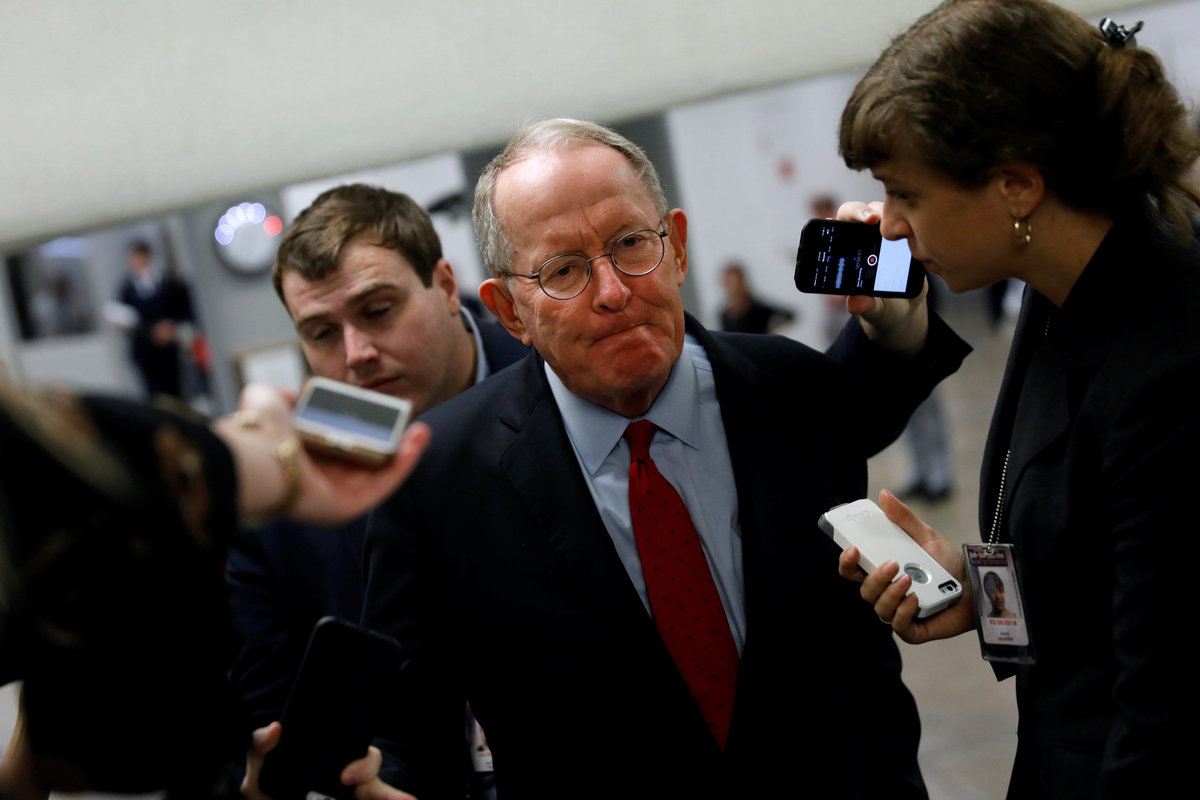
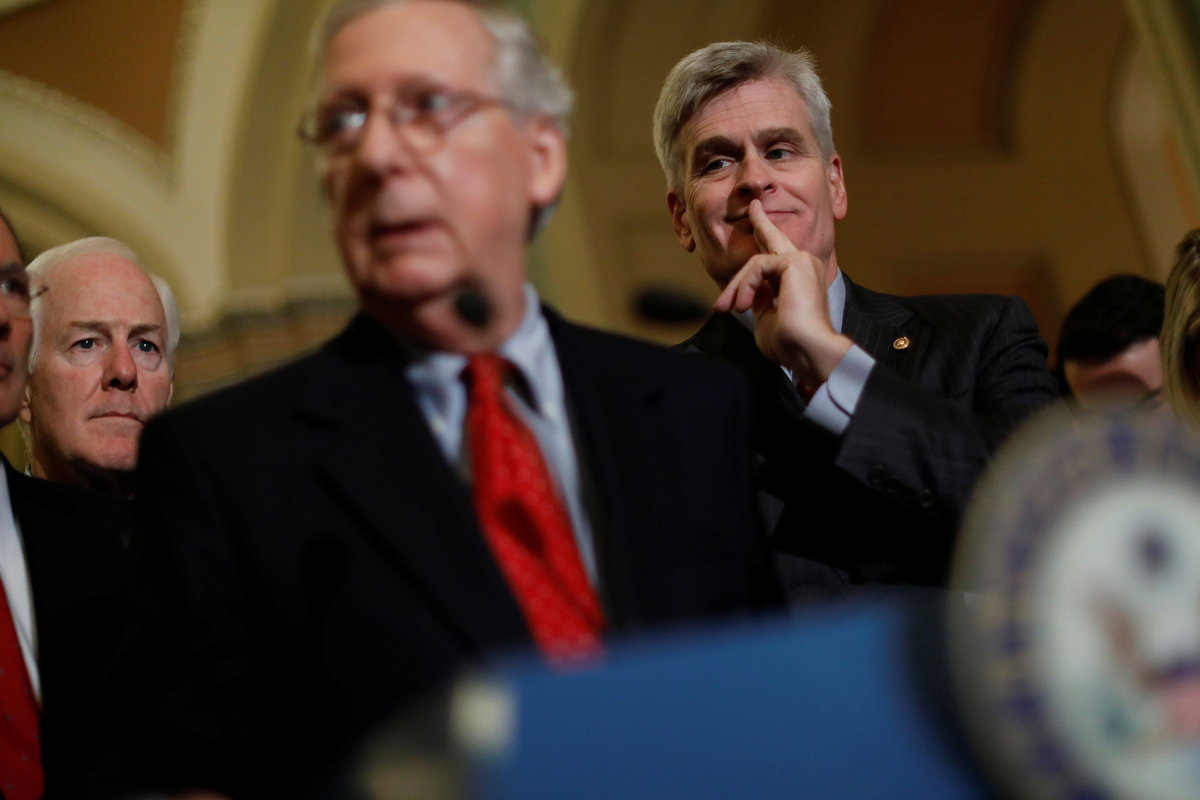
Several Republicans, including the same three senators whose "no" votes blocked the earlier bill in July, are still undecided, including Graham's close friend John McCain.
A bipartisan group of 10 governors wrote a letter to Senate leaders asking them not to consider the Cassidy-Graham bill, and instead urged support for bipartisan talks on healthcare legislation now going on in the Senate health committee.
Alaska Governor Bill Walker was among those who signed the letter. One of his state's two senators, Republican Lisa Murkowski, is among those undecided on the Cassidy-Graham bill.
Meanwhile the clock is ticking. The Senate will not be in session Wednesday through Sunday. The Senate Finance Committee said it will hold a hearing on the bill next Monday.
Graham said House of Representatives Speaker Paul Ryan has told him that if the Senate passes the Cassidy-Graham bill, the House will, too.
Ryan has told McConnell that the separate bipartisan healthcare effort in the Senate that aims to protect some subsidies being paid to insurance companies to help people buy insurance policies would not be viable in the House, according to a source familiar with the discussion who asked not to be identified.
Trump's administration has repeatedly threatened to cut off payments made directly to insurers, called cost-sharing reductions, that help cover out-of-pocket medical expenses for low-income consumers. It faced a deadline on Wednesday to make the payments for the month of September, and insurers expected to receive the payments.
If the bill were to go through, it would likely affect revenue at most insurers, including small companies like Centene Corp <CNC.N> and Molina Healthcare <MOH.N> that focus on Medicaid, and larger more diversified companies like Anthem Inc <ANTM.N>, Aetna Inc <AET.N> and UnitedHealth Group <UNH.N>, Wall Street analysts said.
Aetna shares were off 2.8 percent on Tuesday and UnitedHealth was down 2.3 percent while the stocks of hospital chains were also lower on the possibility of less government funding, including HCA Healthcare’s <HCA.N> decline of 2 percent.
(Additional reporting by Richard Cowan and Yasmeen Abutaleb in Washington and Caroline Humer in New York; Editing by Kevin Drawbaugh and Will Dunham)