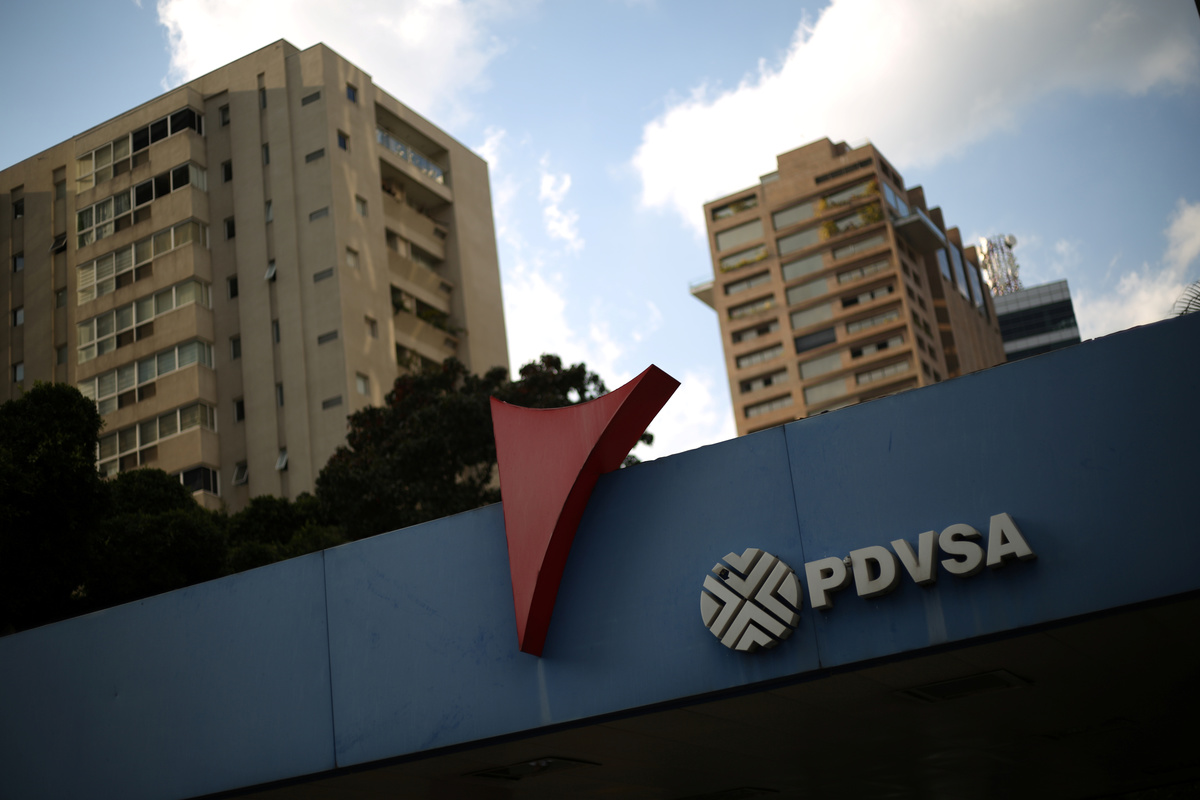
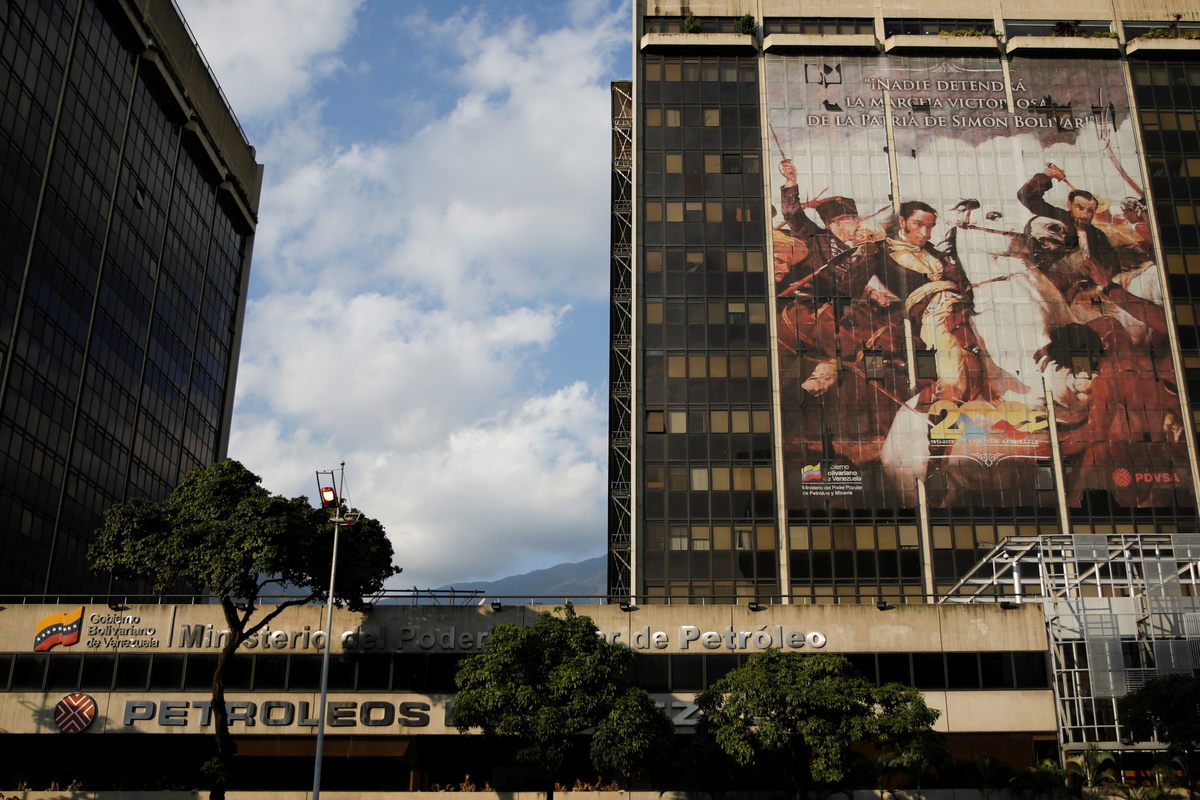
WASHINGTON/CARACAS (Reuters) - The Trump administration on Monday imposed sweeping sanctions on Venezuelan state-owned oil firm PDVSA, aimed at severely curbing the OPEC member's crude exports to the United States and at pressuring socialist President Nicolas Maduro to step down.
Russia, a close ally of Venezuela, denounced the move as illegal interference in Venezuela's affairs and said the curbs meant Venezuela would probably have problems servicing its $3.15 billion (2.4 billion pounds) sovereign debt to Moscow.
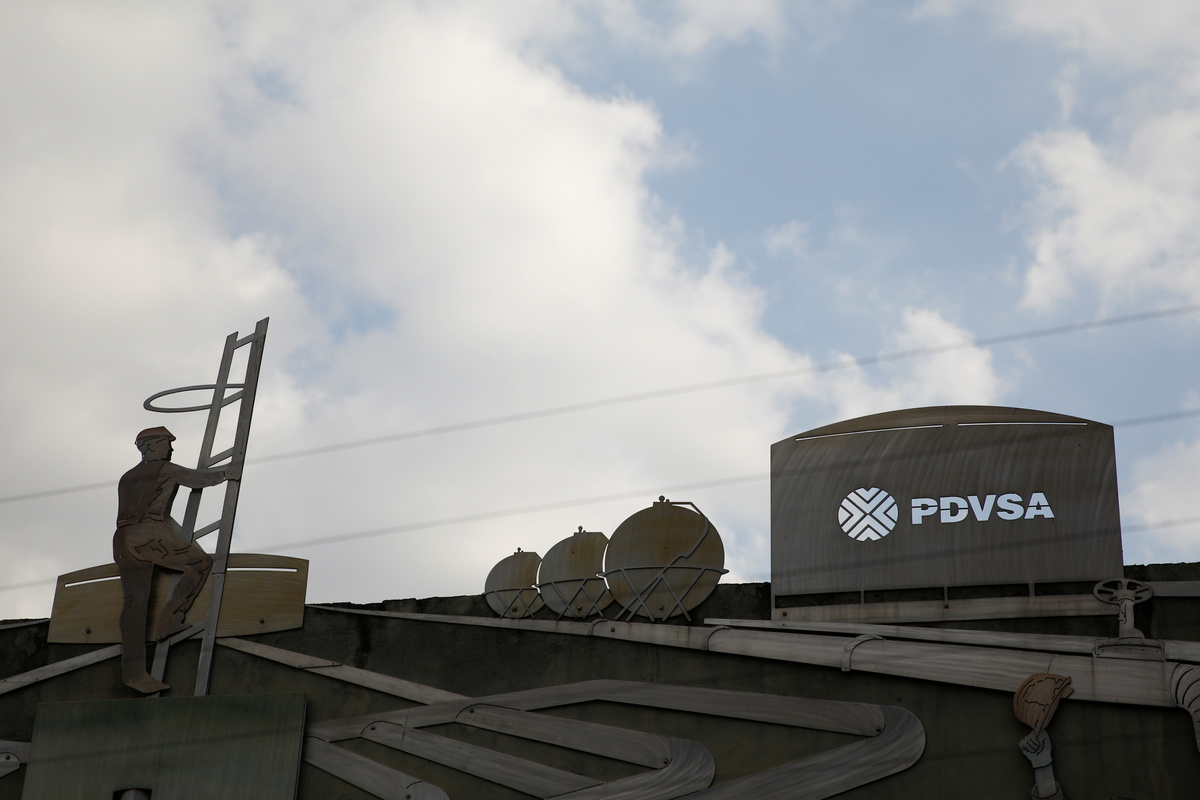
Minutes before the sanctions announcement, Juan Guaido, the opposition leader who proclaimed himself interim president last week with U.S. backing, said congress would name new boards of directors to the company and its U.S. subsidiary, Citgo.
Guaido, supported by the United States and most countries in the Western Hemisphere, says Maduro stole his re-election and must resign to allow new, fair polls.
Maduro, in a live national broadcast on Monday, accused the United States of trying to steal U.S. refining arm Citgo Petroleum, the OPEC member's most important foreign asset, which also manages a chain of U.S. gas stations. He said Venezuela would take legal actions in response.
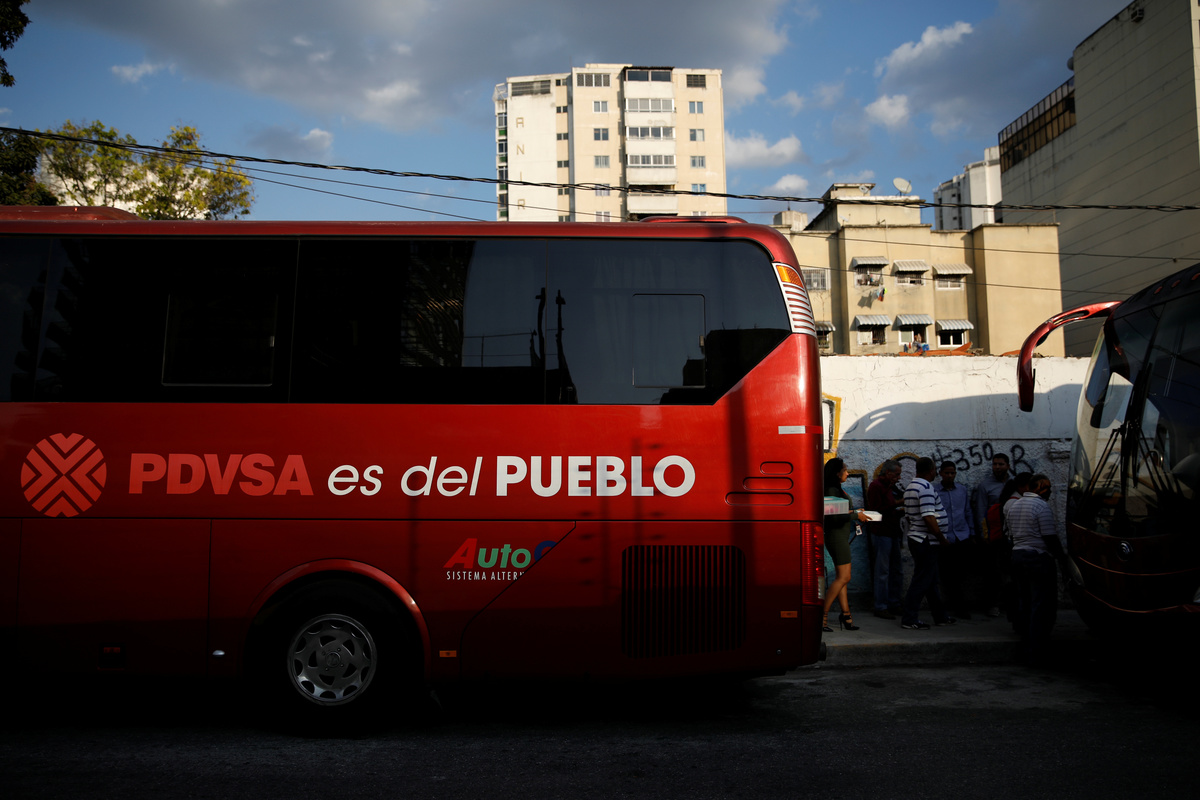
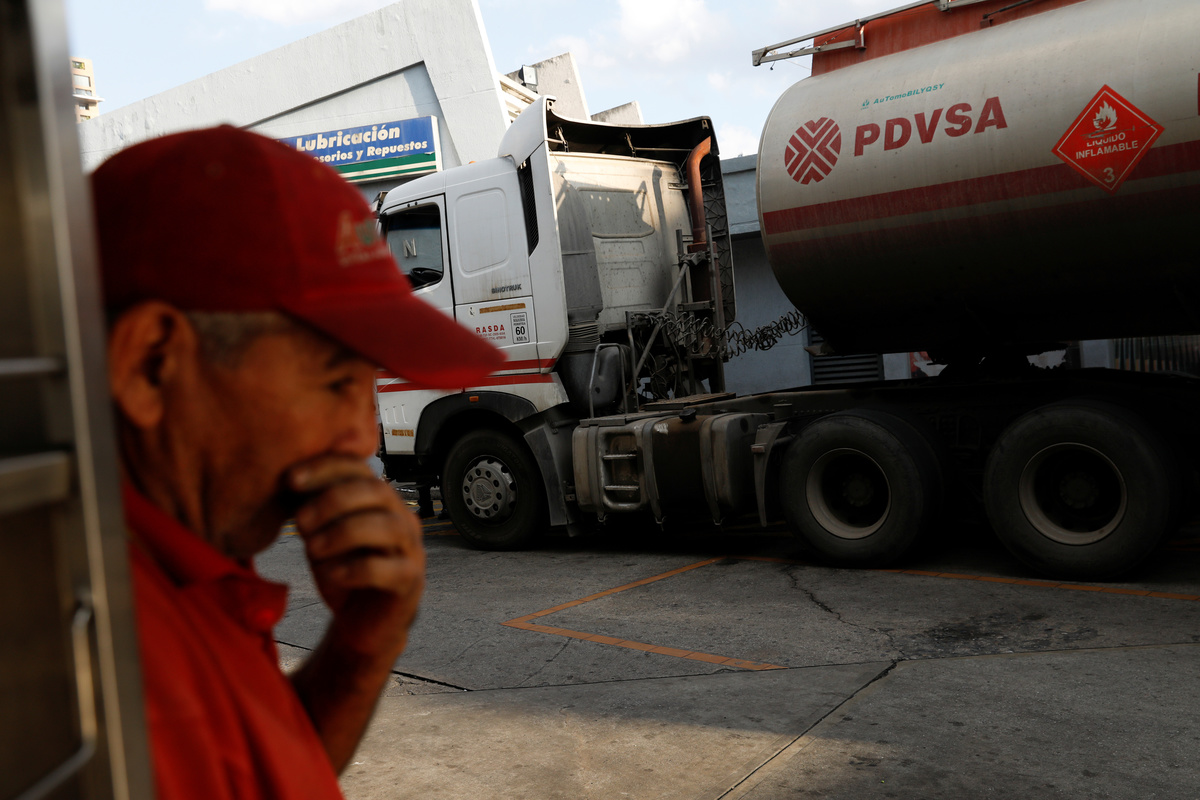
In the first sign of serious retaliation, three sources with knowledge of the decision said PDVSA had ordered customers with tankers waiting to load Venezuelan crude bound for the United States to prepay for the cargoes or they will be authorized to fill the vessels or leave the ports.
The Trump administration sanctions stopped short of banning U.S. companies from buying Venezuelan oil, but because the proceeds of such sales will be put in a "blocked account," PDVSA is likely to quickly stop shipping much crude to the United States, its top client.
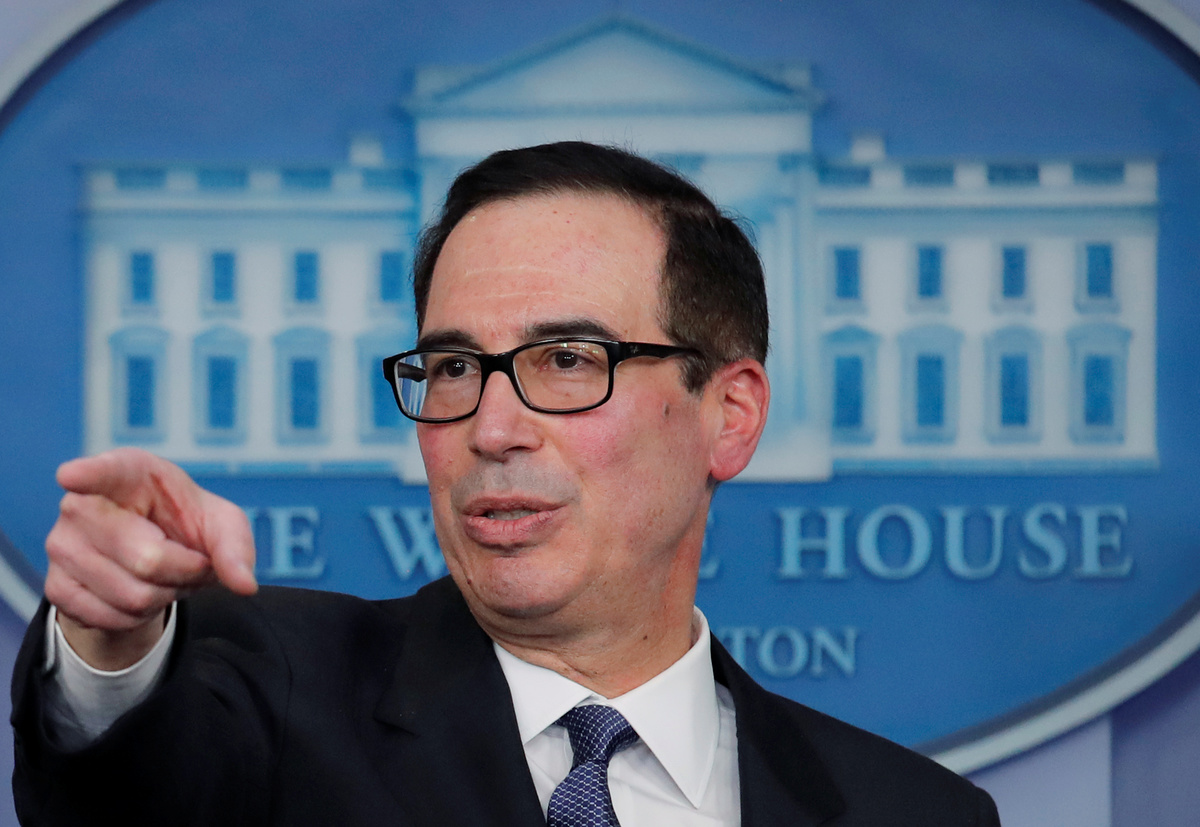
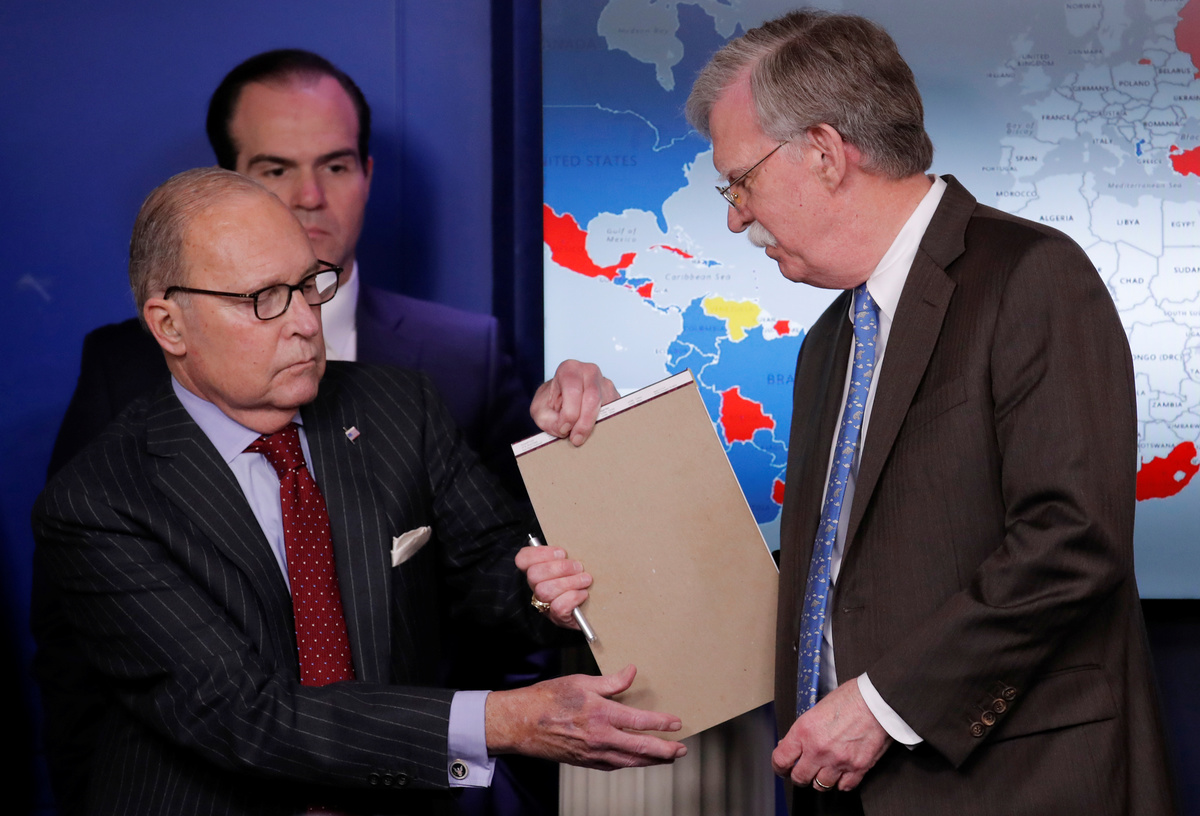
"If the people in Venezuela want to continue to sell us oil, as long as the money goes into blocked accounts we will continue to take it, otherwise will we not be buying it," Treasury Secretary Steven Mnuchin said at a White House briefing.
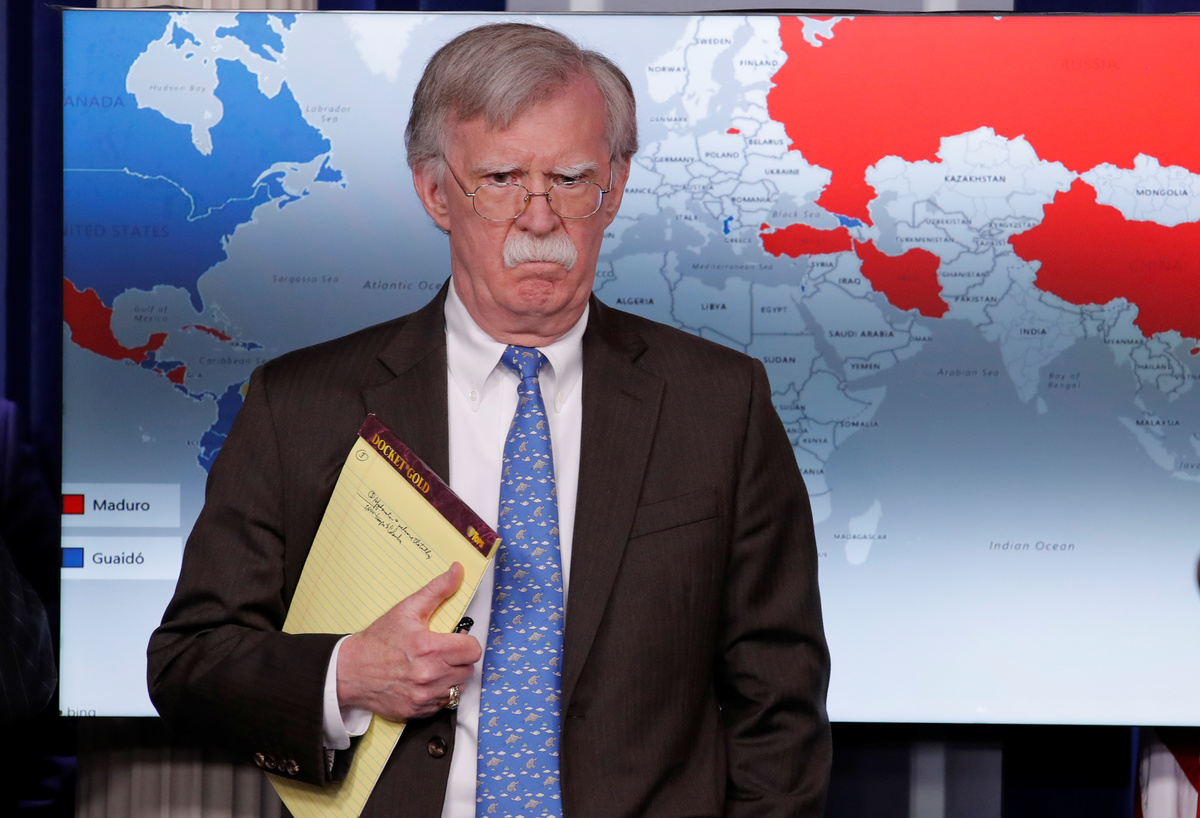
Oil at sea, already paid for, would continue its journey to the United States, he said. White House national security adviser John Bolton said at the briefing the measure would cost Maduro $11 billion in lost export proceeds over the next year and block him from accessing PDVSA assets worth $7 billion.
While there are significant exceptions, such as rules that should allow Citgo to keep using Venezuelan crude in U.S. refineries, the sanctions will likely cause some reordering of global oil flows as Venezuela seeks to sell elsewhere.
Gulf refineries that use Venezuela's heavy crude will have to look for alternatives to replace supplies. Despite a sharp decline in oil exports due largely to mismanagement of the industry and the economic crisis Venezuela remains the fourth-biggest vendor of oil to the United States, supplying some 500,000 barrels per day.
Citgo, Valero Energy Corp and Chevron Corp are the three largest buyers of Venezuelan crude in the United States.
"They are not allowing tankers bound for Valero, Citgo and Chevron to leave Venezuelan ports if not prepaid," a PDVSA source said referring to a decision by the company's trade and supply division.
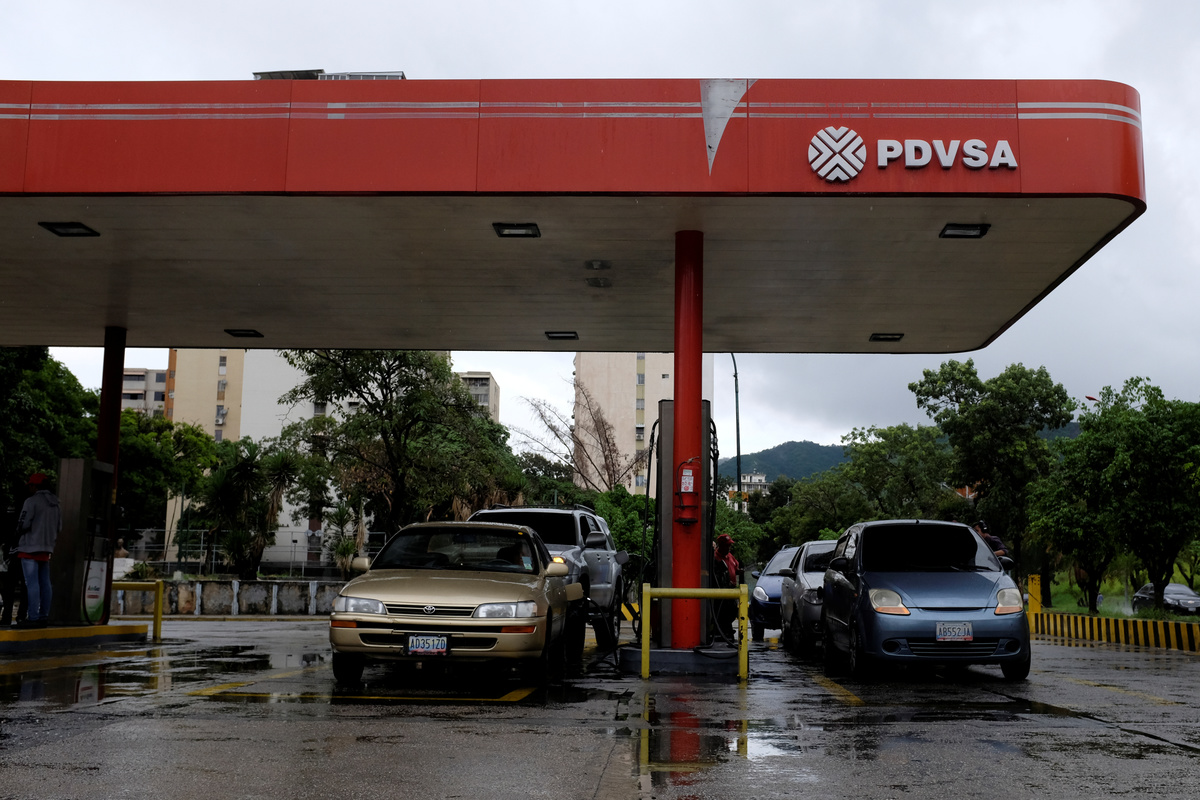
Other exceptions in the sanctions will make it easier for Chevron Corp to keep participating in a joint venture in Venezuela, and allow U.S. entities in Venezuela to keep buying PDVSA gasoline.
VITAL SECTOR
In Moscow, Russian Deputy Finance Minister Sergei Storchak said Venezuela could struggle to service its debt to Moscow.
"There will probably be problems. Everything now depends on the army, on the soldiers and how faithful they will be to their duty and oath. It is difficult, impossible to give a different assessment," he said on Tuesday.
The Kremlin condemned the U.S. sanctions as illegal interference in Venezuela, while Russia's Ministry of Foreign Affairs said they looked like an attempt to confiscate Venezuelan state assets.
The sanctions, contained in an executive order issued by U.S. President Donald Trump, freeze U.S.-based assets of PDVSA, Venezuela's largest source of revenue.
The Trump administration had long held off on targeting Venezuela's vital oil sector for fear that it would hurt U.S. refiners and raise oil prices for Americans. White House officials had also expressed concern about inflicting further hardship on the Venezuelan people.
The latest sanctions appear to seek to build on the momentum mounting in recent weeks against Maduro at home and abroad.
U.S. officials said the sanctions on PDVSA were intended to prevent Maduro's government from siphoning off funds from the oil company to maintain his grip on power.
Mnuchin said oil supplies were sufficient to ensure no significant impact on U.S. gas prices in the short term.
Even though the Venezuelan military has shown no sign of abandoning Maduro, Bolton said: "Our assessment based on numerous contacts on the ground is that the rank and file of the Venezuelan military is acutely aware of the desperate economic conditions in the country and we think they look for ways to support the National Assembly government."
Countries around the world have recognised Guaido, the National Assembly speaker, as Venezuela's rightful leader, and the United States vowed to starve Maduro's administration of oil revenue after he was sworn in on Jan. 10 for a second term that was widely dubbed illegitimate.
Maduro has promised to stay in office, backed by Russia and China, which have bank rolled his government and fought off efforts to have his government disavowed by the United Nations.
Bolton reiterated that Maduro would be held responsible for the safety of U.S. diplomatic personnel in Venezuela as well as Guaido and other opposition figures.
(Reporting by Matt Spetalnick in Washington and Brian Ellsworth in Caracas; Additional reporting by Steve Holland in Washington and Marianna Parraga in Mexico City; Writing by Frank Jack Daniel; Editing by Lisa Shumaker and Peter Cooney)