U.S., Russian, Japanese crew blasts off for space station
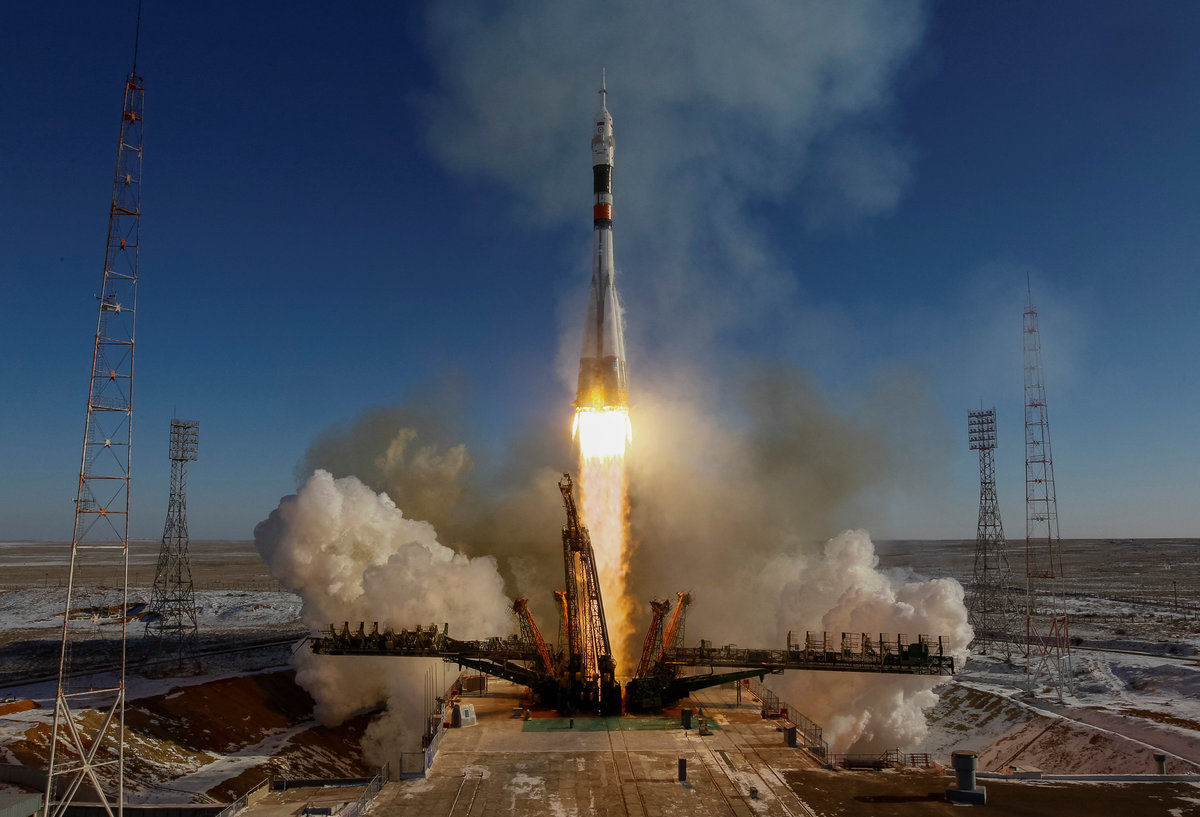
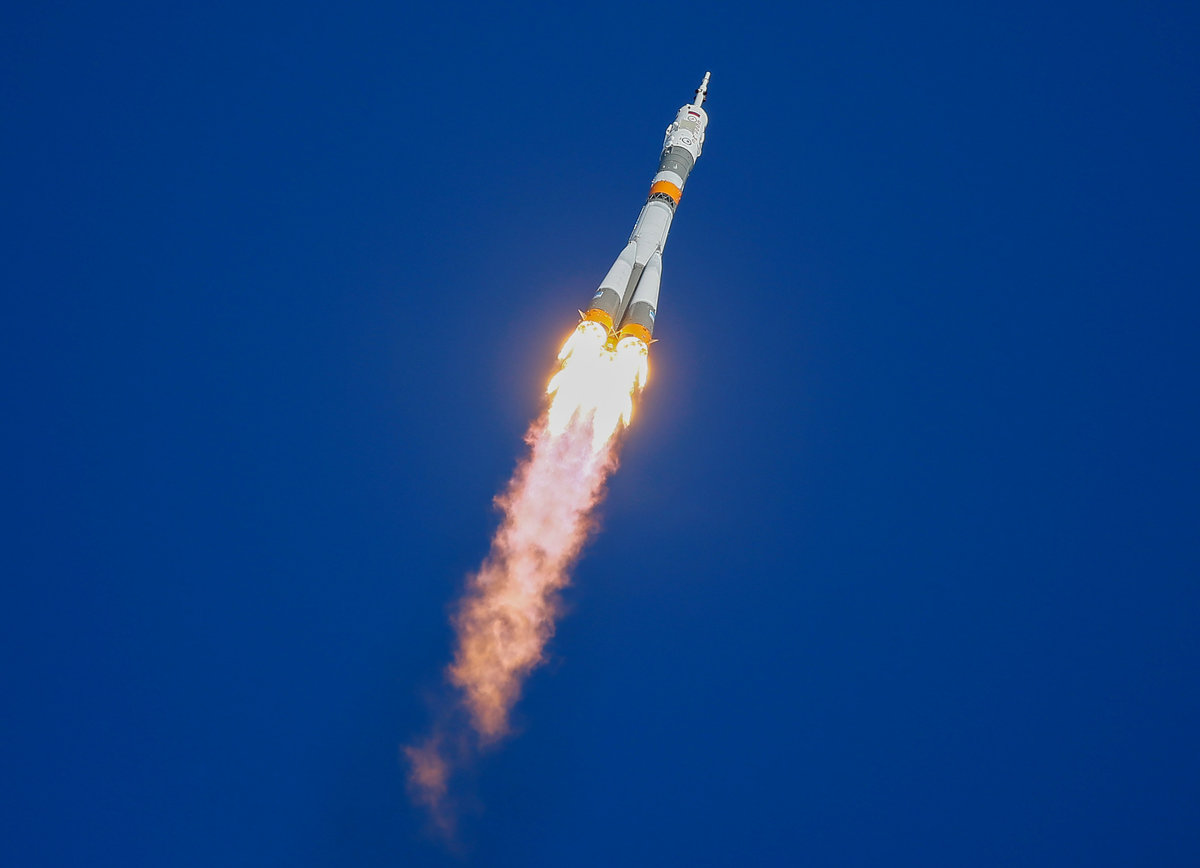
The Soyuz MS-07 spacecraft carrying the crew of Norishige Kanai of Japan, Anton Shkaplerov of Russia and Scott Tingle of the U.S. blasts off to the International Space Station (ISS) from the launchpad at the Baikonur Cosmodrome, Kazakhstan December 17, 2017. REUTERS/Shamil Zhumatov
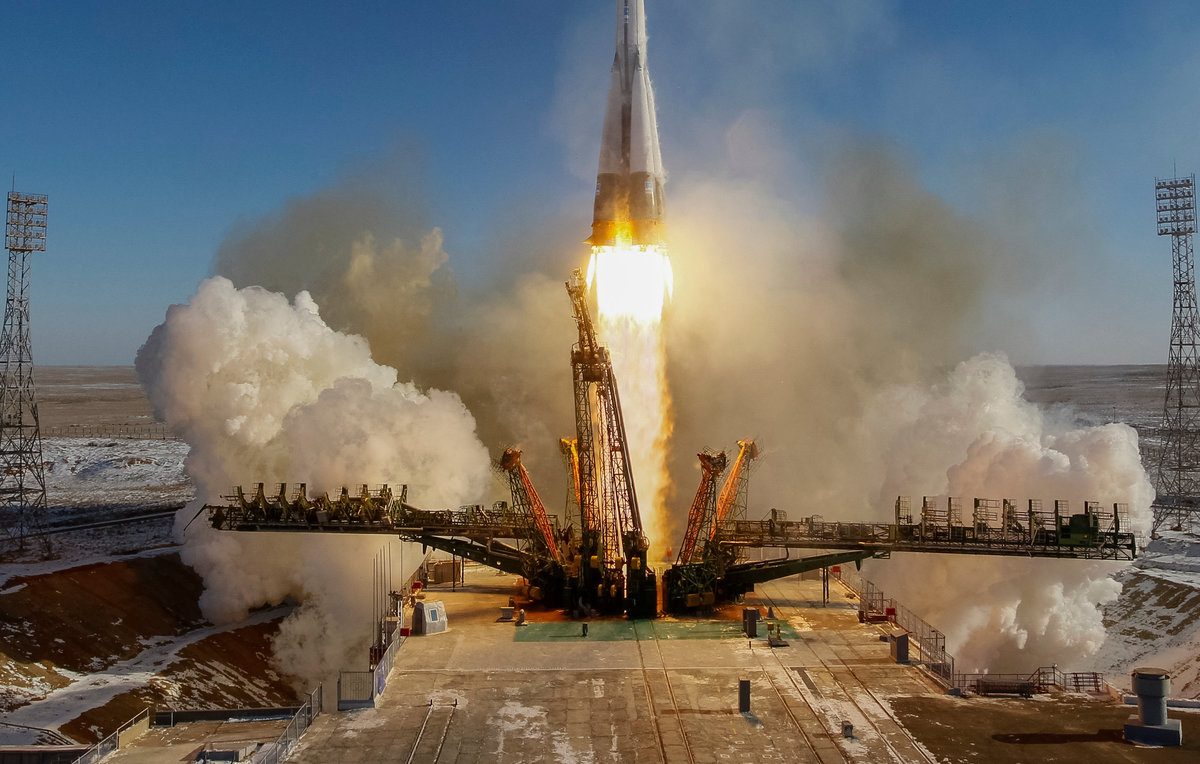
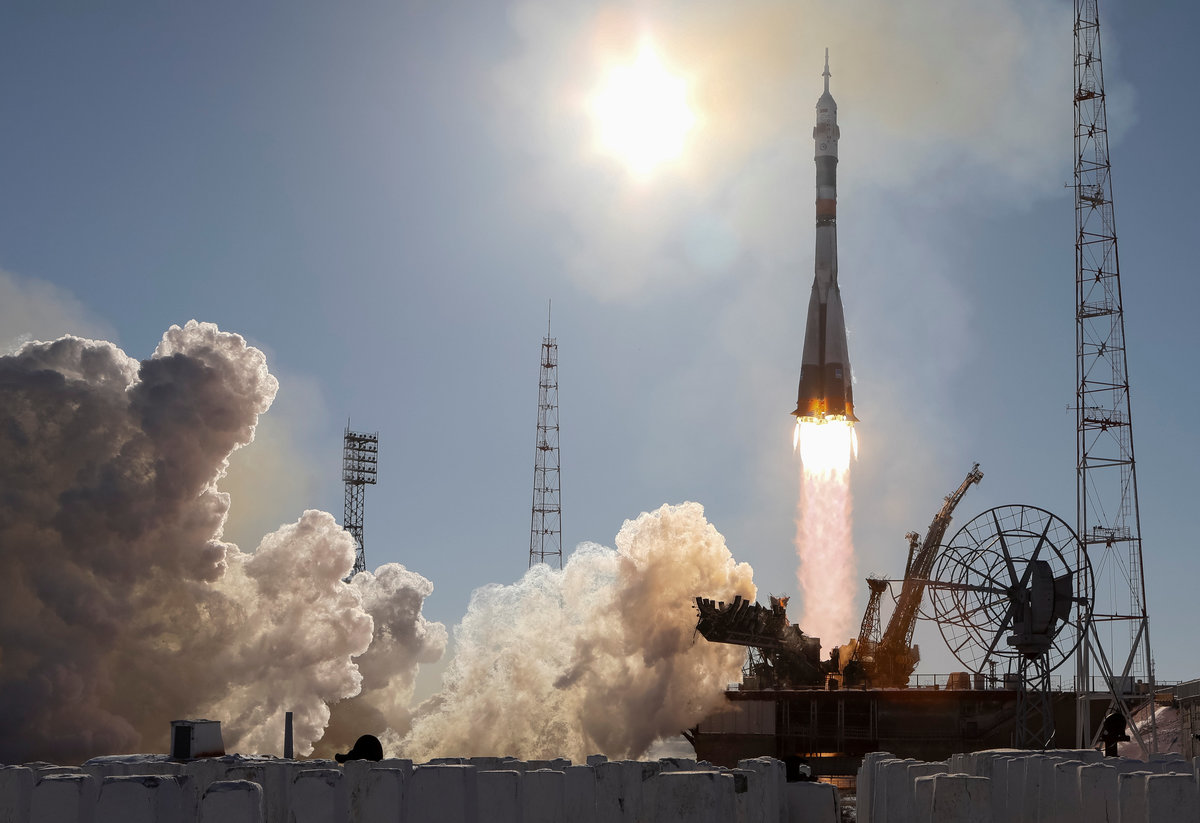
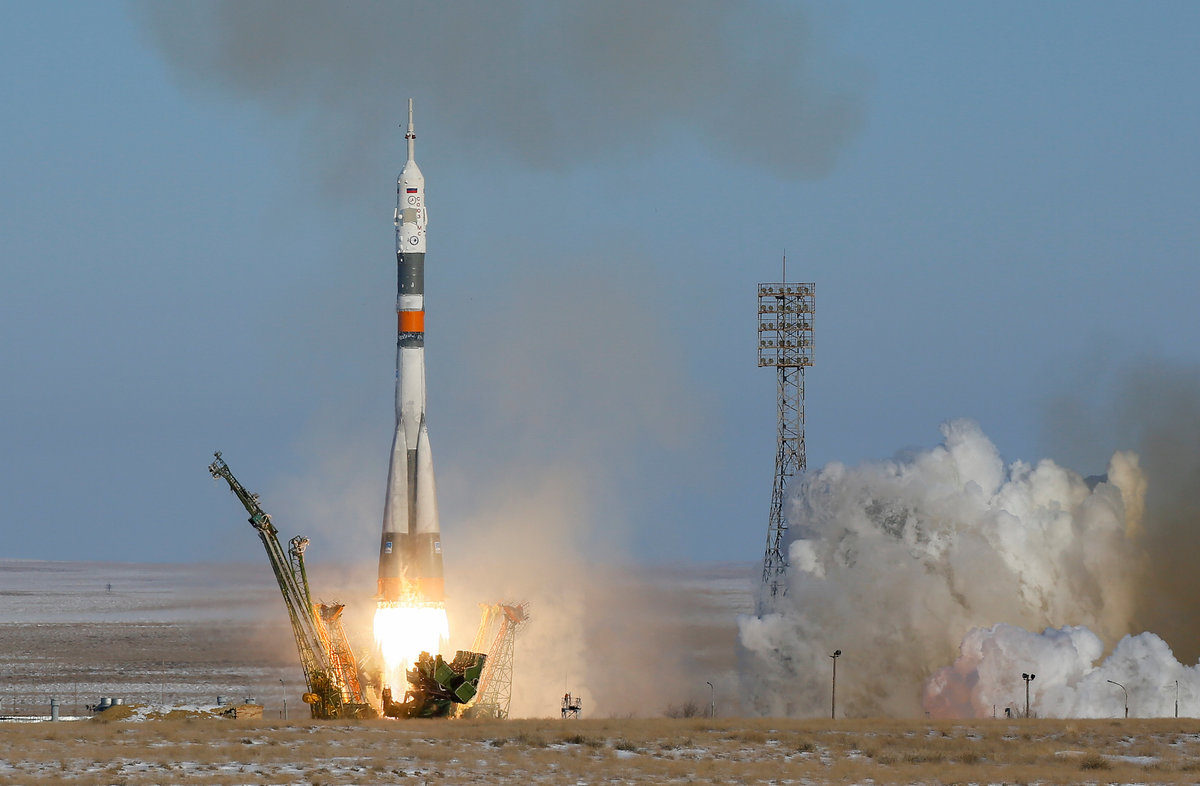
(Reuters) - A trio of U.S. and Japanese astronauts and a Russian cosmonaut blasted off from Kazakhstan on Sunday for a two-day trip to the International Space Station, a NASA TV broadcast showed.
Commander Anton Shkaplerov of Roscosmos and flight engineers Norishige Kanai of Japan Aerospace Exploration Agency and Scott Tingle of NASA lifted off from the Baikonur Cosmodrome at 1:21 p.m. local time (0721 GMT/0221 EST).
The crew will gradually approach the station, which orbits about 250 miles (400 km) above Earth, for two days before docking.
The Soyuz MS-07 spacecraft carrying the crew of Norishige Kanai of Japan, Anton Shkaplerov of Russia and Scott Tingle of the U.S. blasts off to the International Space Station (ISS) from the launchpad at the Baikonur Cosmodrome, Kazakhstan December 17, 2017. REUTERS/Shamil Zhumatov
Shkaplerov, Kanai and Tingle will join Alexander Misurkin of Roscosmos and Mark Vande Hei and Joe Acaba of NASA, who have been aboard the orbital outpost since September.
Onboard cameras showed crew members making thumbs-up gestures after the blast-off. Also visible was a stuffed dog toy chosen by Shkaplerov's daughter to be the spacecraft's zero-gravity indicator.
Soyuz was safely in orbit about 10 minutes after the launch.
The Soyuz MS-07 spacecraft carrying the crew of Norishige Kanai of Japan, Anton Shkaplerov of Russia and Scott Tingle of the U.S. blasts off to the International Space Station (ISS) from the launchpad at the Baikonur Cosmodrome, Kazakhstan December 17, 2017. REUTERS/Shamil Zhumatov
(Reporting by Olzhas Auyezov, editing by Larry King)
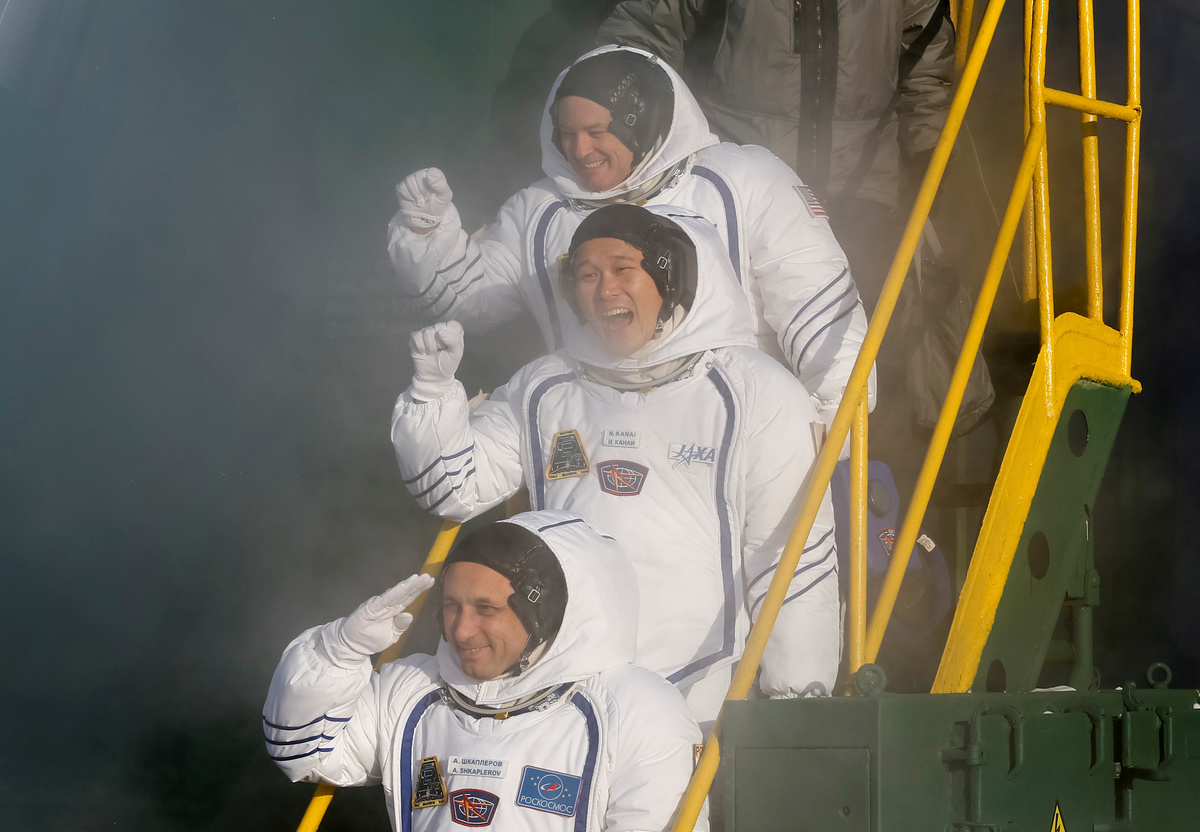
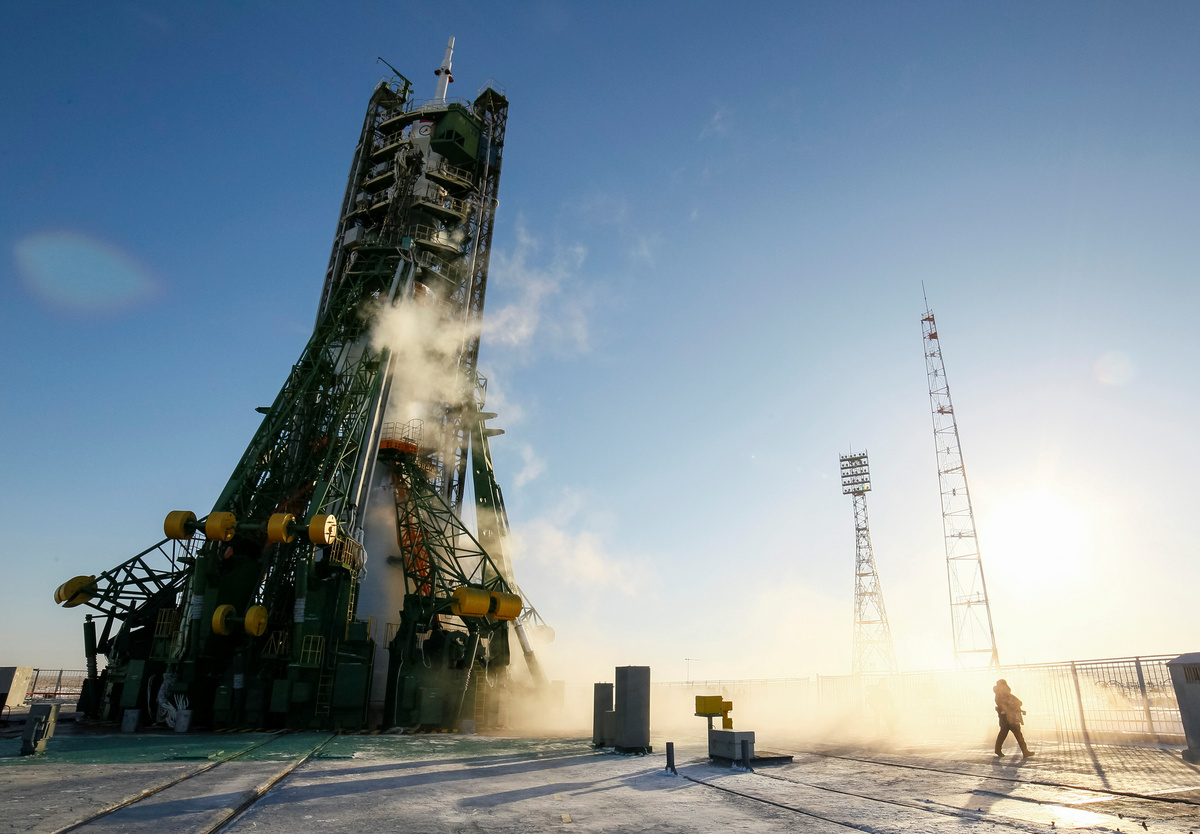
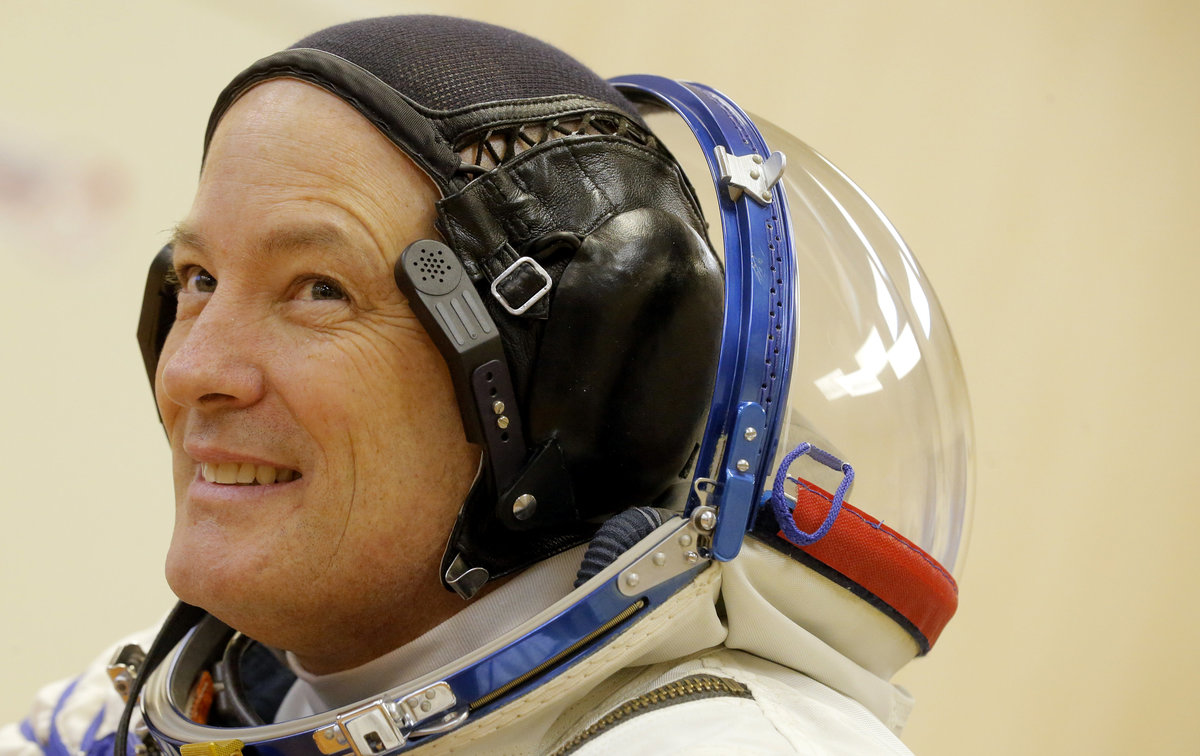
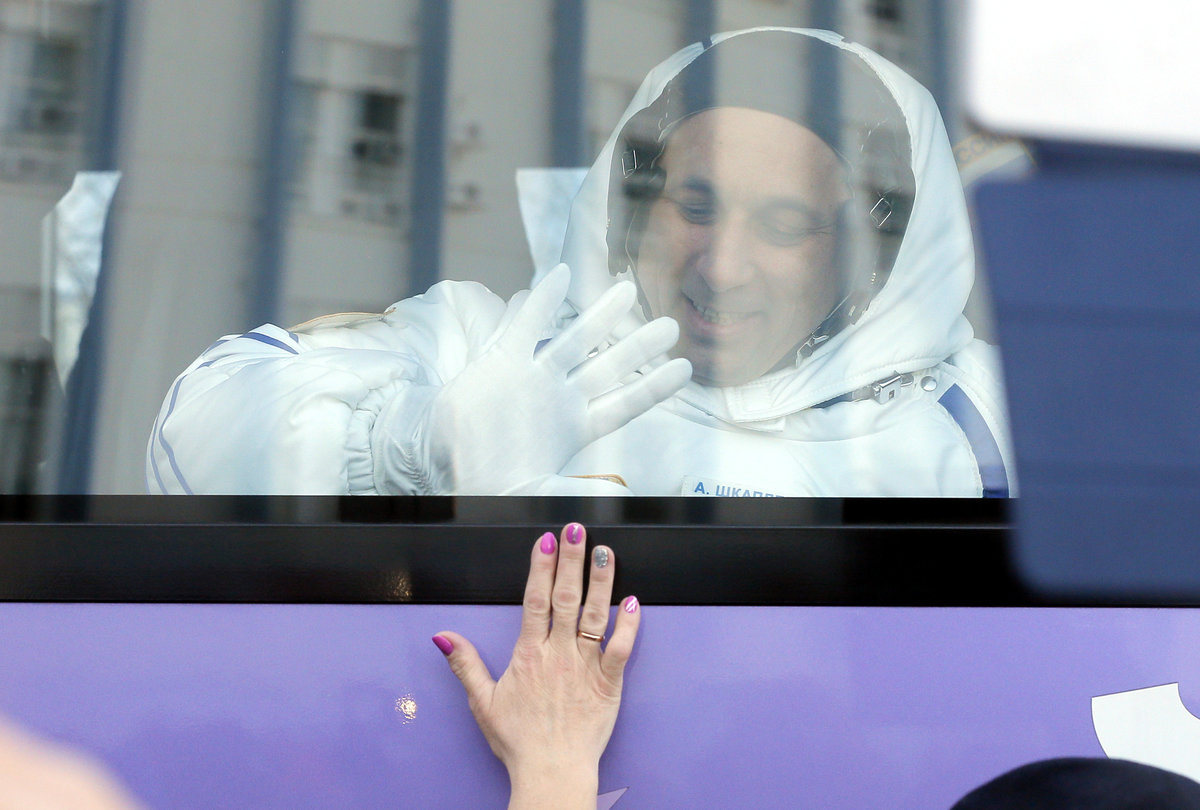
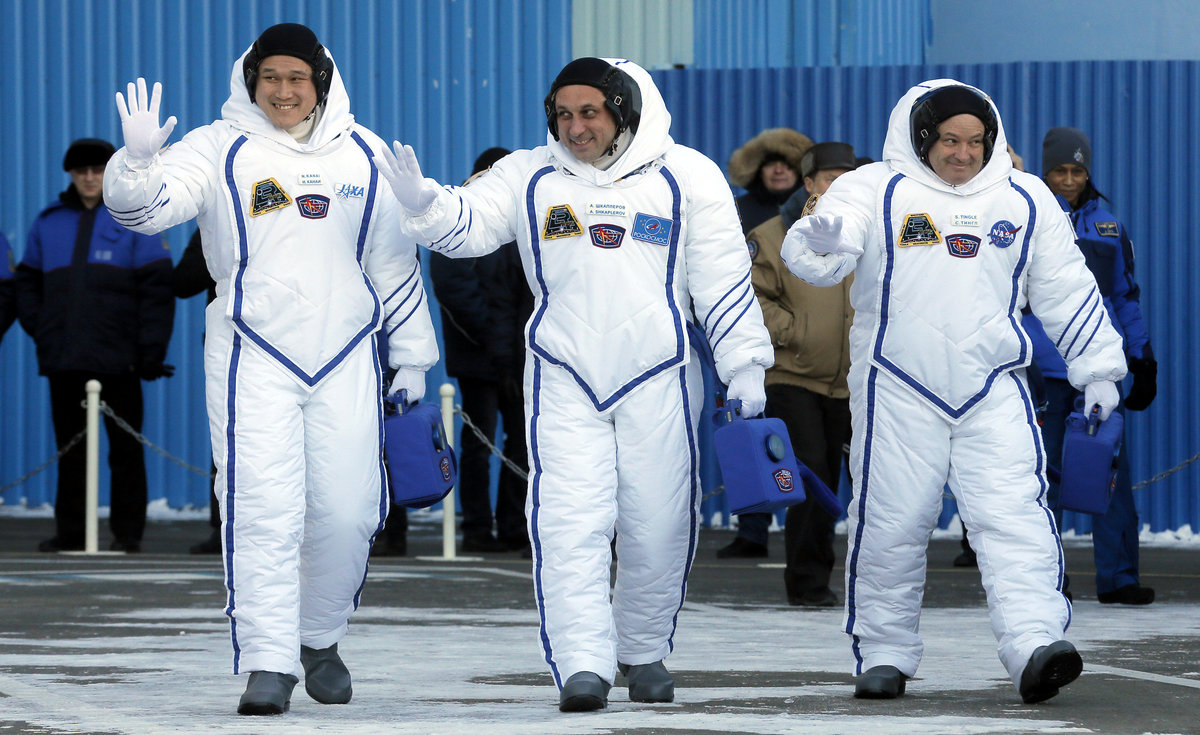
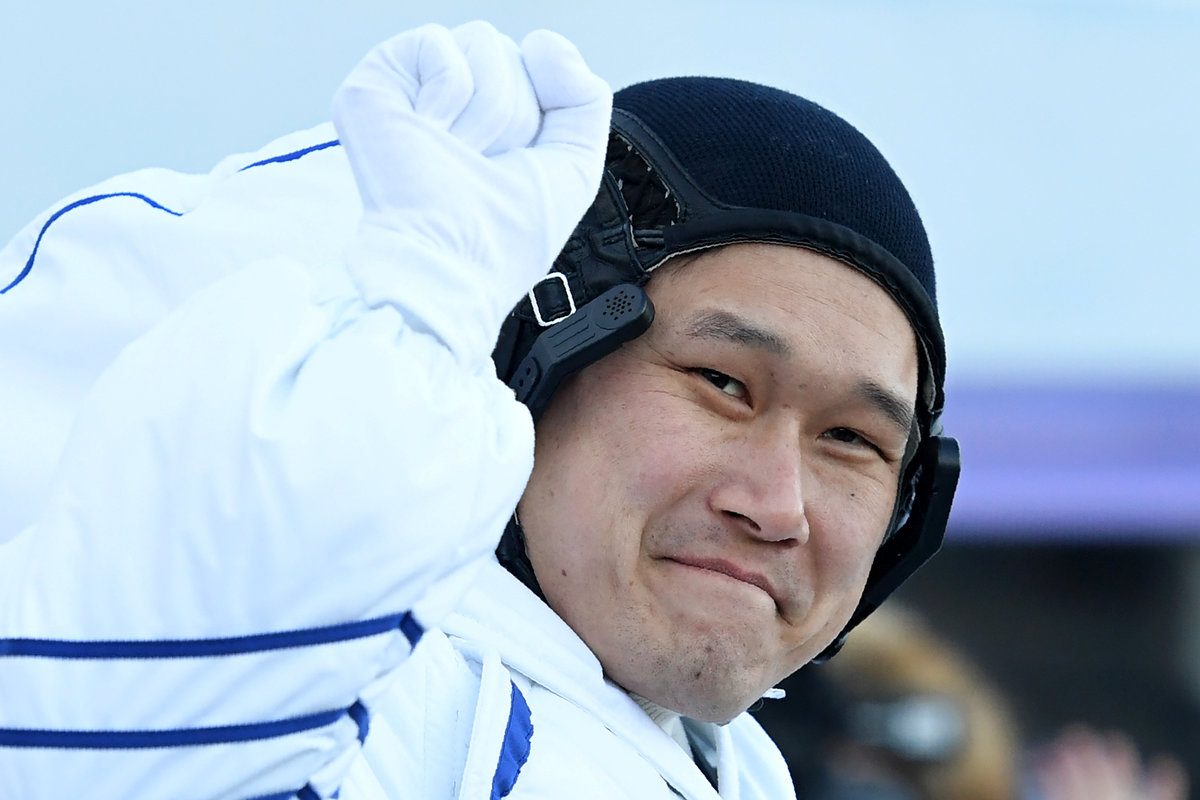
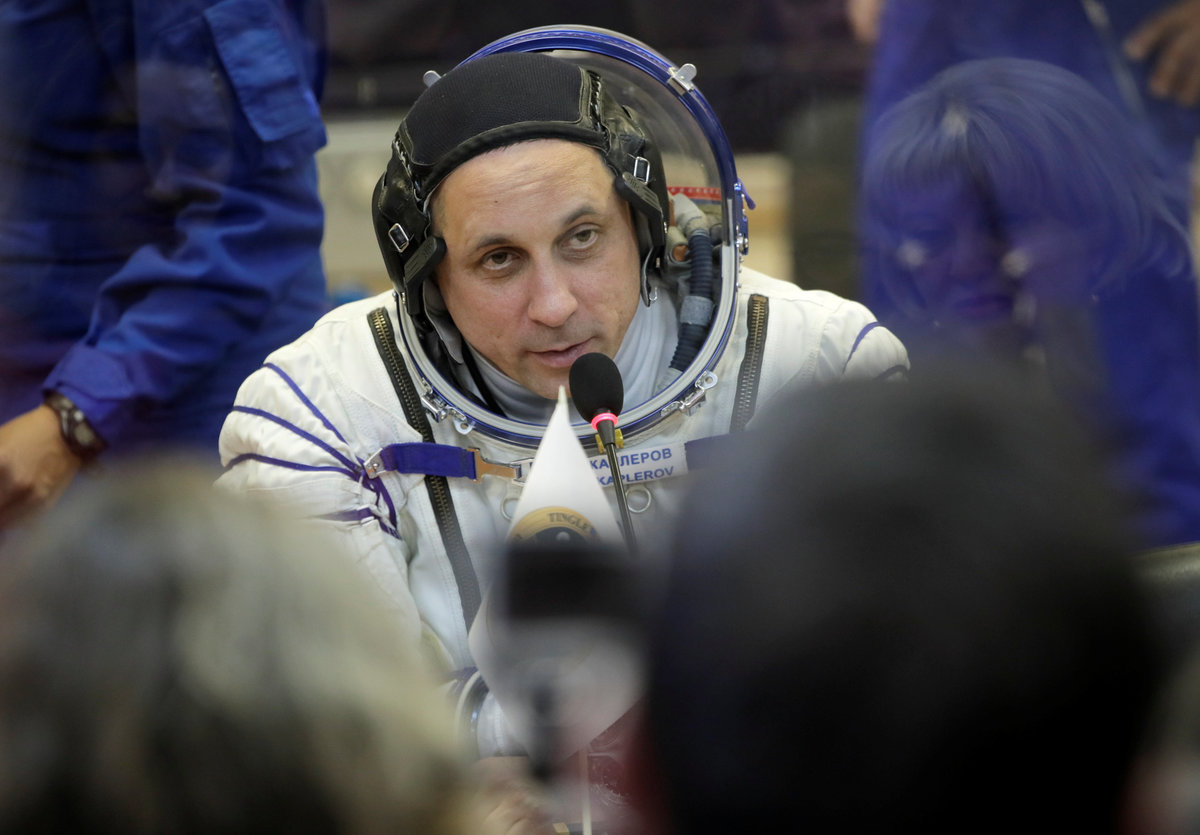
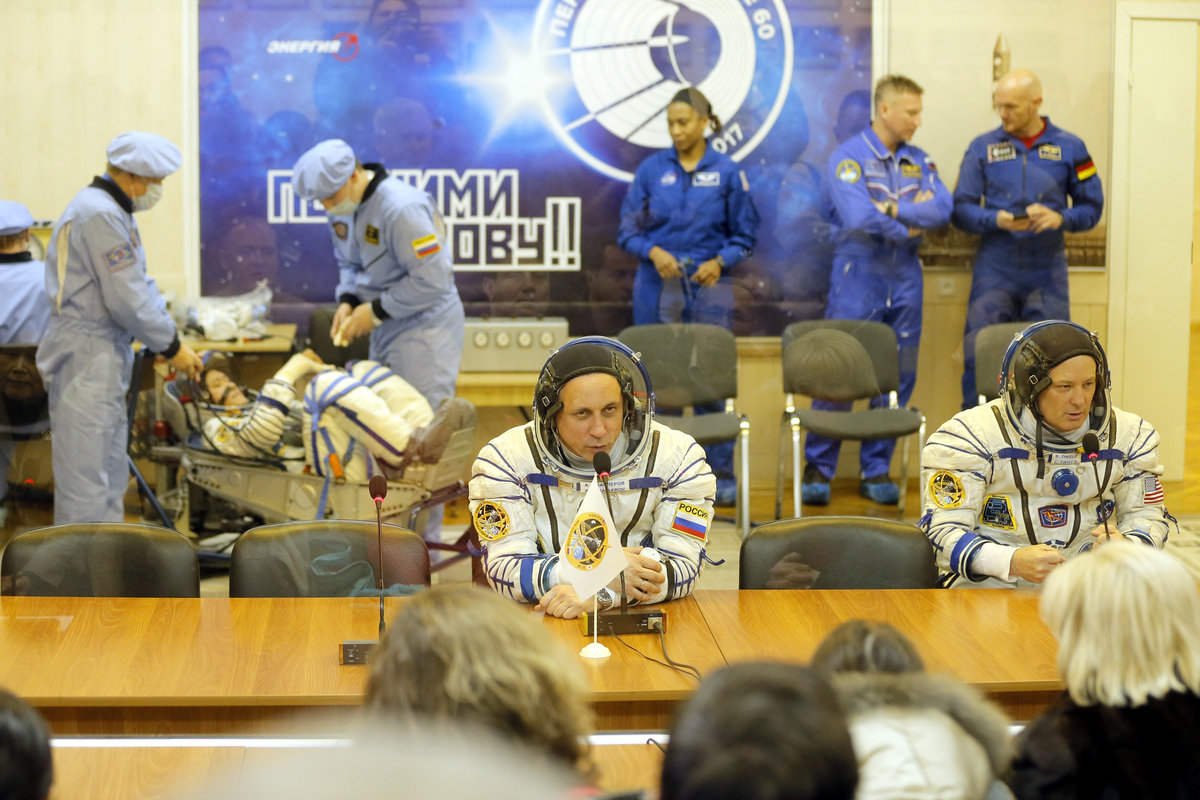
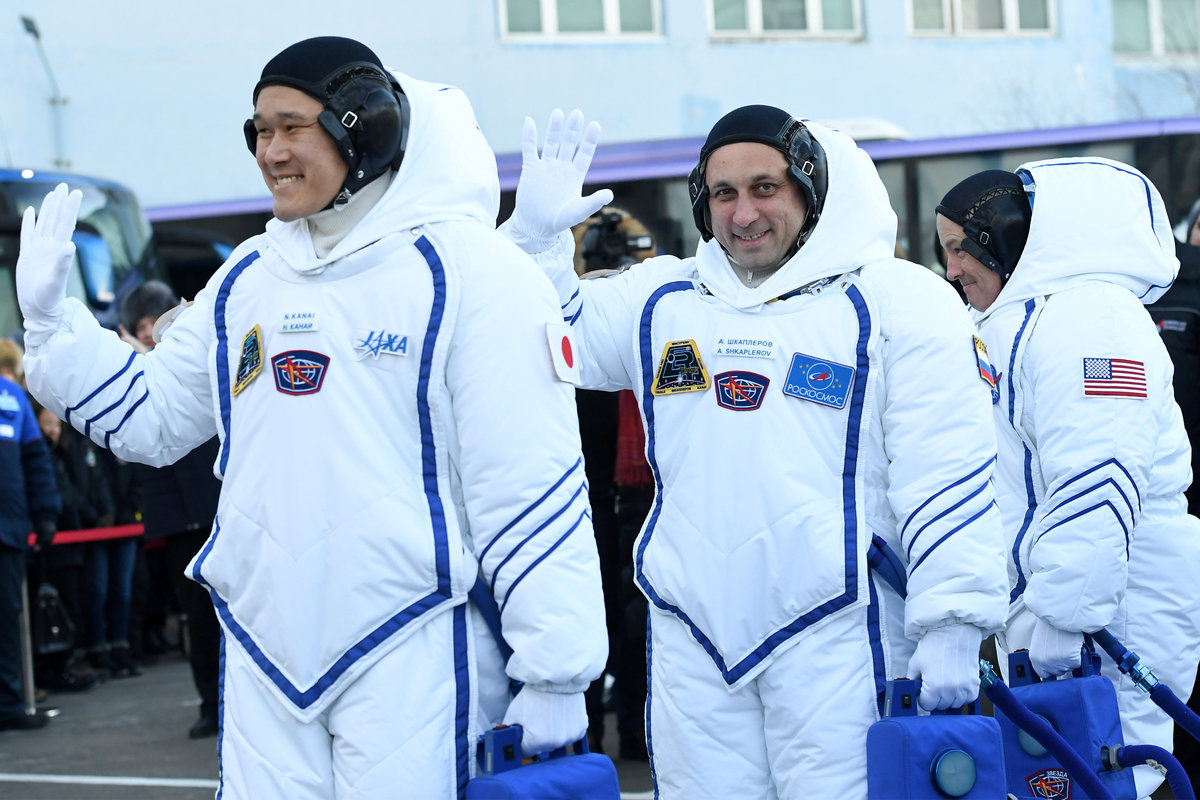
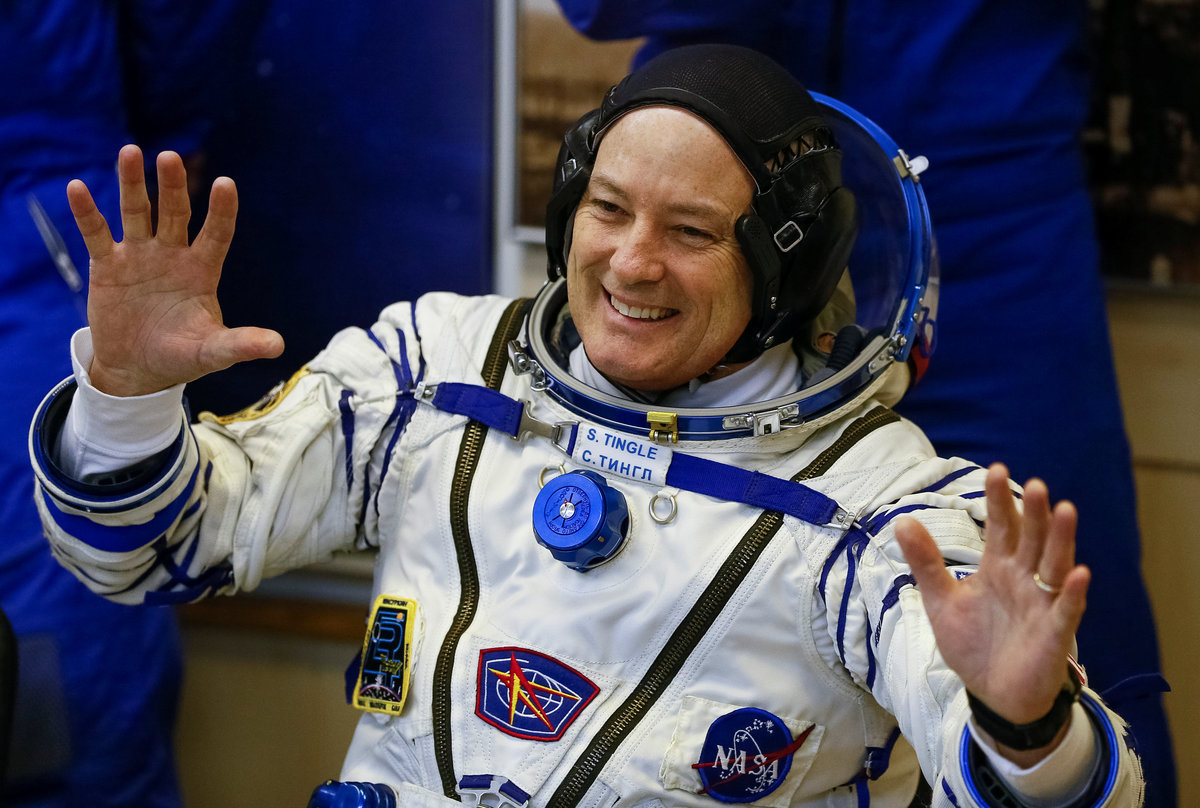
The Soyuz MS-07 spacecraft carrying the crew of Norishige Kanai of Japan, Anton Shkaplerov of Russia and Scott Tingle of the U.S. blasts off to the International Space Station (ISS) from the launchpad at the Baikonur Cosmodrome, Kazakhstan December 17, 2017. REUTERS/Shamil ZhumatovThe International Space Station (ISS) crew members Norishige Kanai of Japan (C), Anton Shkaplerov of Russia (bottom) and Scott Tingle of the U.S. board the Soyuz MS-07 spacecraft for its launch at Baikonur Cosmodrome, Kazakhstan December 17, 2017. REUTERS//Shamil Zhumatov The Soyuz MS-07 spacecraft rests on its launchpad shortly before the blast off with International Space Station (ISS) crew members Norishige Kanai of Japan, Anton Shkaplerov of Russia and Scott Tingle of the U.S. at Baikonur Cosmodrome, Kazakhstan December 17, 2017. REUTERS//Shamil ZhumatovThe Soyuz MS-07 spacecraft carrying the crew of Norishige Kanai of Japan, Anton Shkaplerov of Russia and Scott Tingle of the U.S. blasts off to the International Space Station (ISS) from the launchpad at the Baikonur Cosmodrome, Kazakhstan December 17, 2017. REUTERS/Shamil ZhumatovMember of the International Space Station expedition 54/55, NASA astronaut Scott Tingle during test their space suits before the launch of the Soyuz MS-07 spacecraft at the Baikonur cosmodrome, in Kazakhstan, 17 December 2017. REUTERS/Maxim Shipenkov/PoolMember of the International Space Station expedition 54/55, Roscosmos cosmonaut Anton Shkaplerov during the send-off ceremony after checking their space suits before the launch of the Soyuz MS-07 spacecraft at the Baikonur cosmodrome, in Kazakhstan, 17 December 2017. REUTERS//Maxim Shipenkov/PoolMembers of the International Space Station expedition 54/55, Roscosmos cosmonaut Anton Shkaplerov (C), NASA astronaut Scott Tingle (R) and Norishige Kanai (L) of the Japan Aerospace Exploration Agency (JAXA) during the send-off ceremony after checking their space suits before the launch of the Soyuz MS-07 spacecraft at the Baikonur cosmodrome, in Kazakhstan, 17 December 2017. REUTERS//Maxim Shipenkov/PoolMember of the International Space Station expedition 54/55, Norishige Kanai of the Japan Aerospace Exploration Agency (JAXA) during the send-off ceremony after checking their space suits before the launch of the Soyuz MS-07 spacecraft at the Baikonur cosmodrome, in Kazakhstan, 17 December 2017. REUTERS/Kirill Kudryavtsev/PoolRussian cosmonaut Anton Shkaplerov, crew member of the mission to the International Space Station, ISS, speaks with his relatives prior the launch of Soyuz-FG rocket at the Russian leased Baikonur cosmodrome, Kazakhstan, Sunday, Dec. 17, 2017. REUTERS/Dmitri Lovetsky/PoolMembers of the International Space Station expedition 54/55, Roscosmos cosmonaut Anton Shkaplerov (C), NASA astronaut Scott Tingle (R) and Norishige Kanai (L) of the Japan Aerospace Exploration Agency (JAXA) during test their space suits before the launch of the Soyuz MS-07 spacecraft at the Baikonur cosmodrome, in Kazakhstan, 17 December 2017. REUTERS/Maxim Shipenkov/PoolMembers of the International Space Station expedition 54/55, Roscosmos cosmonaut Anton Shkaplerov (C), NASA astronaut Scott Tingle (R) and Norishige Kanai (L) of the Japan Aerospace Exploration Agency (JAXA) during the send-off ceremony after checking their space suits before the launch of the Soyuz MS-07 spacecraft at the Baikonur cosmodrome, in Kazakhstan, 17 December 2017. REUTERS/Kirill Kudryavtsev/PoolThe International Space Station (ISS) crew member Scott Tingle of the U.S. waves during his space suit check shortly before his launch at the Baikonur Cosmodrome, Kazakhstan December 17, 2017. REUTERS/Shamil Zhumatov
Sign up to read this article
Read news from 100’s of titles, curated specifically for you.