U.S., Russian crew transfer to space station after Soyuz flight
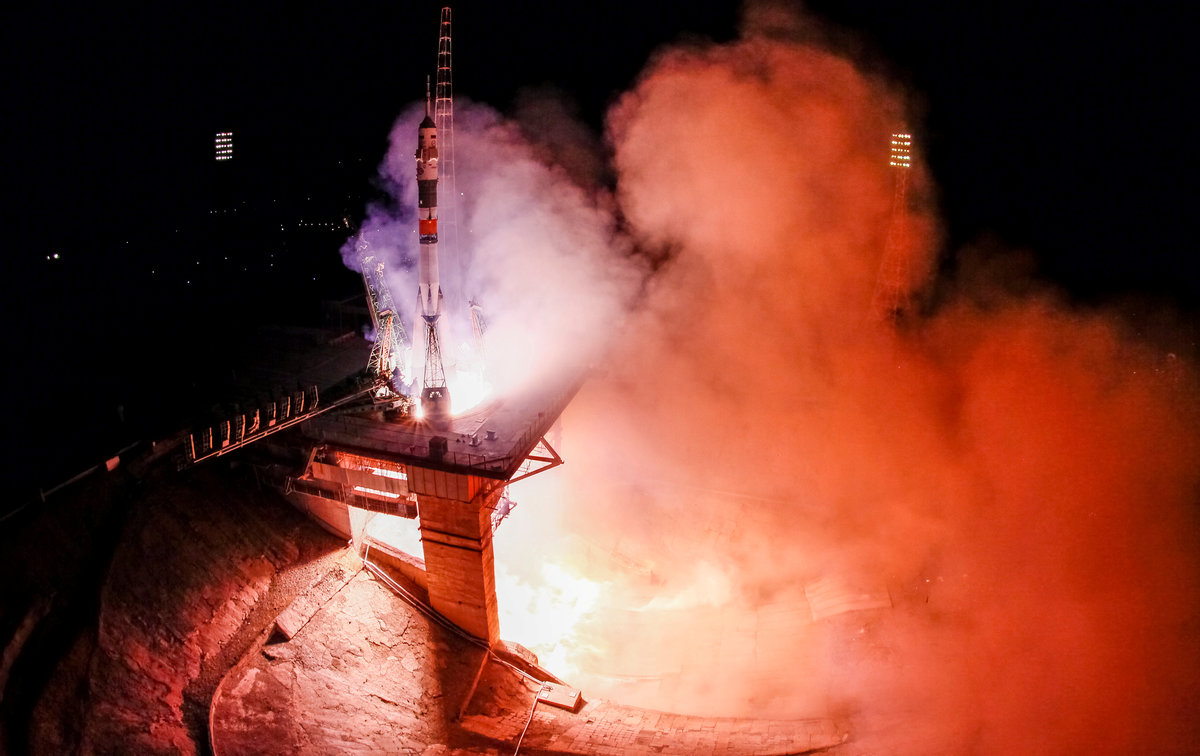
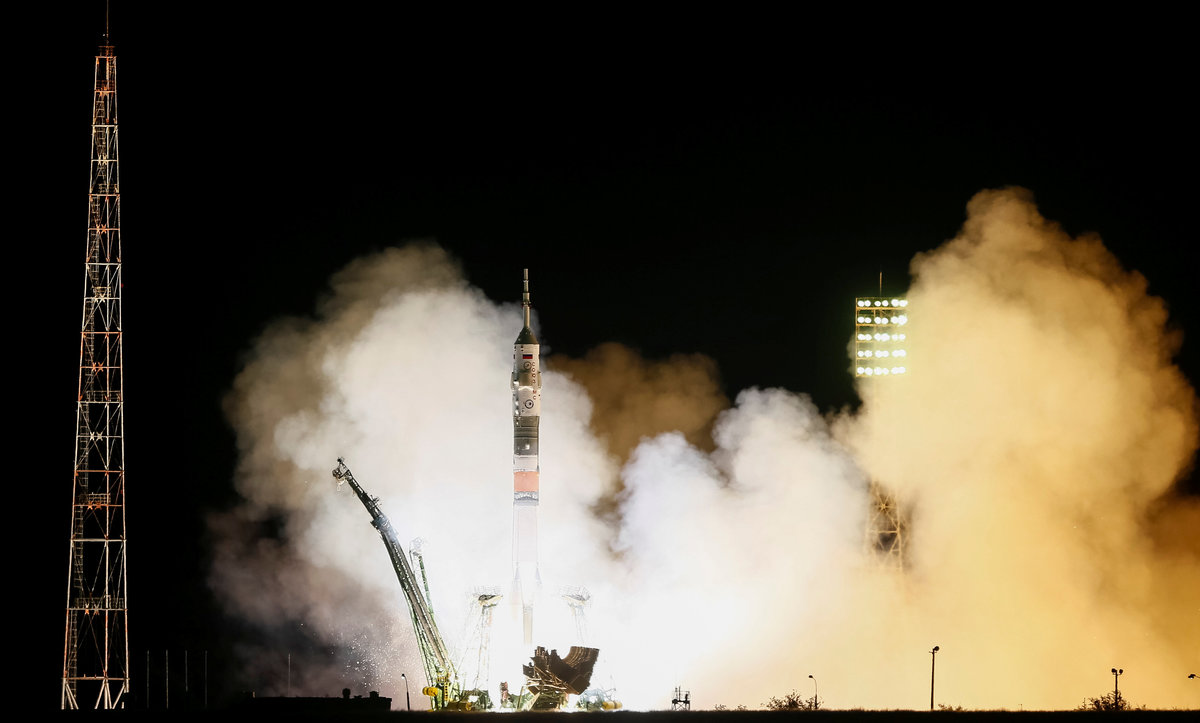
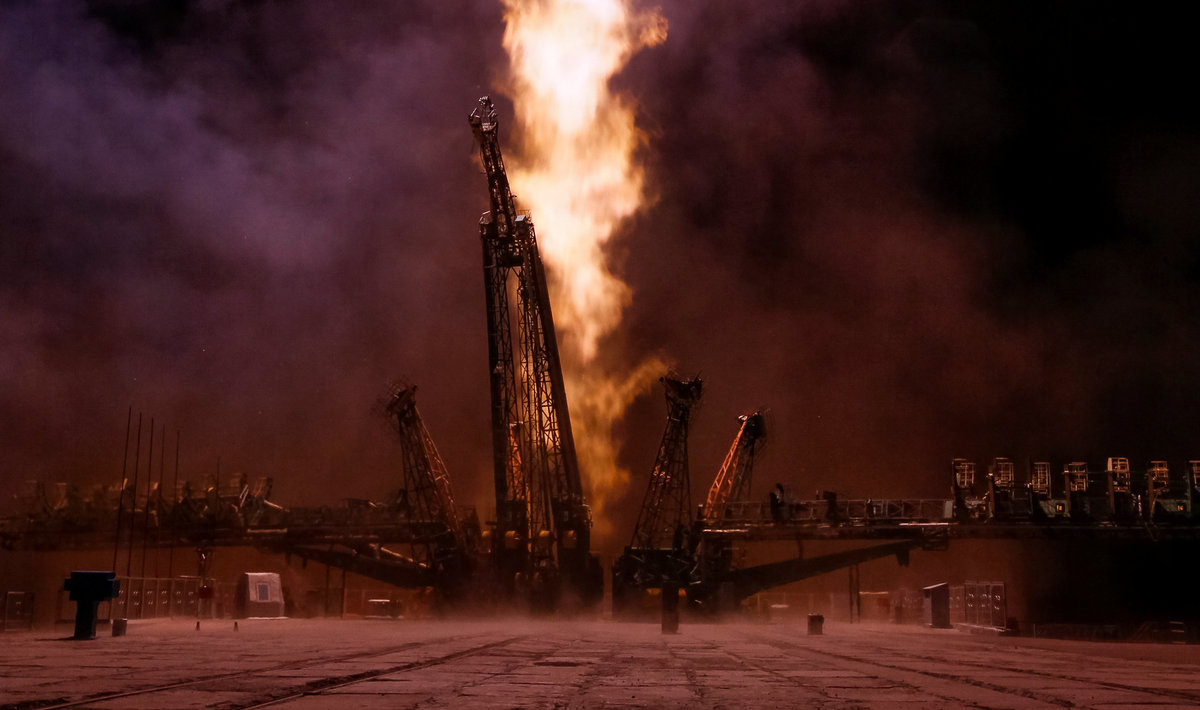
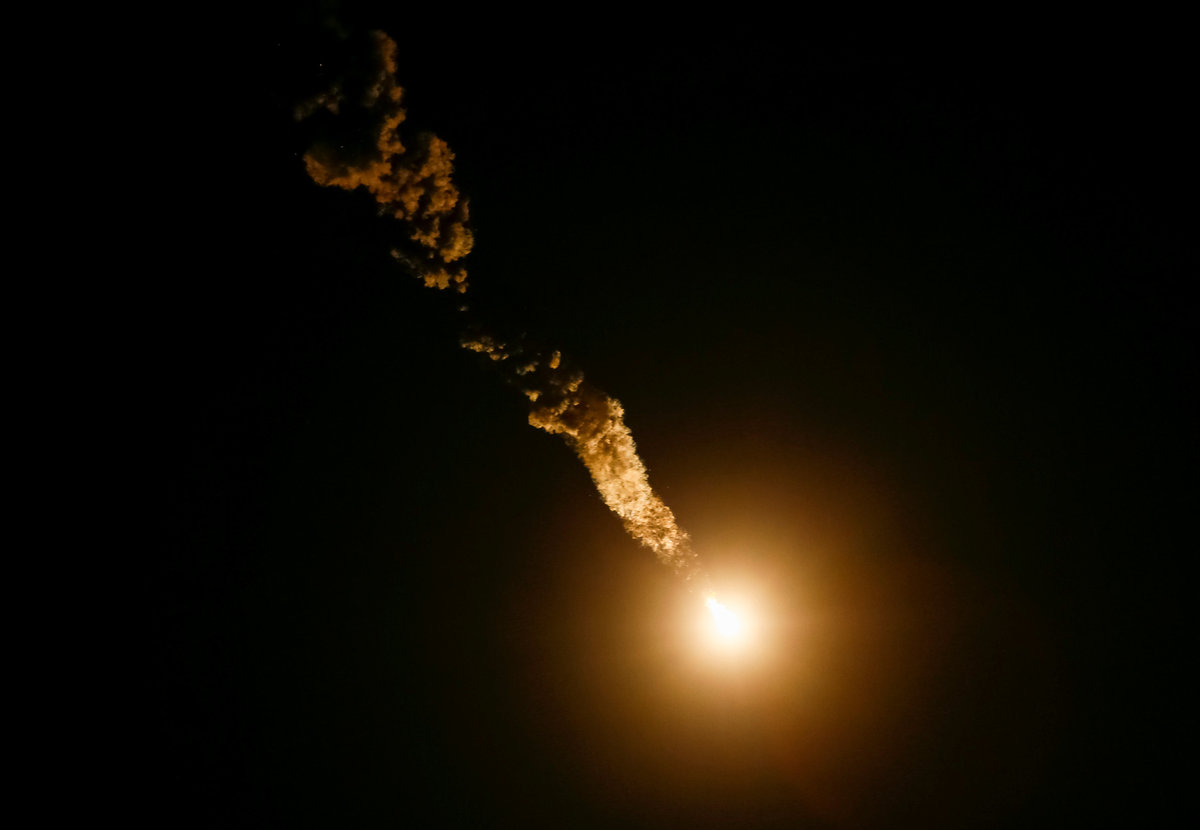
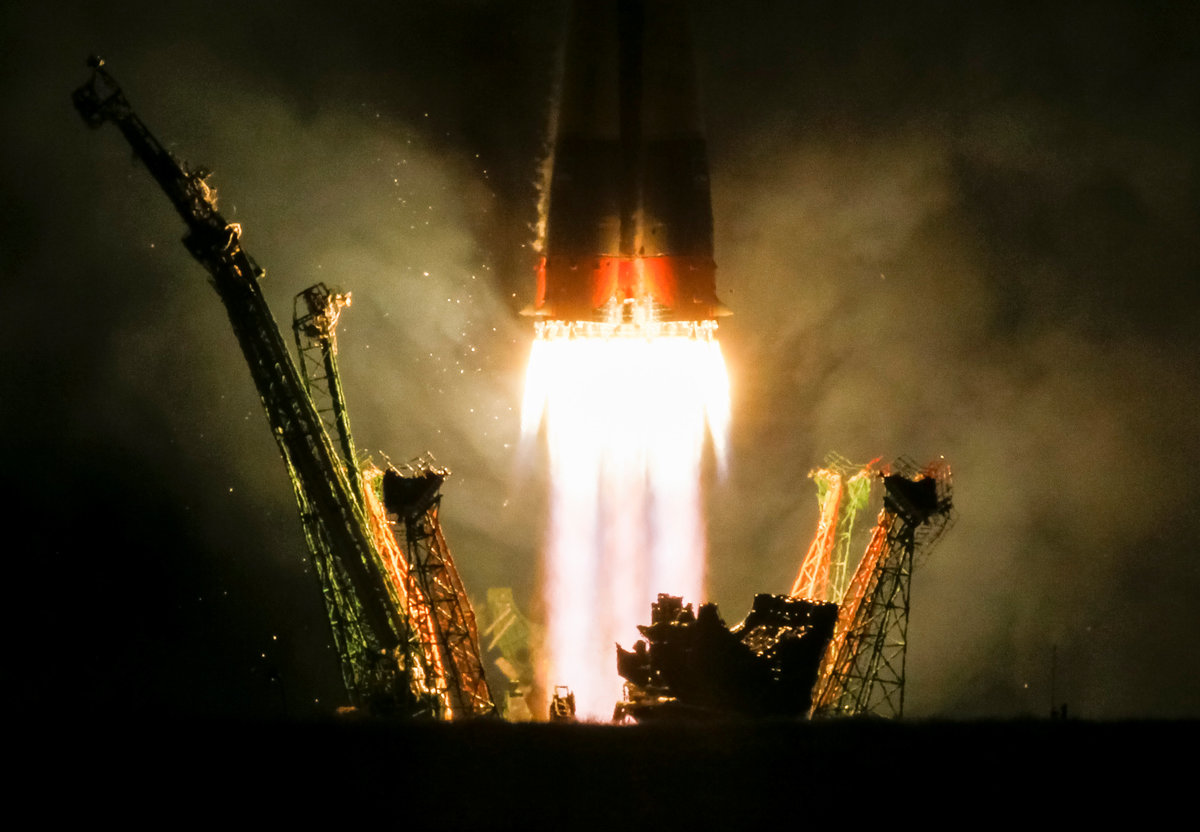
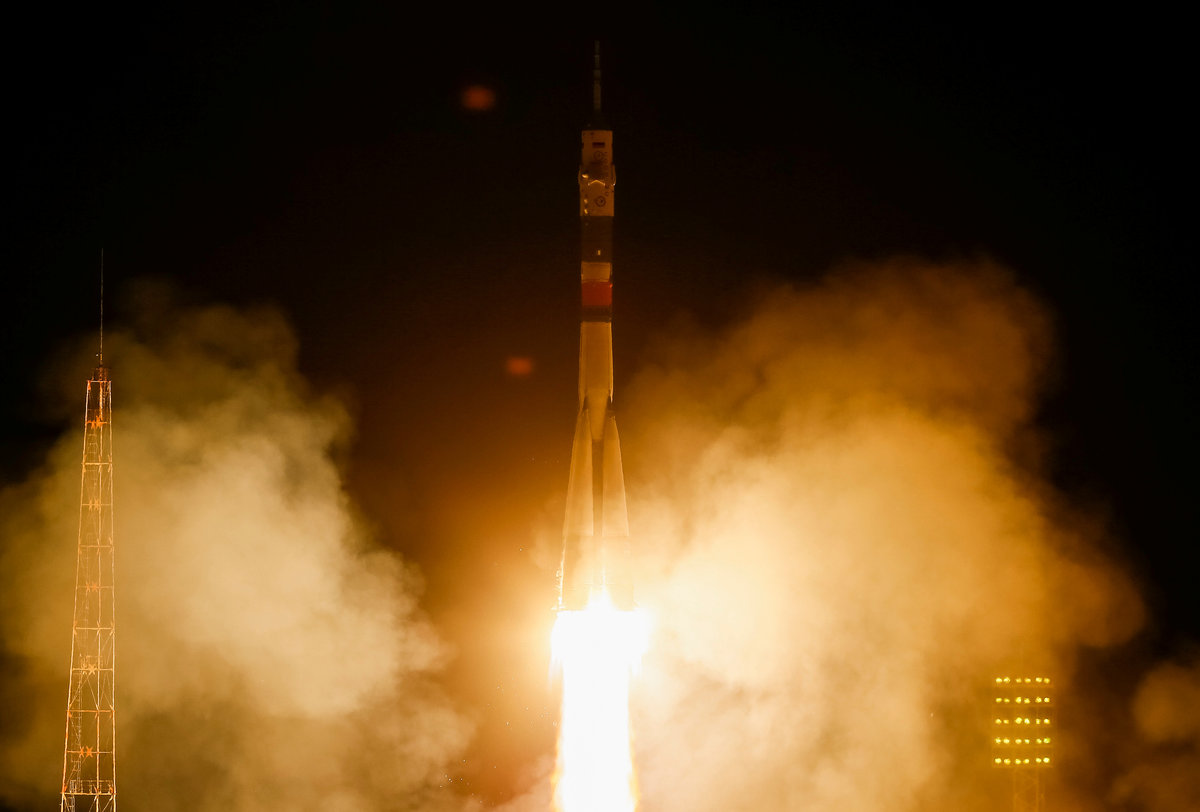
The Soyuz MS-06 spacecraft carrying the crew of Joe Acaba and Mark Vande Hei of the U.S., and Alexander Misurkin of Russia blasts off to the International Space Station (ISS) from the launchpad at the Baikonur Cosmodrome, Kazakhstan September 13, 2017. REUTERS/Shamil Zhumatov
BAIKONUR COSMODROME, Kazakhstan (Reuters) - Two U.S. astronauts and a Russian cosmonaut arrived at the International Space Station on Wednesday, about six hours after their Soyuz spacecraft blasted off from Kazakhstan, a NASA TV broadcast showed.
Commander Alexander Misurkin of Roscosmos and flight engineers Mark Vande Hei and Joe Acaba of NASA lifted off from the Baikonur Cosmodrome at 3:17 a.m. local time on Wednesday (2117 GMT/1717 EDT on Tuesday). Their spacecraft docked at 8:55 a.m..
The crew successfully performed a fast-track transit to the station, which orbits about 250 miles (400 km) above Earth, to begin a five-month mission. Failure would have forced the spacecraft to take a two-day route for another attempt at docking.
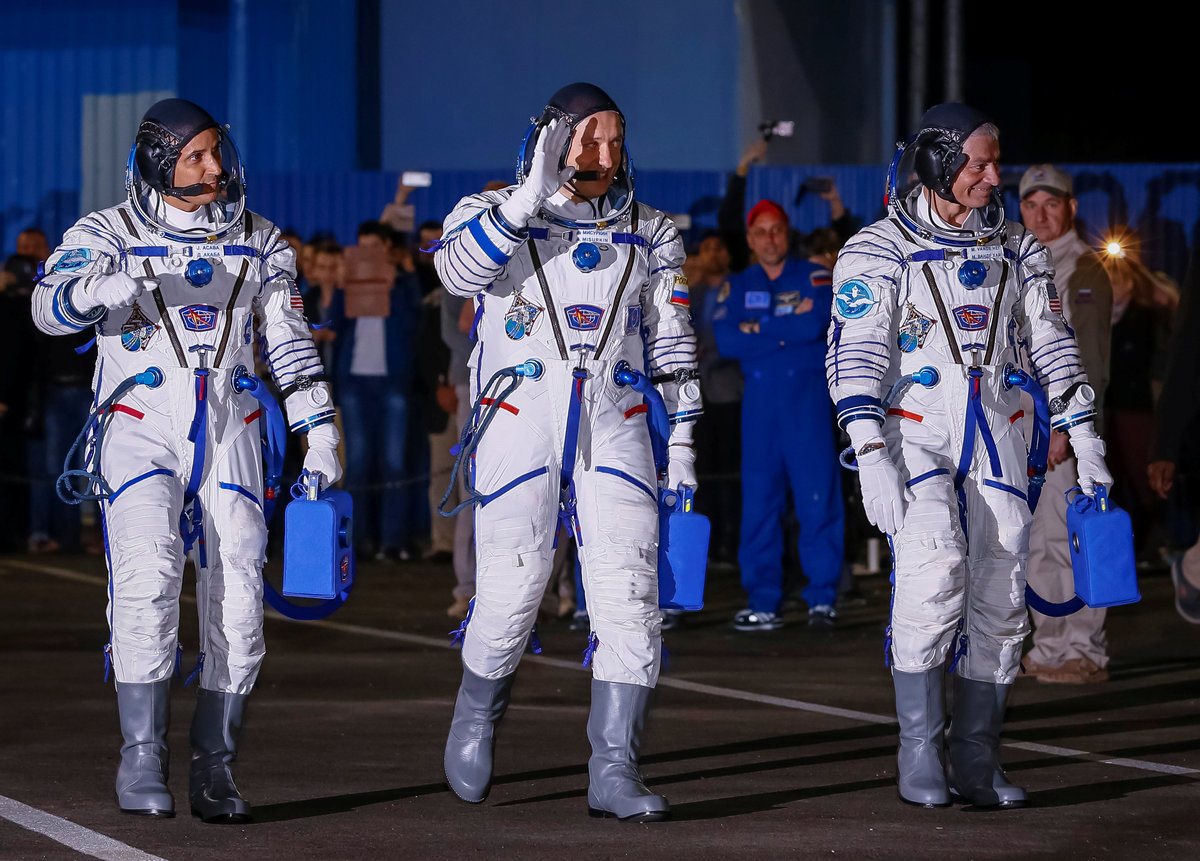
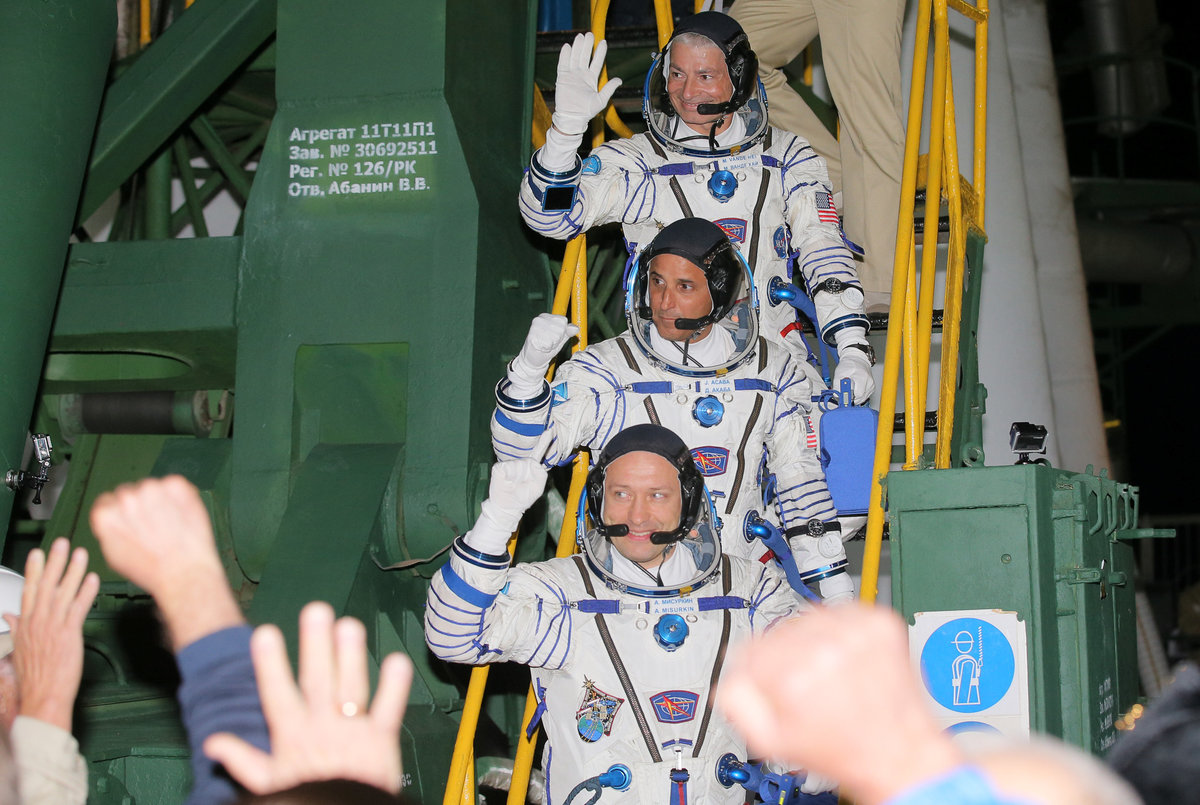
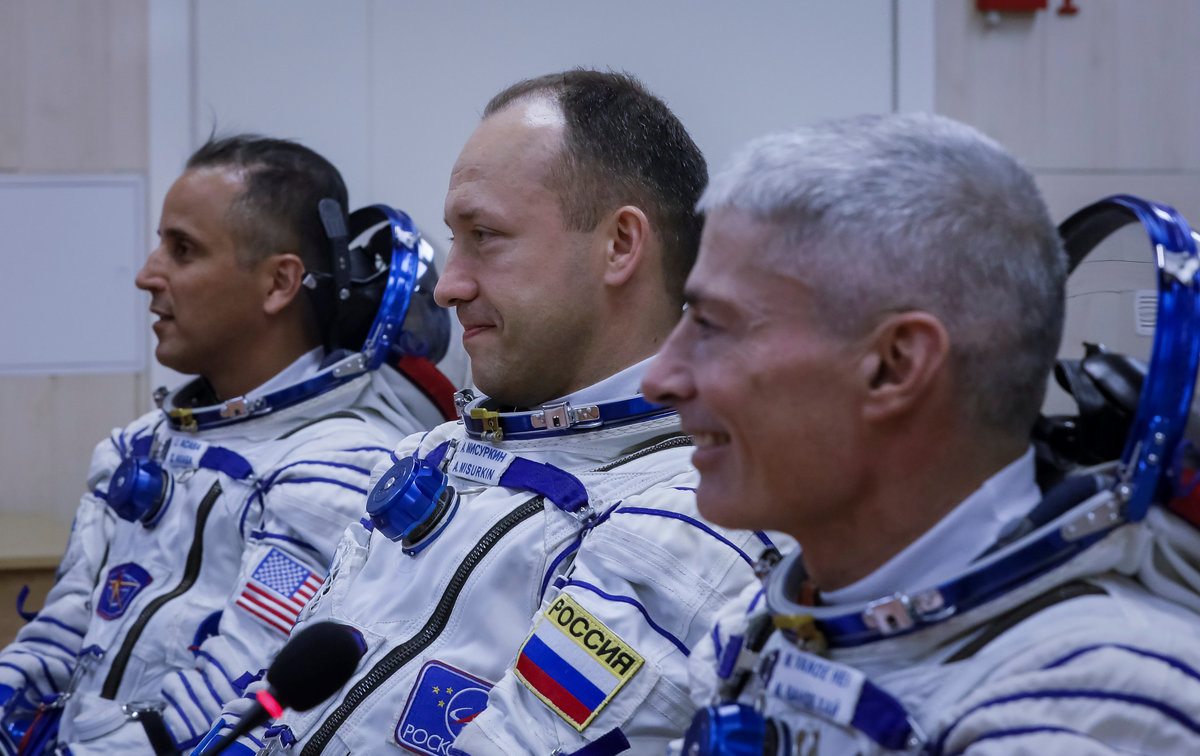
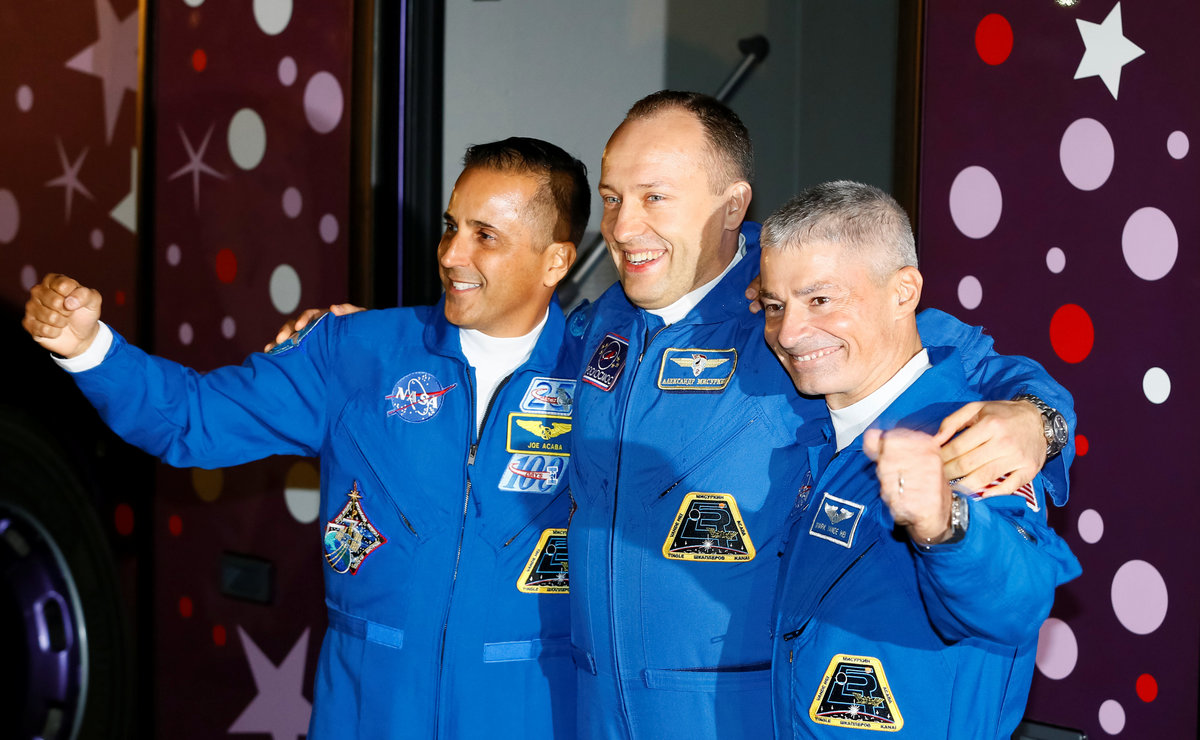
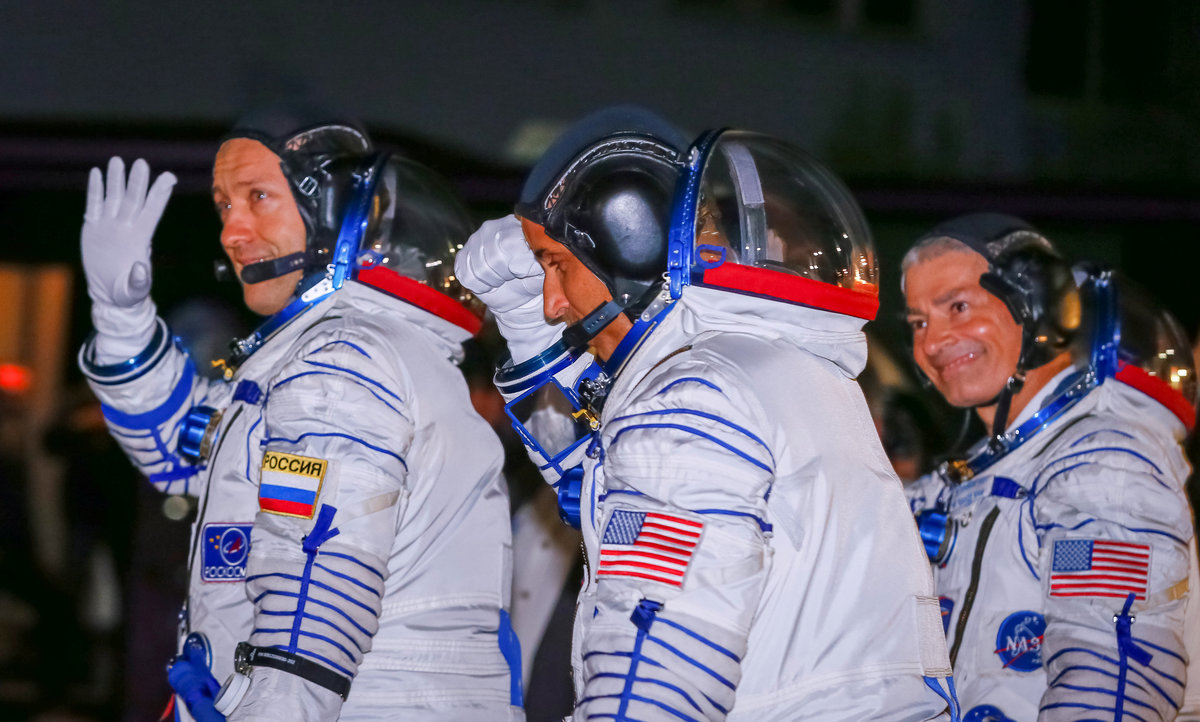
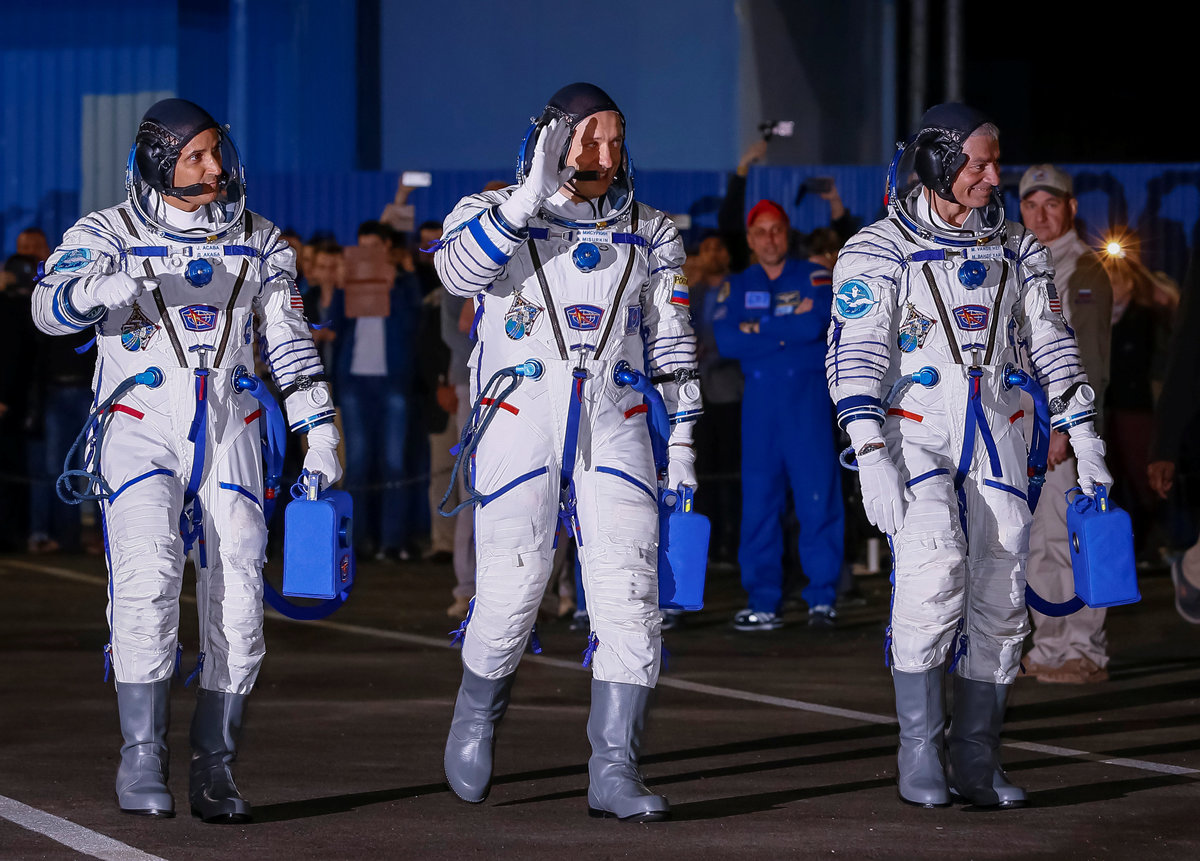
The International Space Station (ISS) crew members Joe Acaba (L) and Mark Vande Hei (R) of the the U.S., and Alexander Misurkin of Russia walk after donning space suits shortly before their launch at the Baikonur Cosmodrome, Kazakhstan September 13, 2017. REUTERS/Shamil Zhumatov
Misurkin, Vande Hei and Acaba have joined NASA astronaut Randy Bresnik, Russia's Sergey Ryazanskiy and Paolo Nespoli of the European Space Agency who have been aboard the orbital outpost since July.
To commemorate the upcoming 60th anniversary on Oct.4 of the launch of the first artificial satellite, Sputnik 1, the Soyuz crew used its small model as a zero gravity indicator during the flight on Wednesday.
The Soyuz MS-06 spacecraft carrying the crew of crew Joe Acaba and Mark Vande Hei of the the U.S., and Alexander Misurkin of Russia blasts off to the International Space Station (ISS) from the launchpad at the Baikonur Cosmodrome, Kazakhstan September 13, 2017. REUTERS/Shamil Zhumatov
(Reporting by Shamil Zhumatov; Writing by Olzhas Auyezov; Editing by Sandra Maler & Simon Cameron-Moore)
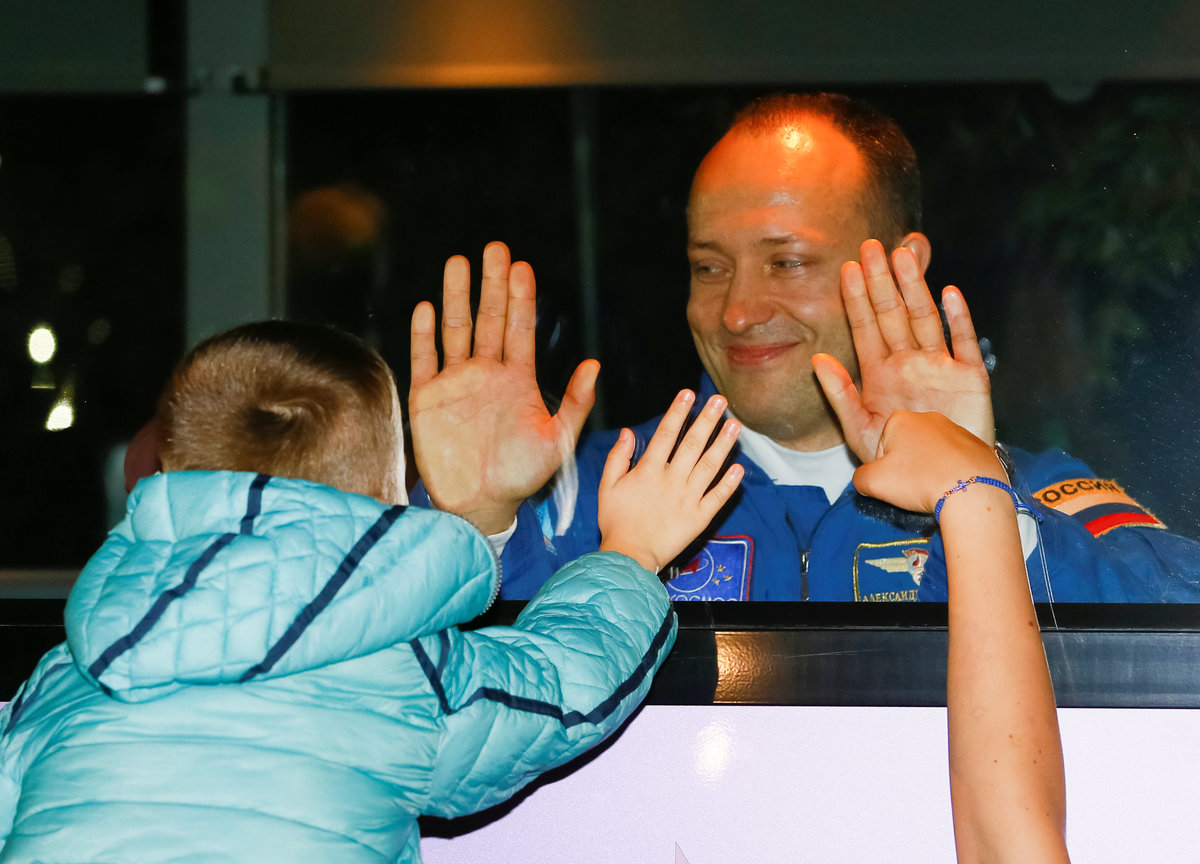
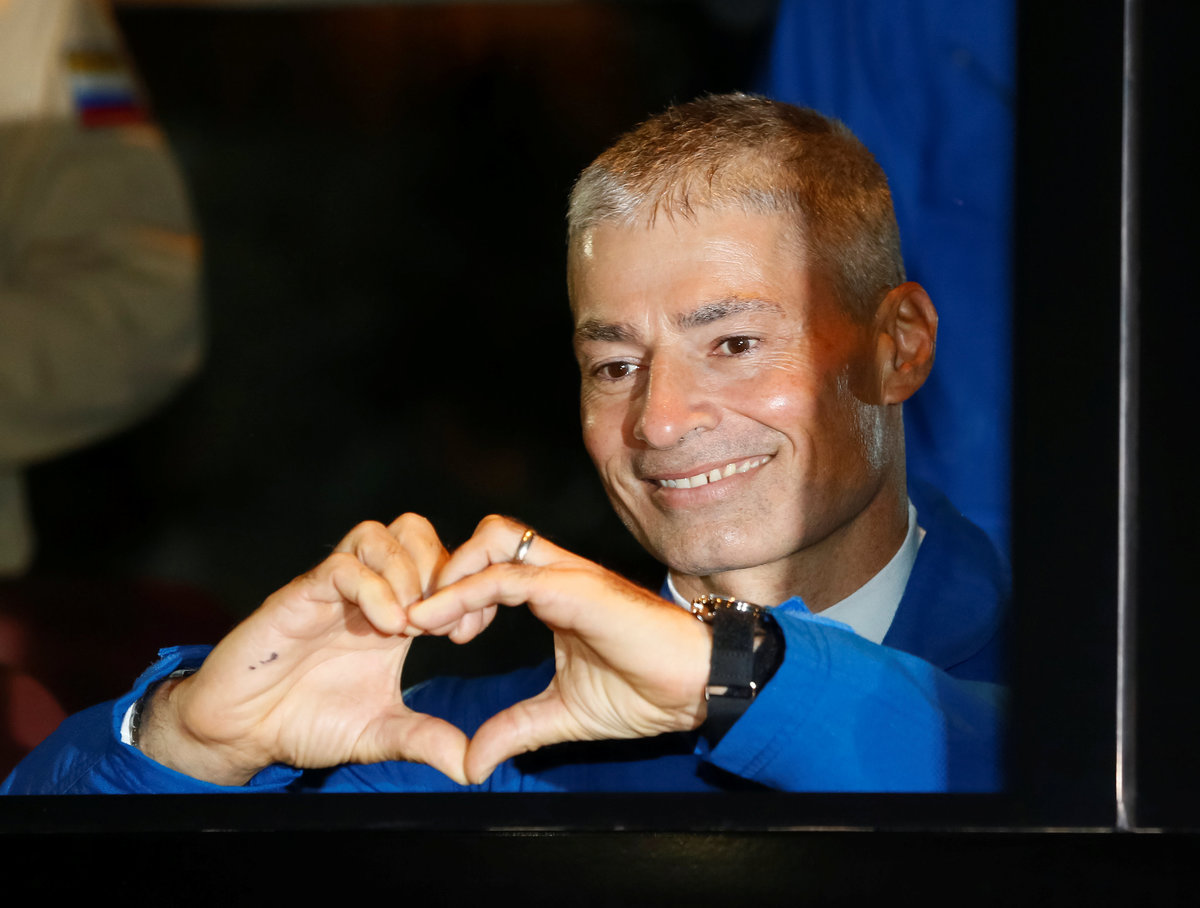
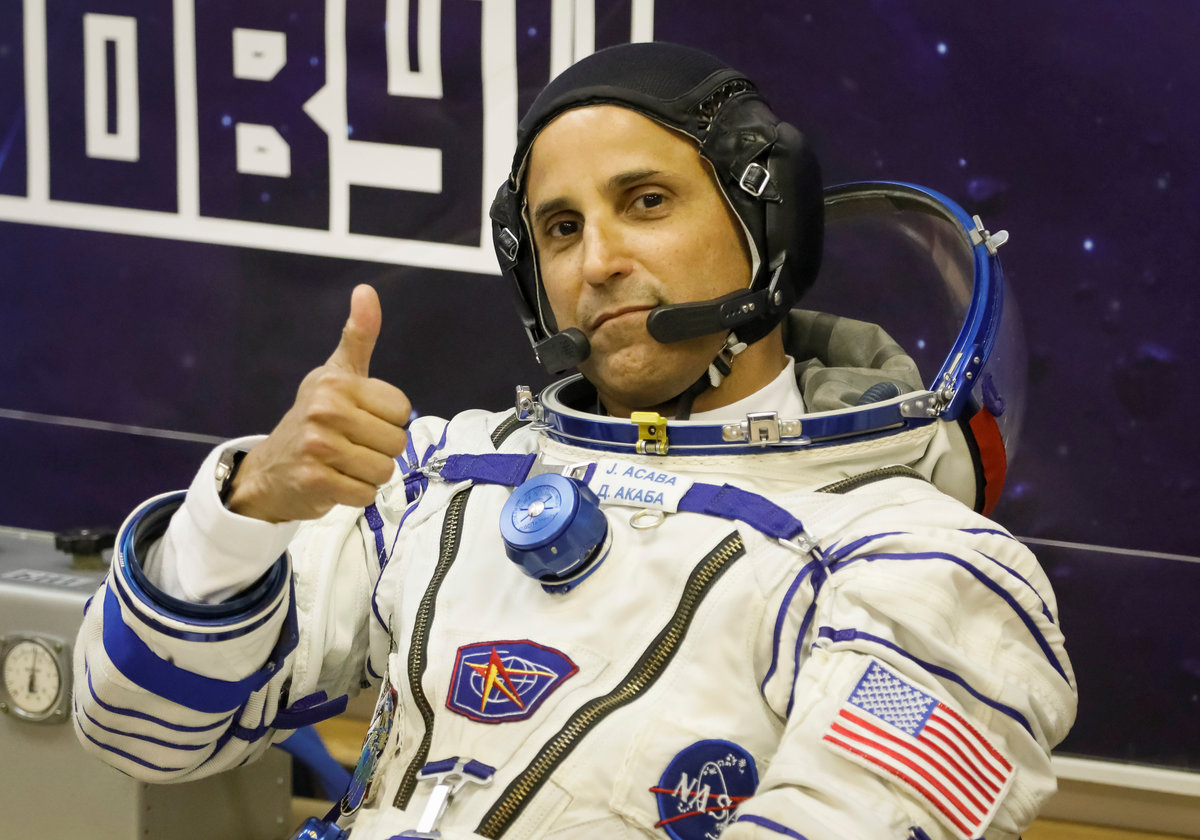
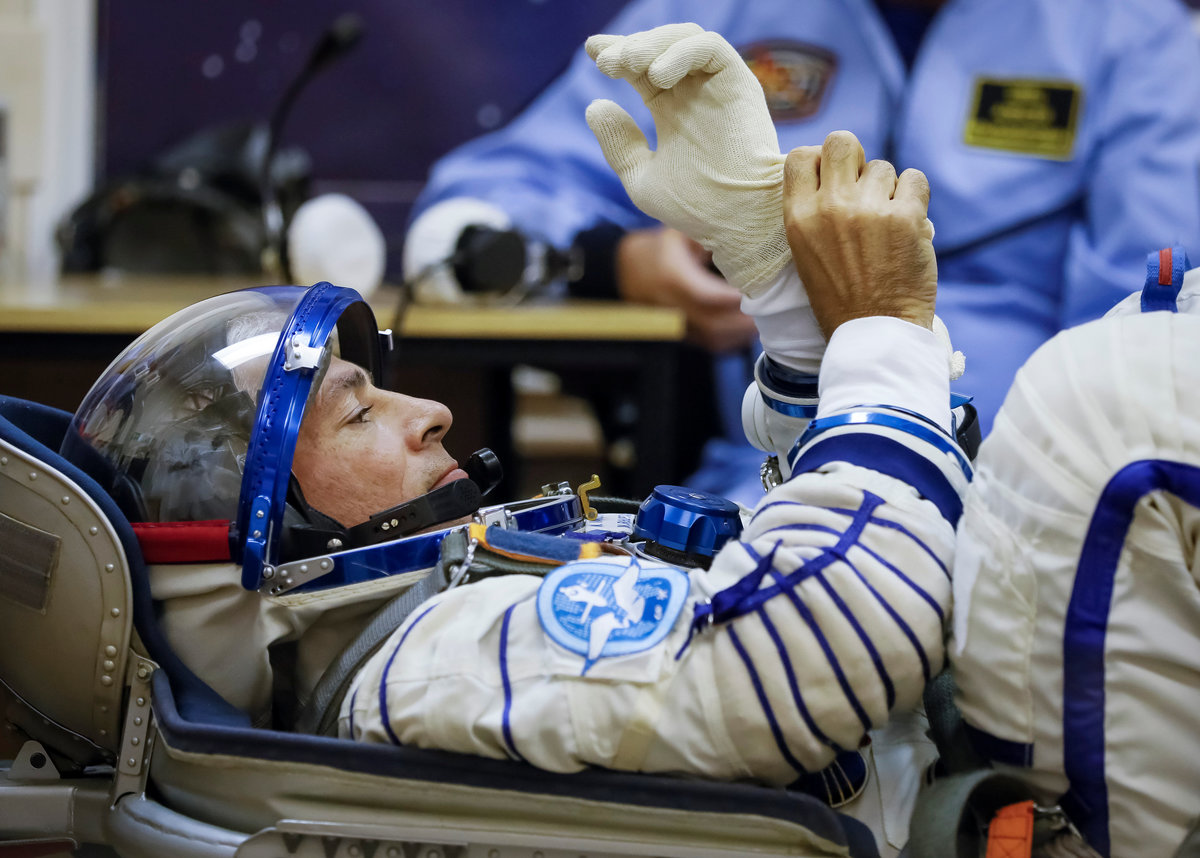
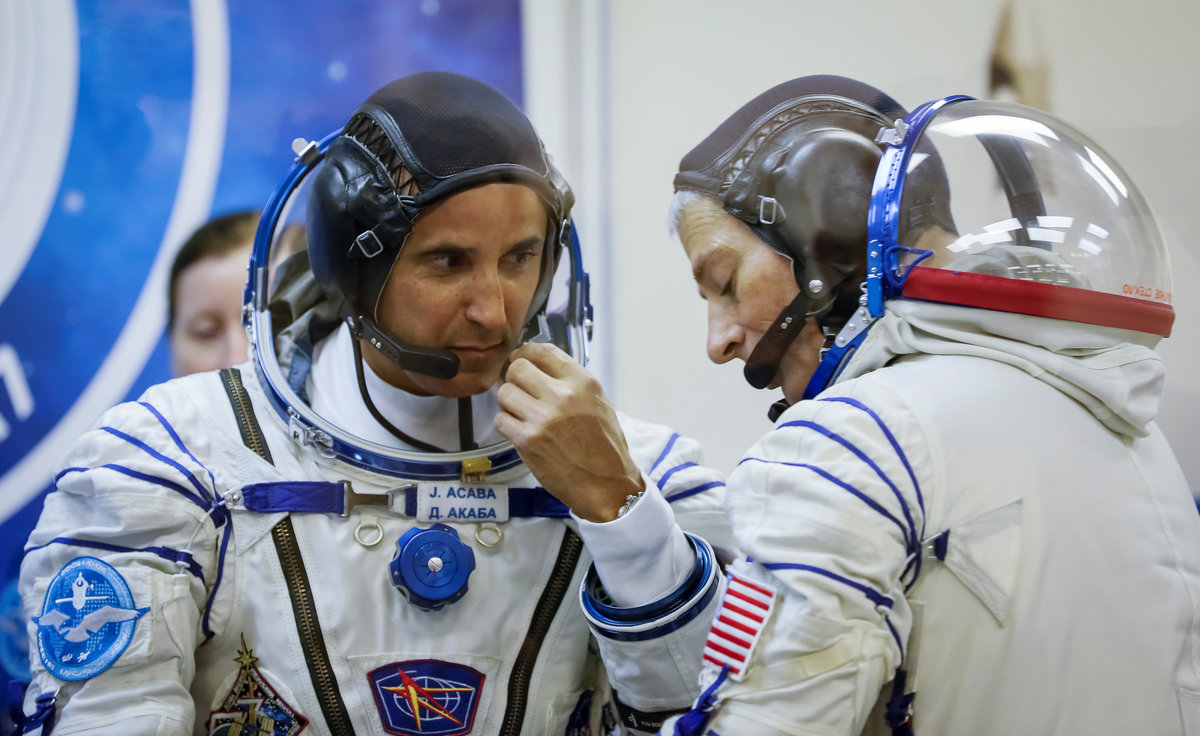
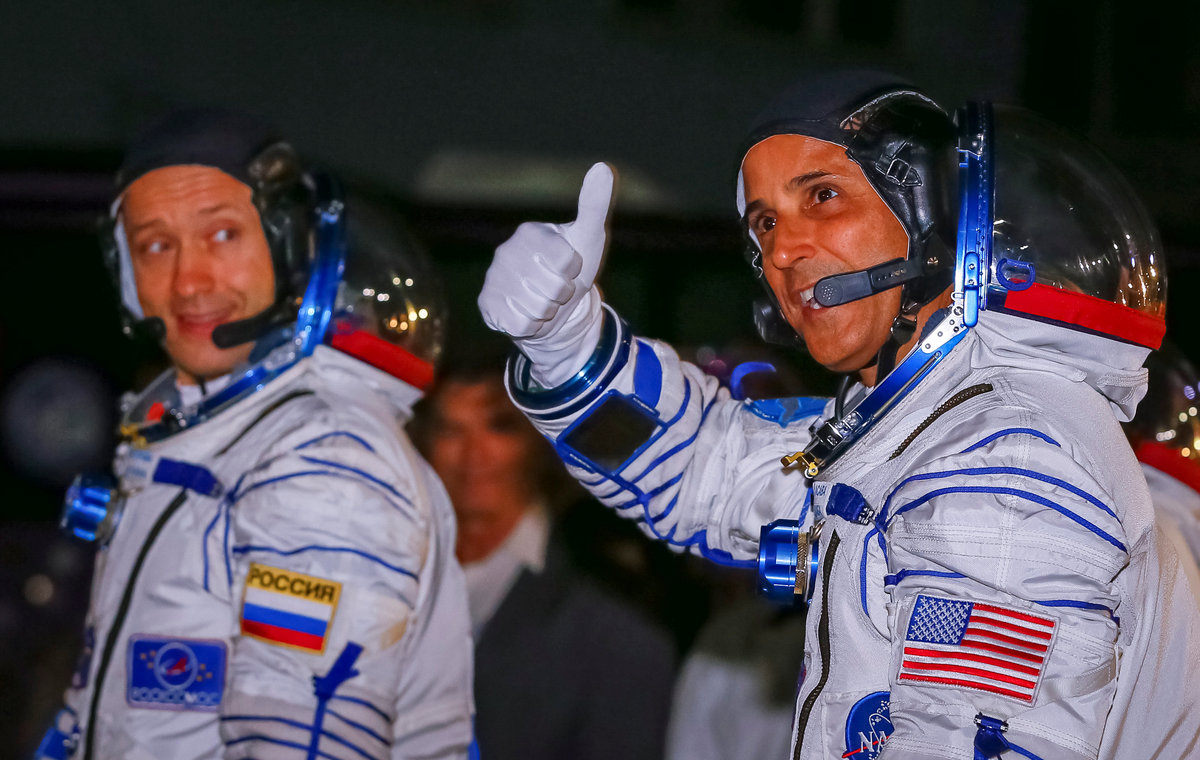
The Soyuz MS-06 spacecraft carrying the crew of Joe Acaba and Mark Vande Hei of the U.S., and Alexander Misurkin of Russia blasts off to the International Space Station (ISS) from the launchpad at the Baikonur Cosmodrome, Kazakhstan September 13, 2017. REUTERS/Shamil ZhumatovThe Soyuz MS-06 spacecraft carrying the crew of crew Joe Acaba and Mark Vande Hei of the the U.S., and Alexander Misurkin of Russia blasts off to the International Space Station (ISS) from the launchpad at the Baikonur Cosmodrome, Kazakhstan September 13, 2017. REUTERS/Shamil ZhumatovThe Soyuz MS-06 spacecraft carrying the crew of crew Joe Acaba and Mark Vande Hei of the the U.S., and Alexander Misurkin of Russia blasts off to the International Space Station (ISS) from the launchpad at the Baikonur Cosmodrome, Kazakhstan September 13, 2017. REUTERS/Shamil ZhumatovThe Soyuz MS-06 spacecraft carrying the crew of crew Joe Acaba and Mark Vande Hei of the the U.S., and Alexander Misurkin of Russia blasts off to the International Space Station (ISS) from the launchpad at the Baikonur Cosmodrome, Kazakhstan September 13, 2017. REUTERS/Shamil ZhumatovMembers of the International Space Station expedition 53/54, NASA astronauts Joseph Acaba (C), Mark Vande Hei (top) and Roscosmos cosmonaut Alexander Misurkin (bottom) wave as they board the Soyuz MS-06 spacecraft prior the launch at the Baikonur cosmodrome, in Kazakhstan, 13 September 2017. REUTERS//Maxim Shipenkov/PoolThe International Space Station (ISS) crew member Alexander Misurkin of Russia reacts to his family from a bus as he leaves from a hotel for a pre-launch preparation at the Baikonur Cosmodrome, Kazakhstan September 12, 2017. REUTERS/Shamil ZhumatovThe International Space Station (ISS) crew members Joe Acaba (L) and Mark Vande Hei (R) of the the U.S., and Alexander Misurkin of Russia sit after donning space suits shortly before their launch at the Baikonur Cosmodrome, Kazakhstan September 12, 2017. REUTERS/Shamil ZhumatovThe International Space Station (ISS) crew member Mark Vande Hei of the the U.S., reacts to his family from a bus as he leaves from a hotel for a pre-launch preparation at the Baikonur Cosmodrome, Kazakhstan September 12, 2017. REUTERS/Shamil ZhumatovThe International Space Station (ISS) crew members Joe Acaba of the the U.S., gestures after donning space suits shortly before their launch at the Baikonur Cosmodrome, Kazakhstan September 12, 2017. REUTERS/Shamil ZhumatovThe International Space Station (ISS) crew members Mark Vande Hei of the the U.S., looks on during his space suit check shortly before their launch at the Baikonur Cosmodrome, Kazakhstan September 12, 2017. REUTERS/Shamil ZhumatovThe International Space Station (ISS) crew members Joe Acaba and Mark Vande Hei of the the U.S., talk after donning space suits shortly before their launch at the Baikonur Cosmodrome, Kazakhstan September 12, 2017. REUTERS/Shamil ZhumatovThe International Space Station (ISS) crew members Joe Acaba (L) and Mark Vande Hei (R) of the the U.S., and Alexander Misurkin of Russia walk from a hotel for a pre-launch preparation at the Baikonur Cosmodrome, Kazakhstan September 12, 2017. REUTERS/Shamil ZhumatovThe International Space Station (ISS) crew members Joe Acaba (R) of the the U.S., and Alexander Misurkin of Russia walk after donning space suits shortly before their launch at the Baikonur Cosmodrome, Kazakhstan September 13, 2017. REUTERS/Shamil ZhumatovThe International Space Station (ISS) crew members Joe Acaba (C) and Mark Vande Hei (R) of the the U.S., and Alexander Misurkin of Russia walk after donning space suits shortly before their launch at the Baikonur Cosmodrome, Kazakhstan September 13, 2017. REUTERS/Shamil ZhumatovThe International Space Station (ISS) crew members Joe Acaba (L) and Mark Vande Hei (R) of the the U.S., and Alexander Misurkin of Russia walk after donning space suits shortly before their launch at the Baikonur Cosmodrome, Kazakhstan September 13, 2017. REUTERS/Shamil Zhumatov
Sign up to read this article
Read news from 100’s of titles, curated specifically for you.