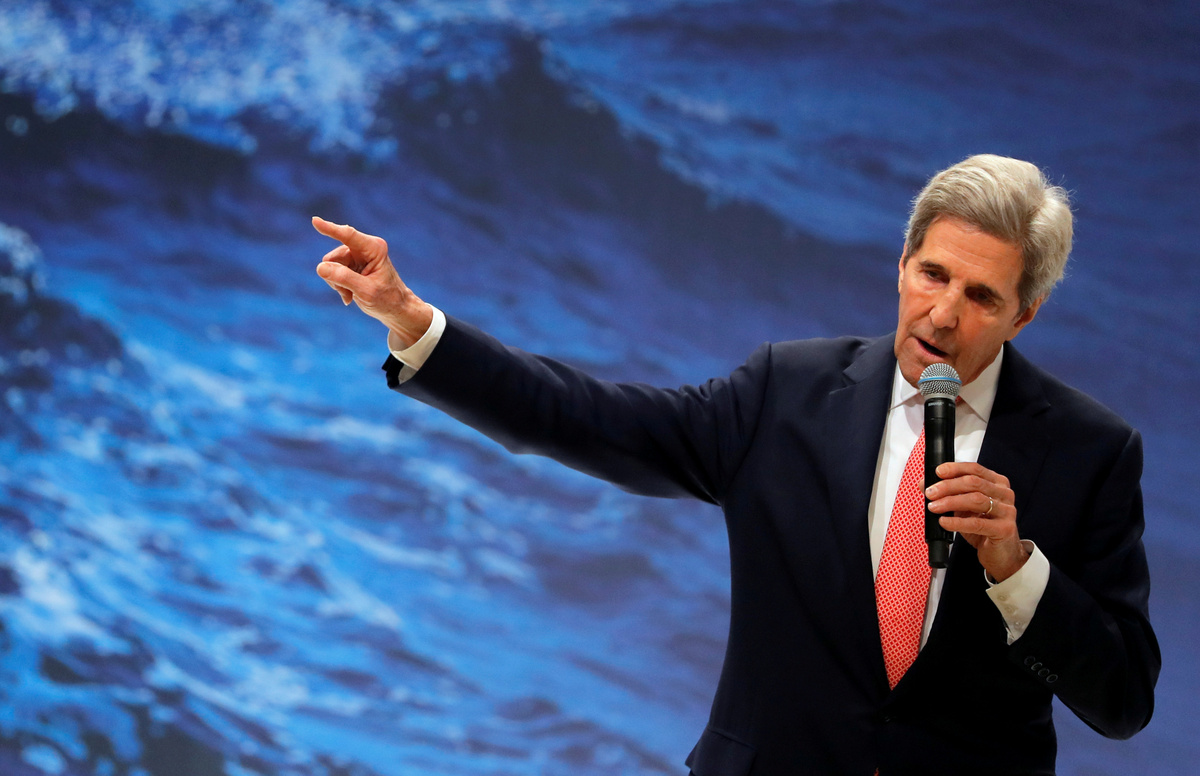
The United States will "make good" on financial commitments to developing countries struggling with climate change, top U.S. climate envoy John Kerry told a summit of world leaders on Monday.
Kerry said the United States was "proud to be back" in the global climate discussion, just days after President Joe Biden signed an order to re-enter the 2015 Paris Agreement after the country quit the climate treaty under former President Donald Trump.
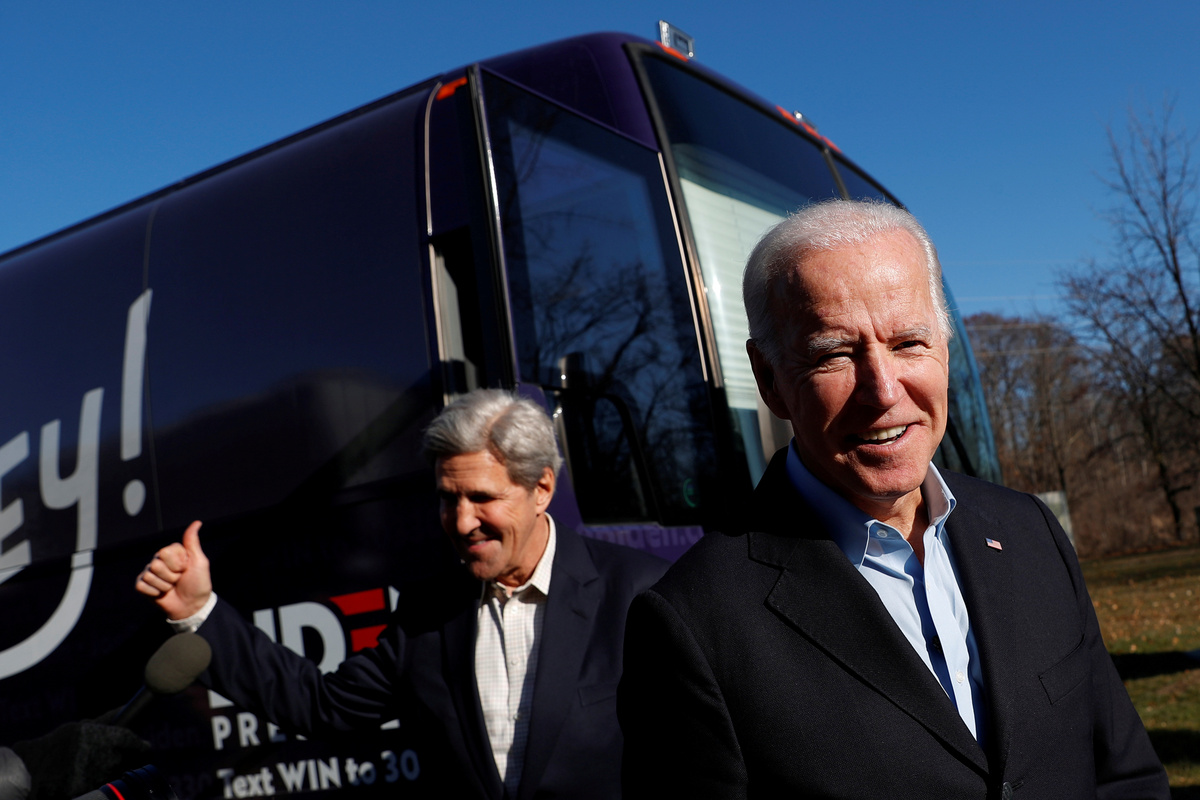
Biden's government "also intends to make significant investments in climate action" both domestically and abroad, Kerry told the virtual Climate Adaptation Summit, hosted by the Netherlands.
He did not give details about those investments, but promised Washington would soon announce a new target for reducing U.S. greenhouse gas emissions that "meets the urgency of the challenge".
"We intend to make good on our climate finance pledge," he said.
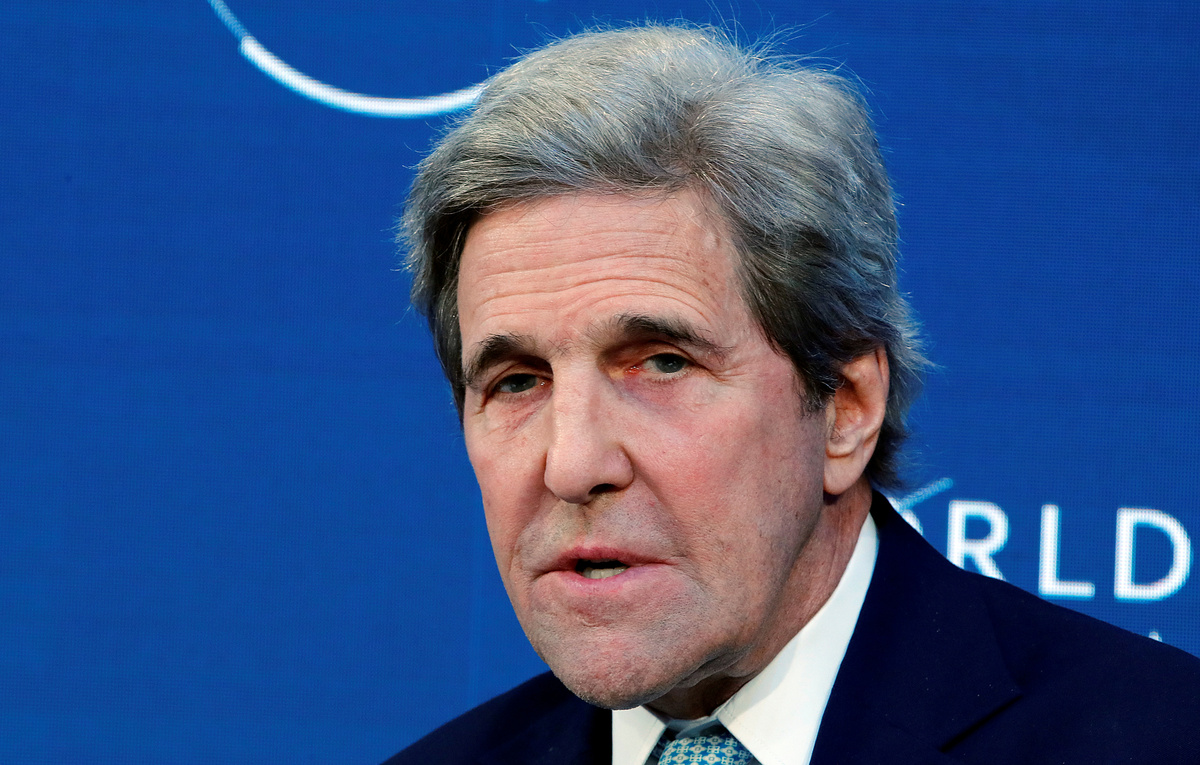
The United States has delivered only $1 billion of the $3 billion it pledged under former President Barack Obama to the U.N. Green Climate Fund, set up to help vulnerable countries transition to clean energy and adapt to a warmer future.
Kerry was joined at the summit by China's Deputy Prime Minister Han Zheng, German Chancellor Angela Merkel, French President Emmanuel Macron, British Prime Minister Boris Johnson and others.
Leaders at Monday's summit, which aims to help countries build resilience against climate change, stressed the importance of having Washington back at the table.
"To tackle this great challenge we need all hands on deck, and certainly the U.S. is so critical for success," said International Monetary Fund Managing Director Kristalina Georgieva.
NEW STRATEGY
Han said China - the world's biggest greenhouse gas emitter - was also drafting a "new strategy through to 2035 to enhance adaptation and improve our capacity against climate risk on all fronts". But he called on wealthier countries to "step up their financial and technological support for developing countries in adaption".
Separately, Chinese President Xi Jinping, at a virtual meeting of the World Economic Forum, said that meeting the targets he announced in September – to peak carbon emissions before 2030 and achieve carbon neutrality by 2060 - would "require tremendous hard work from China".
U.N. Secretary-General Antonio Guterres said "the COVID-19 pandemic has reminded us that we cannot afford to ignore known risks. Climate disruption is a risk we are well aware of".
Climate change could depress global food production by up to 30%, while rising seas and more intense storms could force hundreds of millions of people in coastal cities out of their homes, summit organiser the Global Center on Adaptation said.
Although droughts, fires, heatwaves, floods and other climate extremes related to global warming have intensified, investments to shield people from these risks have remained modest, scientists wrote to leaders taking part.
"Unless we step up and adapt now, the results will be increasing poverty, water shortages, agricultural losses and soaring levels of migration with an enormous toll on human life," the 3,000 scientists wrote.
Developing countries alone need to spend around $70 billion per year to battle the effects of global warming, a U.N. report showed this month, and those costs could jump to $140 billion to $300 billion by 2030.
(Reporting by Bart Meijer; Additional Reporting by Toby Sterling in Amsterdam, Valerie Volcovici and Jeff Mason in Washington and Tom Daly; Writing by Anthony Deutsch; Editing by Alex Richardson and Alison Williams)