The U.S. is pausing a $14bn arms sale to Taiwan as it diverts munitions to sustain the war against Iran, exposing mounting anxieties over rapidly depleting stockpiles.
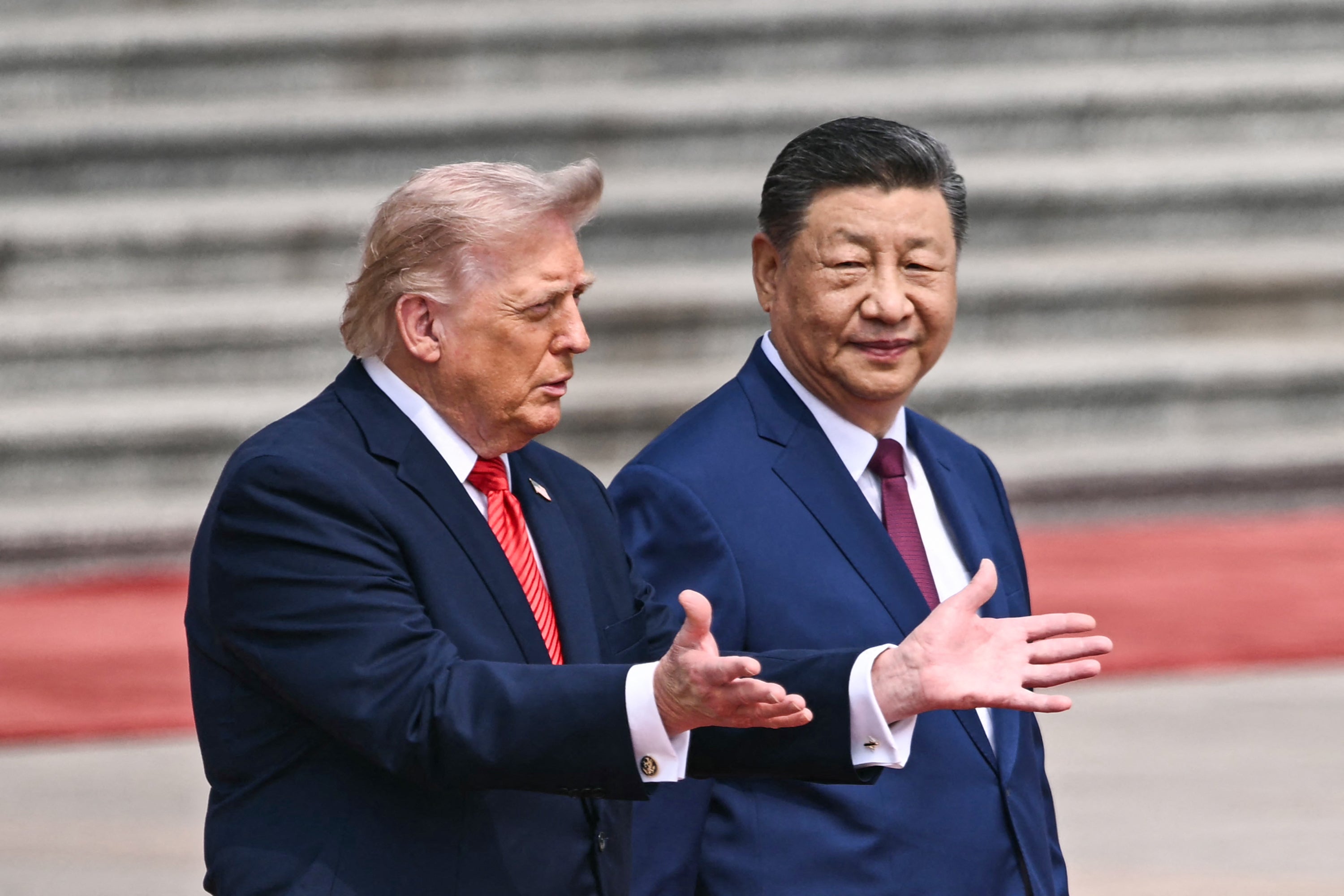
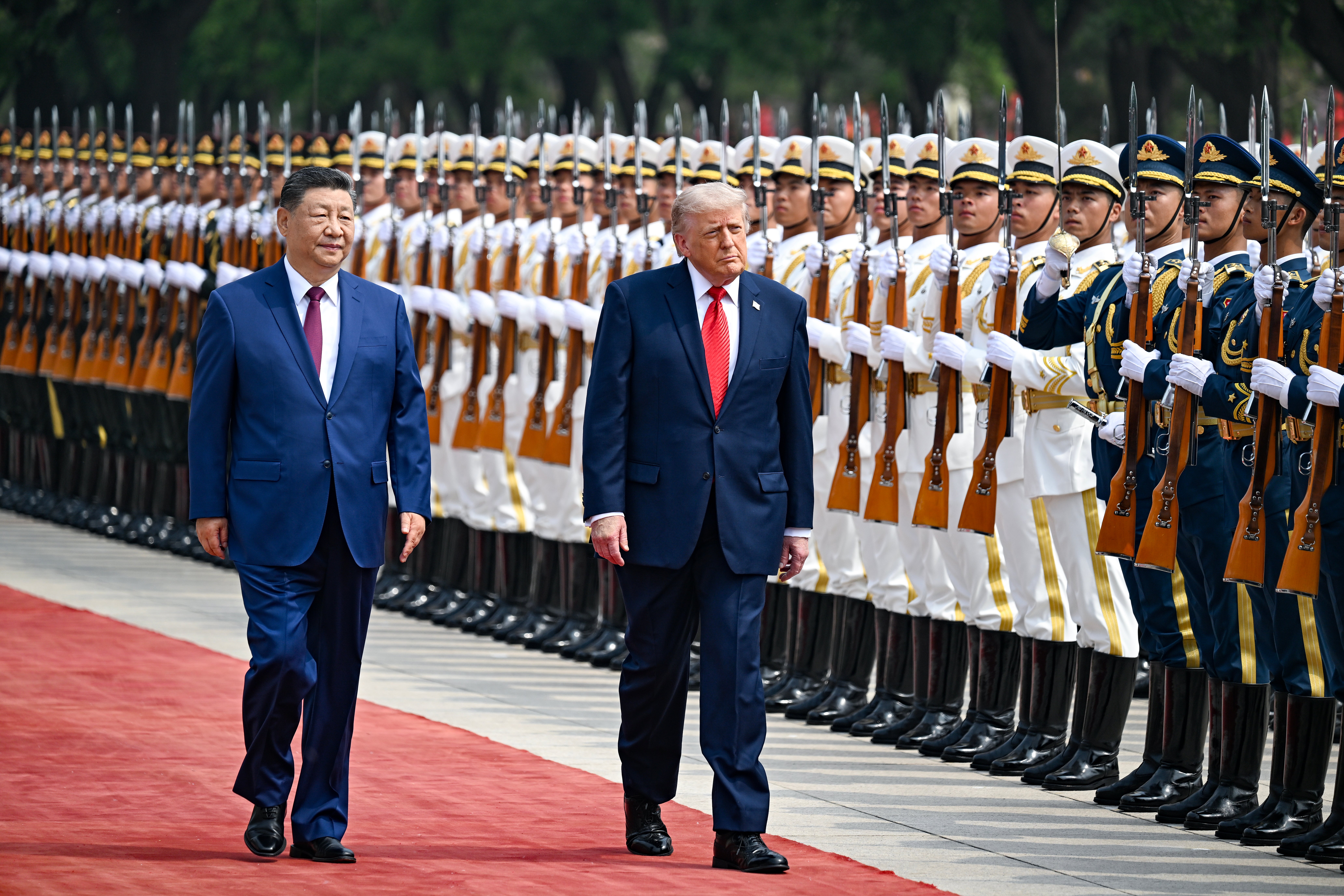
It comes just days after president Donald Trump returned from a high-profile summit with Xi Jinping in China, a country that claims sovereignty over self-governed Taiwan and has threatened to “reunite” it with the mainland by force, if necessary.
Trump said he had discussed the matter of the $14bn arms deal “in great detail” with Chinese president Xi Jinping and would make a decision “over the next fairly short period”, breaking decades of U.S. policy that states decision on Taiwan should not be made in collaboration with Beijing.
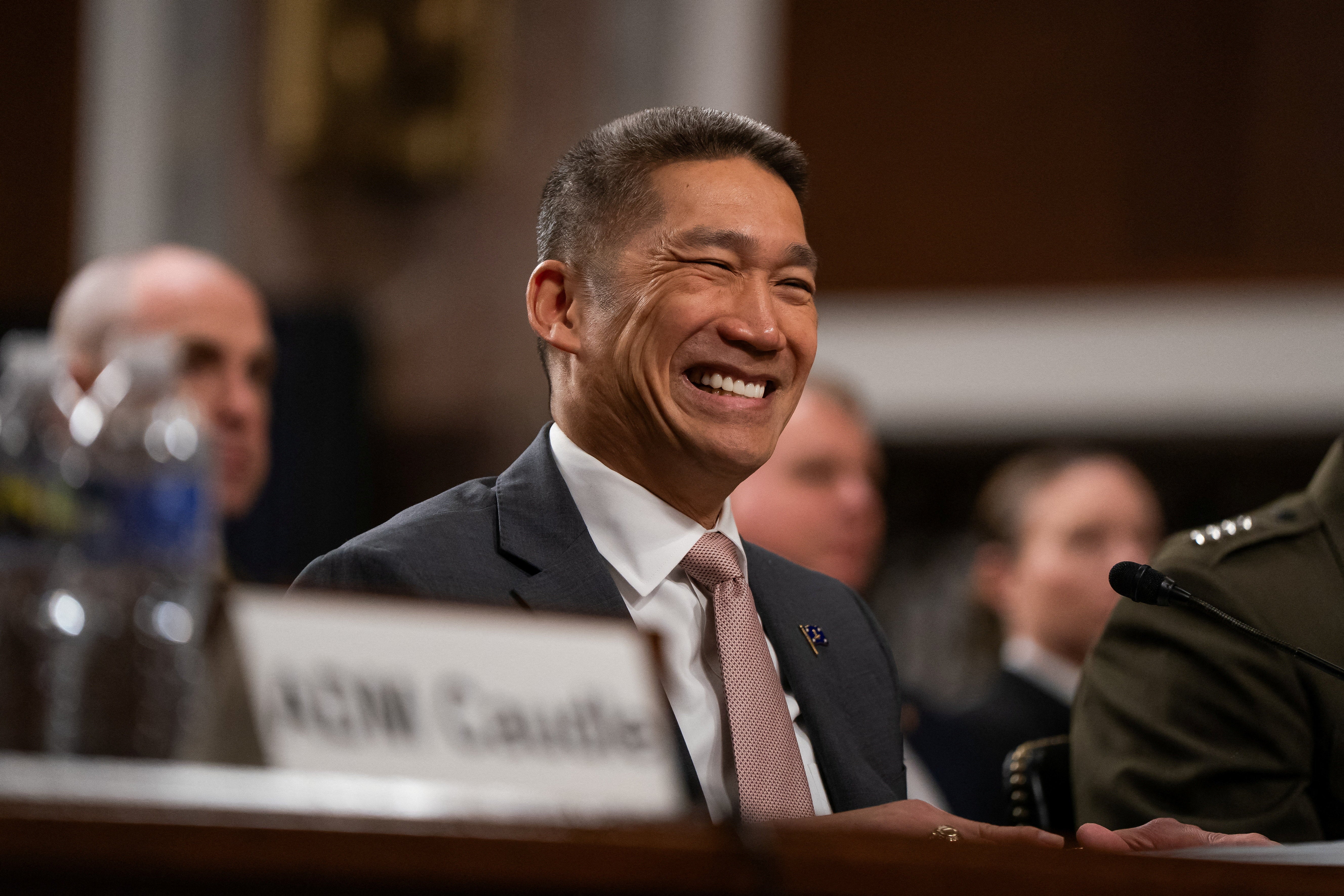
The disclosure that the deal is now paused came from acting U.S. navy chief secretary Hung Cao during a tense Senate Appropriations Defense Subcommittee hearing on Thursday.
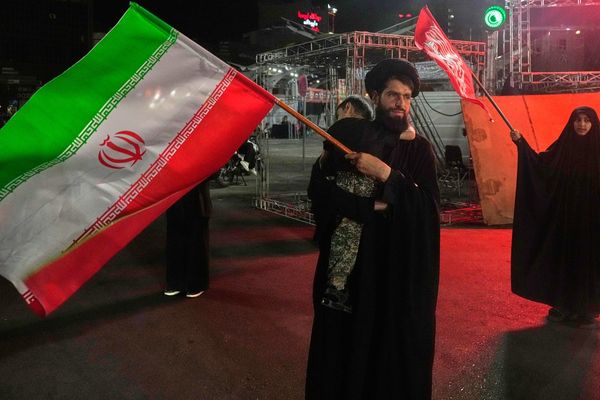
Cao did not mention Trump’s conversations with Xi, saying the Trump administration had halted the sale to ensure that the U.S. retained enough firepower for “Epic Fury”, the codename for the military campaign against Iran.
“Right now we are doing a pause in order to make sure we have the munitions we need for Epic Fury, which we have plenty,” Cao told Republican senator Mitch McConnell, according to The Hill.
“We’re just making sure we have everything but then the foreign military sales will continue when the administration deems necessary.”
Pressed by McConnell on whether the sale would eventually go ahead, Cao replied the decision would rest with defense secretary Pete Hegseth and secretary of state Marco Rubio.
“Yeah, that’s what’s really distressing,” McConnell replied.
Cao’s comments appeared to contradict Trump’s own explanation for delaying the sale. The president suggested last week that the arms sale could be leveraged by Washington in negotiations with Beijing.
“I haven’t approved it yet. We’re going to see what happens,” Trump told Fox News. “I may do it, I may not do it.”
The proposed weapons package, approved by Congress in January and awaiting Trump’s sign-off, would be the largest arms sale ever to Taiwan if completed, eclipsing the record $11bn deal authorized during the president’s previous term.
The pause comes as scrutiny grows over the state of U.S. military reserves after about three months of conflict with Iran.
The Pentagon reportedly burned through thousands of missiles in the 40 days of fighting, sharply reducing its supplies of Tomahawks, Patriot interceptors and long-range strike weapons including ATACMS systems.
The White House is now preparing a supplemental funding request of $80-100bn for Congress. Much of the funding is intended to replenish the sophisticated weapons consumed during the conflict, which remains temporarily frozen by a fragile ceasefire since April, according to The Hill.
Hegseth previously dismissed suggestions that U.S. stockpiles were under strain. “The munitions issue has been foolishly and unhelpfully overstated,” he said last week. “We know exactly what we have. We have plenty of what we need.”
In Taipei, meanwhile, officials sought to project calm saying they had not been formally informed of any change in policy.
Presidential office spokesperson Karen Kuo said he was “aware of reports” about the pause but had “not yet received notification” from Washington, Taipei Times reported.
Taiwan’s leaders maintain that continued American arms support is critical to deterring China, which claims the self-governing island as its territory and is steadily increasing military pressure around it.
“If we want to prevent a war from happening,” Alexander Yui, Taiwan’s representative to the U.S., said on Sunday, “I think it’s best that Taiwan is strong, able to defend itself and therefore we should be able to buy the arms we need to have a stronger defense.”
The pause on the arms sale risks fuelling doubts in Taiwan over Washington’s long-term commitment. William Yang, a senior analyst for northeast Asia at Crisis Group, warned the delay would “exacerbate anxiety and scepticism about U.S. support in Taiwan”.
It also threatens to unsettle decades of carefully maintained diplomatic precedent. Since the Ronald Reagan administration, the U.S. has formally adhered to its “Six Assurances” to Taiwan, one of which states that Washington will not consult Beijing on arms sales to the island.