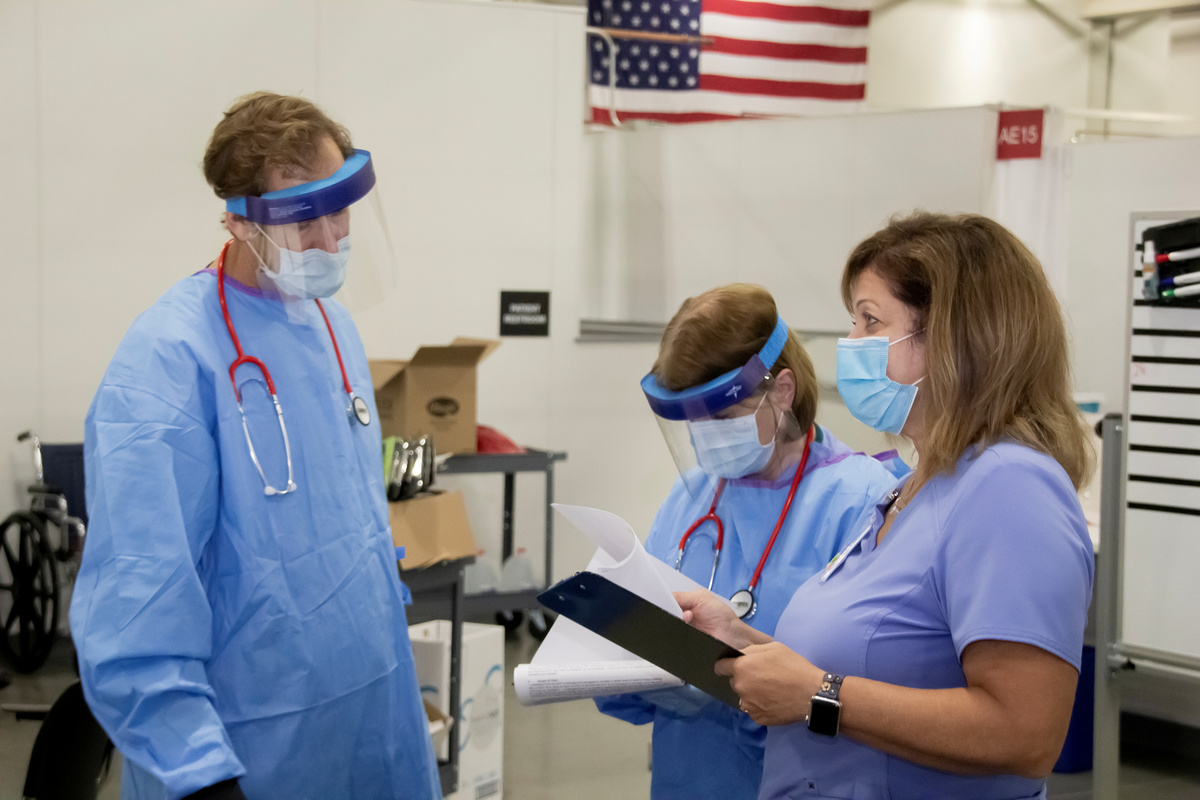
California and several states across the U.S. Midwest tightened restrictions on residents on Tuesday as the nation's top infectious disease specialist called on Americans to remain vigilant until a vaccine can be approved and distributed.
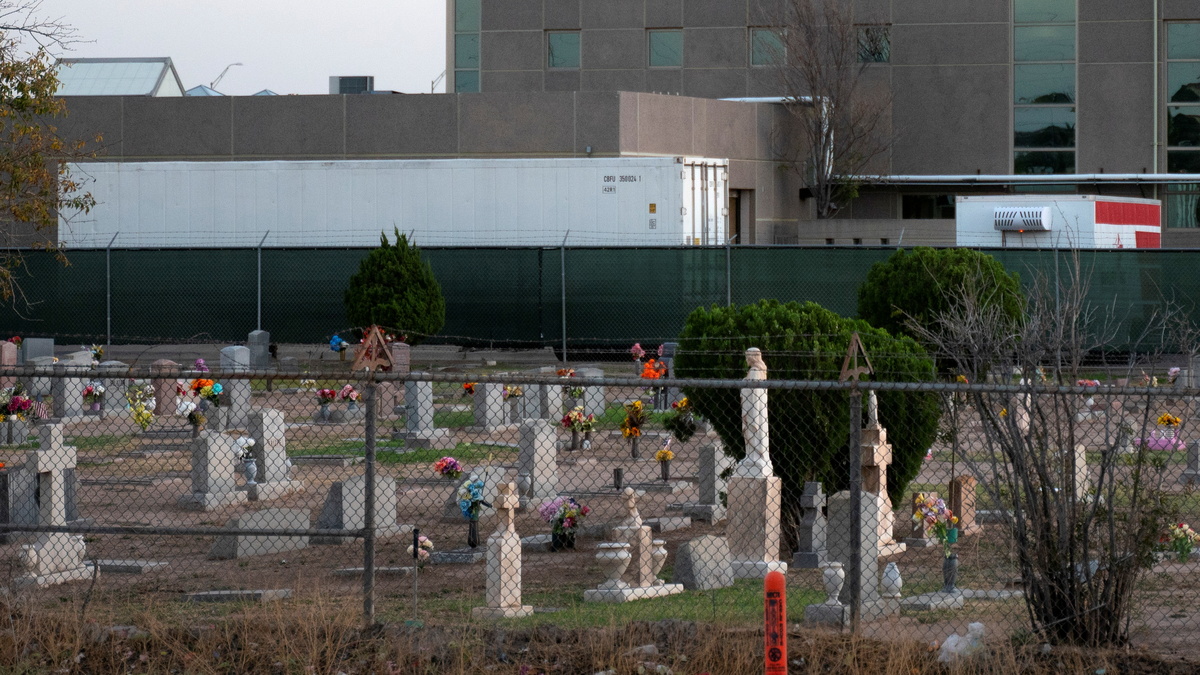
The new clampdowns were announced as the number of COVID-19 infections surged again in the United States with the onset of colder weather, straining hospitals and medical resources in some cities.

"There's a real thing called COVID-19 fatigue, that's understandable," Dr. Anthony Fauci, a member of the White House coronavirus task force, told CNN in an interview. "But hang in there a bit longer, do the things you need to do and we'll be OK."
The U.S. government could begin vaccinating Americans as early as December if Pfizer Inc <PFE.N> moves quickly in gaining approval of a vaccine it developed with German partner BioNTech SE <BNTX.O>, Health and Human Services Secretary Alex Azar said on Tuesday.
Pfizer said earlier this week the vaccine was more than 90% effective against COVID-19, based on results from a large, late-stage trial.
Drug maker Moderna Inc <MRNA.O said in late October it was on track to report early data from a late-stage trial of its experimental COVID-19 vaccine this month.
CALIFORNIA PREDICTS MORE RESTRICTIONS
California has seen coronavirus hospitalizations spiral by
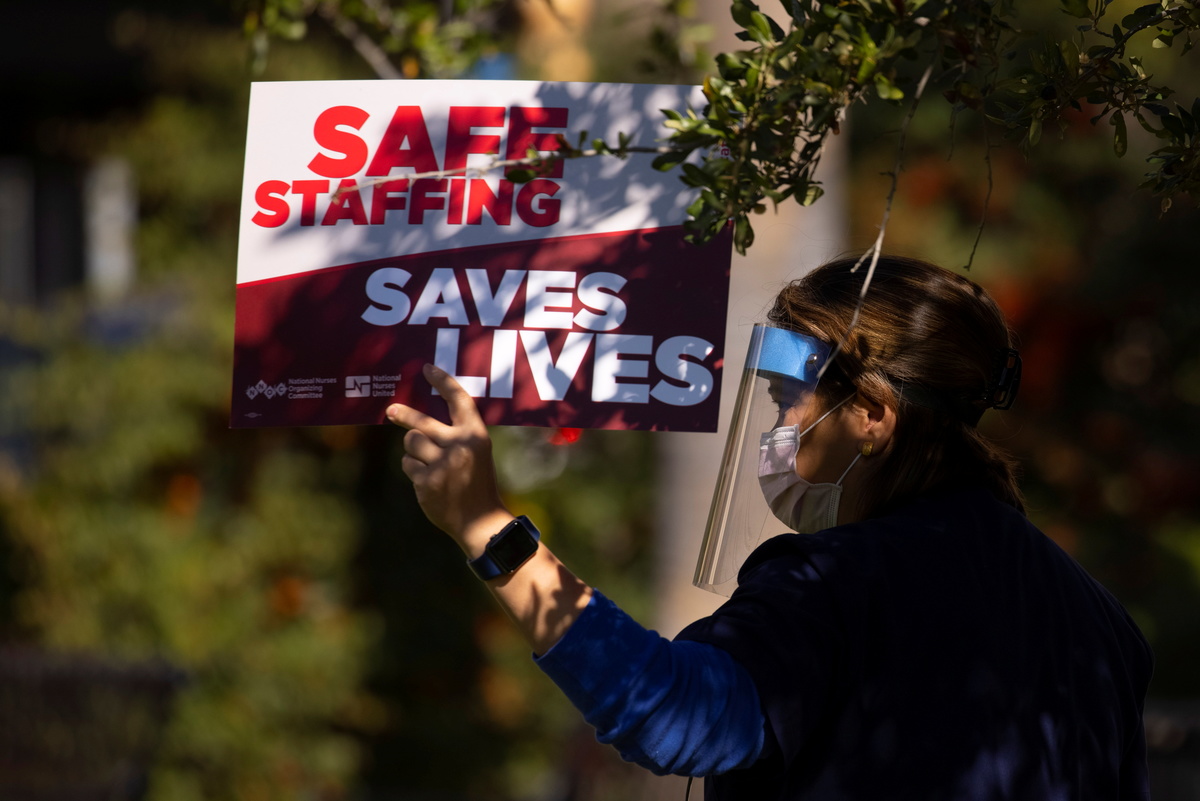
32% over the past two weeks, Dr. Mark Ghaly, the state's health and human services secretary, told reporters at a briefing. Intensive-care unit admissions had spiked by 30%, he said.
Three California counties home to about 5.5 million people - San Diego, Sacramento and Stanislaus - must reverse their reopening plans and go back to the most restrictive category of rules as a result of the spikes, Ghaly said.
Those regulations ban indoor dining in restaurants, as well as indoor activities in gyms and religious institutions.
"We anticipate if things stay the way they are ... over half of California counties will have moved into a more restrictive tier" by next week, Ghaly said.
In Minnesota, Governor Tim Walz announced new restrictions as the Midwestern state reported record-high daily COVID-19 hospitalizations, and medical systems said they may struggle to cope with the surge.
Minnesota reported 1,224 coronavirus hospitalizations on Tuesday, up from 1,084 the previous day, according to a Reuters tally.
Beginning on Friday, restaurants and bars in Minnesota must close dine-in services between 10 p.m. and 4 a.m. and keep the number of patrons below 50% of capacity. The governor’s order also includes private social gatherings, which must be limited to 10 people from three households or less.
“We've turned our dials, we're going to have to turn them back a little bit today,” Walz told a briefing.
In Illinois, which recorded its highest number of daily cases on Tuesday with 12,626 new infections, Governor J.B. Pritzker told reporters a majority of the state's regions were seeing higher hospitalization rates than in the spring.
59,000 HOSPITALIZED
Iowa Governor Kim Reynolds also took steps to curb the disease's spread, limiting the size of social gatherings and imposing a targeted mask-wearing requirement for certain situations.
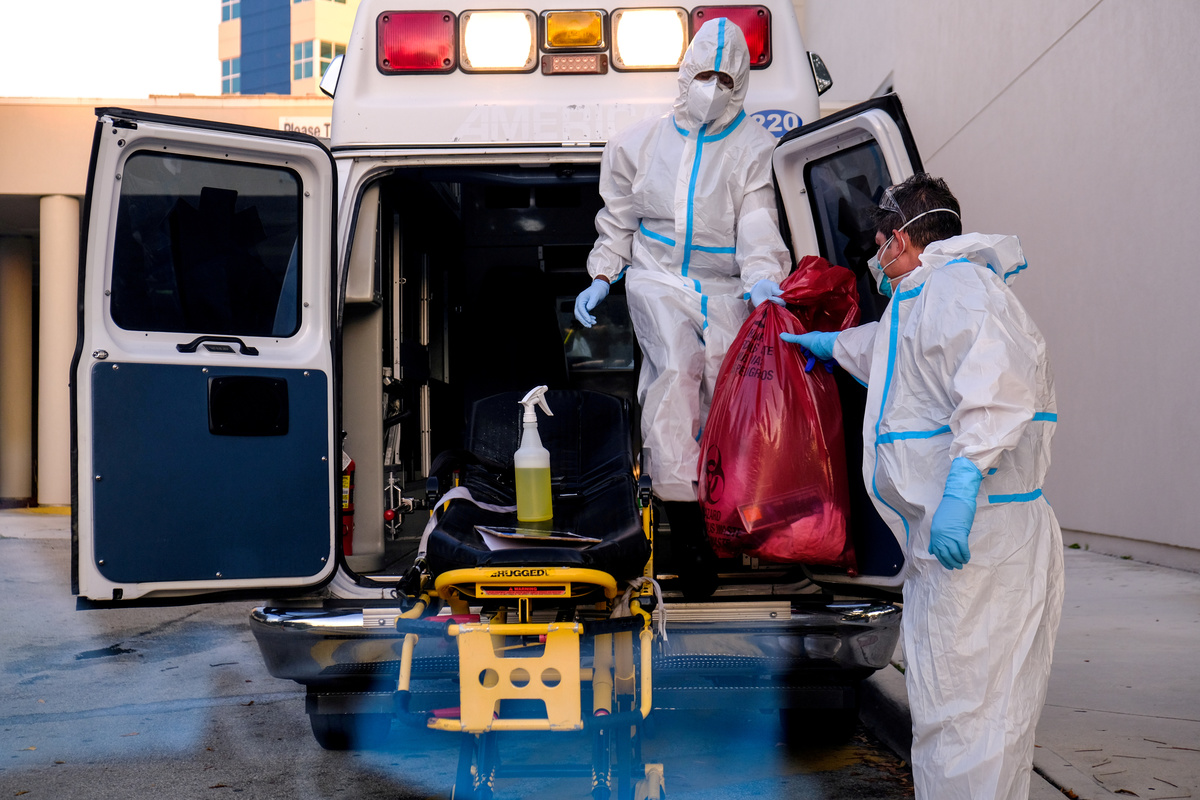
About 59,000 COVID-19 patients were hospitalized across the United States as of Monday, the country's highest-ever number of in-patients being treated for the disease. Daily new infections exceeded 100,000 for the sixth consecutive day.
Hospitalizations are a key metric of the pandemic because, unlike case counts, they do not rise and fall with the number of tests performed.
The United States, the world's third-most populous country behind China and India, has logged the greatest number of cases and deaths, although other countries have higher per-capita totals.
Fauci earlier on Tuesday welcomed the Pfizer vaccine announcement but warned the winter months promised to bring more infections as people stay indoors. Health officials were reporting more infections from small gatherings, an indication the virus is being spread by asymptomatic people, he told MSNBC.
Cases were also spiking in nursing homes, said Mark Parkinson, president and chief executive of the American Health Care Association and National Center for Assisted Living.
Nursing homes in the hard-hit Midwest had seen a 120% increase in weekly COVID-19 cases since mid-September, the group said.
(Reporting by Doina Chiacu in Washington, Anurag Maan in Bengaluru, Sharon Bernstein in Sacramento, California; Maria Caspani, Peter Szekely and Gabriella Borter in New York and Dan Whitcomb in Los Angeles; Writing by Dan Whitcomb; Editing by Jonathan Oatis, Bill Tarrant and Peter Cooney)