WASHINGTON -- Former senior U.S. military officials who led Operation Tomodachi, the U.S. military's relief effort in the aftermath of the Great East Japan Earthquake in March 2011, told The Yomiuri Shimbun that the U.S. military conducted the rescue operation while taking risk-averse measures in response to the accident at the Fukushima No. 1 nuclear power plant.
Retired Vice Adm. Scott Van Buskirk, 63, who was commander of the U.S. Navy's 7th Fleet based at Yokosuka Naval Base in Kanagawa Prefecture at the time, said all the about 90 fighter jets and other aircraft deployed at Atsugi base in the prefecture, except for helicopters used for the operation, were moved to Guam and other locations because of concerns over contamination by radioactive materials.
Three naval vessels, including the USS Essex amphibious assault ship that had been deployed in Southeast Asia, were temporarily dispatched to the Sea of Japan.
According to the Congressional Research Service, the U.S. military deployed a maximum of 24,000 personnel, 24 vessels and 189 aircraft in Operation Tomodachi. The operation, which included search and rescue operations, debris removal and food transportation, was mostly completed at the end of April 2011.
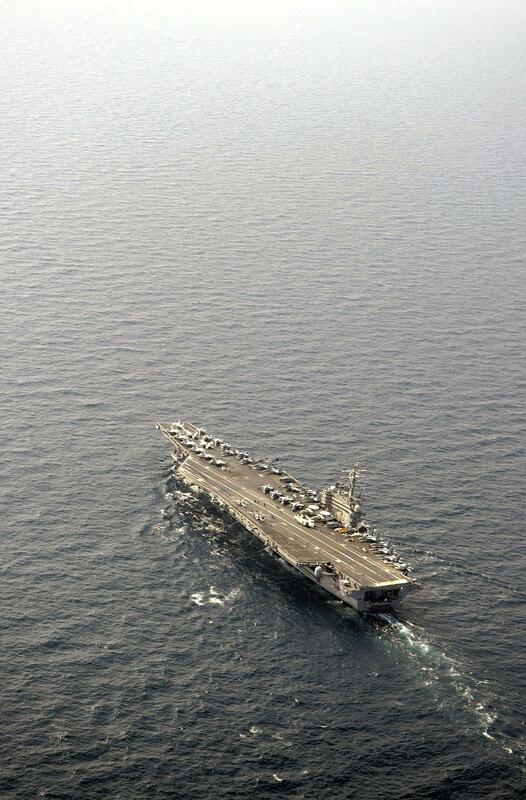
The area around the nuclear power plant operated by the Tokyo Electric Power Company Holdings, Inc. was designated as a no-entry zone for naval vessels, which was revised according to the wind direction and other factors. On one occasion, all naval vessels temporarily evacuated from the waters downwind of the nuclear power plant after a minute amount of radiation was detected in a helicopter returning from the Sendai area to the USS Ronald Reagan aircraft carrier.
According to retired Adm. Patrick Walsh, 66, who oversaw the operation as commander of the Pacific Fleet, many U.S. military families voluntarily evacuated the country, while military personnel stayed behind.
"The important message was that we were willing to take risks for the sake of the Japanese people," he said.
Read more from The Japan News at https://japannews.yomiuri.co.jp/