Happy Friday. It’s time to do some regret management. Let me explain.
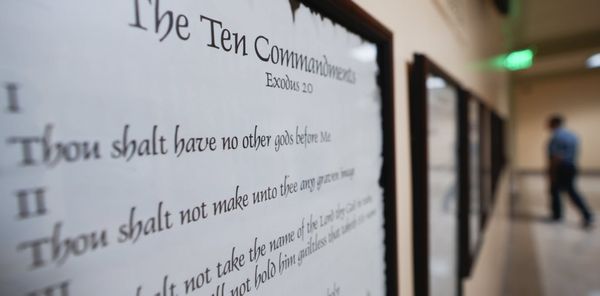
Right now, dozens and dozens of bills are making their way through state legislatures aiming to restrict the civil rights and well-being of people based on race, gender or sexual expression, and other forms of identity. They are uniformly dangerous, though many start as just an idea to kick around.
Here are examples.
As Tennessee lawmakers deliberated HB1245, which would expand options for executions beyond lethal injection, one such option to reintroduce firing squads became an amendment. Another idea came from Rep. Paul Sherrell (R-Sparta), who said, “Could I put an amendment on that that would include hanging by a tree?”
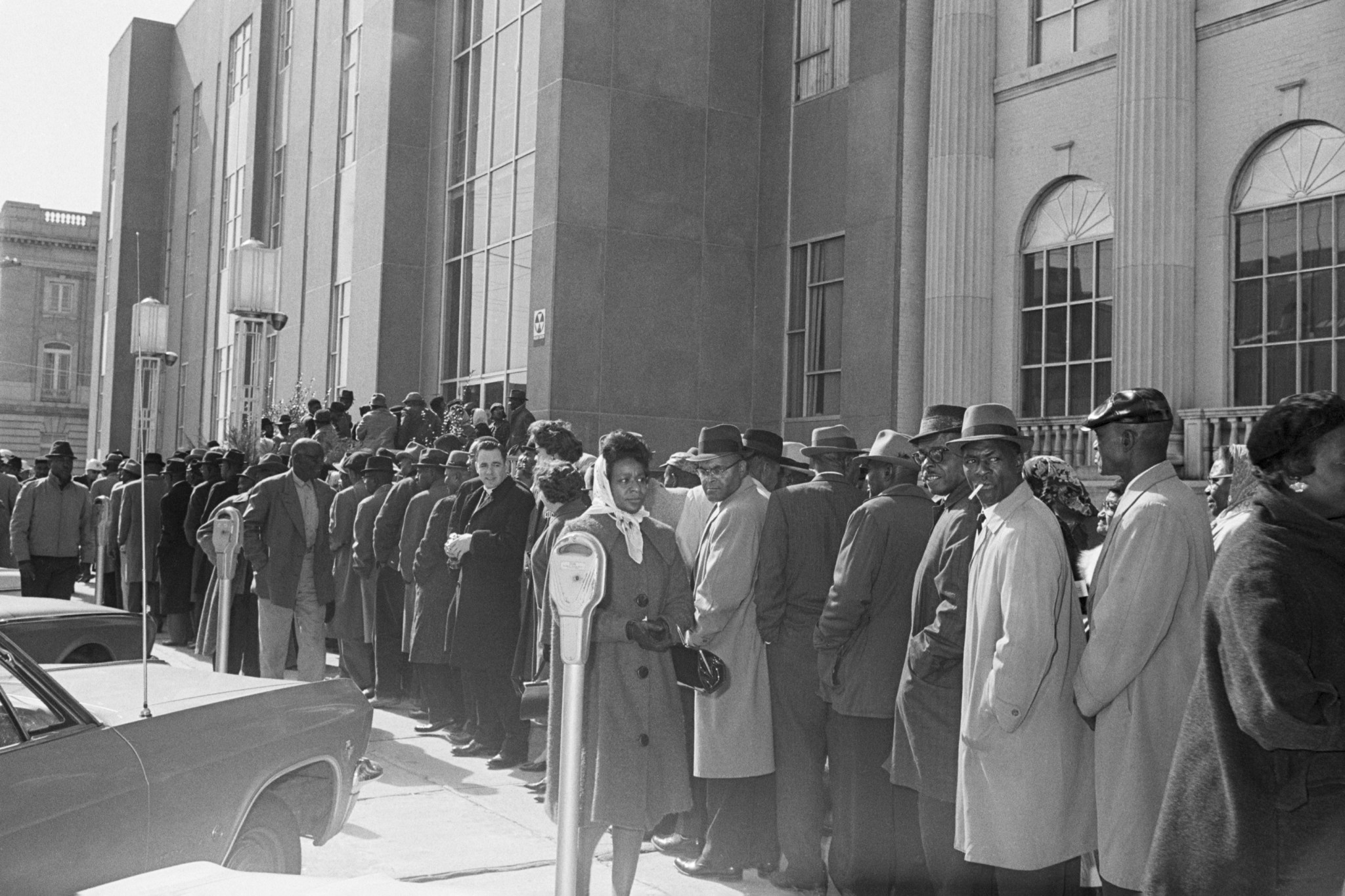
After kicking around some Jim Crow nostalgia, Mississippi passed HB 1020 last month, expanding the police and creating an all-white appointed judiciary for the capitol city of Jackson, which is 83% Black. Every other district in the state elects its judges and prosecutors. “Only in Mississippi would we have a bill like this…where we say solving the problem requires removing the vote from Black people,” Rep. Ed Blackmon (D-Jackson), told the local press. The bill passed after four hours of deliberation.
By the way, Tennessee has also passed more anti-LGBTQ+ laws than any other state in the country and is now the fifth state to ban gender-affirming care for trans youth. Building on that "success," the state passed bills allowing state or other officiants to decline to perform or support same-sex marriages, and one that requires drag artists to seek a permit before performing.
South Carolina is kicking around a bill allowing the state to execute women who have abortions. A similar bill, introduced by Texas last year, did not pass. But at press time, 21 South Carolina lawmakers were on board.
This is nothing new, of course. Lawmaking has always been a messy business, filled with fringe ideas that are often transformed in the unique crucible of public debate. And herein lies the problem: When fringe ideas become the law of the land, we are the ones permanently transformed, and not for the better.
The Indian Removal Act. The Chinese Exclusion Act. The many, many Jim Crow laws. Even the vaunted New Deal indelibly shaped American society by creating public housing specifically for white middle-class families who had become unhoused during the Great Depression, thereby segregating communities that had never previously been segregated. The many public debates on these bills were opportunities to weigh in, but those opportunities came and went.
We all live with the legacies of these legislative decisions, many of which have become invisible over time. But by paying attention now, we can shape a better future that we won’t come to regret.
Ellen McGirt
@ellmcgirt
Ellen.McGirt@fortune.com
This edition of raceAhead was edited by Ruth Umoh.