The United States and Iran have suspended indirect peace negotiations until mid-July after a new round of talks in Doha ended without a breakthrough on some of the most contentious issues left unresolved by the recent conflict, including the future of the Strait of Hormuz and Iran's role in Lebanon. Mediators from Qatar said the discussions showed "positive progress," but officials acknowledged that the two sides remain far apart on several core demands.
The talks, held separately between U.S. and Iranian delegations with Qatari and Pakistani mediators, were the latest attempt to build on the June ceasefire that halted months of fighting between Washington, Israel and Tehran. Unlike previous rounds that focused on ending military operations, this week's negotiations concentrated on technical issues, including maritime security in the Strait of Hormuz, the release of frozen Iranian assets and mechanisms for implementing parts of the preliminary peace framework.
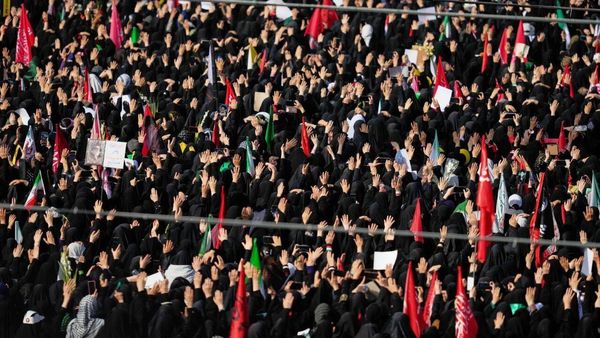
Officials from both countries agreed to pause formal negotiations until after the funeral ceremonies for Iran's Supreme Leader Ayatollah Ali Khamenei, who was killed during Israeli airstrikes at the start of the war. Iran has scheduled funeral processions beginning July 4 in Tehran before concluding ceremonies on July 9 in Mashhad, prompting heightened security across the country and warnings from Tehran that any new military action by the United States or Israel during the mourning period would trigger a forceful response.
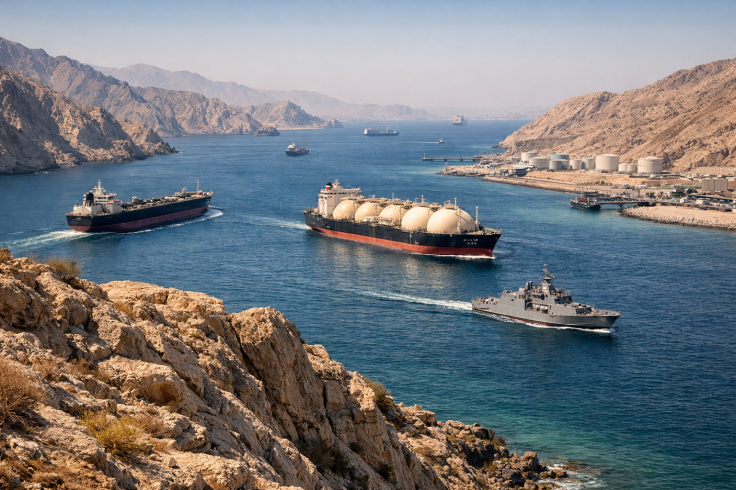
The biggest obstacle remains the Strait of Hormuz, the narrow waterway connecting the Persian Gulf to global shipping lanes and one of the world's most important energy corridors. Tehran continues to insist it should have authority over shipping rules and eventually collect transit fees after the expiration of the current interim arrangement. The United States rejects that position, arguing the strait is an international waterway where freedom of navigation must be protected under international law.
Another unresolved issue involves Lebanon. Although Israel and Lebanon recently reached a ceasefire intended to reduce cross-border fighting, Washington maintains that a lasting agreement with Tehran depends in part on reducing the influence of the Iranian-backed Hezbollah militia. Iran, meanwhile, continues to demand a complete Israeli withdrawal from southern Lebanon before broader regional issues can be settled, creating another major point of disagreement during the Qatar negotiations.
Despite the lack of an agreement, both sides characterized the discussions as worthwhile. Qatar's Foreign Ministry described the meetings as constructive and said negotiators made progress on technical aspects of the memorandum signed after the ceasefire, while U.S. President Donald Trump said discussions over Iran's future nuclear program were moving in the right direction even though nuclear issues were largely left off this week's agenda.
Financial markets reacted cautiously to the diplomatic stalemate. Gulf stock indexes mostly finished lower Thursday as investors weighed the absence of a breakthrough against expectations that negotiations will resume after the funeral period. Analysts said uncertainty surrounding the Strait of Hormuz continues to weigh on regional markets because roughly one-fifth of the world's seaborne oil trade passes through the strategic chokepoint.
The negotiations come after months of regional turmoil that disrupted shipping, sent oil prices soaring and triggered repeated exchanges of missile and drone attacks. Although a ceasefire reached in June significantly reduced direct fighting, both Washington and Tehran have accused each other of violating parts of the agreement, while clashes involving Hezbollah and Israeli forces have complicated efforts to negotiate a broader regional settlement.
For now, diplomats appear committed to preserving the peace process despite the impasse. Officials familiar with the negotiations said no additional formal meetings are expected until after Khamenei's funeral concludes on July 9, when mediators hope both sides will return to Doha to tackle the remaining disputes over maritime security, sanctions relief, regional stability and the framework for future nuclear negotiations.