WASHINGTON/LOS ANGELES (Reuters) - The Trump administration on Thursday took a major step toward opening Alaska's Arctic National Wildlife Refuge to oil drilling, drawing criticism from environmentalists and an effort by Democratic lawmakers to put the pristine wilderness area off limits to development.
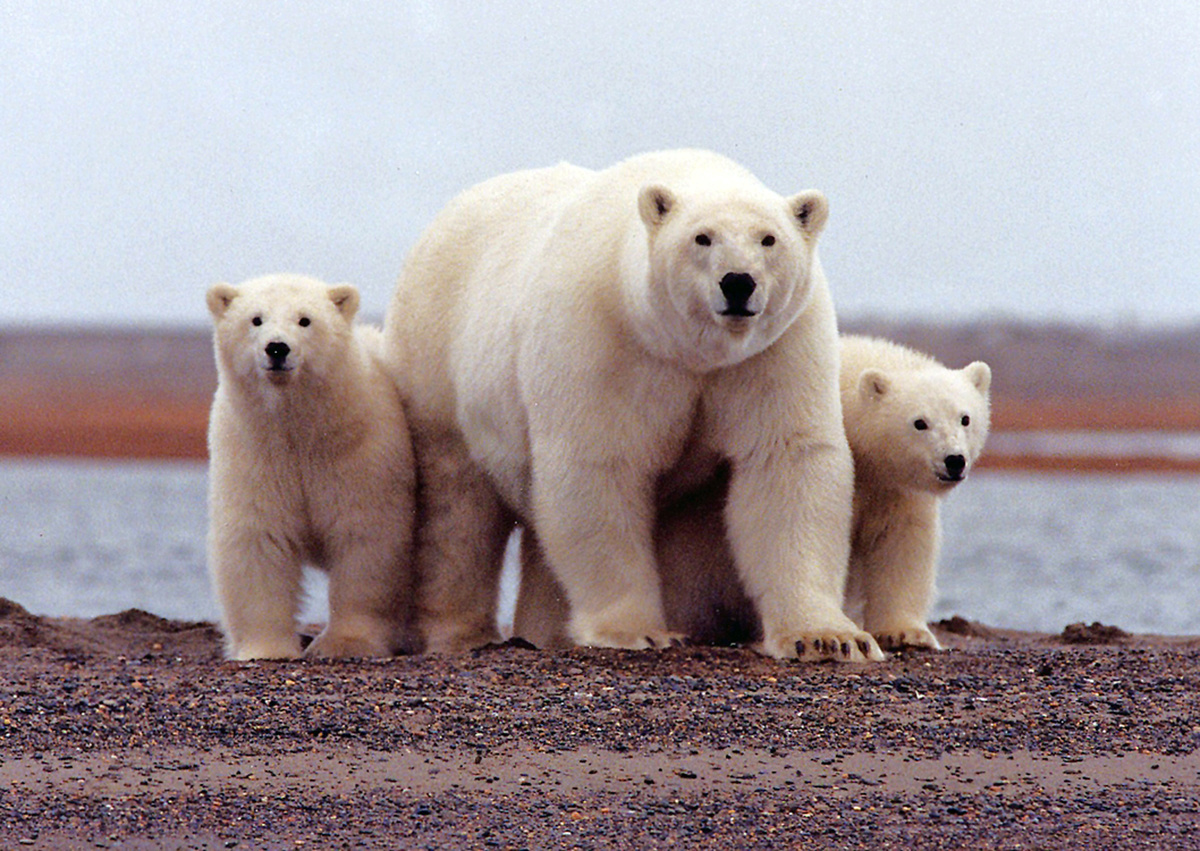
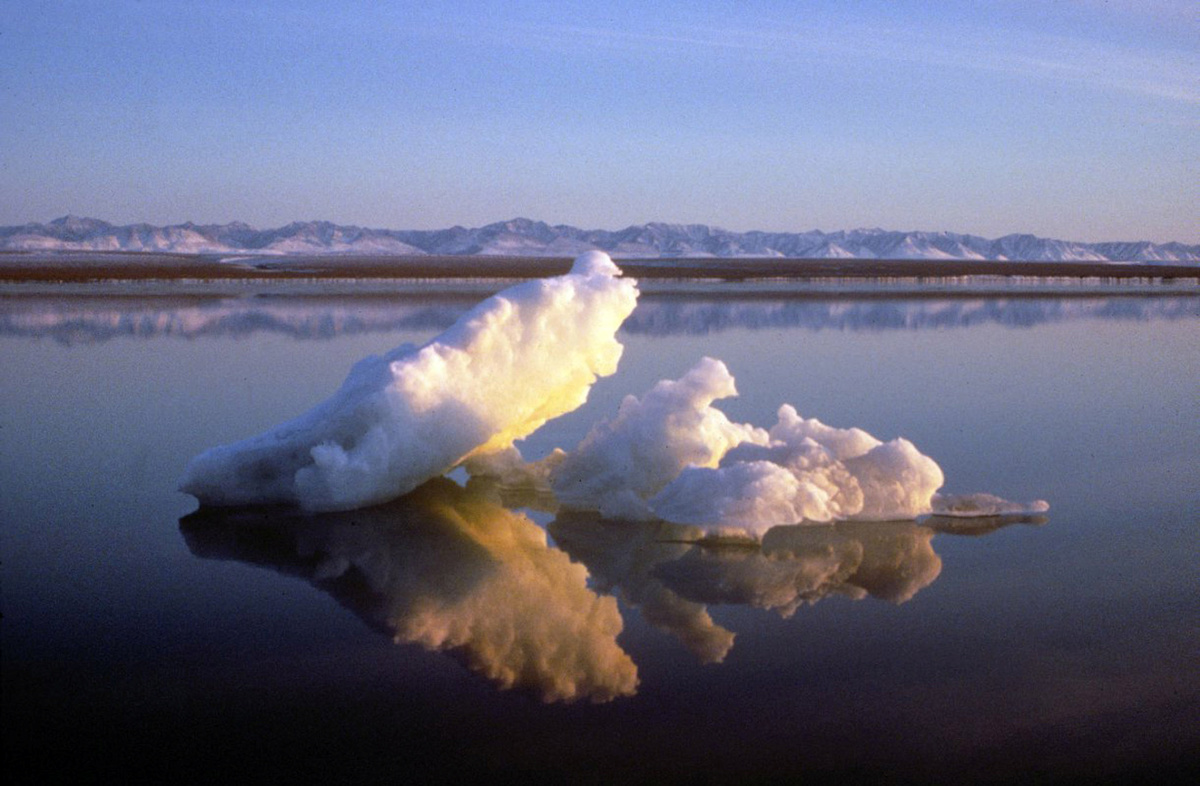
The Department of the Interior on Thursday issued the final environmental study for its plan to open up drilling in ANWR, a 19 million-acre area that is home to wildlife populations including Porcupine caribou, polar bears and millions of birds that migrate to six of the seven continents.
The document's publication puts the government on track to sell oil and gas leases there later this year, officials told reporters on a conference call.
In the analysis, known as an environmental impact statement, DOI said it favored offering for lease all 1.56 million acres of land under consideration in ANWR's coastal plain. The department could have opted to limit lease sales to fewer acres.
Three U.S. lawmakers from Alaska, all Republicans, applauded the decision.
"As Alaska has shown time and again, we can responsibly develop our resources, under the highest environmental standards, to grow our state and significantly contribute toward the goal of energy dominance for our country,” U.S. Senator Dan Sullivan said in a joint statement with Senator Lisa Murkowski and Representative Don Young.
Earlier in the day, the U.S. House of Representatives passed a bill to reverse the 2017 law that allows oil and gas drilling in part of ANWR.
The bill, sponsored by Representative Jared Huffman, a Democrat from California, passed 225-193. The measure is not expected to gain traction in the Republican-led Senate.
Officials from the Bureau of Land Management, which oversees DOI's drilling program, said they were not focused on that bill.
"We're rolling along as normal with what the law says rather than focusing on what the House vote was today," Chad Padgett, BLM Alaska State Director, told reporters.
ANWR is also home to bears, caribou, lynx and muskox, and overlies around 16 billion barrels of recoverable crude oil reserves, according to officials. It has been hotly contested between energy companies that want to develop it and conservationists that want to protect it since the 1970s.
Environmental groups decried the administration's plans to open up the refuge to drilling. "The majority of Americans want this sacred area protected," Garett Rose, a staff attorney at the Natural Resources Defense Council, said in a statement. "And within hours of Congress taking action, the Trump administration is moving with haste to destroy it."
Backers of drilling in ANWR say that blocking it would increase U.S. dependence on foreign oil and deprive local communities of jobs and resources.
On Wednesday, the House passed two bills to ban new oil and gas drilling off Florida and the Atlantic and Pacific coasts.
(Reporting by Timothy Gardner in Washington and Nichoa Groom in Los Angeles; Editing by Bill Berkrot and Matthew Lewis)