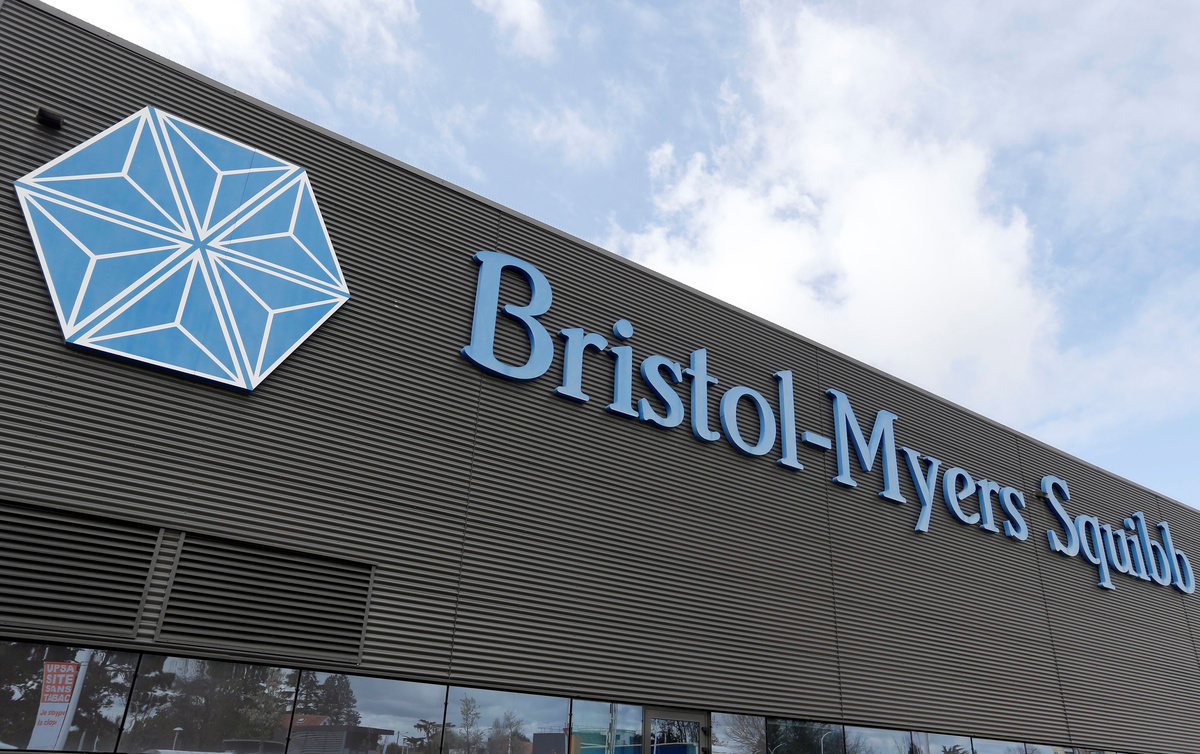
Bristol-Myers Squibb Co said on Thursday the U.S. Food and Drug Administration approved its multiple sclerosis (MS) treatment, Zeposia, but the launch would be delayed due to the coronavirus outbreak.
The drug, also known as ozanimod, was added to the U.S. drugmaker's portfolio through its $74 billion acquisition of Celgene last year and its approval was one of the three conditions set for a potentially higher payout for Celgene investors.
Celgene shareholders, as part of the deal, had received a "contingent value right" worth $9 per share if three high-profile drugs in the company's pipeline got U.S. approvals by March 2021.
Despite the delay, the approval brings the company into a highly lucrative market where rivals have recorded blockbuster sales.
Novartis AG's Gilenya brought in sales of over $2 billion in 2019, while the Swiss pharma major's new MS treatment, Mayzent, recorded sales of $17 million in the first quarter of its launch.
Bristol-Myers' drug is approved to treat relapsing forms of multiple sclerosis that are characterized by attacks where neurological function worsens.
Multiple sclerosis, which affects nearly 1 million people in the United States, is a potentially disabling disease in which the immune system attacks the protective myelin sheath that covers the nerves.
The drug helps reduce the migration of lymphocytes, or white blood cells, to the brain and the spinal cord, which the company says might be the likely reason for its therapeutic affect. However, the exact mechanism of the drug is unknown.
The approval comes when sales of Bristol-Myers' most important growth driver, cancer drug Opdivo, appear to have slowed, under pressure from Merck & Co Inc's Keytruda.
Sales of Opdivo have hovered around the $2 billion mark for most of last year but slipped to $1.76 billion in the latest reported quarter.
Through the Celgene deal, Bristol-Myers also has access to the company's cash cow, Revlimid, which faces patent expiration in the United States in 2027.
A company spokeswoman told Reuters that Bristol-Myers would finalize the price of the drug when it is launched.
Shares of the company were up marginally higher at $49 in trading before the bell.
(Reporting by Manas Mishra in Bengaluru; Editing by Vinay Dwivedi and Anil D'Silva)