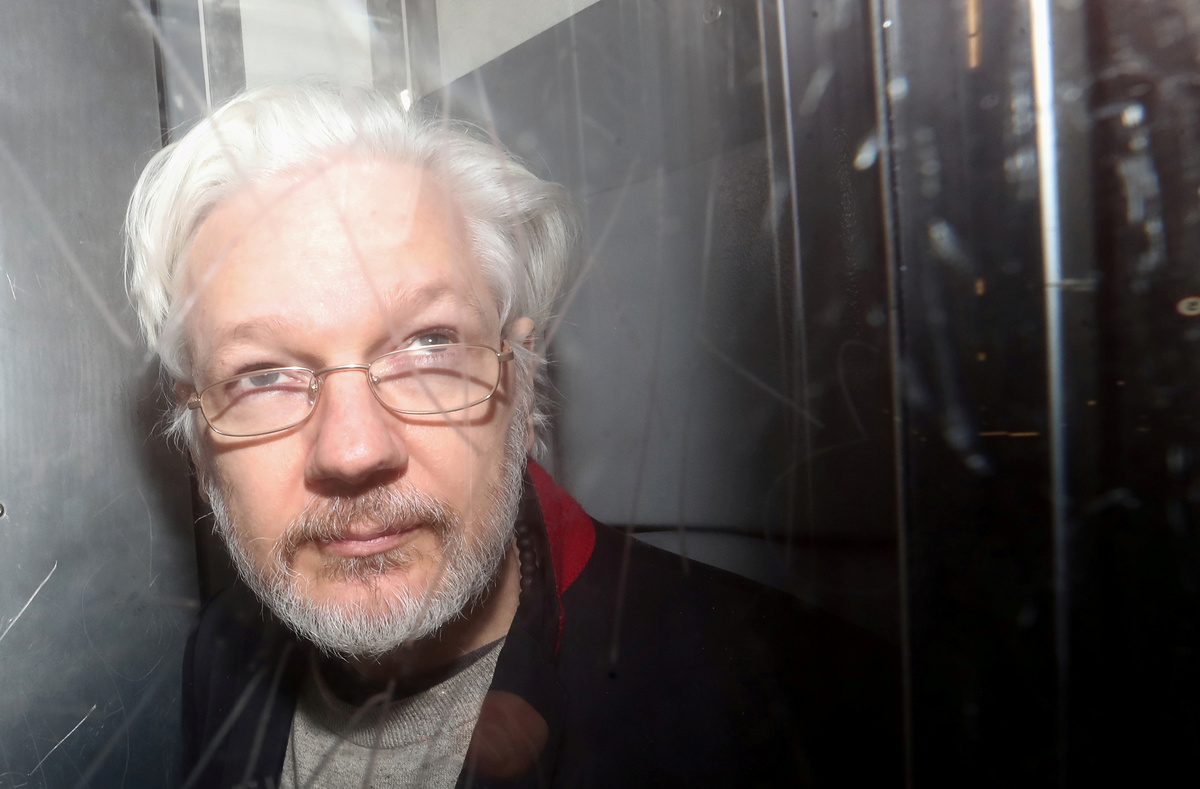
Julian Assange is wanted for crimes that put at risk the lives of people in Iraq, Iran and Afghanistan who had helped the West, some of whom later disappeared, said a lawyer acting for the United States in its bid to extradite him.
Almost a decade since his WikiLeaks website enraged Washington by leaking hundreds of thousands of secret U.S. documents, Assange, 48, is fighting extradition from Britain to the United States where he is accused of espionage and hacking.
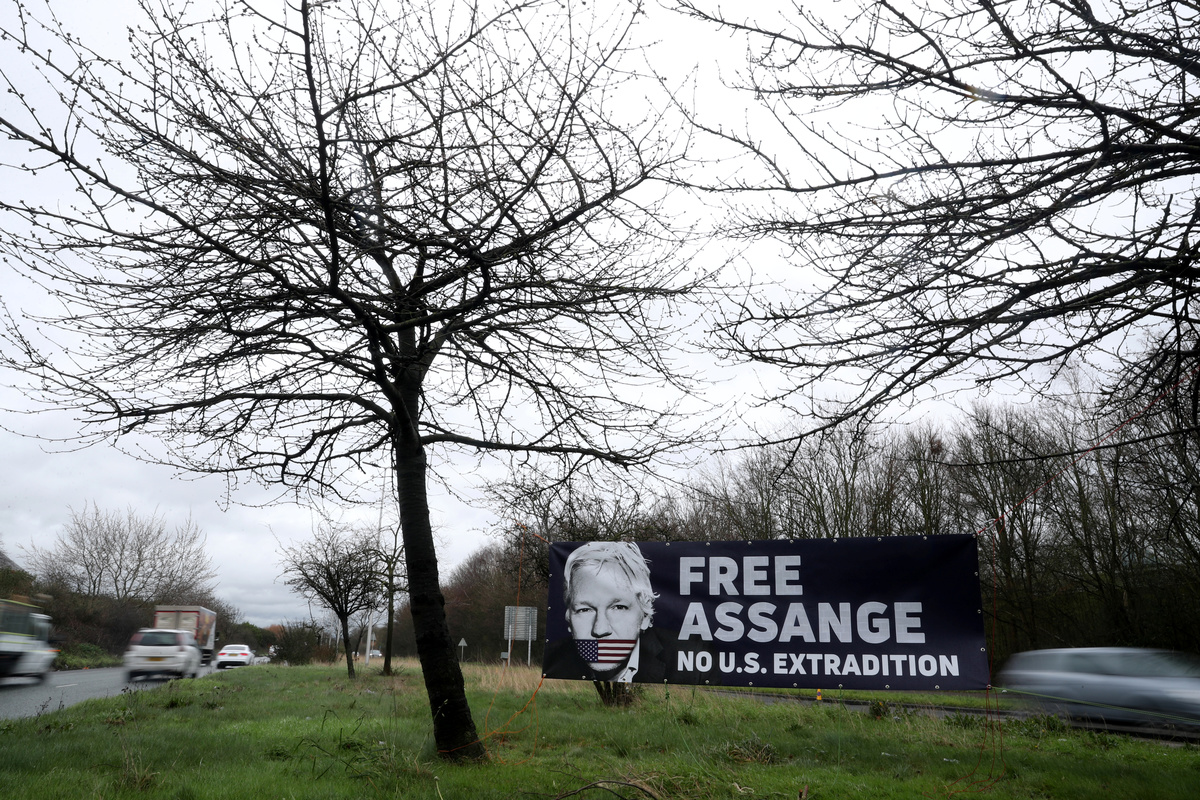
He was wanted, said James Lewis, lawyer for the U.S. authorities, not because he embarrassed the authorities but because he put informants, dissidents, and rights activists at risk of torture, abuse or death.
"What Mr Assange seems to defend by freedom of speech is not the publication of the classified materials but the publication of the names of the sources, the names of people who had put themselves at risk to assist the United States and its allies," Lewis said at London's Woolwich Crown Court.
The United States asked Britain to extradite Assange last year after he was pulled from the Ecuador embassy in London, where he had spent seven years holed up avoiding extradition to Sweden over sex crime allegations which have since been dropped.
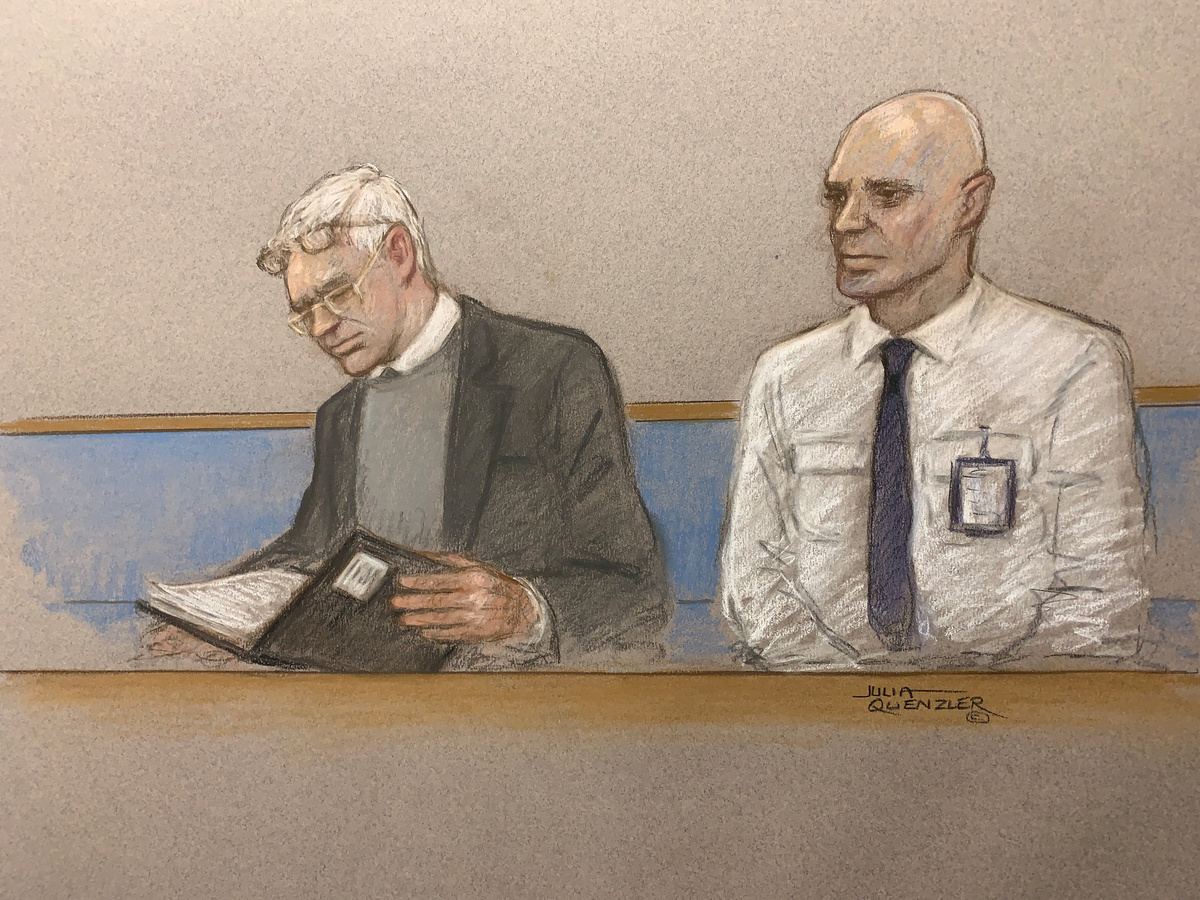
Assange has served a prison sentence in Britain for skipping bail and remains jailed pending the U.S. extradition request.
Lewis, speaking on behalf of the U.S. authorities, said hundreds of people across the world had to be warned after the WikiLeaks disclosures. Some had to be relocated. Others later disappeared, he said, although he said the United States would not try to prove that was directly a result of the disclosures.
Some WikiLeaks information was found at Osama bin Laden's hideout in Pakistan, he added.
The United States has charged Assange with 18 criminal counts of conspiring to hack government computers and violating an espionage law. Lewis said Assange had conspired with Chelsea Manning, then a U.S. soldier known as Bradley Manning, to hack Department of Defense computers.
HERO OR ENEMY?
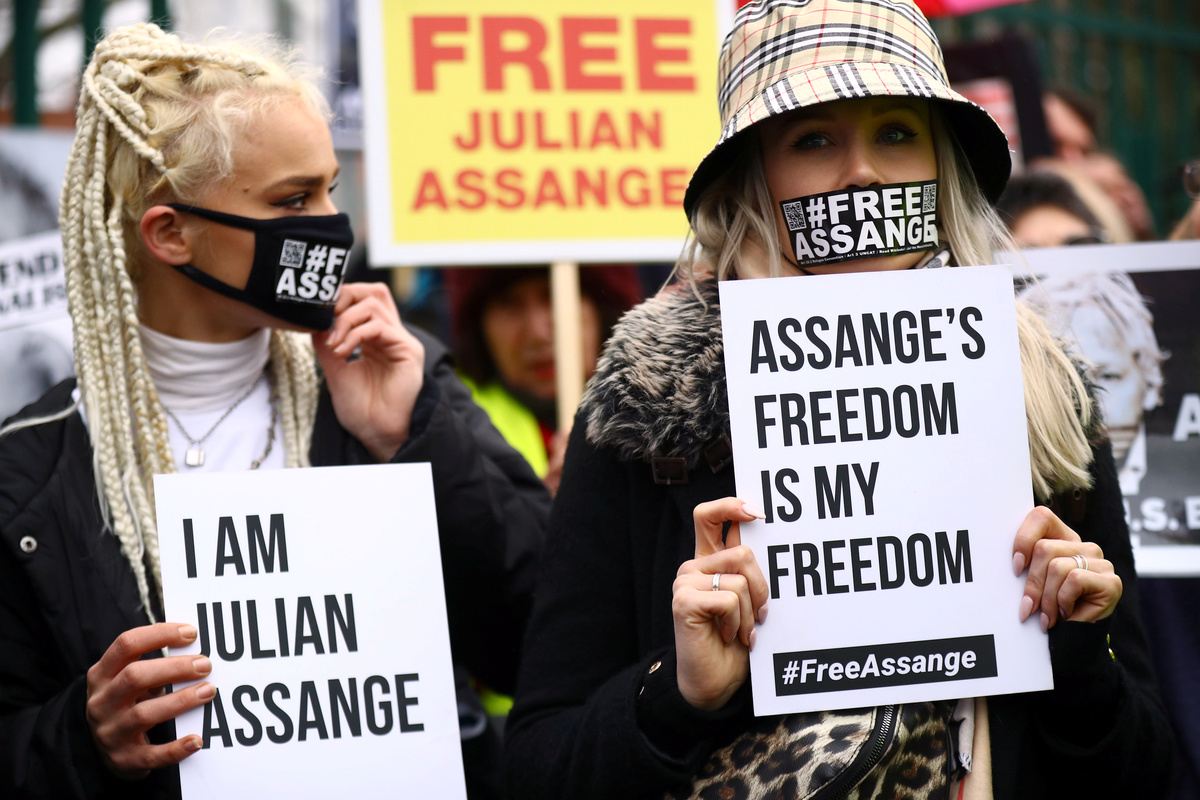
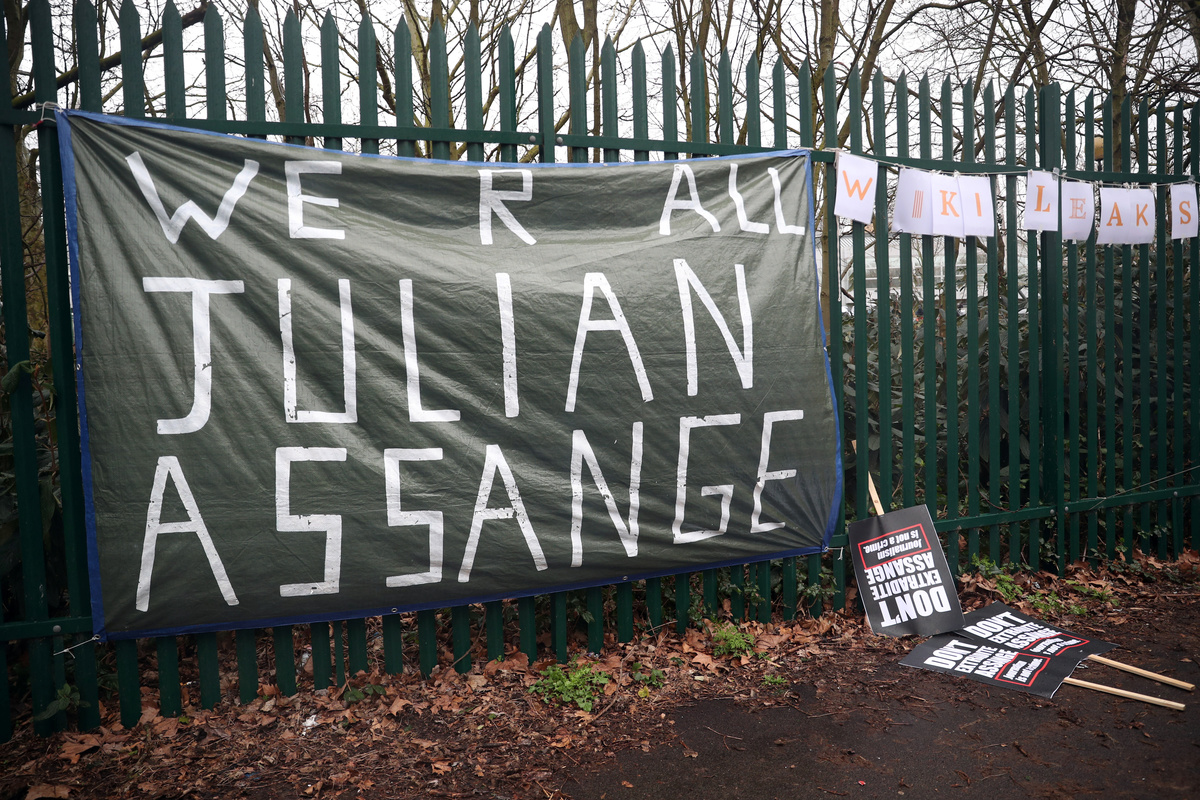
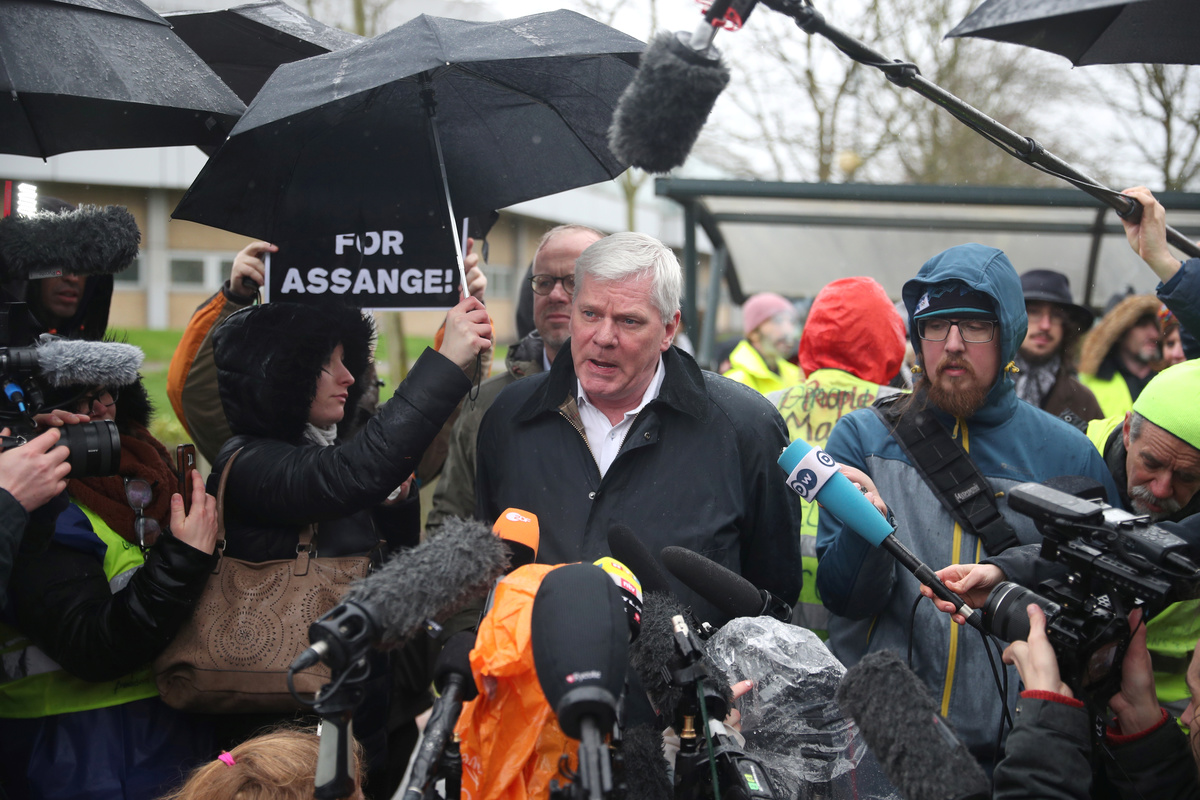
Supporters hail Assange as an anti-establishment hero who revealed governments' abuses of power, and argue the action against him is a dangerous infringement of journalists' rights.
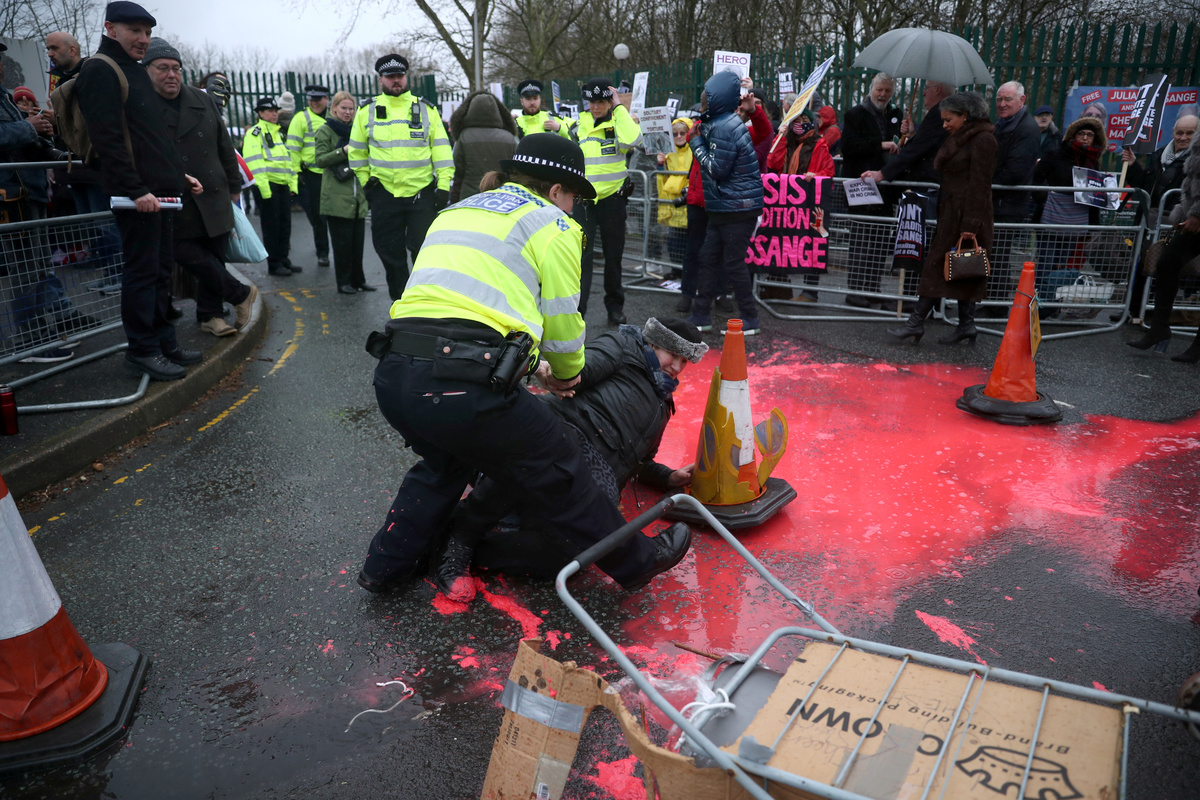
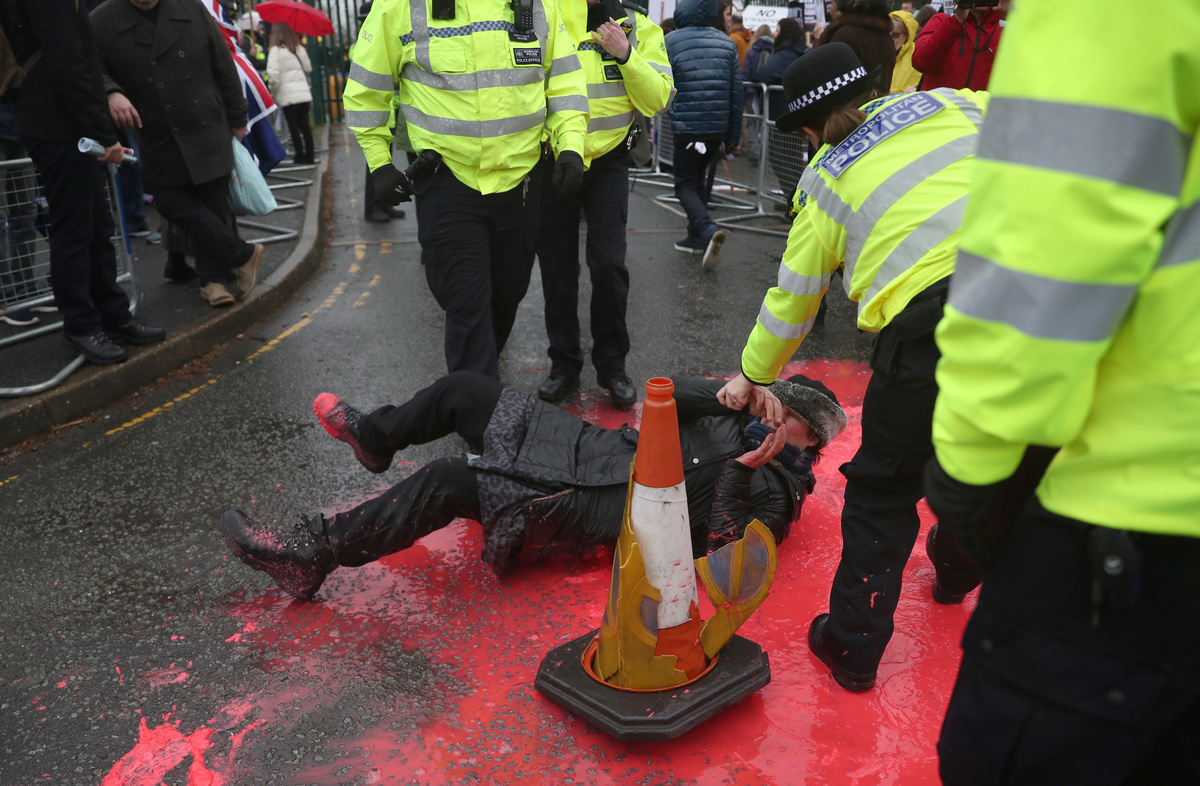
Chants from 100 of his backers outside could be clearly heard in court. Assange himself complained about the din.
"I'm finding it difficult concentrating," said a clean-shaven Assagne, dressed in a blue-grey suit. Judge Vanessa Baraitser warned those in the public gallery not to disturb the proceedings.
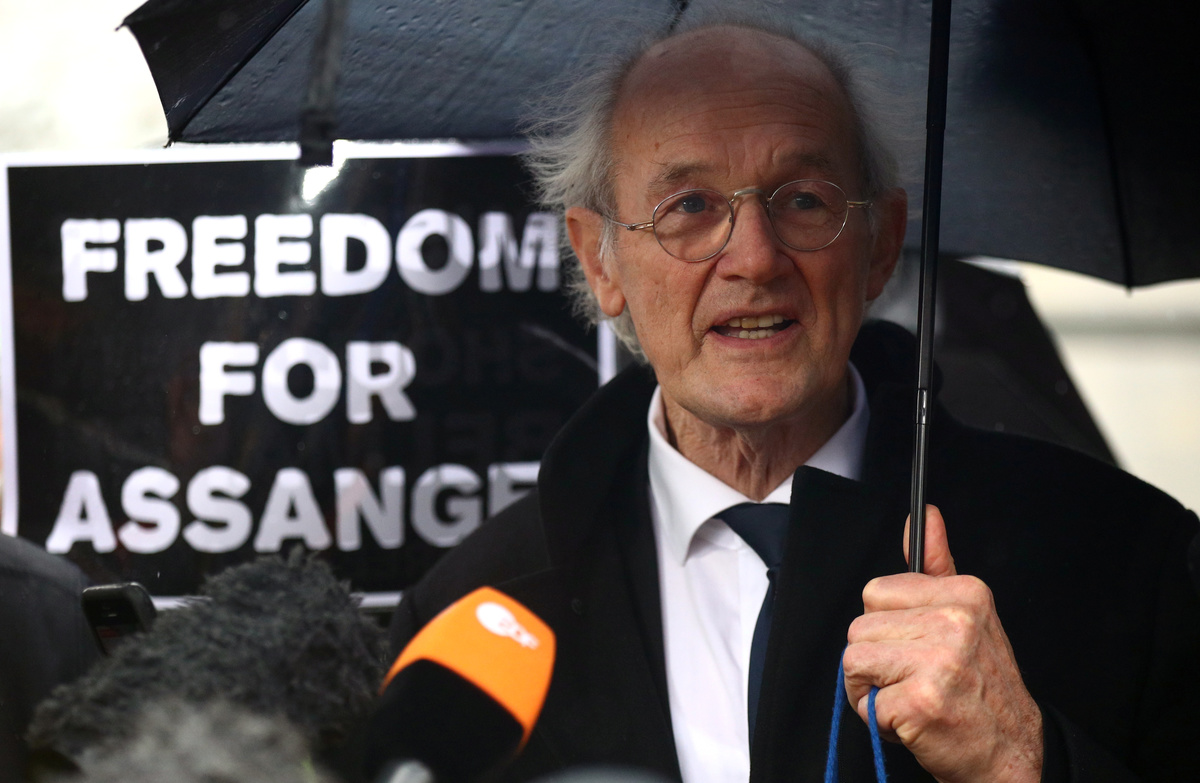
Assange's lawyer said he should not be extradited as he would not get a fair trial and would be a suicide risk.
Lawyer Edward Fitzgerald said that the U.S. attitude to Assange had changed when Donald Trump came to power and that the U.S. president wanted to make an example of his client.
He said that in 2013 the U.S. government under former President Barack Obama had decided that Assange should not face any action. But that in 2017, after the 2016 election of Trump, an indictment was brought against Assange.
Why the change? "The answer is President Trump came into power with a new approach to freedom of speech and a new hostility to the press amounting effectively to declaring war on investigative journalists," Fitzgerald said.
He said conversations between Assange and his lawyers in the Ecuadorean embassy were secretly monitored by U.S. spies who received information from a private security company bugging the building.
In addition to releasing military records, WikiLeaks angered Washington by publishing secret U.S. diplomatic cables that laid bare critical U.S. appraisals of world leaders.
Assange made headlines in 2010 when WikiLeaks published a classified U.S. military video showing a 2007 U.S. helicopter strike in Baghdad that killed a dozen people, including two Reuters news staff.
(Editing by Guy Faulconbridge and Peter Graff)