The breakdown in trade negotiations came during a week that saw the 100th anniversary of the May 4th Movement and the 20th anniversary of the U.S. bombing of the PRC embassy in Belgrade, an incident that set off a wave of protests in China against the U.S.
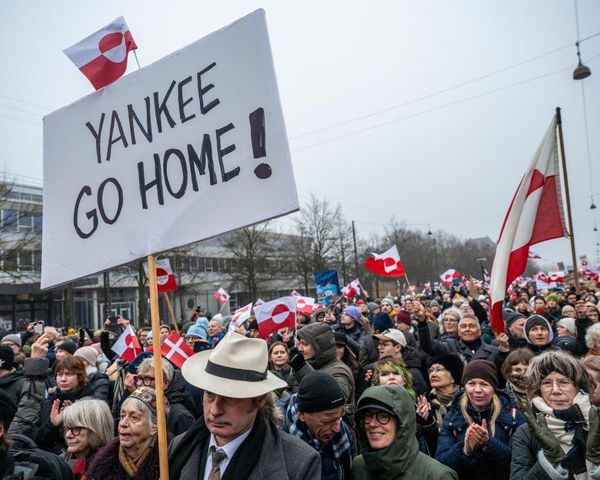
Why it matters: The trade war is just one component of a rapidly deteriorating U.S.-China relationship. Even if there is a deal, the deeper tensions will only intensify, and the risk of a surge in anti-American sentiment is real.
The impact: One result of the trade war, even if there is a deal in the near-term, will likely be the attempts to increasingly harness nationalism and anti-American sentiment. There have been some glimmers in the last few days.
- "Taoran Notes 陶然笔记," a WeChat account connected to the official Economic Daily newspaper, wrote Wednesday that China is willing to talk if the U.S. is, and is also willing to fight a trade war if that is what the U.S. wants.
- That post went on to say that in 2 of the nearly 3 years of the "War to Resist U.S. aggression and aid Korea" (China's name for the Korean War) the U.S. and Chinese sides were both talking and fighting.
Several well-known hawks have been quite vocal in their desire to see the trade talks fail (Financial Times):
Go deeper: