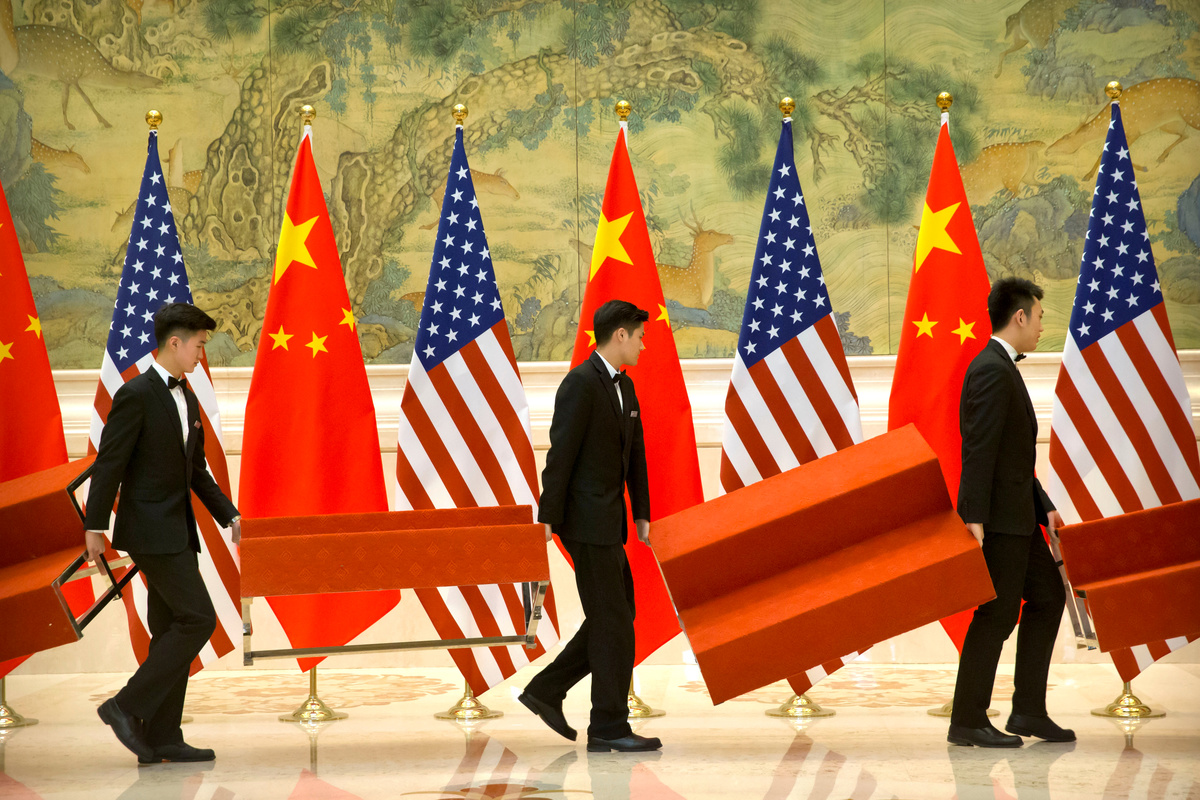
BEIJING/WASHINGTON (Reuters) - China accused the United States on Monday of harbouring "extravagant expectations" for a trade deal, underlining the gulf between the two sides as U.S. action against China's technology giant Huawei began hitting the global tech sector.
Adding to tensions, the U.S. military said one of its warships sailed near the disputed Scarborough Shoal claimed by China in the South China Sea on Sunday, the latest in a series of "freedom of navigation operations" to anger Beijing.
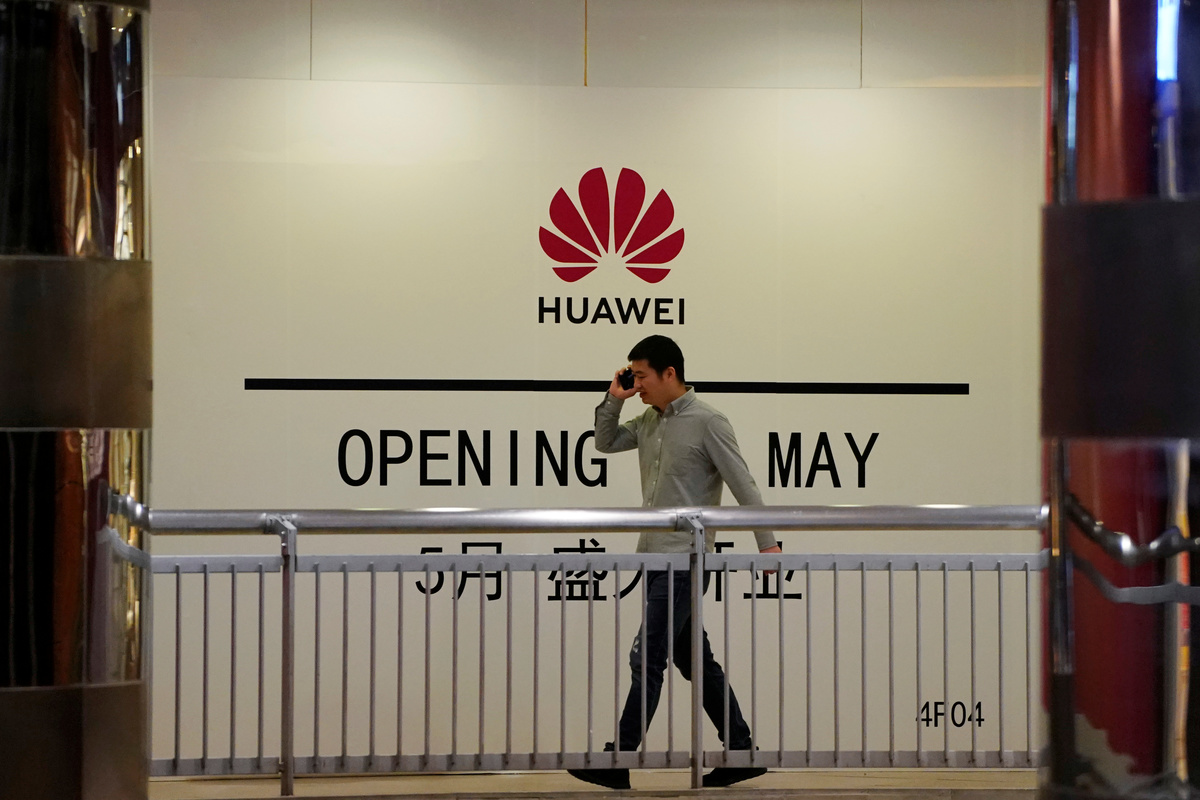
Alphabet Inc's Google has also suspended business with China's Huawei Technologies Co Ltd that requires the transfer of hardware, software and technical services, except those publicly available via open source licensing, a source familiar with the matter told Reuters on Sunday.
The decision was a blow to the company the U.S. government has sought to blacklist around the world.
Shares in European chipmakers Infineon Technologies, AMS and STMicroelectronics fell sharply on Monday amid worries the Huawei suppliers may suspend shipments to the Chinese firm due to the U.S. blacklisting.
The Trump administration's addition of Huawei to a trade blacklist on Thursday immediately enacted restrictions that will make it extremely difficult for it to do business with U.S. counterparts.
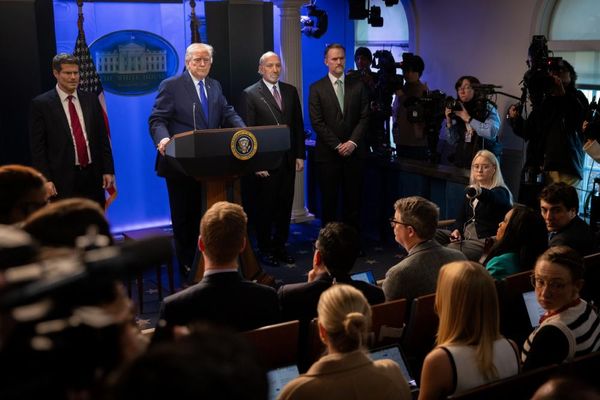
In an interview with Fox News Channel recorded last week and aired on Sunday night, Trump said the United States and China "had a very strong deal, we had a good deal, and they changed it. And I said 'that's OK, we're going to tariff their products'."
In Beijing, Chinese Foreign Ministry spokesman Lu Kang said he didn't know what Trump was talking about.
"We don't know what this agreement is the United States is talking about. Perhaps the United States has an agreement they all along had extravagant expectations for, but it's certainly not a so-called agreement that China agreed to," he told a daily news briefing.
The reason the last round of China-U.S. talks did not reach an agreement is because the United States tried "to achieve unreasonable interests through extreme pressure", Lu said."From the start this wouldn't work."
China went into the last round of talks with a sincere and constructive attitude, he said.
"I would like to reiterate once again that China-U.S. economic and trade consultation can only follow the correct track of mutual respect, equality and mutual benefit for there to be hope of success."
No further trade talks between top Chinese and U.S. negotiators have been scheduled since the last round ended on May 10 - the same day Trump raised the tariff rate on $200 billion worth of Chinese products from 10 percent.
Trump took the step after the United States said China backtracked on commitments in a draft deal that had been largely agreed.
STERNER TONE
Since then, China has struck a sterner tone, suggesting that a resumption of talks aimed at ending the 10-month trade war between the world's two largest economies was unlikely to happen soon.
Beijing has said it will take "necessary measures" to defend the rights of Chinese companies but has not said whether or how it will retaliate over the U.S. actions against Huawei.
Later on Monday, the official China Daily also lambasted the latest U.S. actions in a strongly worded editorial, saying that with its treatment of Huawei, the U.S. government had revealed all its ugliness in its dealings with other countries.
"It seems as if the U.S. takes it for granted that it has the absolute say over everything in its dealings with the rest of the world, which has to take whatever the U.S. dishes out no matter how arbitrary and despotic that is," China Daily said.
"But China will not take it and neither will Huawei."
The editor of the Global Times, an influential tabloid run by the ruling Communist Party's People's Daily, tweeted on Monday that he had switched to a Huawei phone, although he said his decision did not mean that he thinks it is right to boycott Apple and that he was not throwing away his iPhone.
"While the U.S. spares no efforts to subdue Huawei, out of personal belief, I chose to support the well respected company by using its product," Hu Xijin tweeted.
Trump, who said the interview with Fox News host Steve Hilton had taken place two days after he raised the tariffs, said he would be happy to simply keep tariffs on Chinese goods, but that he believed China would eventually make a deal with the United States "because they're getting killed with the tariffs".
But he said he had told Chinese President Xi Jinping before the most recent rounds of talks that any deal could not be "50-50" between the two countries and had to be more in favour of the United States because of past trade practices by China.
(Reporting by David Lawder and Ben Blanchard; Writing by Tony Munroe; Editing by Richard Borsuk, Robert Birsel and Mark Heinrich)