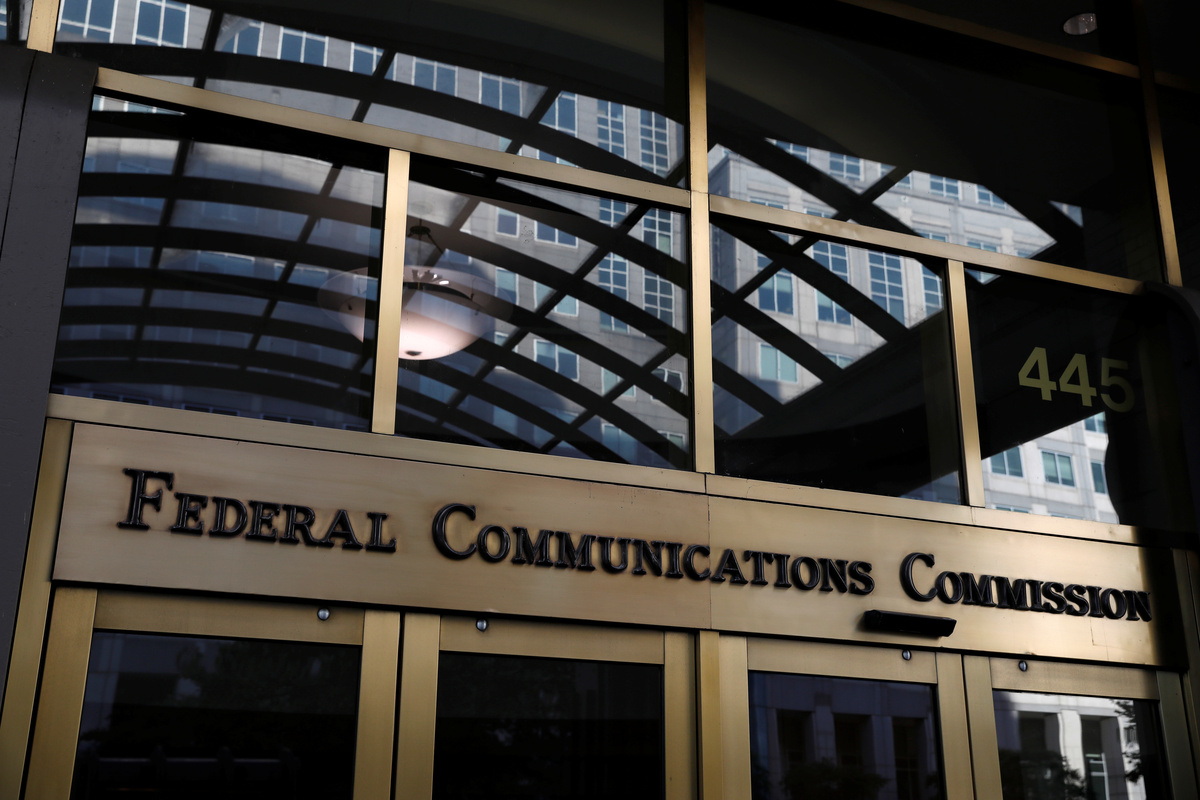
The Federal Communications Commission said Monday it is moving to finalize rules for a temporary $3.2 billion program funded by Congress to provide lower-income Americans with discounts on monthly internet service and on purchasing a laptop or tablet computer.
Internet access has become even more critical during the COVID-19 pandemic as millions of children attend school online. The discounts are worth up to $50 a month for internet service, and up to $75 on Tribal Lands.
Acting FCC Chairwoman Jessica Rosenworcel said Monday she was circulating for a vote a report and final order to establish rules for the program.
"From work to healthcare to education, this crisis has made it clear that without an internet connection too many households are locked out of modern life," Rosenworcel said in a statement.
Under the program, households will also be able to get a government discount of up to $100 on a laptop, tablet or desktop computer from participating providers. The buyer must contribute up to $50 to the purchase price.
Americans are eligible if they receive benefits under the free and reduced-price school lunch program, experienced a substantial loss of income since early 2020, receive a Federal Pell Grant; or meet eligibility criteria for participating providers’ existing low-income or COVID-19 programs.
The California Public Utilities Commission said the FCC should set affordable pricing for the program "for a predictable time frame" and added it agrees "the "$3.2 billion will be allocated quickly."
The city of Chicago urged the FCC to create a program "with clear, available data and communications regarding its likely length and the amount of remaining funds."
Congress said the program would last at least six months but could be longer based on when the Department of Health and Human Services Department determines the public health emergency is over.
(Reporting by David Shepardson, Editing by Rosalba O'Brien and David Gregorio)