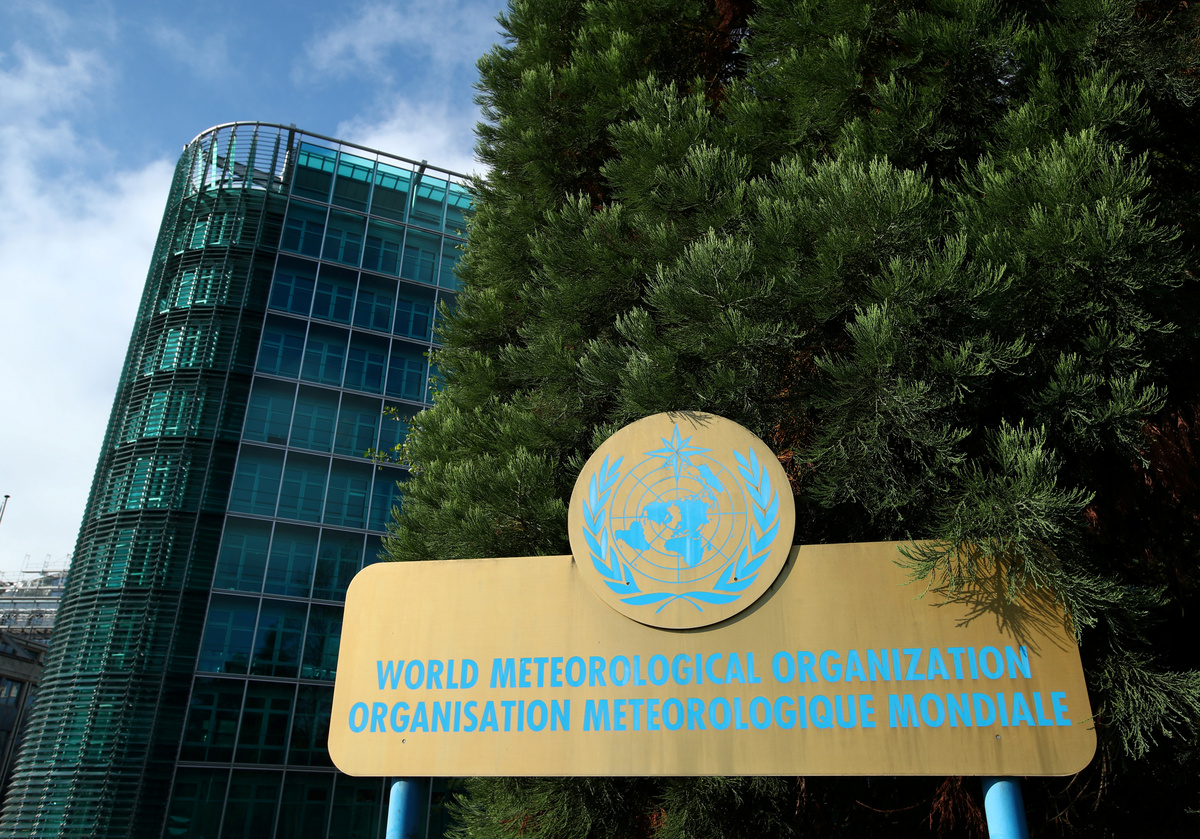
The U.N. weather agency on Friday endorsed a policy to fill "severe gaps" in global data-sharing, which have diminished the accuracy of forecasts at a time when they are needed to track extreme weather events linked to climate change.
Since its establishment in 1951, the World Meteorological Organization's (WMO) primary aim has been to coordinate the acquisition and exchange of data that provide the basis for weather forecasts. These rely on round-the-clock weather observations from all around the globe but some gaps have emerged in data coverage, the WMO said.
"Severe gaps in data and weather observations, especially in Africa and island states, have a major negative impact on the accuracy of early warnings both locally and globally," WMO secretary-general Petteri Taalas said.
While the number of satellite data used for weather forecasts has increased in recent years, readings from some more old-fashioned instruments have waned.
Lars Peter Riishojgaard, who drafted the new policy and is director of the Earth System Branch at the U.N. agency, cited the example of radiosondes -- an instrument that is carried into the atmosphere by a balloon. Data from these instruments coming from Africa has halved over five years, he told Reuters.
The new resolution, known formally as the WMO Unified Data Policy, also envisages data sharing beyond the traditional areas of weather, climate and water data to also incorporate the atmospheric composition, oceans, cryosphere and space weather.
The WMO said the policy would "help its members meet the explosive growth in demand for weather, climate and water services as the world grapples with the dual challenges of climate change and the increasing frequency of extreme weather events."
Riishojgaard cited the importance of sharing heat readings from deep ocean layers to improve climate models.
The new policy still be approved by all 193 WMO members at another meeting in October.
Developing countries are expected to receive financial assistance to comply with the new policy and will benefit through improved access to key data themselves, the WMO said.
(Reporting by Emma Farge; Editing by Aurora Ellis)