Britain on Wednesday proposed that the U.N. Security Council call for ceasefires to allow for COVID-19 vaccinations, a move that will be a key test of cooperation at the United Nations between China and new U.S. President Joe Biden's administration.
Britain's Foreign Secretary Dominic Raab urged a "swift adoption" by the 15-member council of a draft resolution calling for vaccination ceasefires, warning that 160 million people are at risk of missing out due to instability and conflict.
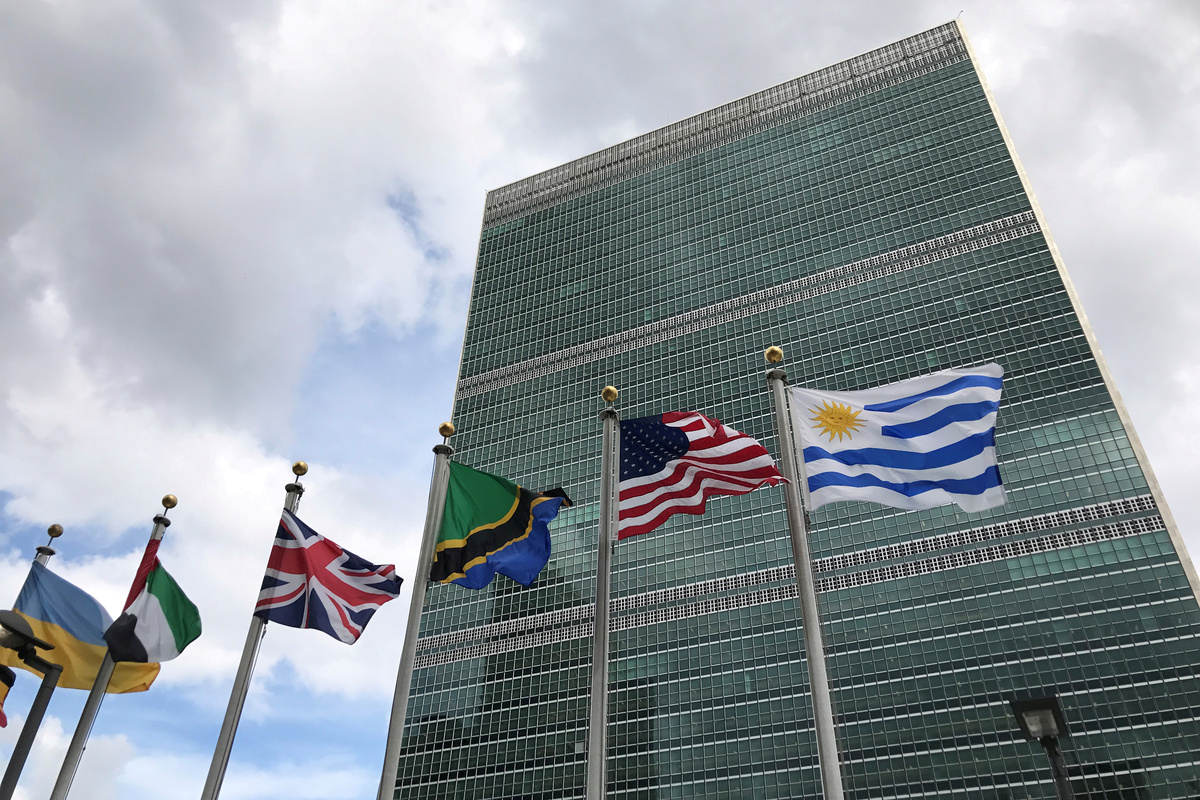
"Local ceasefires are going to be essential to enable lifesaving vaccinations to take place," Raab said.
The U.N. Security Council took more than three months to back a call by Secretary-General Antonio Guterres for a global pandemic ceasefire last year due to bickering between China and former U.S. President Donald Trump's administration.
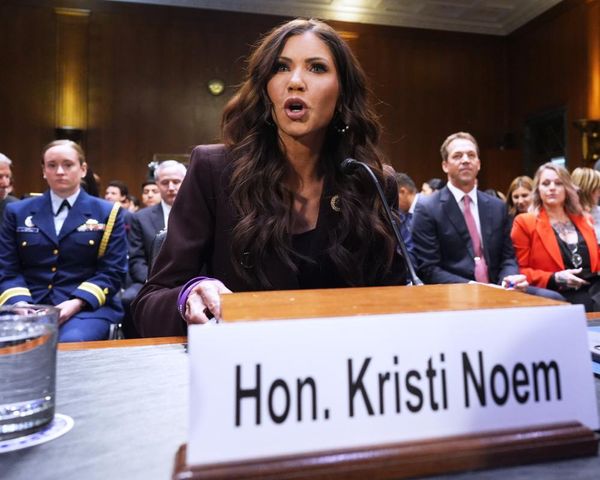
"We need to resist the prejudice, respect science and reject disinformation and attempts to politicize the pandemic. In this regard, members of the Security Council must lead by example," China's Foreign Minister Wang Yi told the council on Wednesday.
He made no mention of the British initiative and instead pushed warring parties to implement ceasefires called for by the Security Council in the resolution adopted in July, while Russia's U.N. Ambassador Vassily Nebenzia signaled that another resolution is not needed.
Britain's U.N. Ambassador Barbara Woodward hopes the council can adopt a new resolution in "the coming weeks."
'WILDLY UNEVEN, UNFAIR'
Long-simmering tensions between China and the Trump administration hit the boiling point over the pandemic, spotlighting Beijing's bid for greater multilateral influence in a challenge to Washington's traditional leadership at the United Nations.
U.S. Secretary of State Antony Blinken said Washington would pay by the end of the month more than $200 million it owes to the World Health Organization (WHO). Biden rescinded a Trump decision to withdraw from the Geneva-based body this year.
Blinken said an ongoing WHO inquiry into the pandemic origins must be independent, based on science and facts and free from interference. The White House has raised concerns that China, where the virus first emerged in 2019, could alter the report.
"To better understand this pandemic and prepare for the next one all countries must make available all data from the earliest days of any outbreak," Blinken said, without mentioning China.
The Trump administration accused Beijing of a lack of transparency that it says worsened the COVID-19 outbreak. China denied those assertions.
Secretary-General Guterres appealed for a global immunization plan, urging the Group of 20 rich and big emerging powers to take the lead.
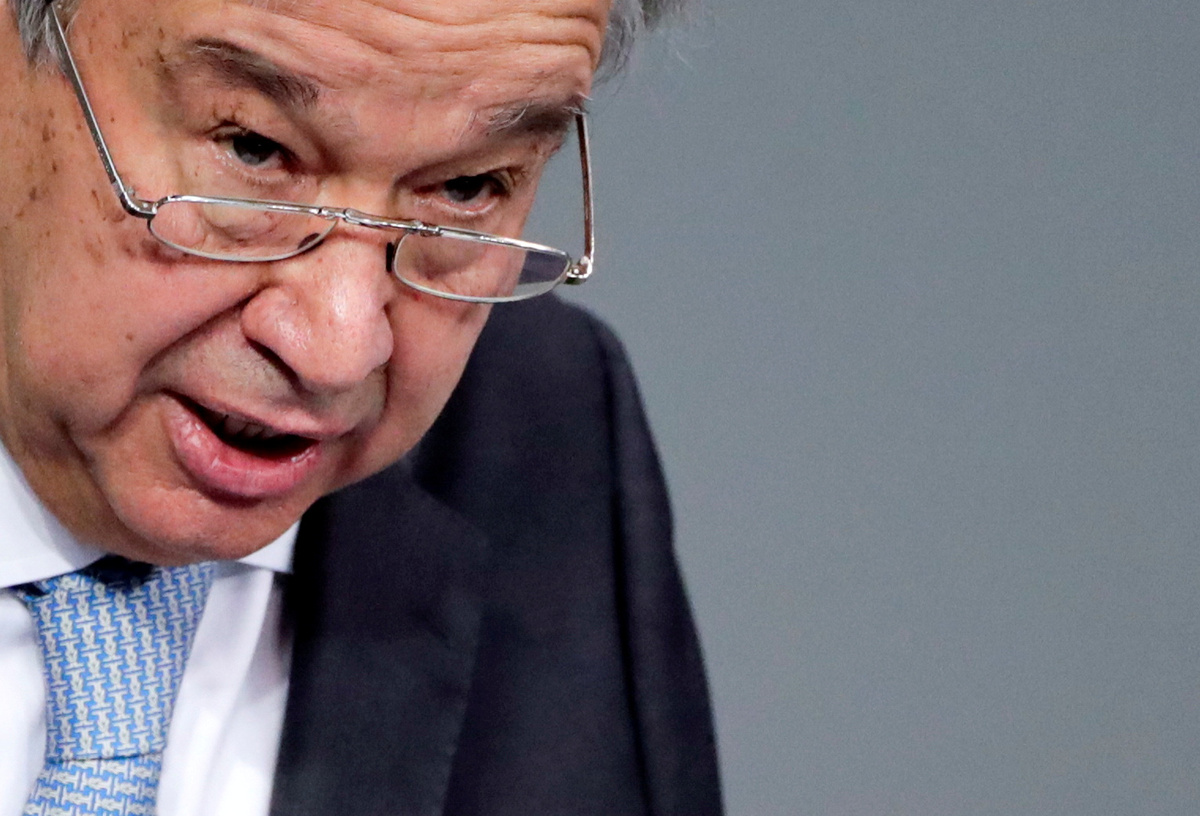
"We must ensure that everybody, everywhere, can be vaccinated as soon as possible. Yet progress on vaccinations has been wildly uneven and unfair," Guterres told the council.
"Just 10 countries have administered 75% of all COVID-19 vaccines. Meanwhile, more than 130 countries have not received a single dose. Those affected by conflict and insecurity are at particular risk of being left behind."
(Reporting by Michelle Nichols; Editing by Alex Richardson and Jonathan Oatis)