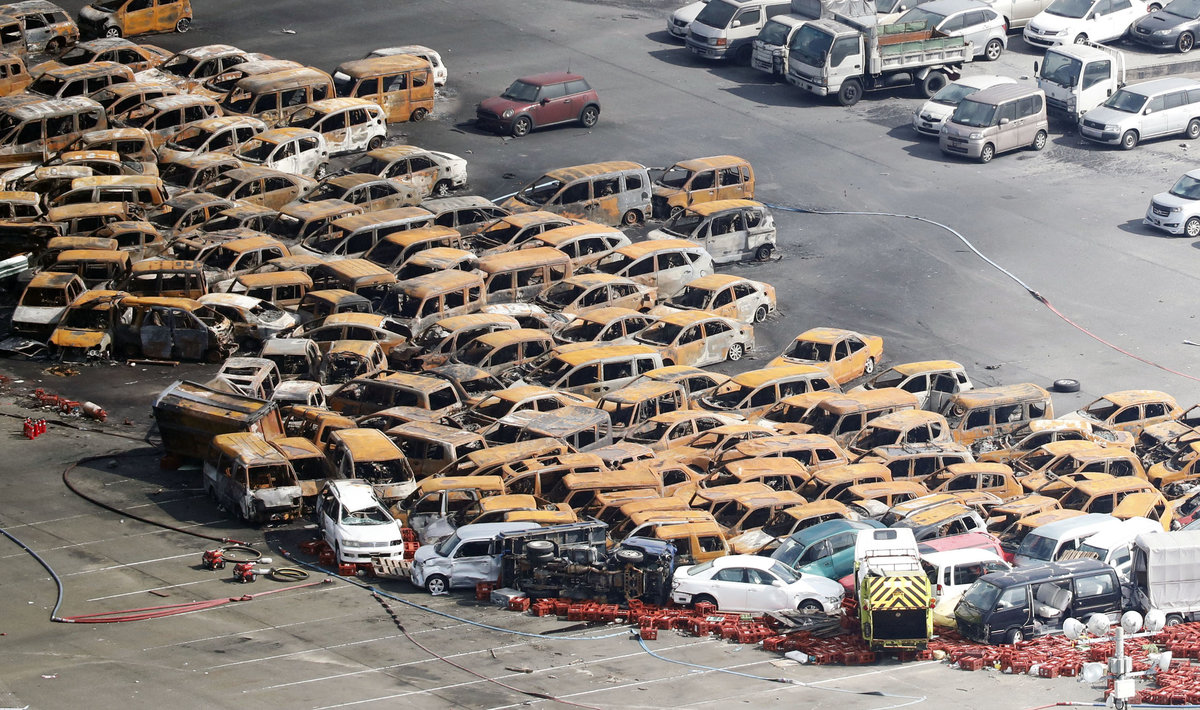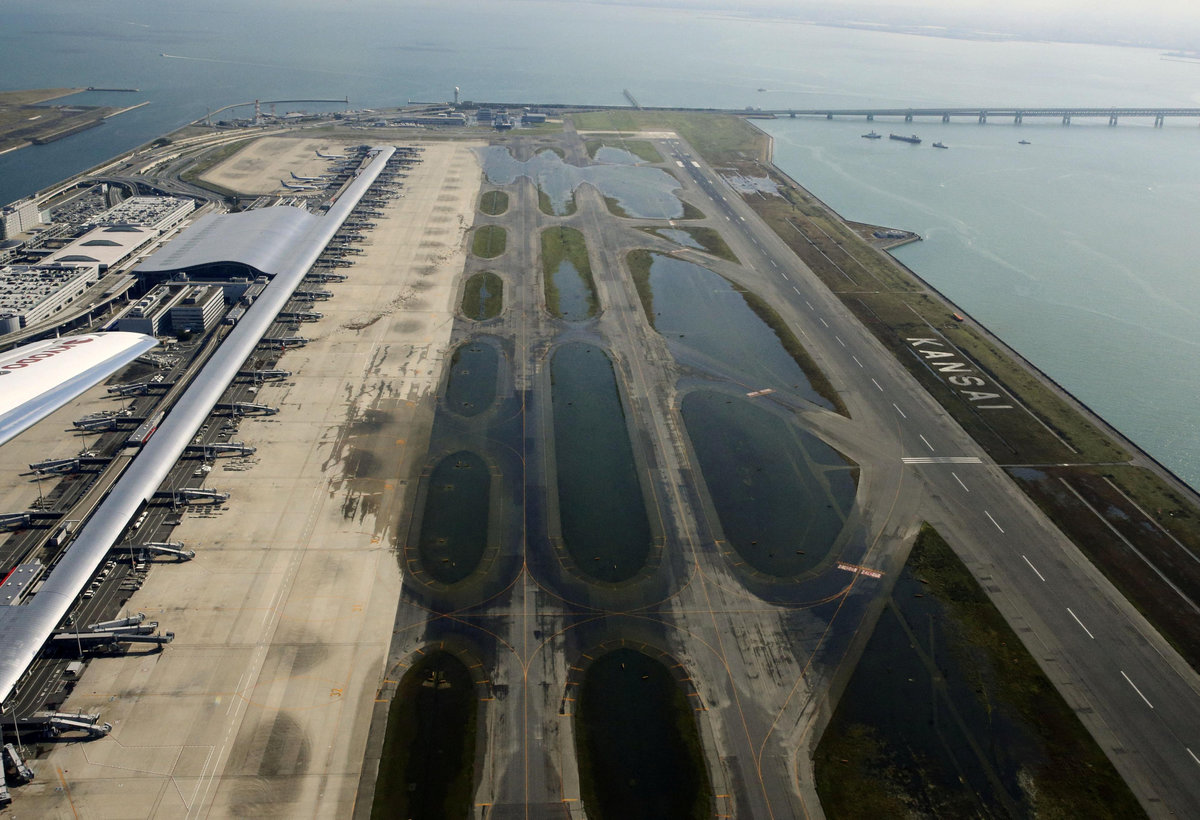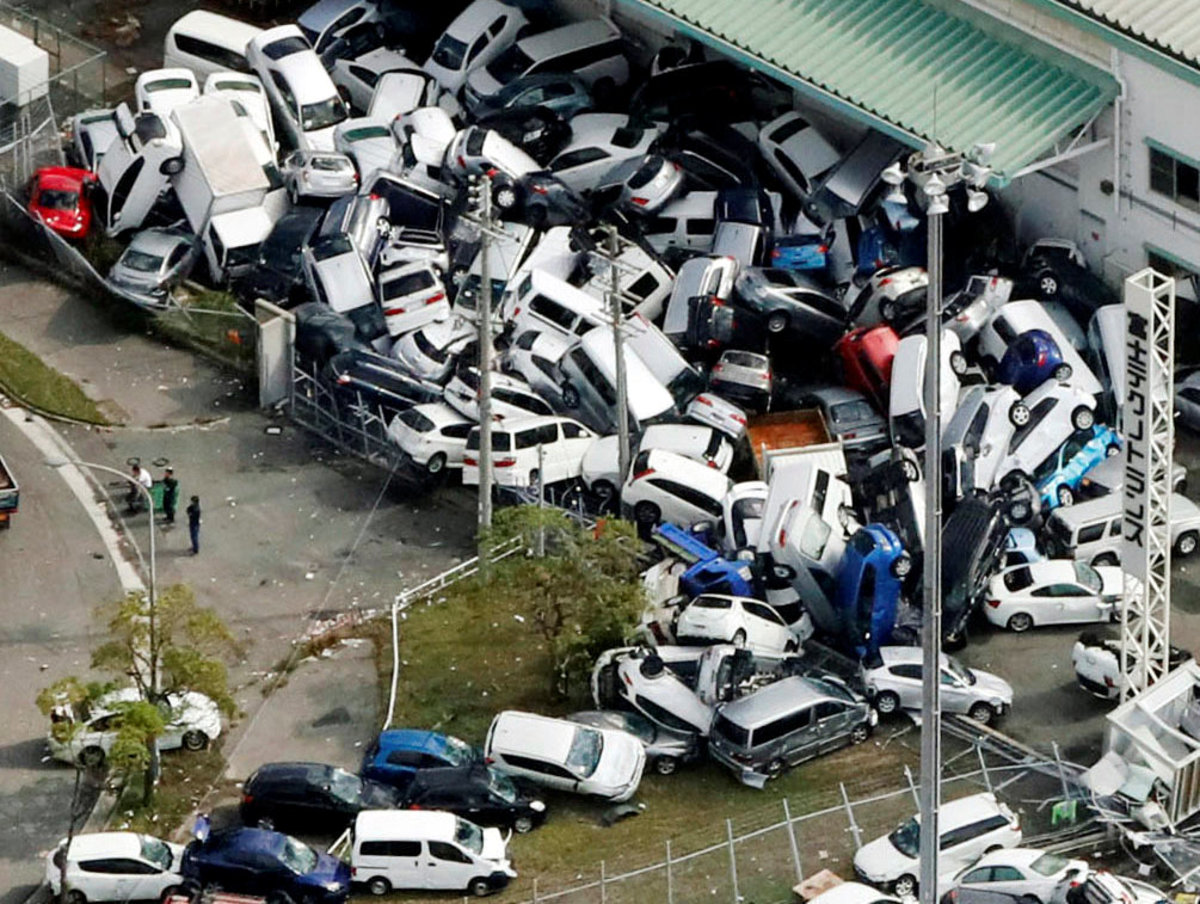
TOKYO (Reuters) - Japan began on Wednesday to clean up after a powerful typhoon killed 11 people, injured hundreds and stranded thousands at a flooded airport, though when the airport in an industrial and tourist hub might reopen was not clear.
(Japan Typhoon: https://tmsnrt.rs/2N6Eudz)
Typhoon Jebi, or "swallow" in Korean, was briefly a super typhoon and was the most powerful storm to hit Japan in 25 years. It came after months of heavy rain, landslides, floods and record-breaking heat that killed hundreds of people this summer.
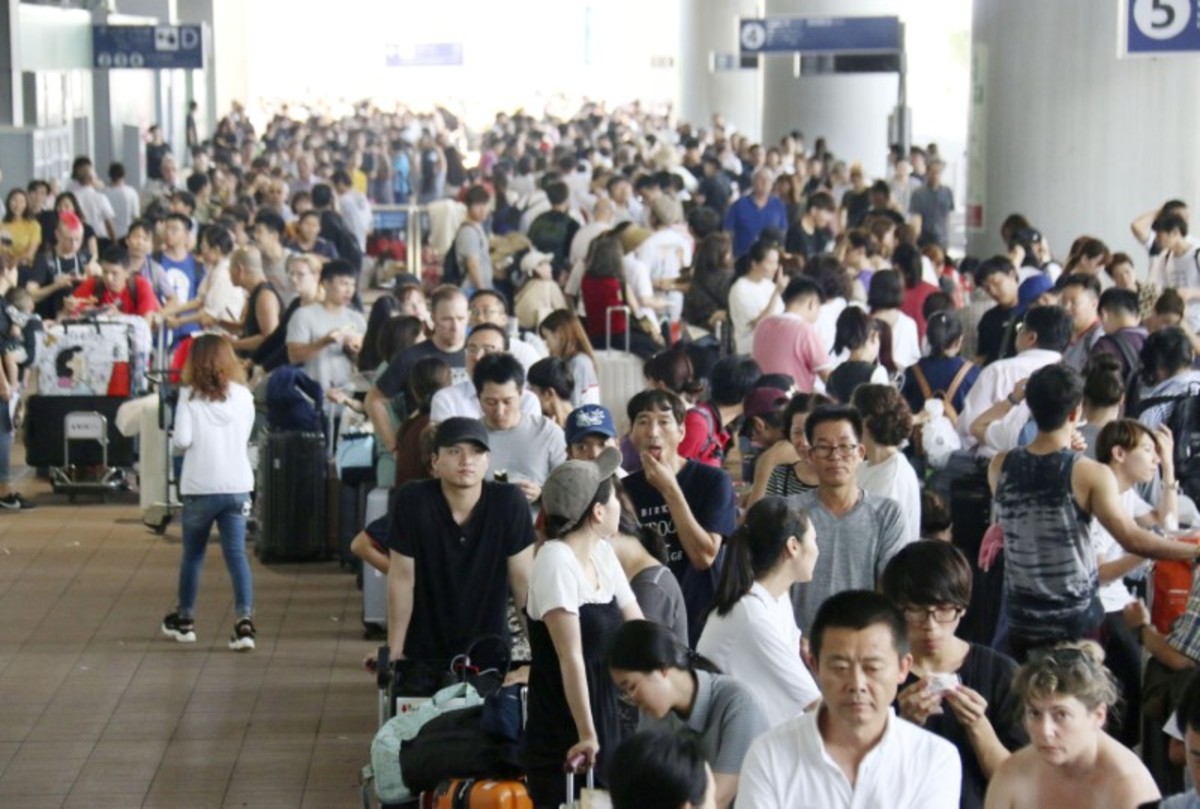
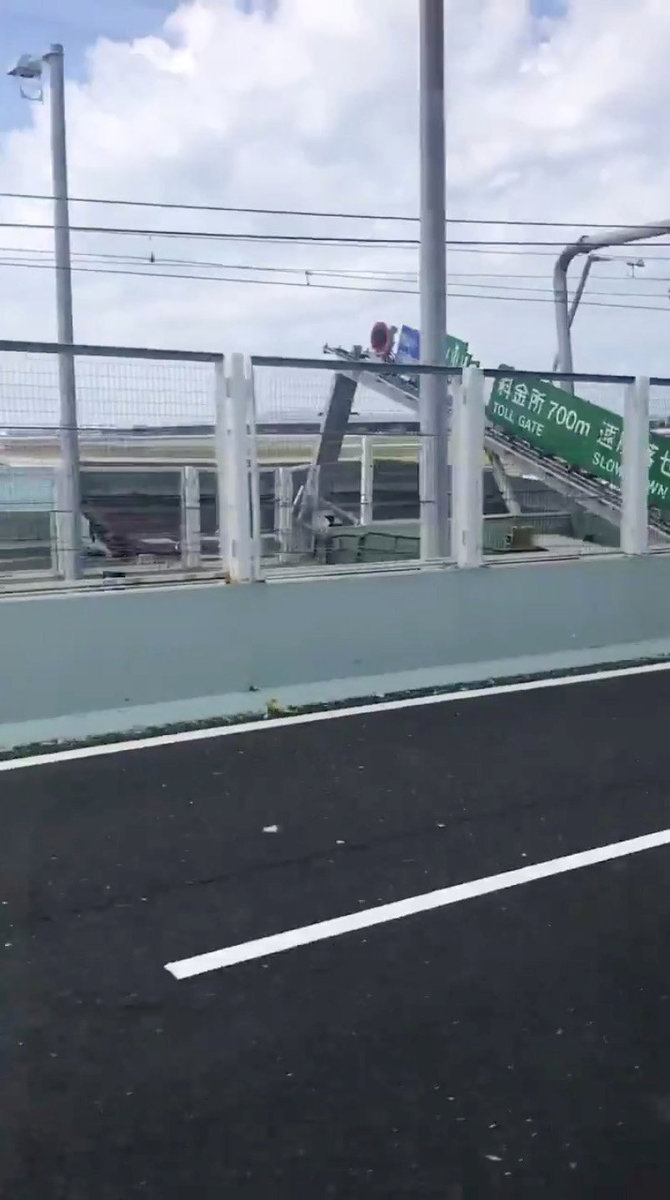
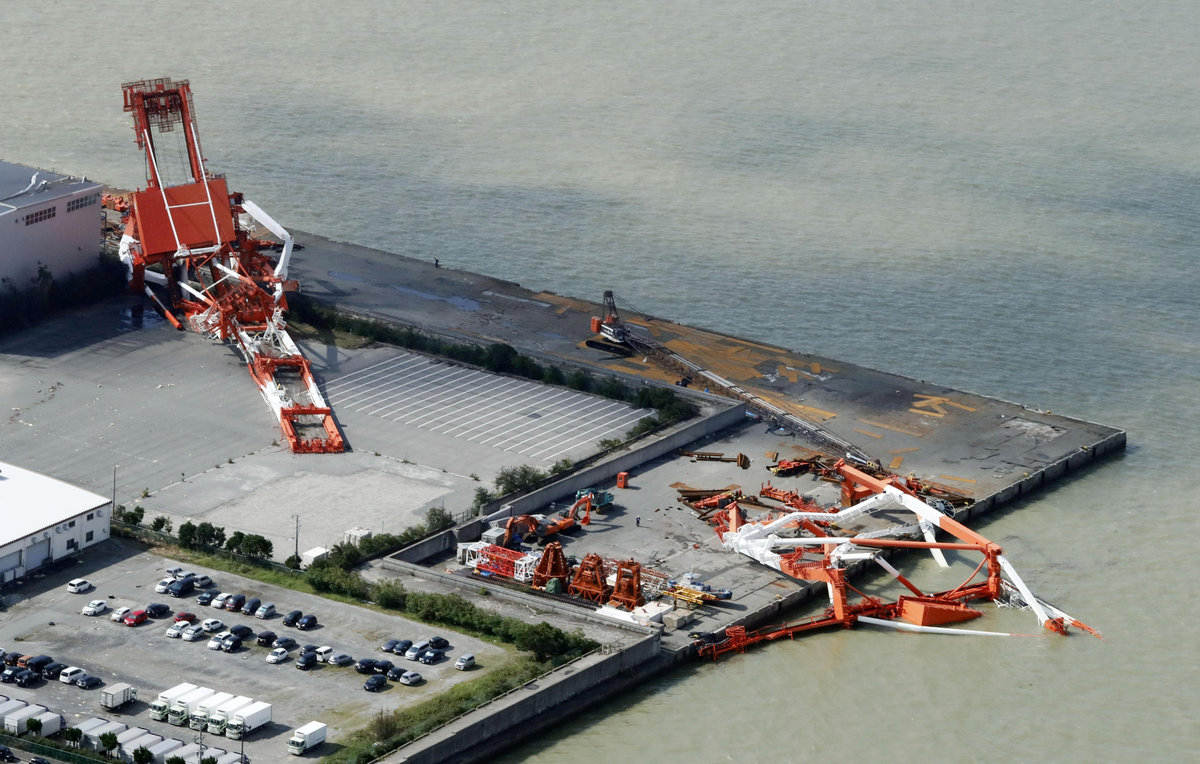
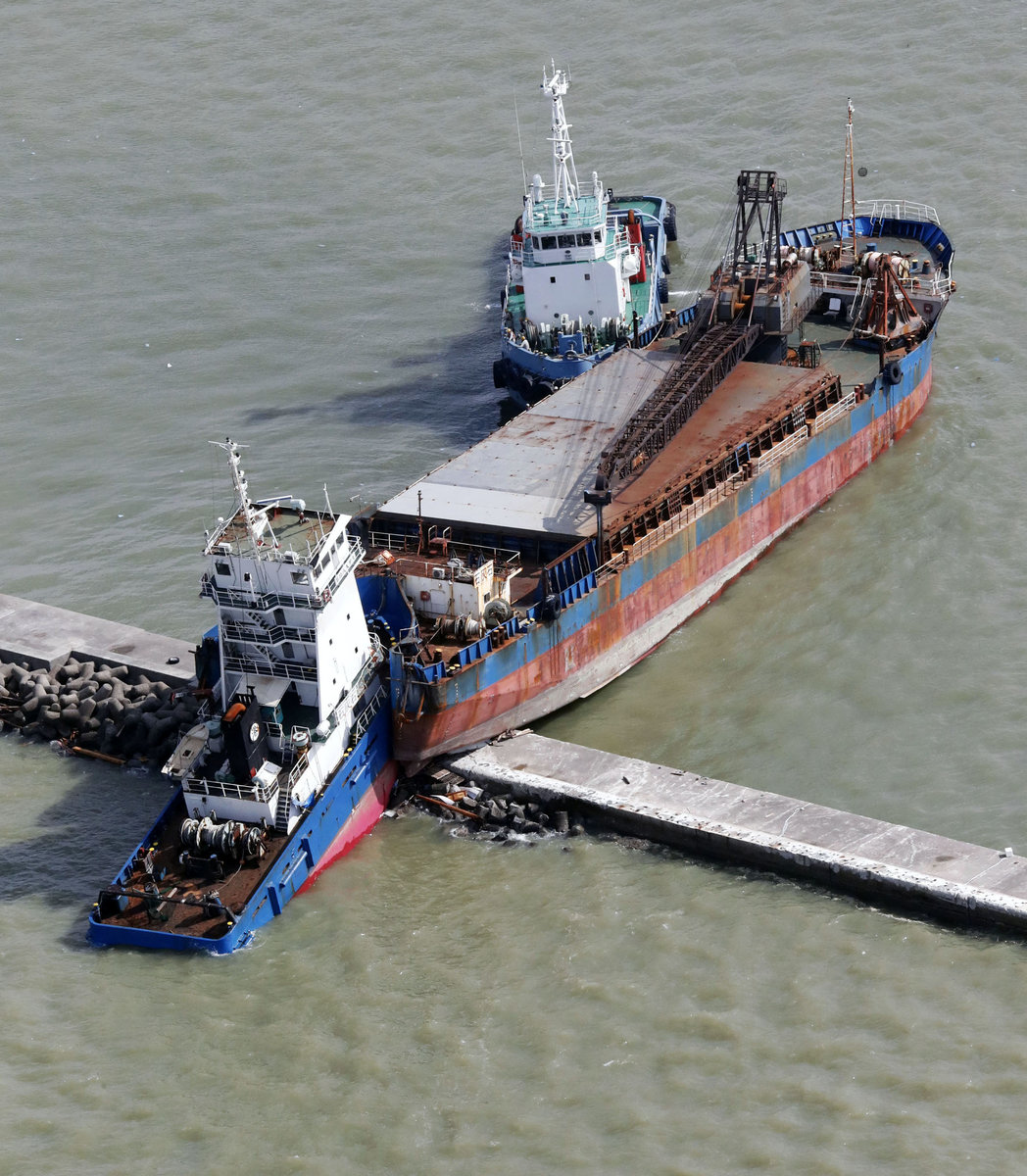
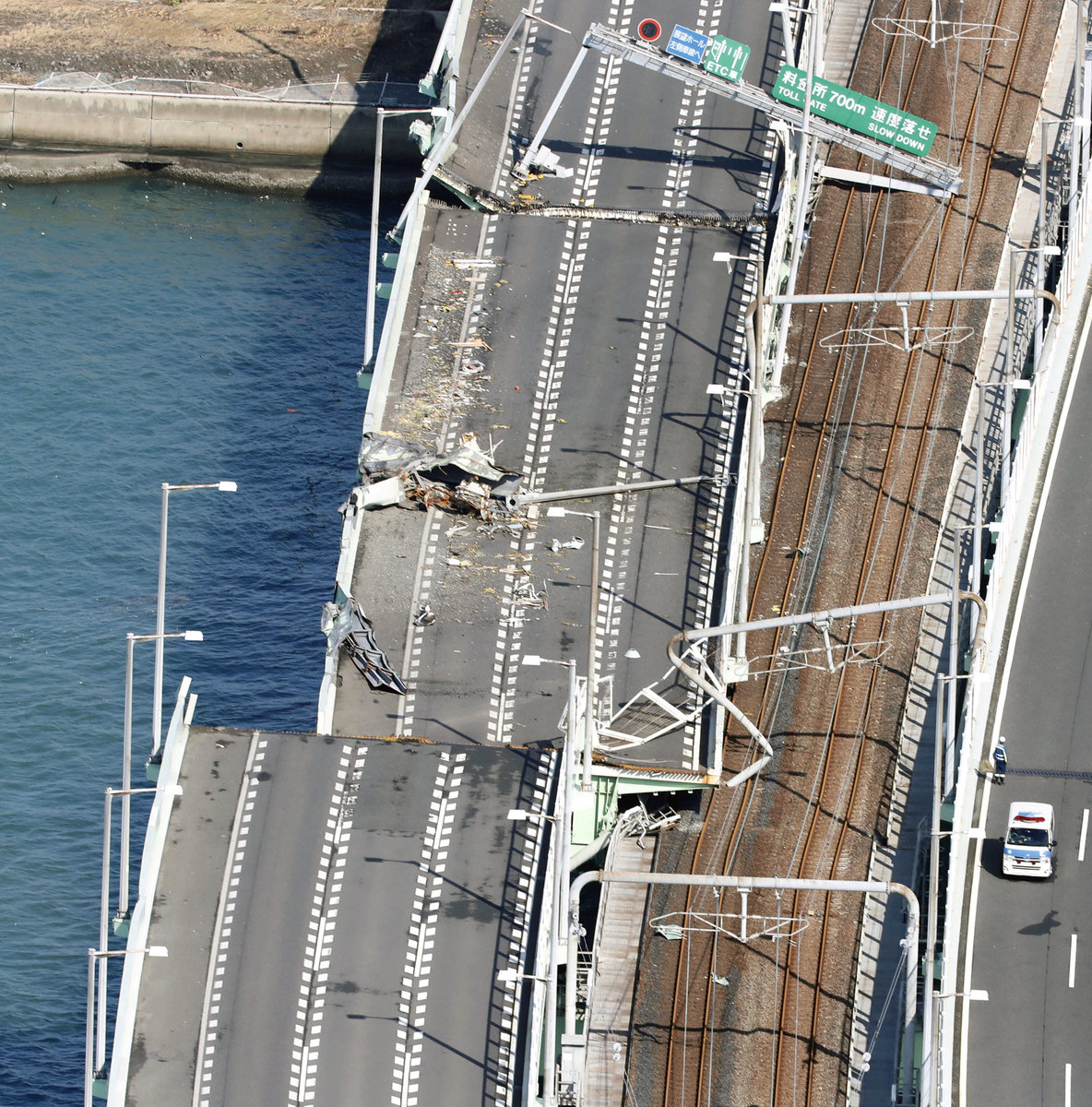
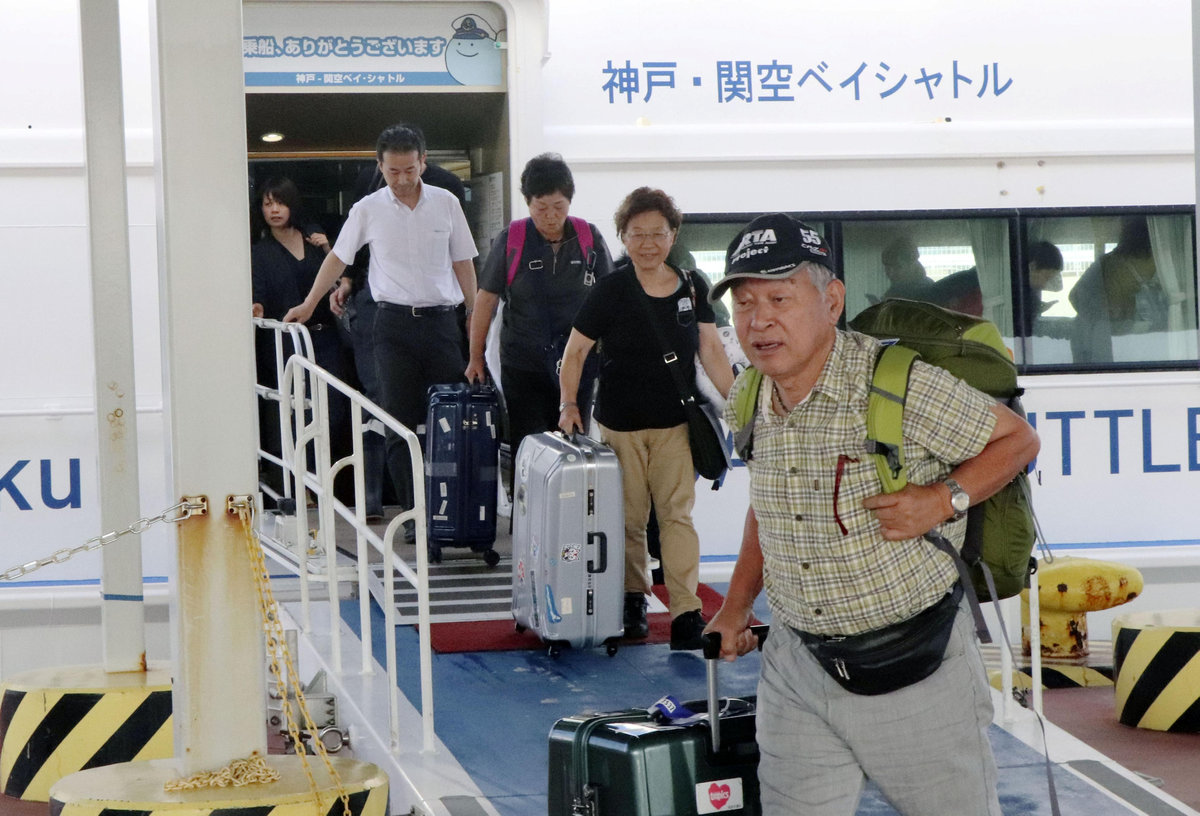
About 3,000 tourists were stuck overnight at Kansai Airport in western Japan, an important hub for companies exporting semiconductors built on reclaimed land on a bay near Osaka and connected to the mainland by a bridge that was damaged when a tanker slammed into it during the storm.
But by afternoon many people had been rescued by bus or ferried by ship from the airport, where puddles still stood on the main runway after it was inundated on Tuesday.
"More than anything else, I really want to take a bath," one woman told NHK public television.
Chief Cabinet Secretary Yoshihide Suga said on Wednesday afternoon about 470 people were injured. It was uncertain when the airport would reopen and some roads and train lines in the affected areas were still closed, he said.
But the number of households without power had been roughly halved to 530,000.
"The government will continue to do everything possible to tackle these issues with utmost urgency," Suga told a news conference earlier.
Japan's JXTG Nippon Oil & Energy Corp shut at least one refining units at its 135,000 barrels-per-day Sakai refinery in Osaka due to typhoon damage to part of the cooling tower, the trade ministry said.
Many chip plants operate in the Kansai region. Toshiba Memory, the world's second-largest maker of flash memory chips, was monitoring developments closely and may need to ship products from other airports if Kansai remains closed, a spokeswoman said.
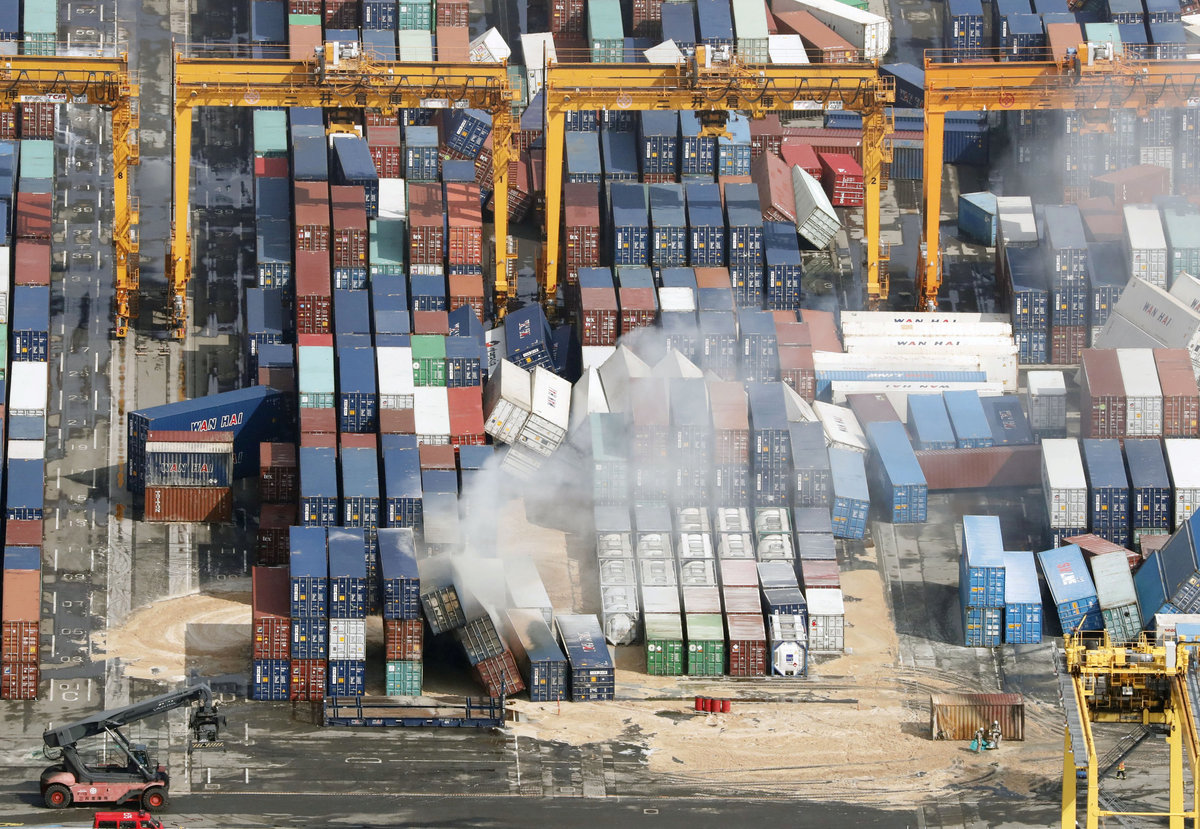
She said the company was not expecting a major impact because its plant in Yokkaichi in central Japan had not been affected by the typhoon.
It could take several days to a week to reopen Kansai airport depending on the damage, the Yomiuri newspaper quoted an unidentified person in the airline industry as saying.
Winds that in many places gusted to the highest ever recorded in Japan, according to the Japanese Meteorological Agency, left a swathe of damage, with fruit and vegetables, many about to be harvested, hit especially hard.
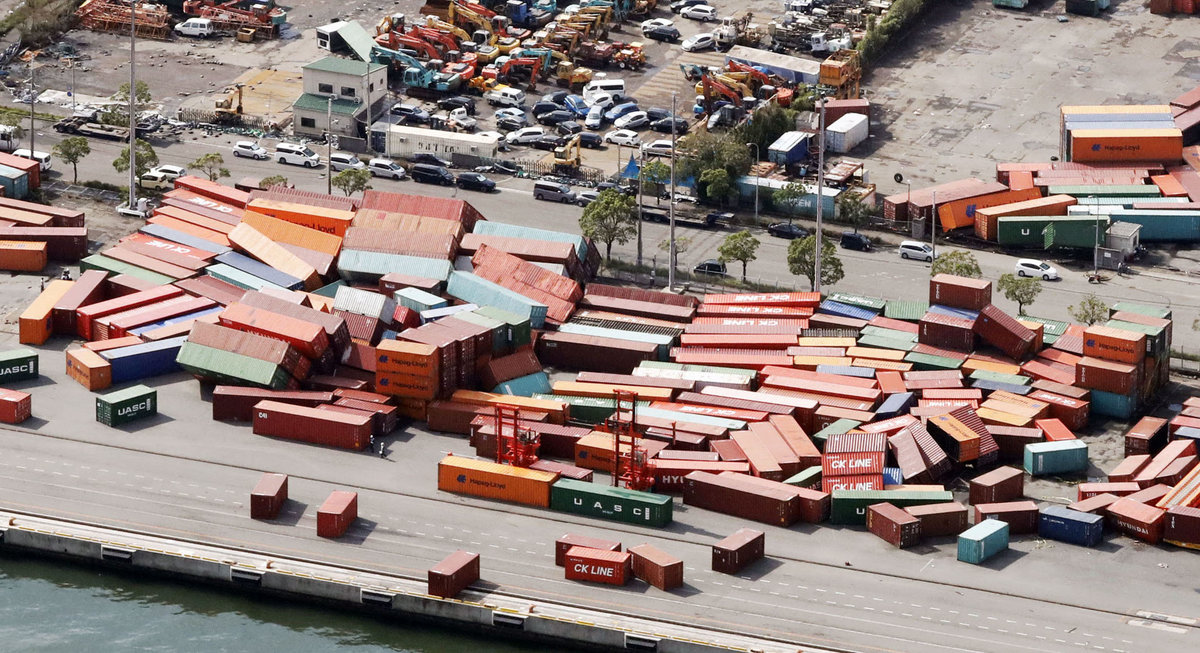
Prime Minister Shinzo Abe, who was criticized in July for an initially slow response to devastating floods that month, posted updates on the rescue efforts at Kansai.
Jebi's course brought it close to parts of western Japan hit by rains and flooding in July that killed more than 200 people, but most of the damage this time appeared to be from the wind.
(Reporting by Osamu Tsukimori, Makiko Yamazaki, Chang-Ran Kim, Kiyoshi Takenaka and Elaine Lies; Editing by Paul Tait, Robert Birsel)