Two-thirds of Americans say they are more worried about running out of money than dying, according to a new poll.
Some 67 percent of people made the shocking admission, according to financial firm Allianz’s new 2026 Retirement Study, with Generation X most likely to fear being in the red over being six feet under.
The study examined the opinions of 1,000 people age 25 or older with annual household incomes of $50,000 (single), $75,000 (married), or investable assets of at least $150,000.
It found a pervasive anxiety that touched multiple aspects of an individual’s life. Some 73 percent of Gen Xers said they worry more about going broke than death, followed by millennials (69 percent) and boomers (59 percent). Some 50 percent say they “immediately” check their retirement accounts when the market drops, the study noted.
Fueling those financial worries is a pressing concern over high inflation and healthcare costs, the study noted, a finding that makes sense in the context of the past few years.
Inflation hasn’t dipped under the Federal Reserve’s goal of 2 percent since February 2021, meaning that Americans have been paying consistently higher prices for everyday goods, services and other necessities like housing.
Inflation has been nothing short of a rollercoaster during those five years, dropping below 1 percent in April 2020 before reaching 9.1 percent in June 2022, then plummeting again to 2.3 percent in April 2025.
Those numerous ups and downs have depleted consumer optimism, with preliminary results for April 2026 showing consumer sentiment - how they feel about the economy - at its lowest point since the University of Michigan began tracking the metric in the late 1970s.
Healthcare costs have taken consumers on a slow upward trajectory. Premiums for employee-sponsored plans rose $1,408 in 2025, according to healthcare data and analysis firm KFF, with employees paying $6,850 for premiums, on average.
For the 23.1 million people on Obamacare, a popular option for workers who can’t get healthcare through their employer, the financial picture is even more painful. Pandemic-era subsidies that help keep premiums low ended in 2025.
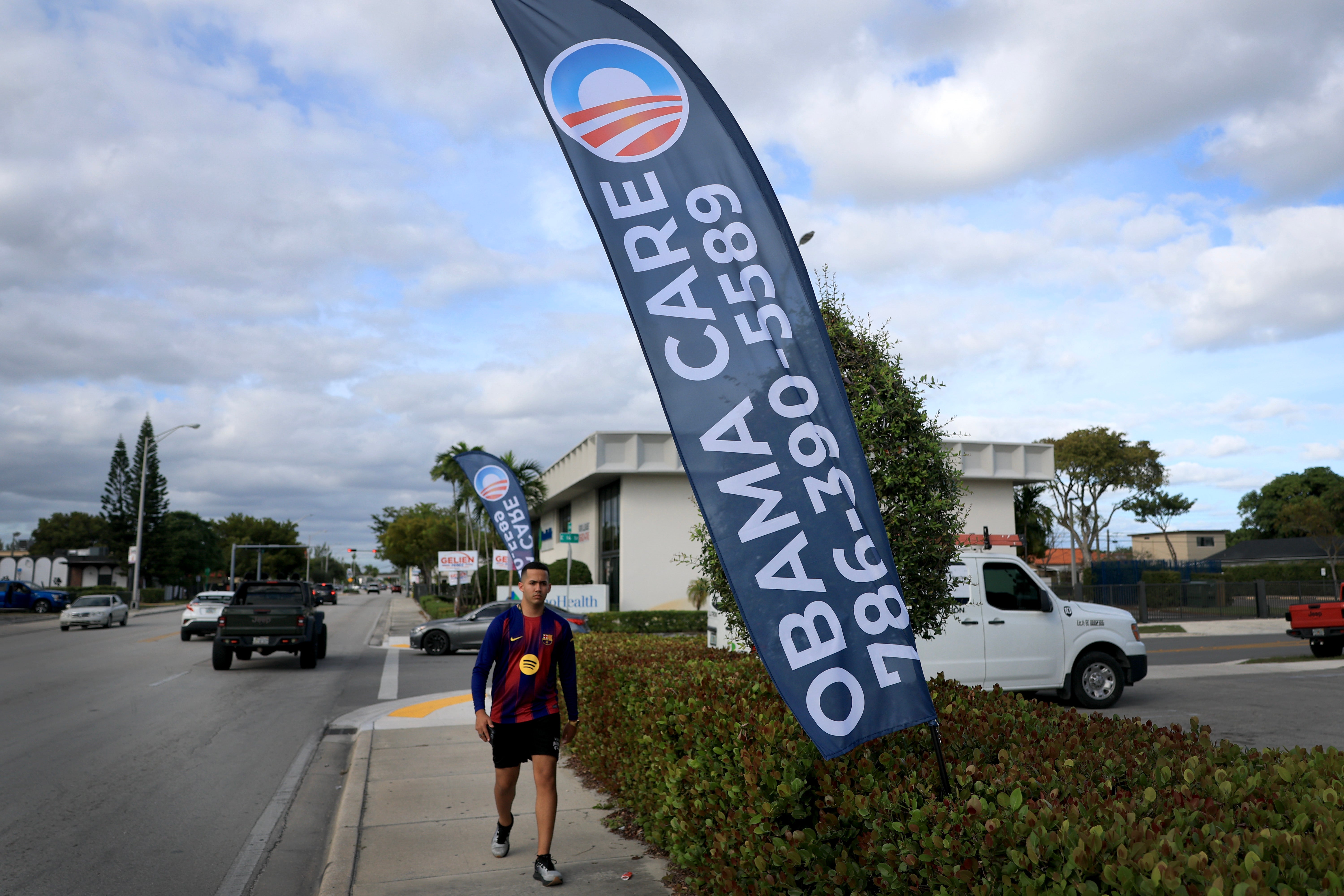
Millions of policyholders face unthinkable premium increases heading into 2026, with some shooting up more than $2,600 a month.
Kate Bivona, 37, from Tempe, Arizona, told The Independent in an email that she and her husband couldn’t afford the premium increase on her Obamacare plan. She was left with a tough decision. Downgrade to worse care, or forego a plan altogether.
“We could not afford the premium increase and had to make the call to downgrade to a bronze plan with an insanely high deductible/out of pocket maximum,” she said. “We are pretty healthy and don’t generally have to go to the doctor more than once a year, so we took the gamble.”
Americans are back to pregaming as $20 drinks become the norm at bars and venues
Top value meals you can purchase for $5 - $10 at fast food chains
Americans quit streaming services as cost of living continues to climb, report finds
Popular heated socks recalled at Costco after reports of second-degree burns
Nike cuts 1,400 more jobs in its second major round of layoffs this year
Bath & Body Works says that it closed nearly 100 stores in the last year