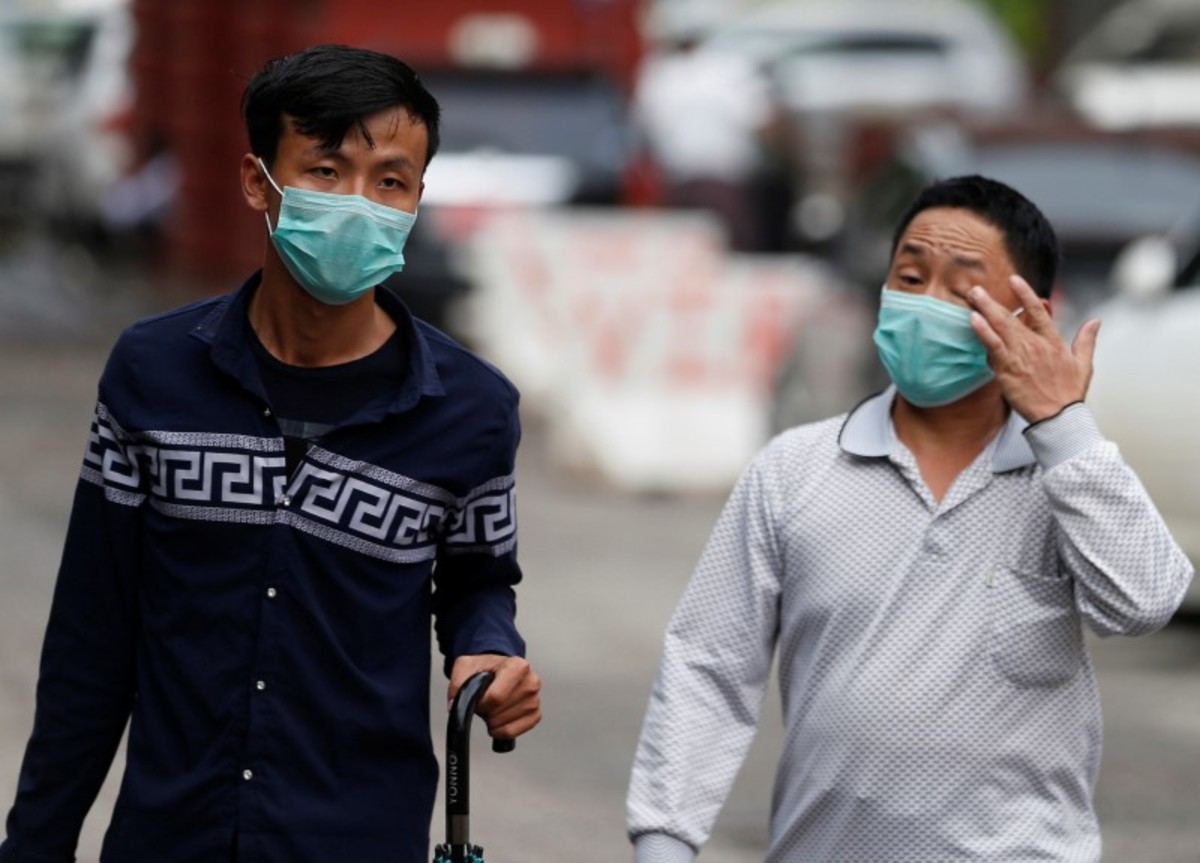
YANGON (Reuters) - Myanmar called for calm on Monday after 13 people were confirmed to have contracted H1N1 influenza and a boy had died with flu-like symptoms, raising fears of a new outbreak of a virus also known as swine flu.
Three cases of H1N1 had been confirmed in Myanmar's largest city, Yangon, on Friday, the Ministry of Health and Sport said in a statement on Monday after news of the infections had already spread.
The ministry said another 10 people in Matupi - in the remote northwestern state of Chin that borders India - had caught the virus this month.
A 6-year-old boy also died in Matupi with severe respiratory problems suspected to have been caused by H1N1, Dr. Win Lwin, director of the Yangon regional health department, told reporters.
"There is no need to panic because it usually happens every year," the ministry said, adding that those with symptoms should go to government clinics for treatment.
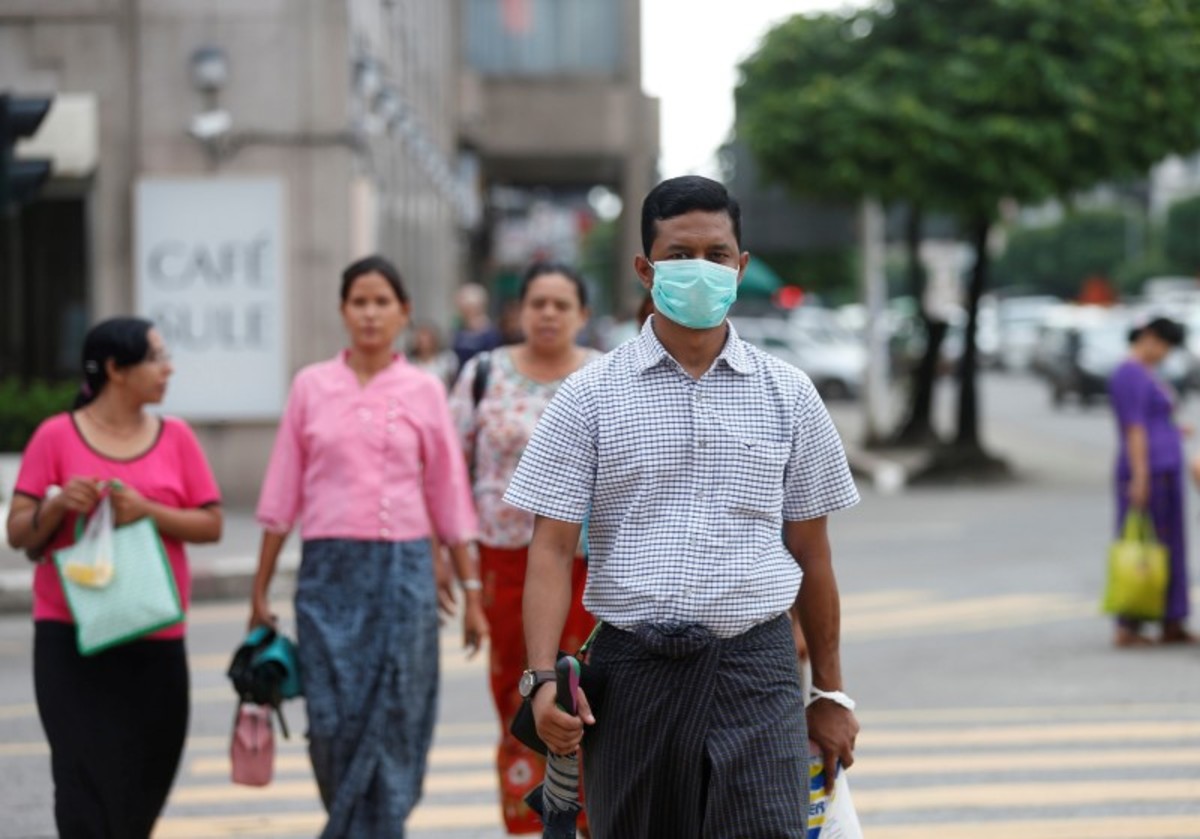
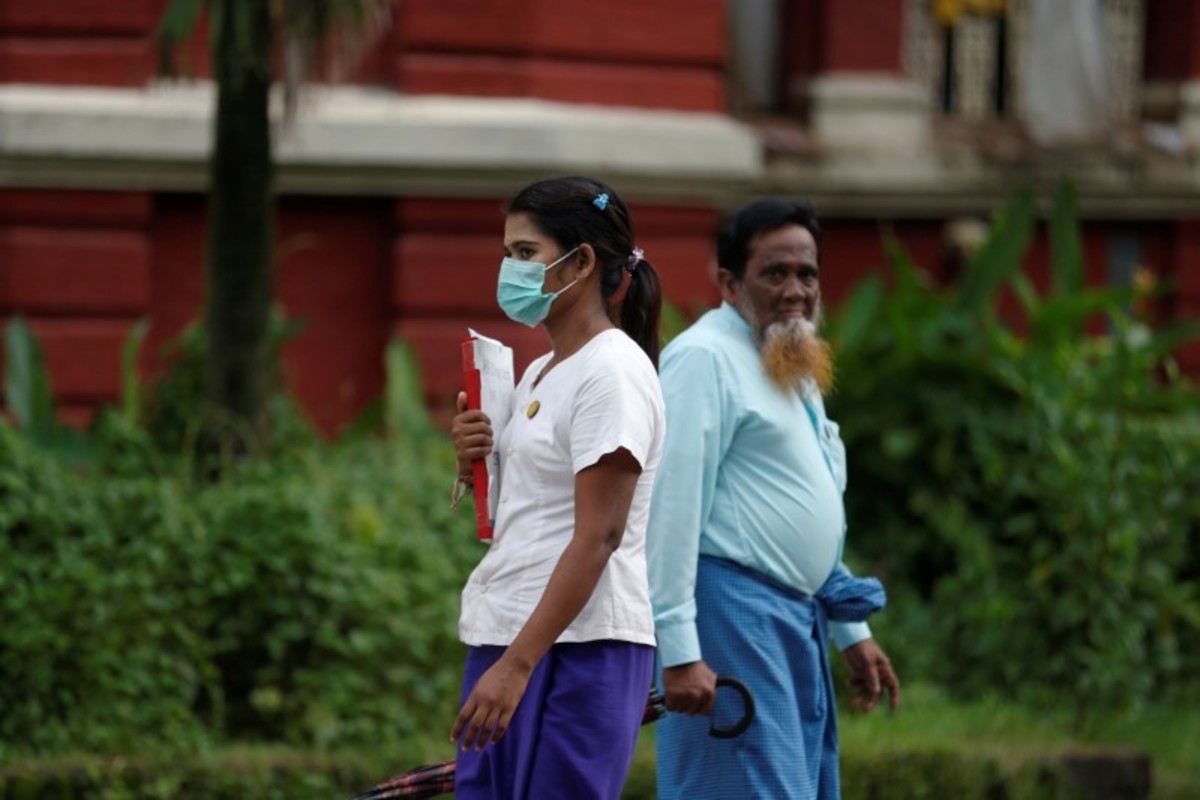
News of the infections spread rapidly on social media, and many commuters in downtown Yangon had by Monday afternoon begun wearing face masks. Few people in Myanmar get annual vaccinations against any strain of flu.
In 2009, the virus - which affects young people more frequently than other types of flu - spread to most countries in the world. At least 66 people contracted it in Myanmar, according to official comments carried by media at the time.
Influenza normally spreads in Myanmar during the annual monsoon season from May to October, but an outbreak of swine flu, formally known as A(H1N1), has not been reported in the country since 2009.
Under the country's former military regime, many in Myanmar suspected officials of playing down disease outbreaks and other bad news.
Nobel Peace Prize winner Aung San Suu Kyi has led the country's civilian administration since last year, amid a transition from full military rule.
"The government will release news updates to avoid panic among the public," the health ministry said.
"The government already gave instructions to all the health staff for treatments and responses."
The World Health Organization (WHO) was assisting the government, it added. WHO representatives in Myanmar did not respond to Reuters' requests for comment.
Dr. Than Tun Aung, deputy director general at the ministry's infectious diseases department, told Reuters the government had no vaccines for H1N1 and was at a loss for effective treatments.
"The treatments have very little effect on the patients who are infected with A(H1N1)," he said.
Dr. Aye Ko Ko, chief physician at Yangon General Hospital, told Reuters earlier that two of the patients in Yangon were being treated for suspected H1N1 infections in a special ward at the hospital.
"We're worried about their condition," he said.
(Reporting by Wa Lone; writing by Simon Lewis; Editing by Nick Macfie)