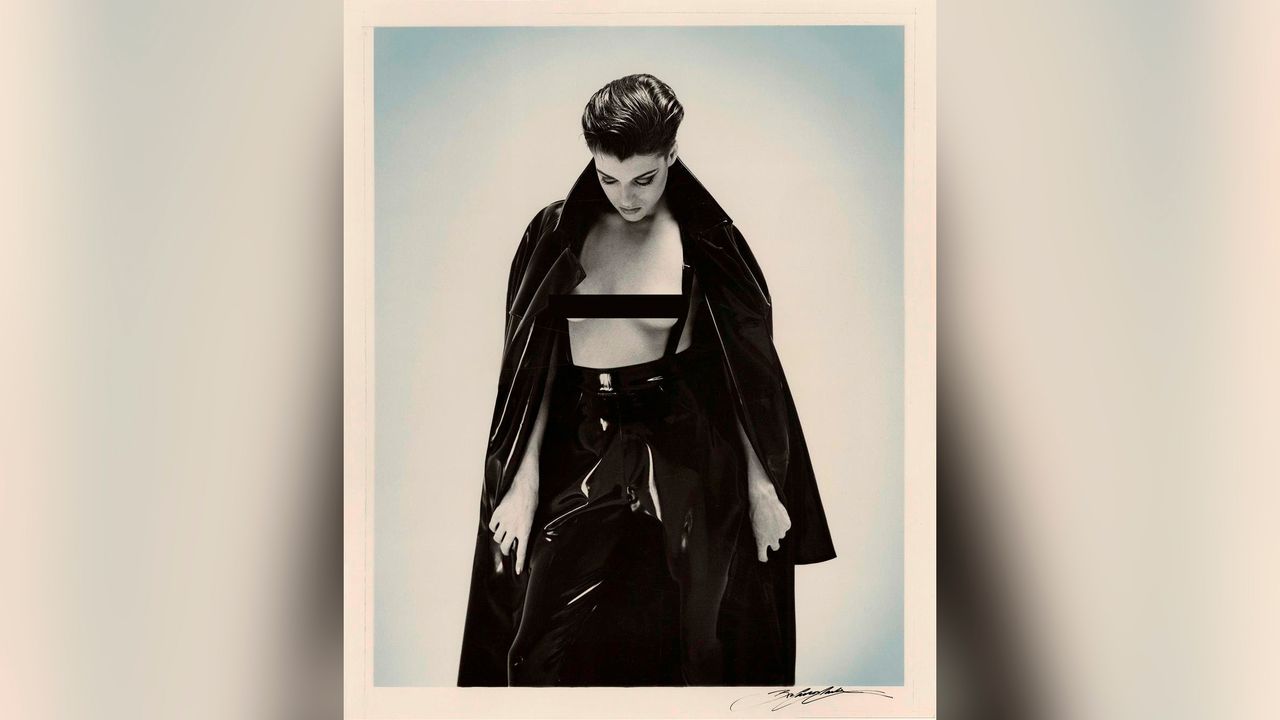
Bob Carlos Clarke spent a career being filed under a single word: provocative. That's accurate in one sense, but it's also the kind of shorthand that lets people skip past the actual work. As a new retrospective opens in London, it's a good opportunity to look past the hype and take a closer look at his actual process, because for photographers there's more craft here than the headlines suggest.
The Last Dolls, opening at Atlas Gallery on 5 September and curated by Brandei Estes, marks 20 years since the Irish photographer died in 2006 and is the first Carlos Clarke show in London for a decade. It brings together signed edition prints, rare unique prints, one-of-a-kind collages and pieces from his celebrated Love Dolls Never Die series.
Ben Burdett, founder of Atlas Gallery, has described Carlos Clarke as "the William Burroughs of photography": transgressive, dark and permanently close to taboo. Fair enough. But it's important to understand that the images that made his name weren't snatched moments. They were built.
Highly constructed
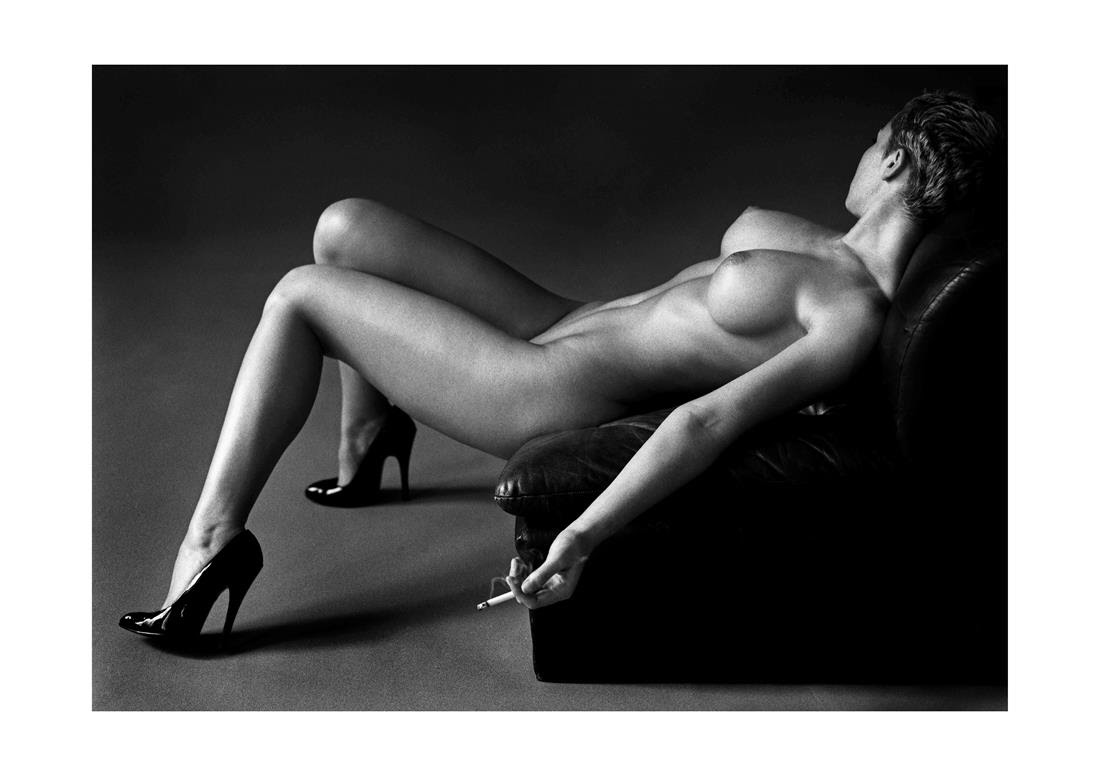
Often labelled Britain's answer to Helmut Newton, Carlos Clarke worked across celebrity portraiture, photojournalism and advertising. But it was his highly constructed, carefully composed studio images, women and rubber chief among his recurring subjects, that sealed his reputation.
Estes, senior curator of photographs at the National Portrait Gallery and former head of photographs at Sotheby's, believes the comparison to Newton only goes so far. In his view, Carlos Clarke's work carries a sharper psychological edge; more cerebral in how it handles desire and control.
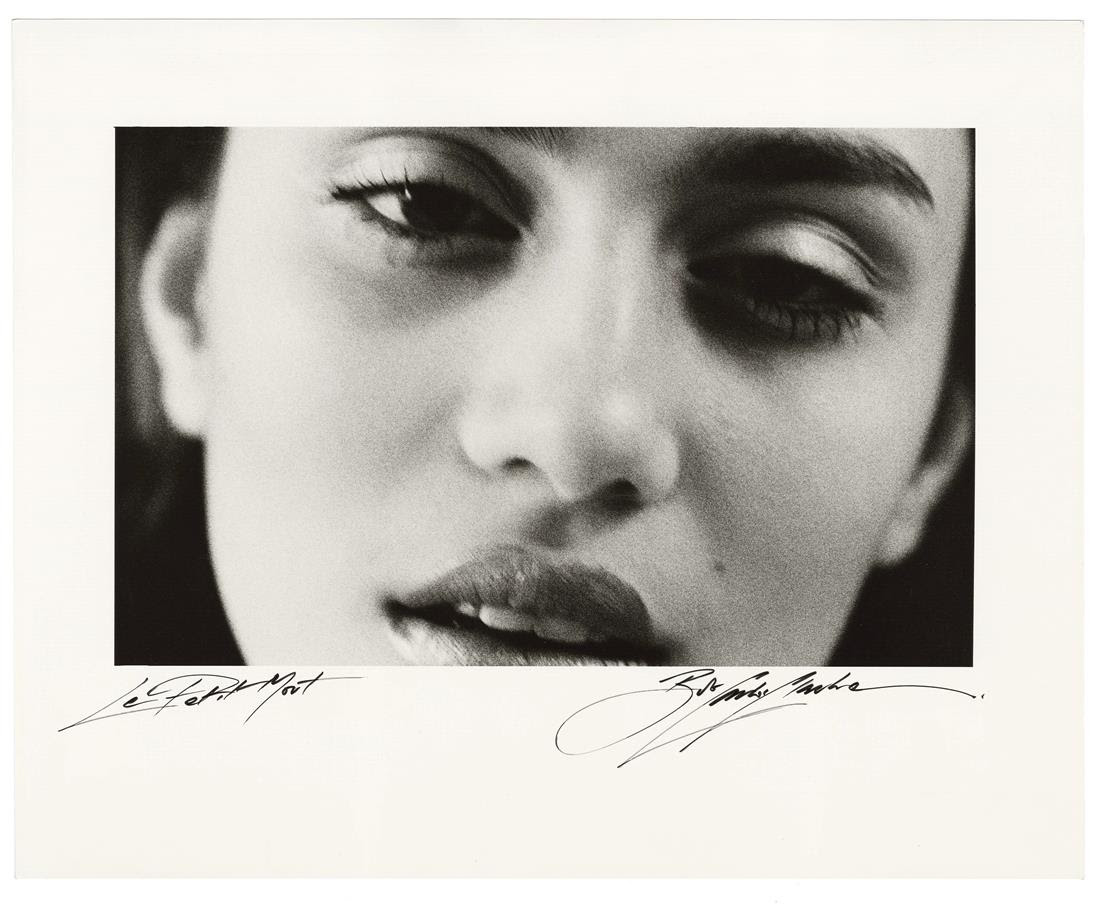
According to his long-time agent Ghislain Pascal, Clarke chose his models carefully, often outside the usual agency system, and built collaborations that sometimes ran for years.
These weren't commissioned jobs shot in an afternoon. They were meticulously planned projects, with models active participants, rather than props in front of a lens.
That distinction matters. A photograph built on true collaboration reads differently to one that isn't, whatever the content. And it's a large part of why these images hold their tension: composed and glamorous on the surface, but with a sense that the subject retains full command of the frame.
As Estes puts it, they're less invitations to look, more declarations that looking is as far as it goes.
British photography expert Philippe Garner's often-quoted line about Carlos Clarke – that he was photographing either what he desired or what he feared, and probably both – gets at why the pictures still unsettle. But the unsettling part was engineered: the lighting, the styling, the studio control, all deliberate.
Nothing in these prints happened by accident, which is precisely what separates constructed provocation from the merely shocking.
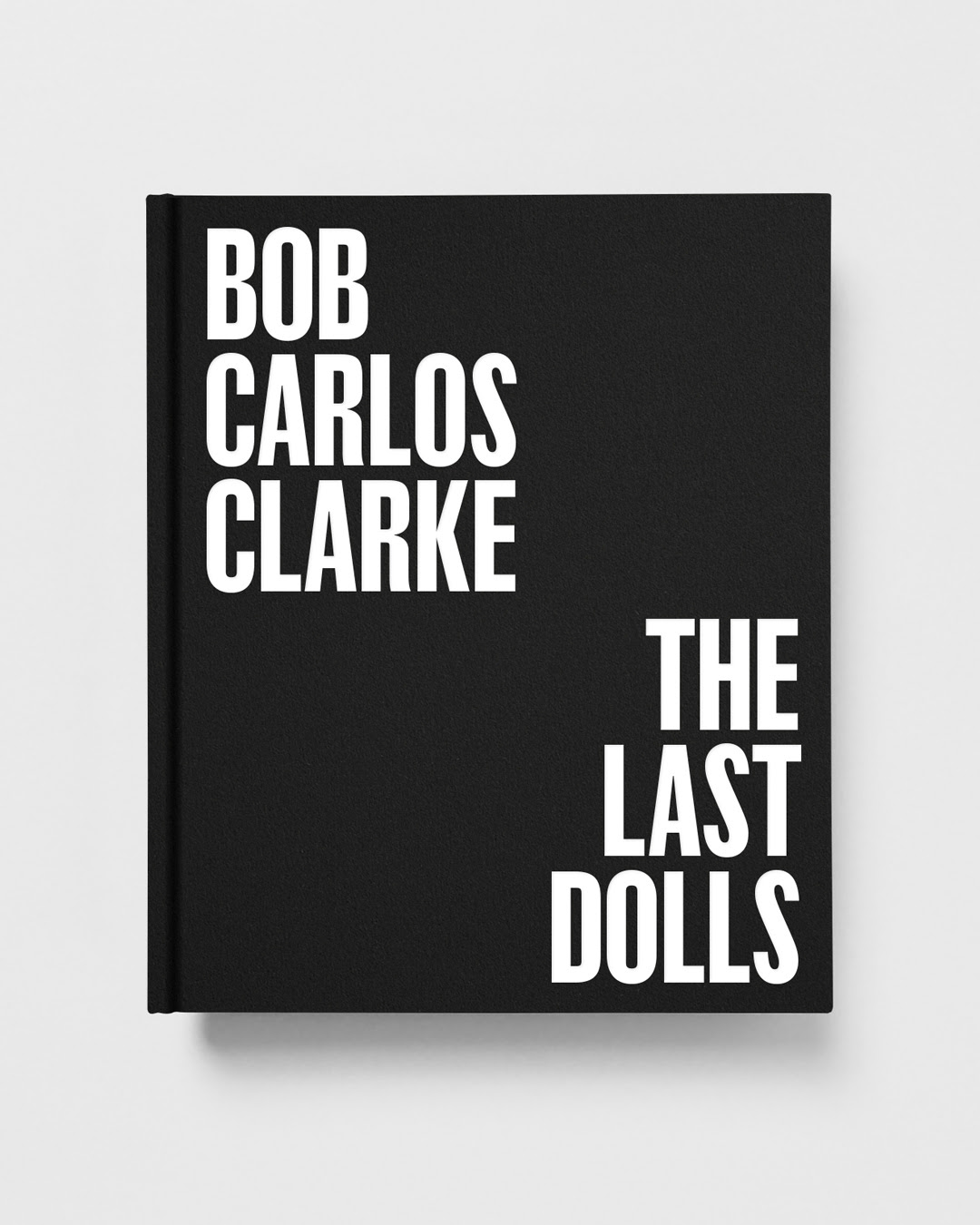
Carlos Clarke's six books, from The Illustrated Delta of Venus in 1979 to Love Dolls Never Die in 2004, chart a career that never settled for the easy version of an image. A new limited edition book, The Last Dolls, was published on March 26, the exact anniversary of his death, and is available through Atlas Gallery, The Little Black Gallery and The Photographers' Gallery.
The Last Dolls exhibition, meanwhile, will run at Atlas Gallery, 49 Dorset Street, London W1U 7NF, from September 5-26. For photographers inclined to dismiss Clarke's work as shock value, it's worth a look. The shock, it turns out, was the easy part.