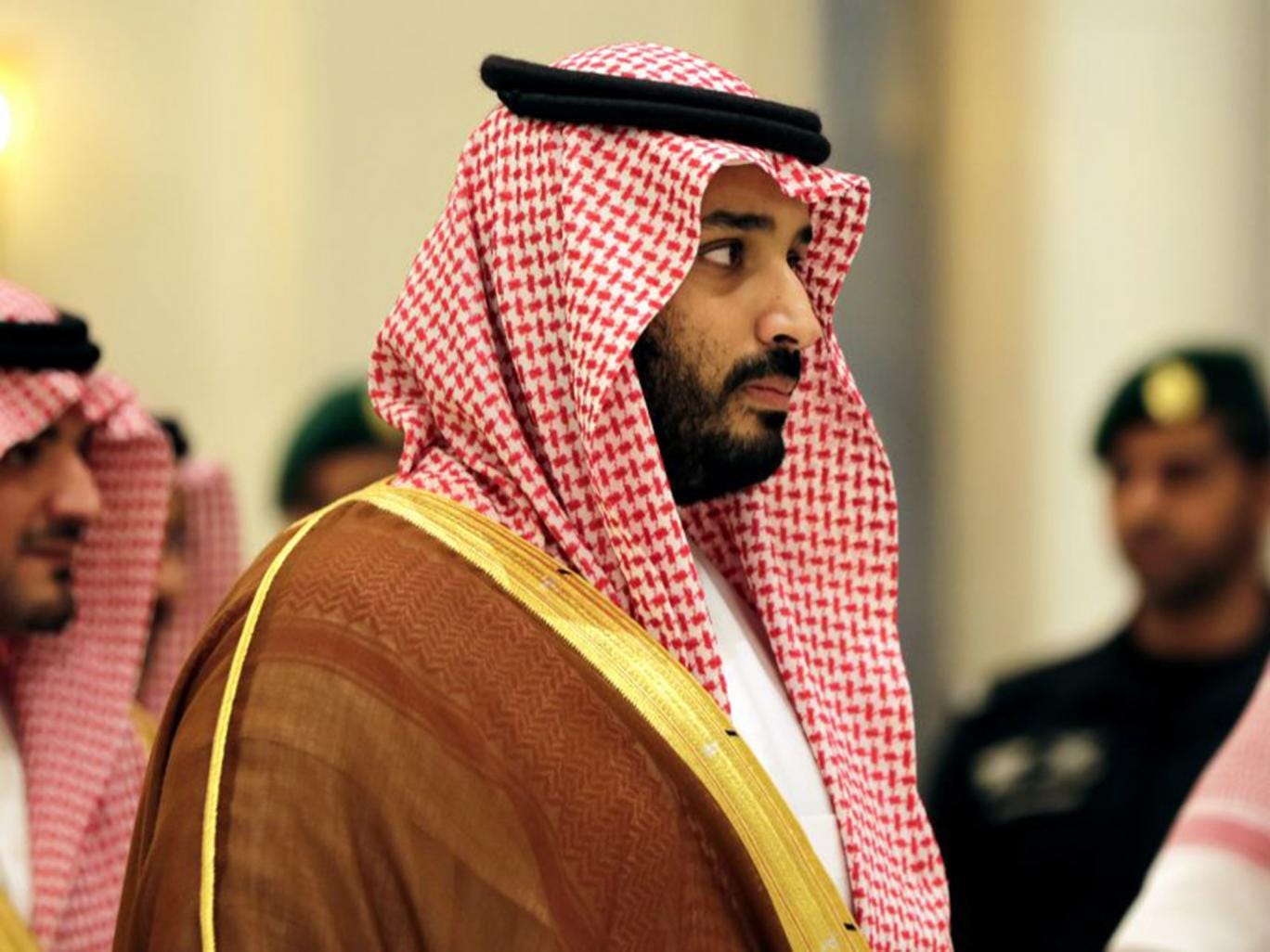
Earlier this week Saudi Arabia announced a new 34-country coalition of Muslim nations to fight terrorism, but two of the key countries have said they had no idea they were involved.
The countries from Asia, Africa and the Arab world were combining their efforts to combat extremism, according to the Saudis, who have faced mounting pressure to step up efforts in addressing the threat of extremism.
Delivering the announcement on Tuesday, Defence Minister Mohammed bin Salman said: “Currently, every Muslim country is fighting terrorism individually... so co-ordinating efforts is very important."
The coalition is targeting extremists in Iraq, Syria, Libya, Egypt and Afghanistan.
But following the statement at least two governments have claimed they were not aware of their own involvement. Pakistan’s Foreign Secretary, Aizaz Chaudhry, has been quoted as saying he only learnt of his country’s inclusion in the alliance from news reports.
He is said to have phoned the country’s ambassador in Saudi capital Riyadh – where a joint operations centre is planned – for clarification. Senior officials claimed they were not consulted beforehand.
Despite being a long-term ally of Saudi Arabia, Pakistan has refrained from joining its military exploits, instead reaffirming its position of non-involvement in Middle Eastern conflicts. In November, army spokesman Lt Gen Asim Bajwa stated: “We are not looking for any involvement outside our region.”
Lebanon was also equally baffled country following the announcement, according to Lebanese media outlet Naharnet. The Prime Minister Tammam Salam reportedly welcomed the news, saying: “Lebanon is at the forefront of the confrontation with terrorism.”
In contrast the Foreign Ministry was adamant they had no “memo or phone call mentioning this coalition.” They added they had :"No knowledge whatsoever of the issue of forming an Islamic anti-terror coalition."
The office also questioned whether the move encroached on their ‘constitutional jurisdiction on foreign affairs’.
Indonesia was also said to be still deciding whether to join, while Malaysia ruled out any military intervention.
After the initial release the UK government was broadly positive about the news, with Secretary of State for Foreign and Commonwealth Affairs, Philip Hammond, tweeting: “Announcement of Islamic anti-terror coalition is welcome. Across the world, we're fighting common enemy in extremism. We will #DefeatDaesh.”
The Foreign Office did not comment on the recent revelations.
The coalition is (thought to) include Bahrain, Bangladesh, Benin, Chad, Comoros, Cote d’Ivoire, Djibouti, Egypt, Gabon, Guinea, Jordan, Kuwait, Lebanon, Libya, Maldives, Mali, Malaysia, Morocco, Mauritania, Niger, Nigeria, Qatar, the Palestinians, Pakistan, Senegal, Sudan, Sierra Leone, Somalia, Togo, Tunisia, Turkey, the United Arab Emirates, and Yemen.