Tutankhamun's tomb shines after decade of renovations
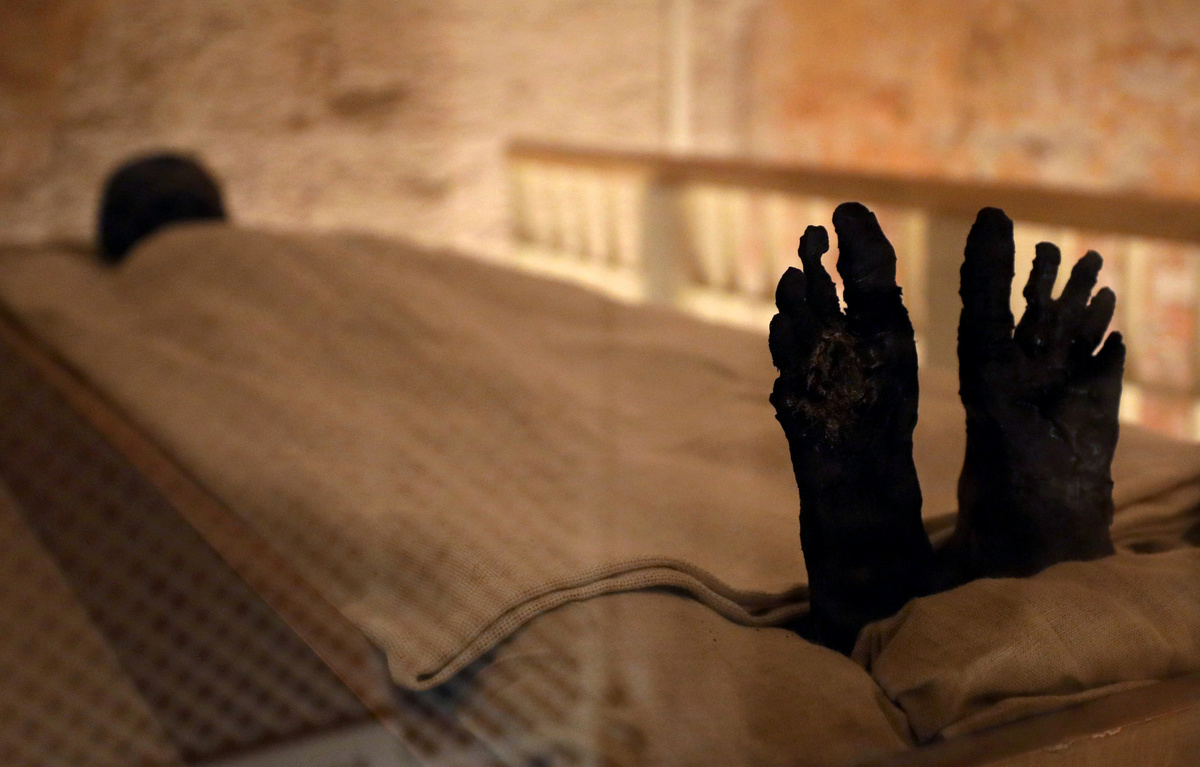
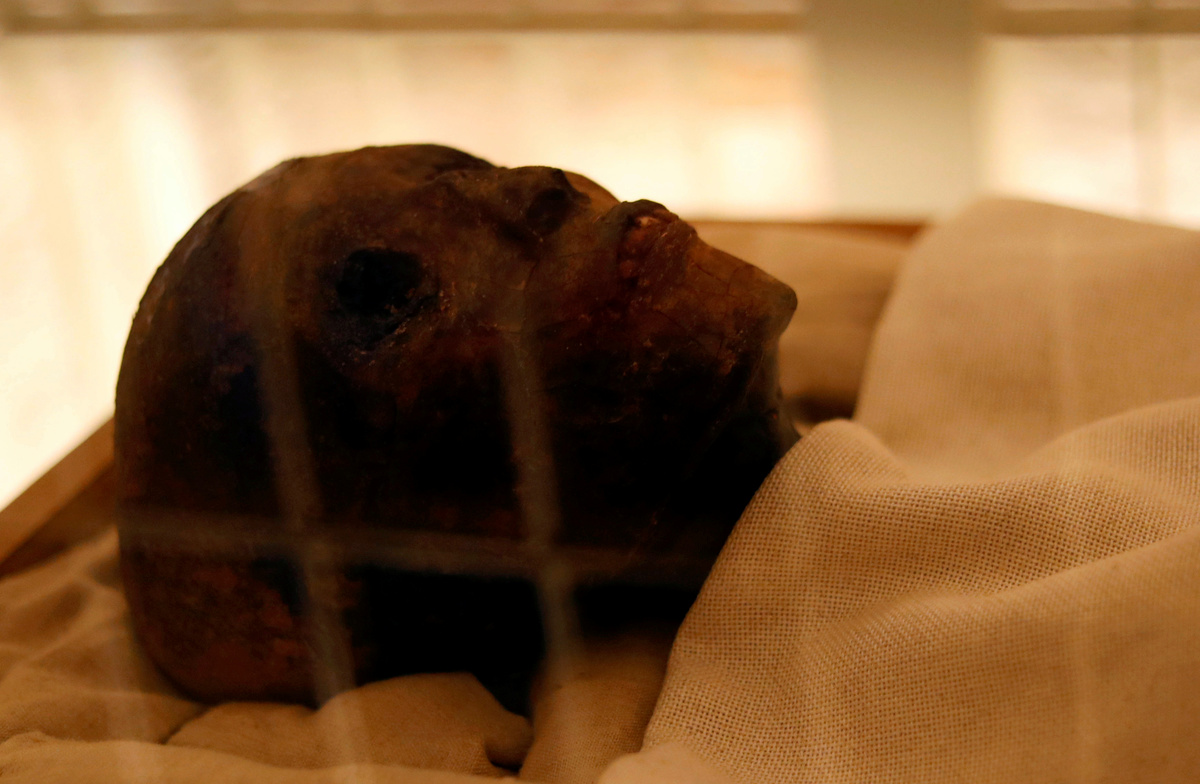
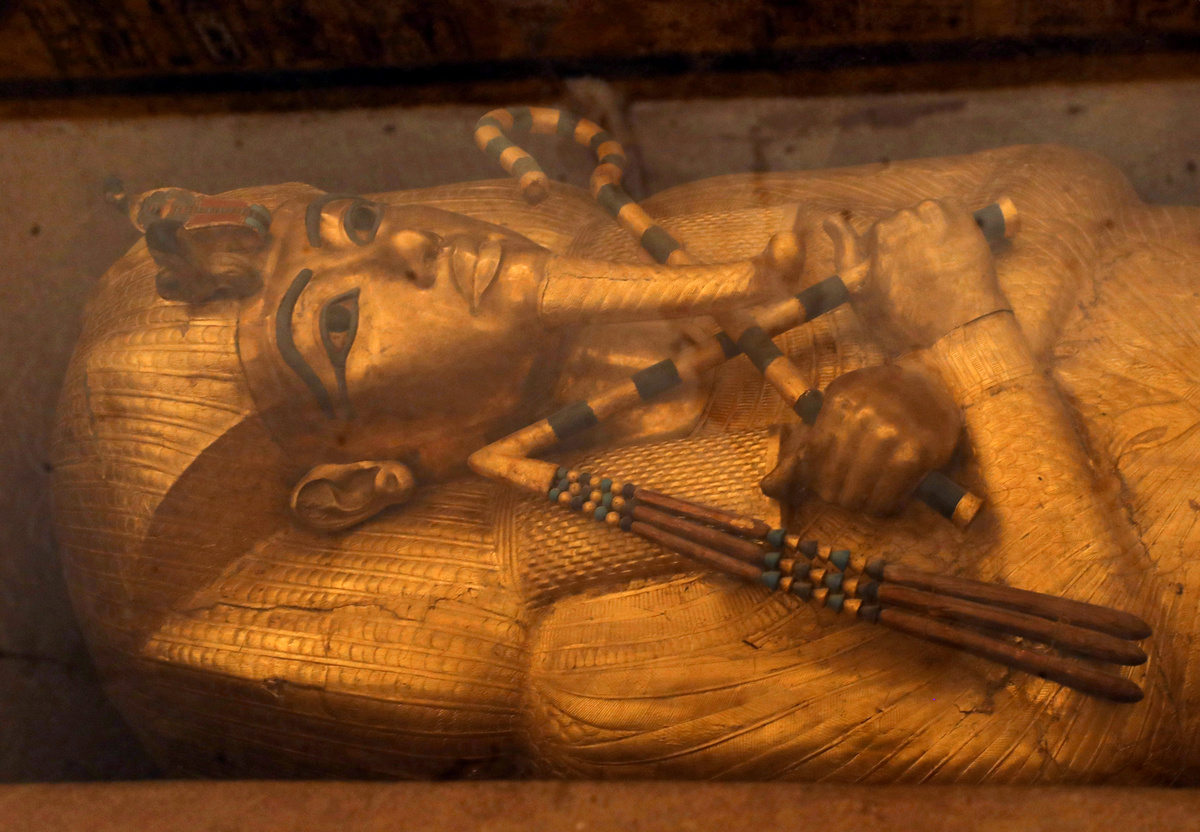
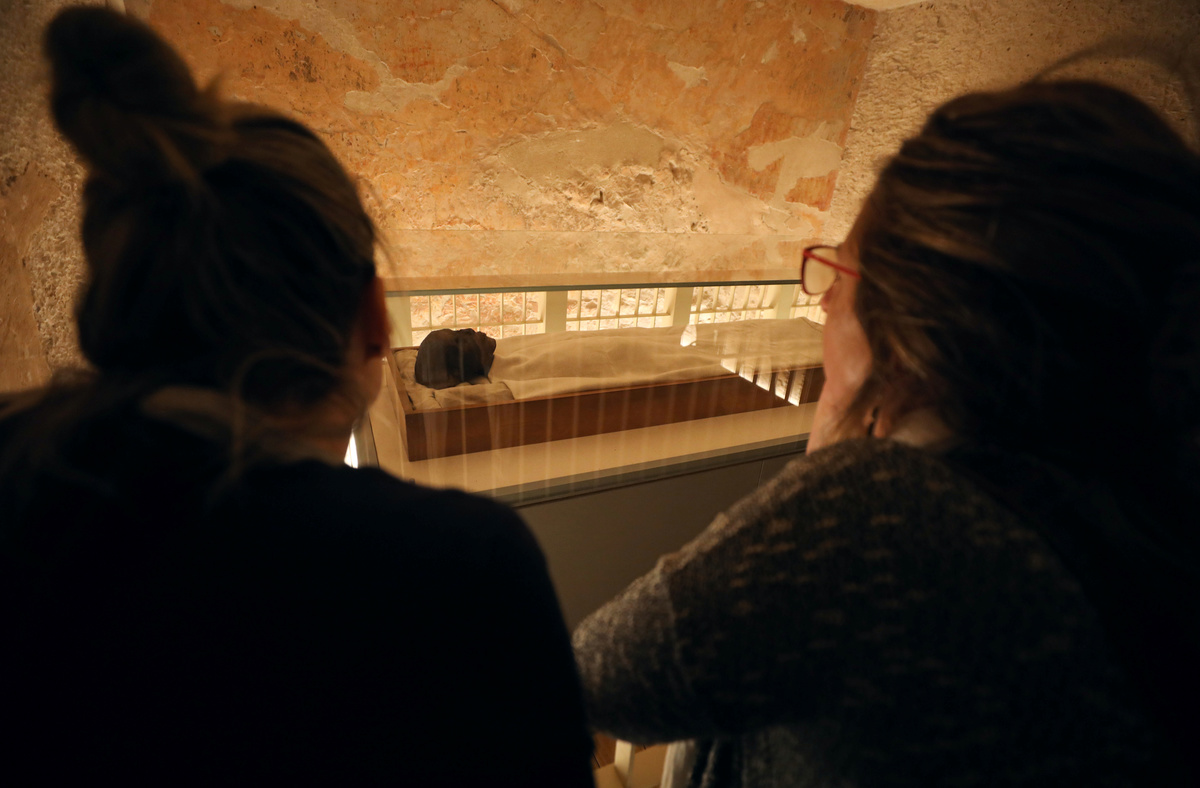
The mummy of boy pharaoh King Tutankhamun is on display in his newly renovated tomb in the Valley of the Kings in Luxor, Egypt January 31, 2019. REUTERS/Mohamed Abd El Ghany
LUXOR, Egypt (Reuters) - A century after the tomb of Tutankhamun was discovered, revealing the mummified boy-king buried more than 3,000 years ago, it has re-opened, brighter and safer thanks to painstaking work to repair damage caused by dust, damp and visitors.
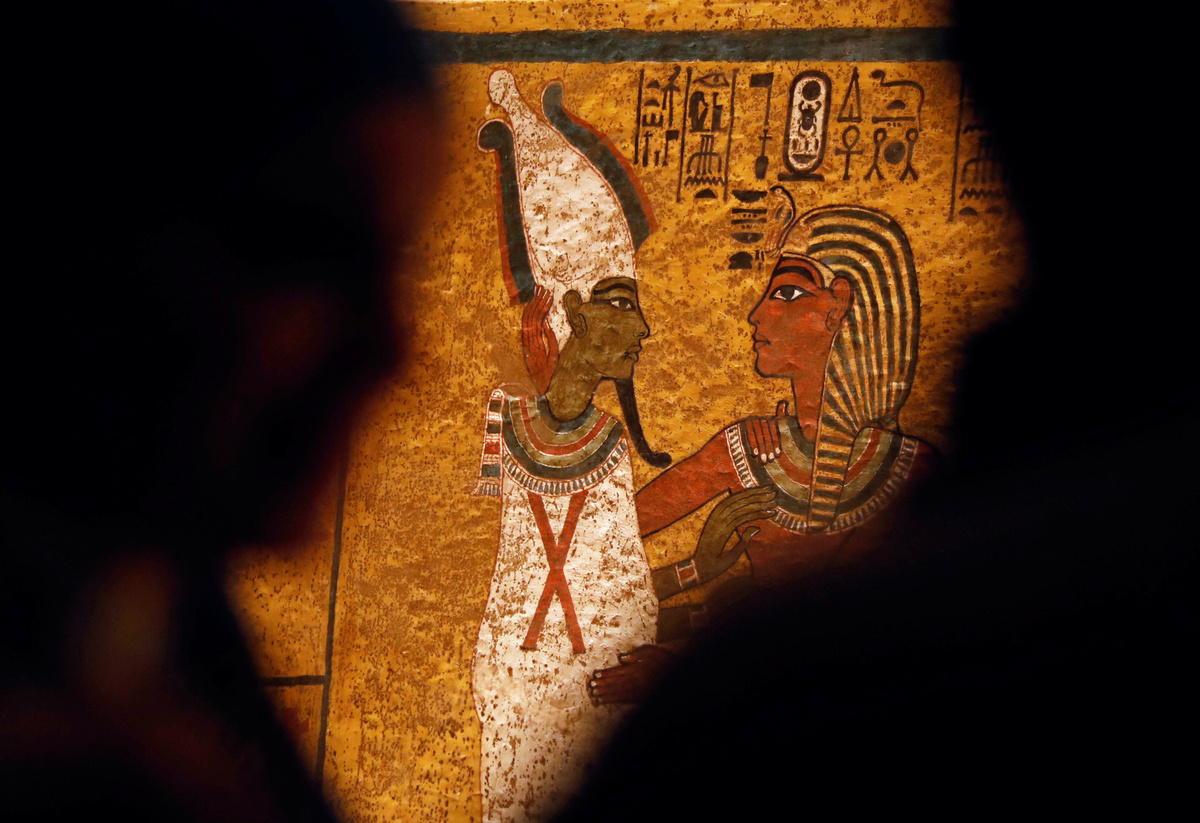
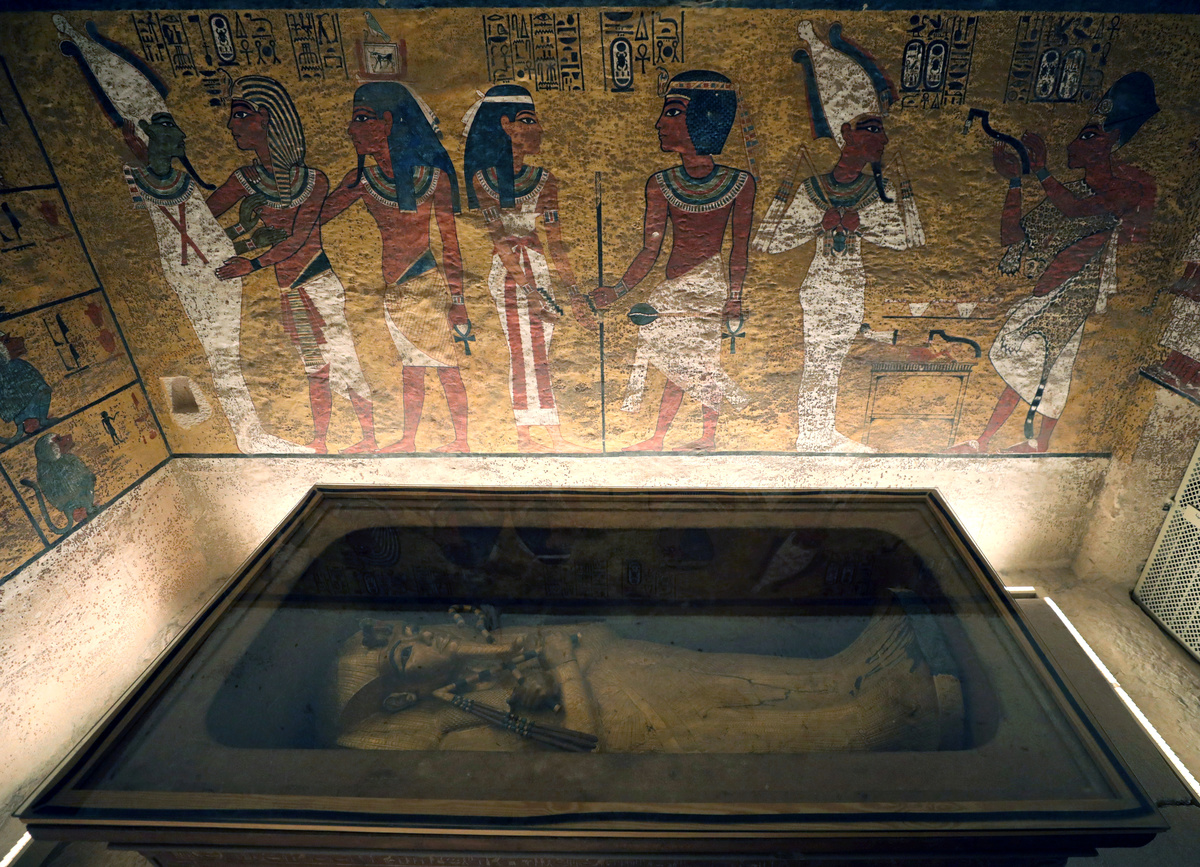
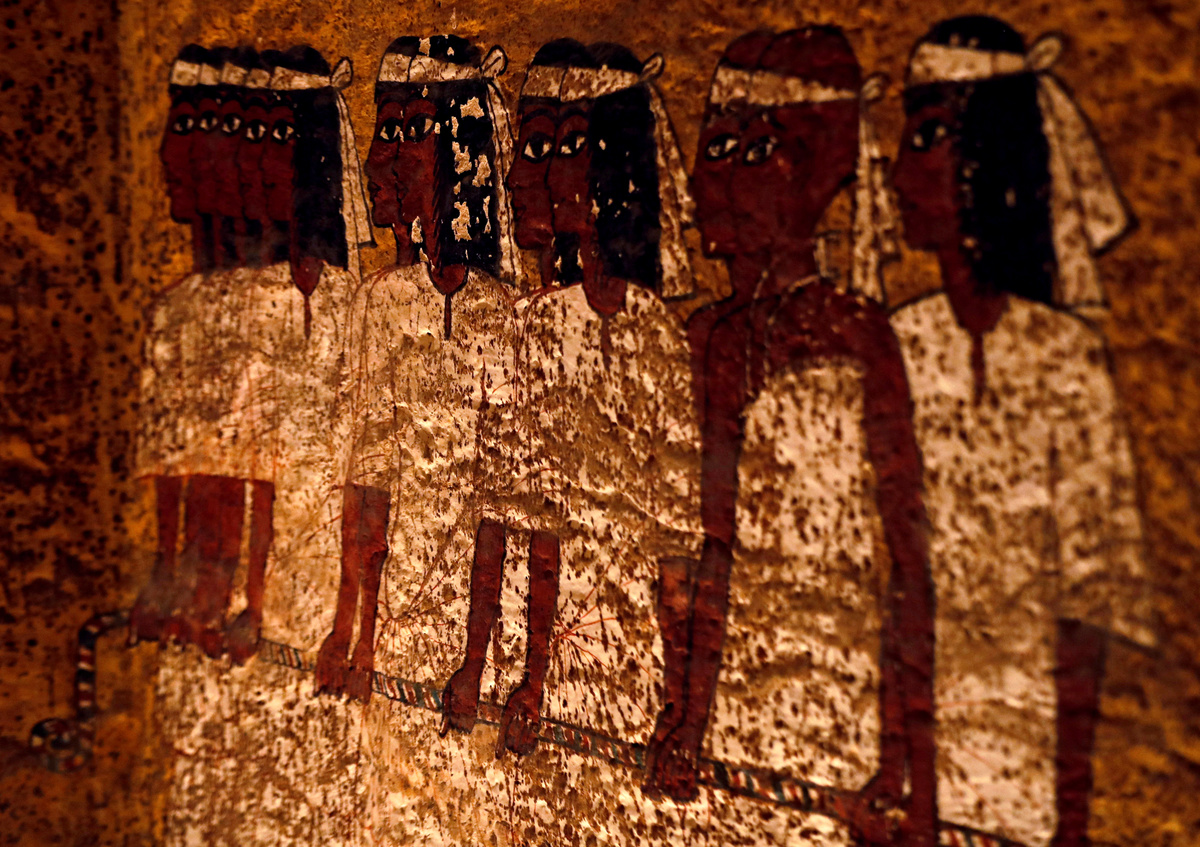
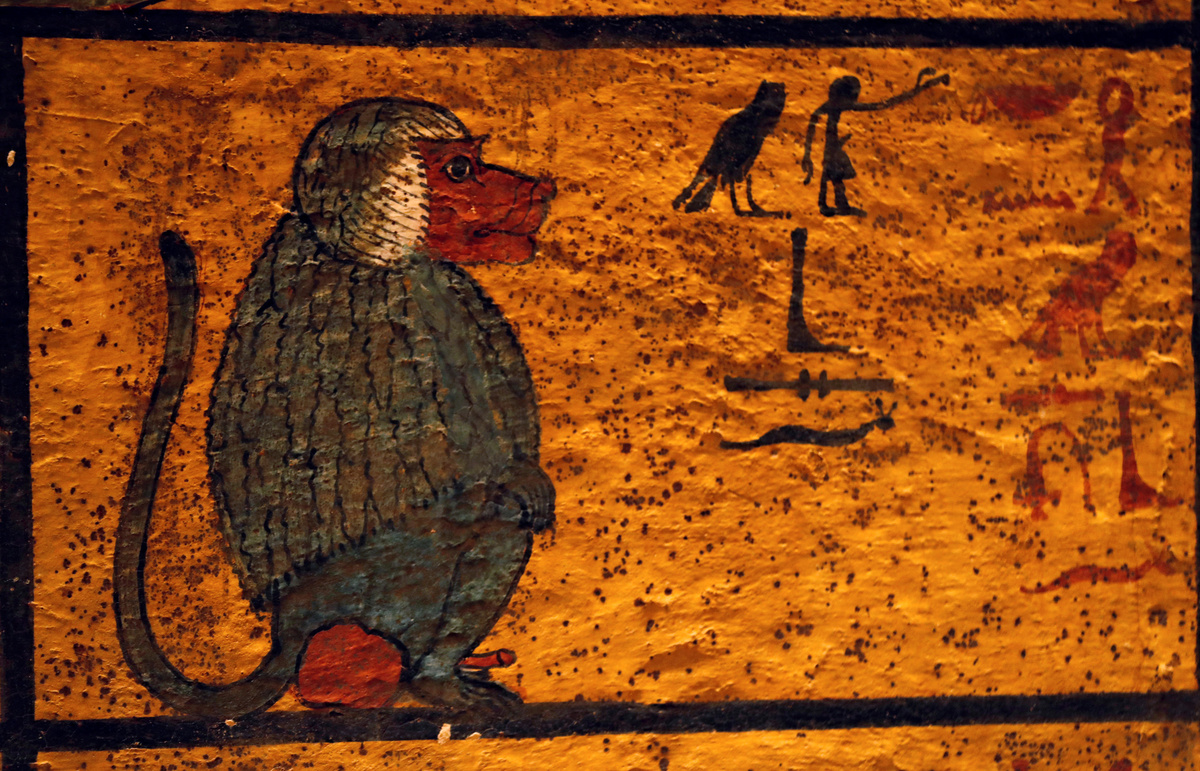
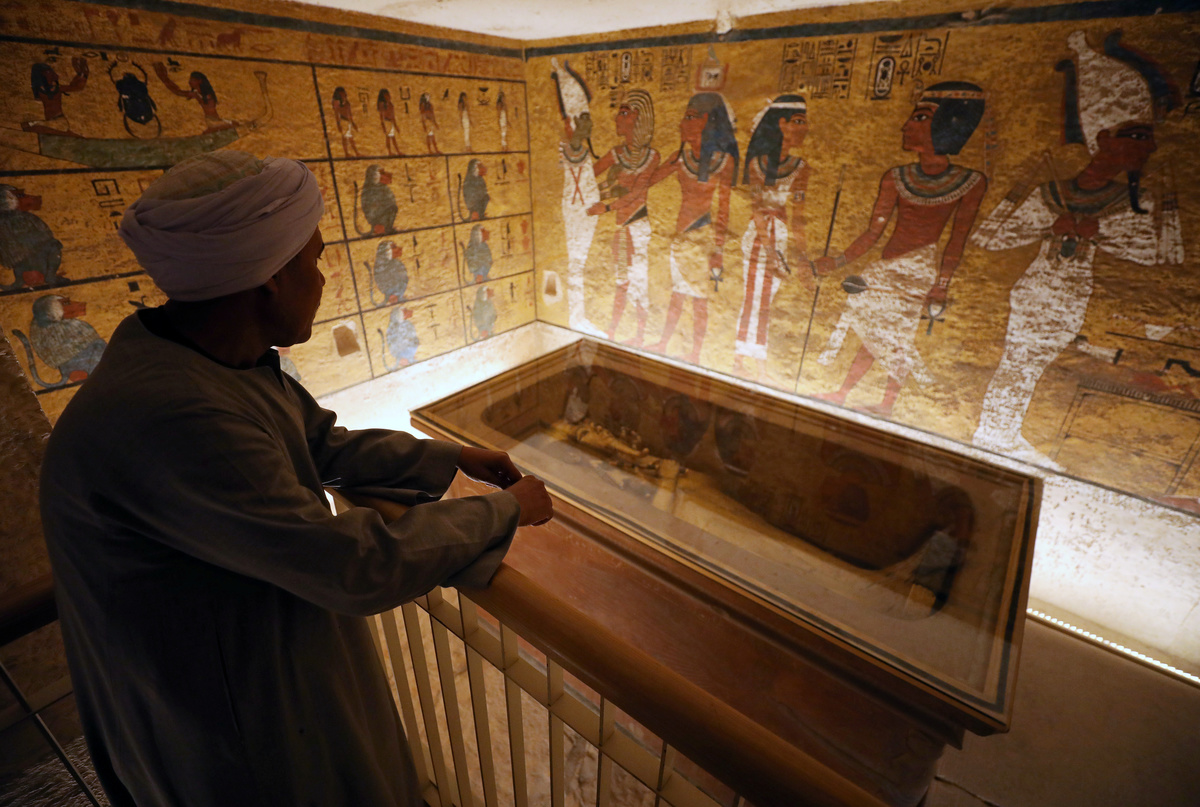
The intricate frescoes on the walls and ceiling were also restored to the pristine state they were in when British archaeologist Howard Carter first entered the tomb in 1922.
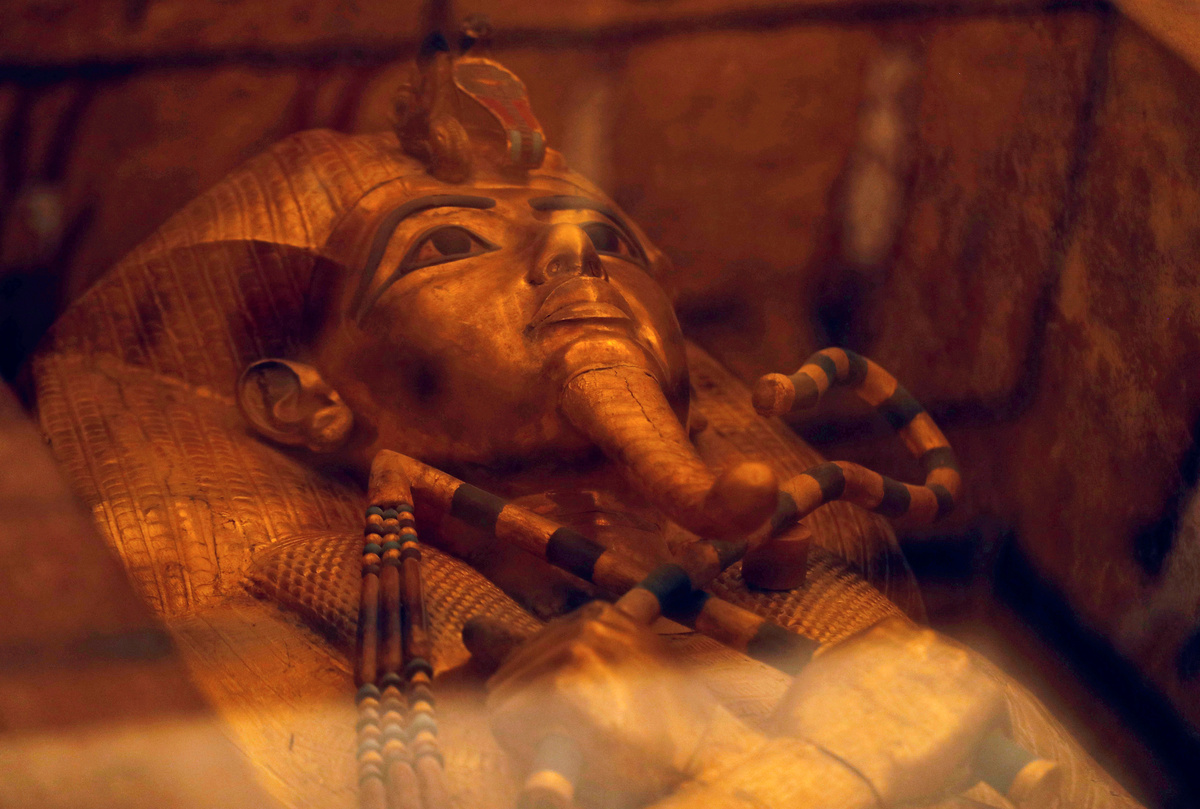
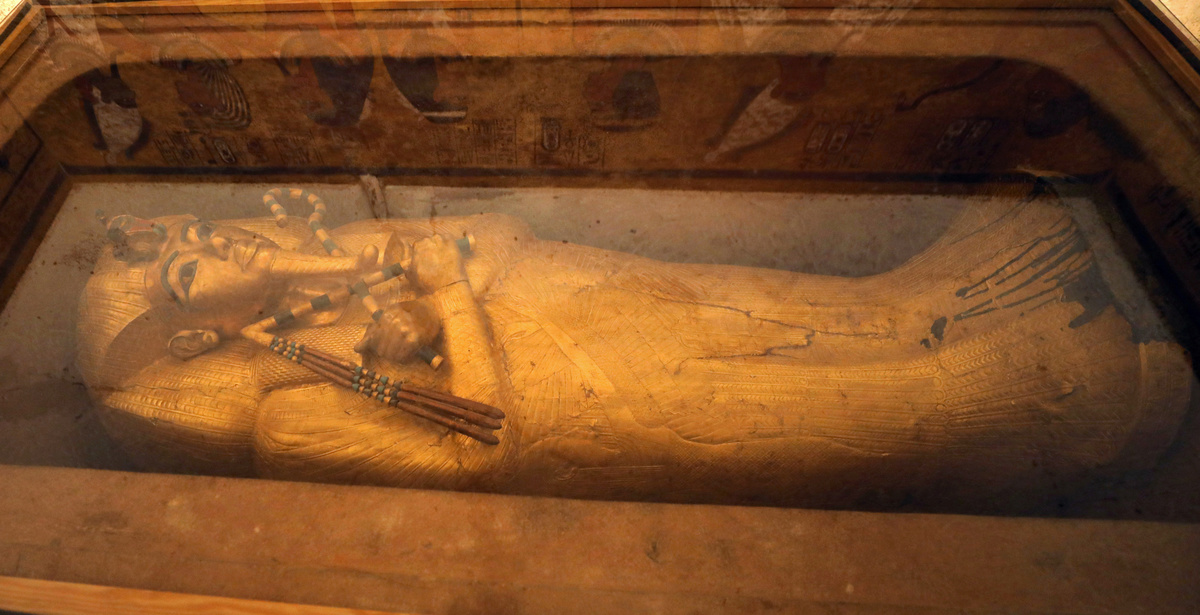
The sarcophagus of boy pharaoh King Tutankhamun is on display in his newly renovated tomb in the Valley of the Kings in Luxor, Egypt January 31, 2019. REUTERS/Mohamed Abd El Ghany
In a process that took 10 years and was delayed by political upheaval in 2011 when protests forced Hosni Mubarak from power, wooden flooring, lighting and ramps inside the tomb were all replaced: and that meant Tutankhamun himself had to be moved.
"It is an incredibly precious object, so it was a very stressful time to safely move the mummy," said Neville Agnew, communications director of the Los Angeles-based Getty Conservation Institute, which led the work.
"It was terrifying," he said of the operation to lift the mummy and its 250 kg (550-pound) case and carry it from the tomb by hand.
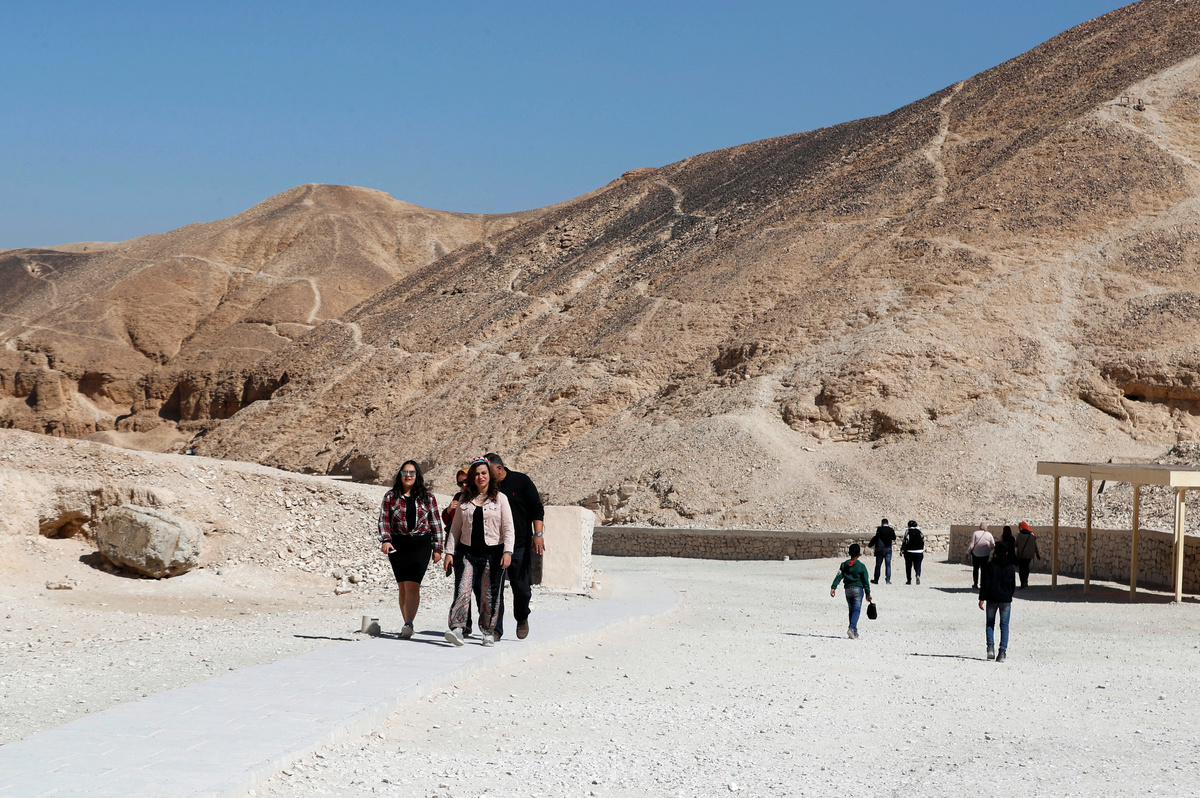
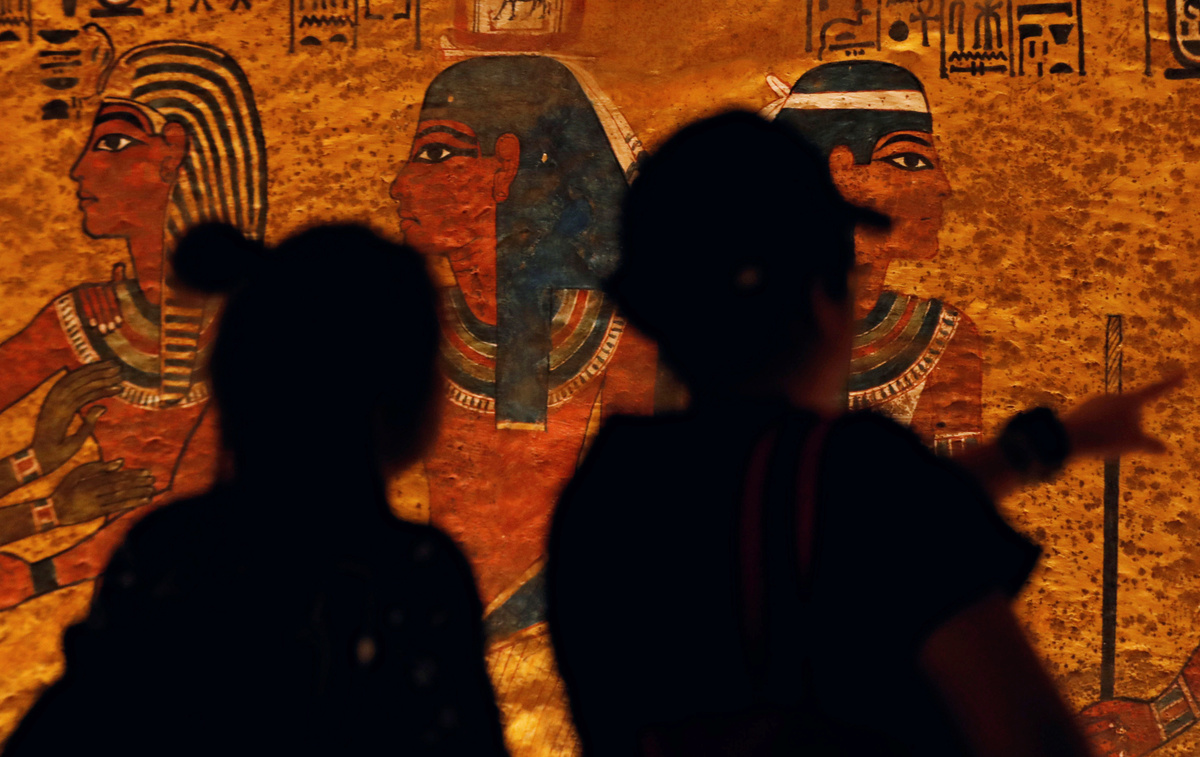
Tourists walk near the newly renovated tomb of boy pharaoh King Tutankhamun in Valley of the Kings in Luxor, Egypt January 31, 2019. REUTERS/Mohamed Abd El Ghany
"Twelve men, chanting and carrying it up the ramp. I said: if one slips, it will slide and will kill somebody. They said: 'Don't worry'."
The ancient site in the Valley of the Kings had been renovated several times before, but perhaps never with this rigor.
Conservationists, architects, environmental specialists and scientists began with nearly five years of analysis that found environmental impact as well as visitor damage including graffiti, scratches and lost items.
The mummy of boy pharaoh King Tutankhamun is on display in his newly renovated tomb in the Valley of the Kings in Luxor, Egypt January 31, 2019. REUTERS/Mohamed Abd El Ghany
"The water vapor produced by visitors' breathing affected everything in the tomb," said Hussein Shaboury, an arts professor at Alexandria University, adding that it had also been hard to breathe there.
"We had to change this and create a method by which fresh air enters the tomb, and air is circulated in a way where all the air in the tomb is changed in 30 minutes."
The sarcophagus of boy pharaoh King Tutankhamun is on display in his newly renovated tomb in the Valley of the Kings in Luxor, Egypt January 31, 2019. REUTERS/Mohamed Abd El Ghany
(Reporting by Mostafa Salem; editing by Sami Aboudi and Robin Pomeroy)
Visitors look at ancient Egyptian drawings on a wall of the newly renovated tomb of boy pharaoh King Tutankhamun in the Valley of the Kings in Luxor, Egypt January 31, 2019. REUTERS/Mohamed Abd El GhanyThe sarcophagus of boy pharaoh King Tutankhamun is on display in his newly renovated tomb in the Valley of the Kings in Luxor, Egypt January 31, 2019. REUTERS/Mohamed Abd El GhanyVisitors look at ancient Egyptian drawings on the newly renovated wall of boy pharaoh King Tutankhamun's tomb in Valley of the Kings in Luxor, Egypt January 31, 2019. REUTERS/Mohamed Abd El GhanyVisitors look at the mummy of boy pharaoh King Tutankhamun in his newly renovated tomb in the Valley of the Kings in Luxor, Egypt January 31, 2019. REUTERS/Mohamed Abd El GhanyThe sarcophagus of boy pharaoh King Tutankhamun is on display in his newly renovated tomb in the Valley of the Kings in Luxor, Egypt January 31, 2019. REUTERS/Mohamed Abd El GhanyAncient Egyptian drawings are seen on the newly renovated tomb wall of boy pharaoh King Tutankhamun in Valley of the Kings in Luxor, Egypt January 31, 2019. REUTERS/Mohamed Abd El GhanyAncient Egyptian drawings are seen on the newly renovated tomb wall of boy pharaoh King Tutankhamun in the Valley of the Kings in Luxor, Egypt January 31, 2019. REUTERS/Mohamed Abd El GhanyA guard looks at ancient Egyptian drawings and the sarcophagus in the newly renovated tomb wall of boy pharaoh King Tutankhamun in the Valley of the Kings in Luxor, Egypt January 31, 2019. REUTERS/Mohamed Abd El Ghany
Sign up to read this article
Read news from 100’s of titles, curated specifically for you.