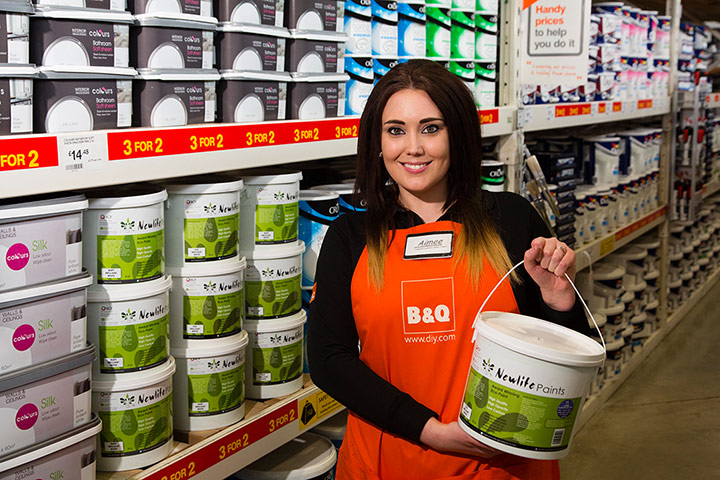
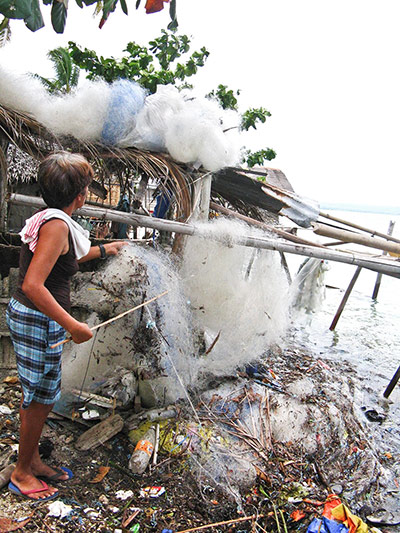
Nike’s Brazil home kit for 2013 combines performance with lower environmental impact. Each kit (jersey and shorts) is made using an average 13 recycled plastic bottles. The fabric for the kit’s shorts is made with 100% recycled polyester, while the shirt fabric is made with a minimum 96% recycled polyester.Photograph: PRUp to 20% of paint sold in the UK never makes contact with a wall and our lofts, garages and sheds are full of part used cans. B&Q have been working for three years with Newlife, a company in Sussex, founded by industrial chemist Keith Harrison. Keith’s wife had asked him to clear out the shed and this led him to developing a process to sort, filter, clean and remix waste paint, creating high quality full cans that could then be resold. Newlife now collect thousands of cans of waste paint from council sites across the UK and the recycled paint is sold in B&Q stores. Photograph: PRDiscarded nets on beaches or in the sea can persist for centuries, harming the environment and marine life. Net-Works, an inclusive business partnership between global carpet tile manufacturer Interface and the Zoological Society of London, aims to tackle the growing environmental problem of discarded fishing nets while improving lives in poverty-stricken coastal communities. By establishing a community-based supply chain for the nets, Net-Works will reduce overfishing and marine debris, improve the livelihood of local fishers and provide an innovative source of recycled materials for Interface’s products. Following a successful pilot on Danajon Bank, The Philippines, Interface is now developing products incorporating the nets.Photograph: (c) N. Hill/ZSL/PR
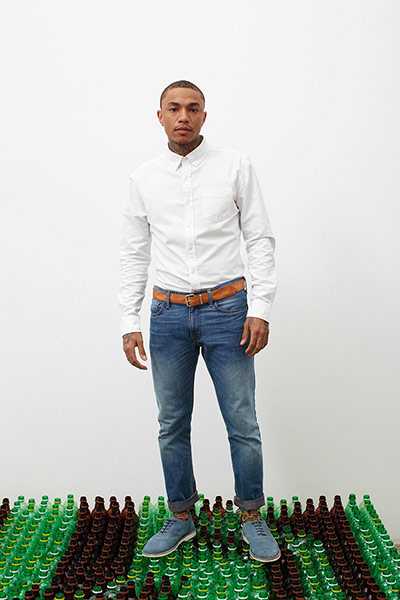
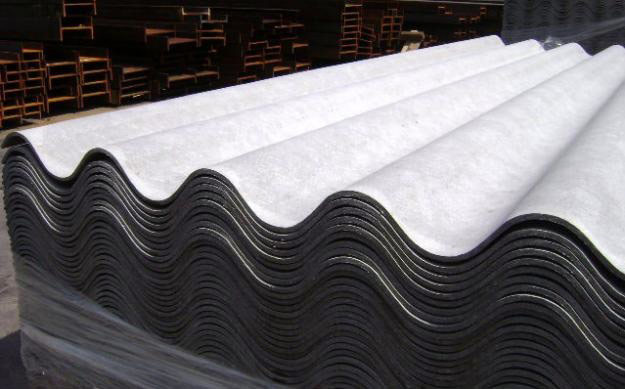
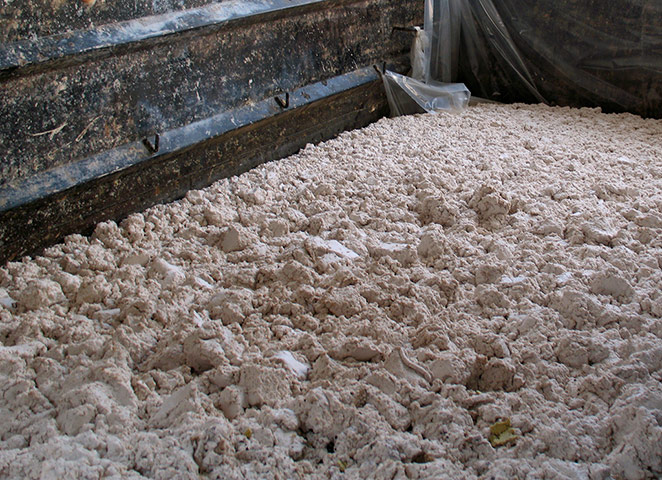
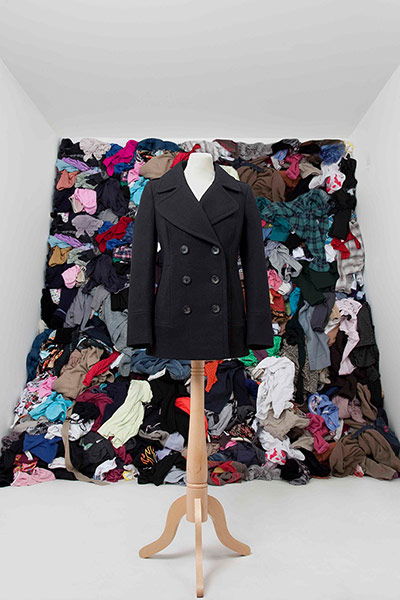
Levi’s have introduced the Waste Less collection, a new range of denim for men and women, incorporating post-consumer waste. On average, eight 12 to 20-ounce bottles per pair of jeans. Through Levi's partners, PET plastics including beer, drinks bottles and food trays are collected through recycling programmes. To create the denim, the items are sorted by colour, crushed into flakes and made into a polyester fibre which gets blended with cotton fibre and finally woven with traditional cotton yarn.Photograph: PRTo drive all sites toward zero, P&G has searched for innovative ways to find value in what was once seen as waste. In Apizaco, Mexico, paper sludge from a Charmin toilet tissue plant is turned into low-cost roof tiles used to build homes in the local community. Photograph: PRP&G’s product portfolio is widely varied, and so is its manufacturing waste. While some waste like cardboard, is easier to recycle, other materials like shampoo sludge is more challenging to find value in. P&G now recycles the sludge, turning it into compost and fertiliser. Photograph: PRLaunched in October, the Shwop Coat from Marks & Spencer is a stylish, limited edition ladies coat made from ‘shwopped’ wool donated by customers in M&S stores. It is the first product to be made from items of clothing donated as part of M&S’ Shwopping campaign which has seen over 3m items of used or unwanted clothing donated through M&S stores to be re-sold, re-used or re-cycled by Oxfam. Photograph: PR
Sign up to read this article
Read news from 100’s of titles, curated specifically for you.