Turkish olive farmer battles to save her land from coal mine
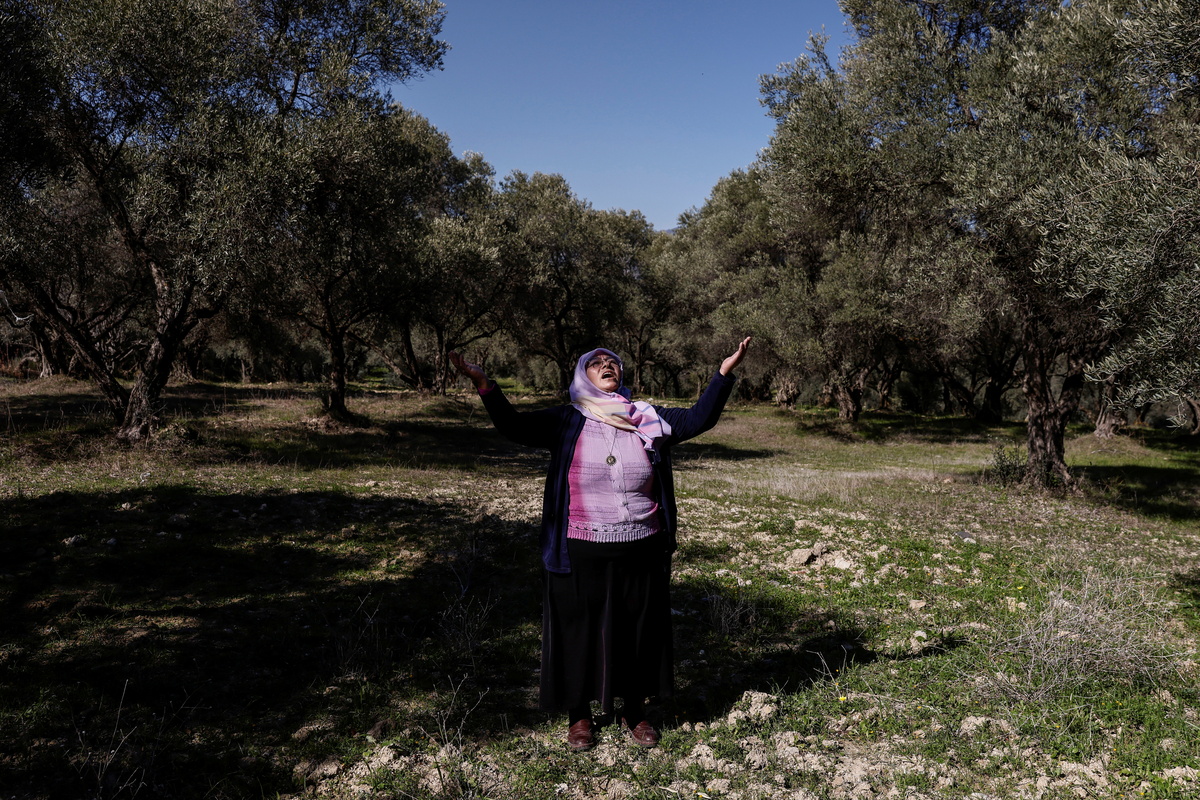
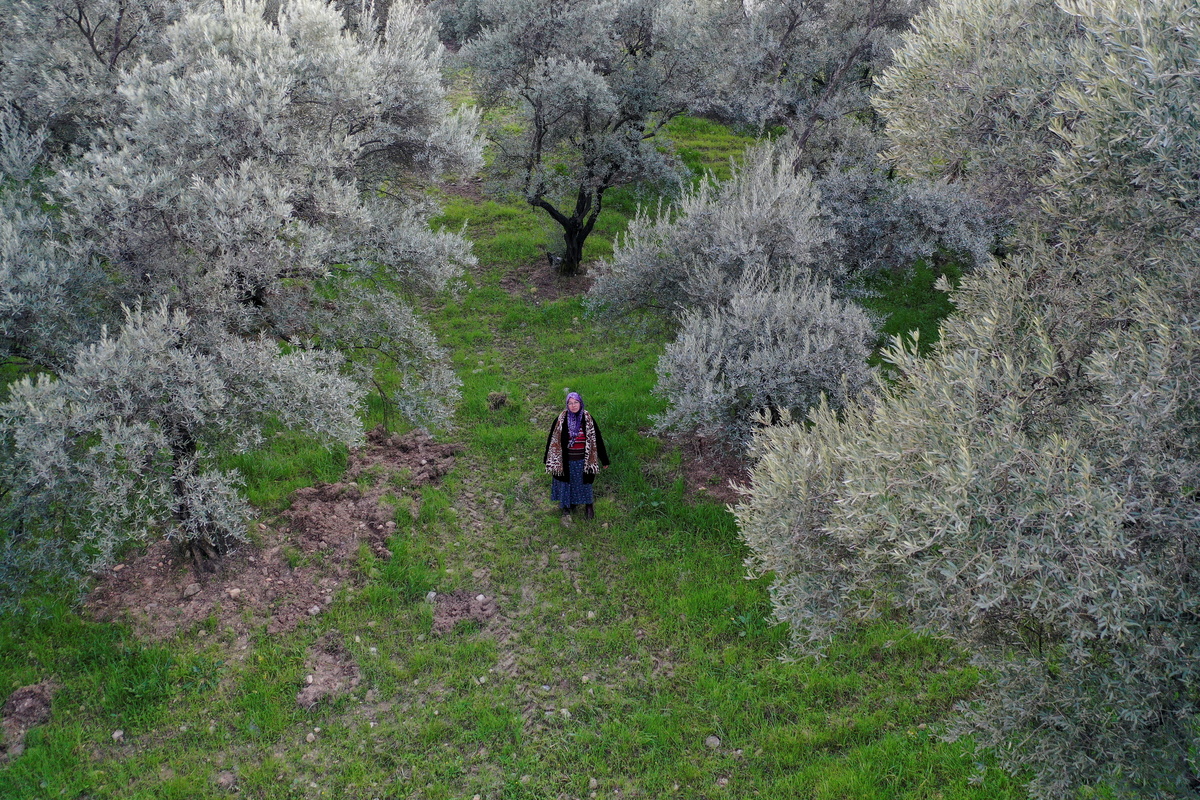
Tayyibe Demirel, 64, who is refusing to sell her olive grove to coal mining companies, prays as she stands in her olive grove in Turgut village near southwestern town of Yatagan in Mugla province, Turkey, February 24, 2021. REUTERS/Umit Bektas
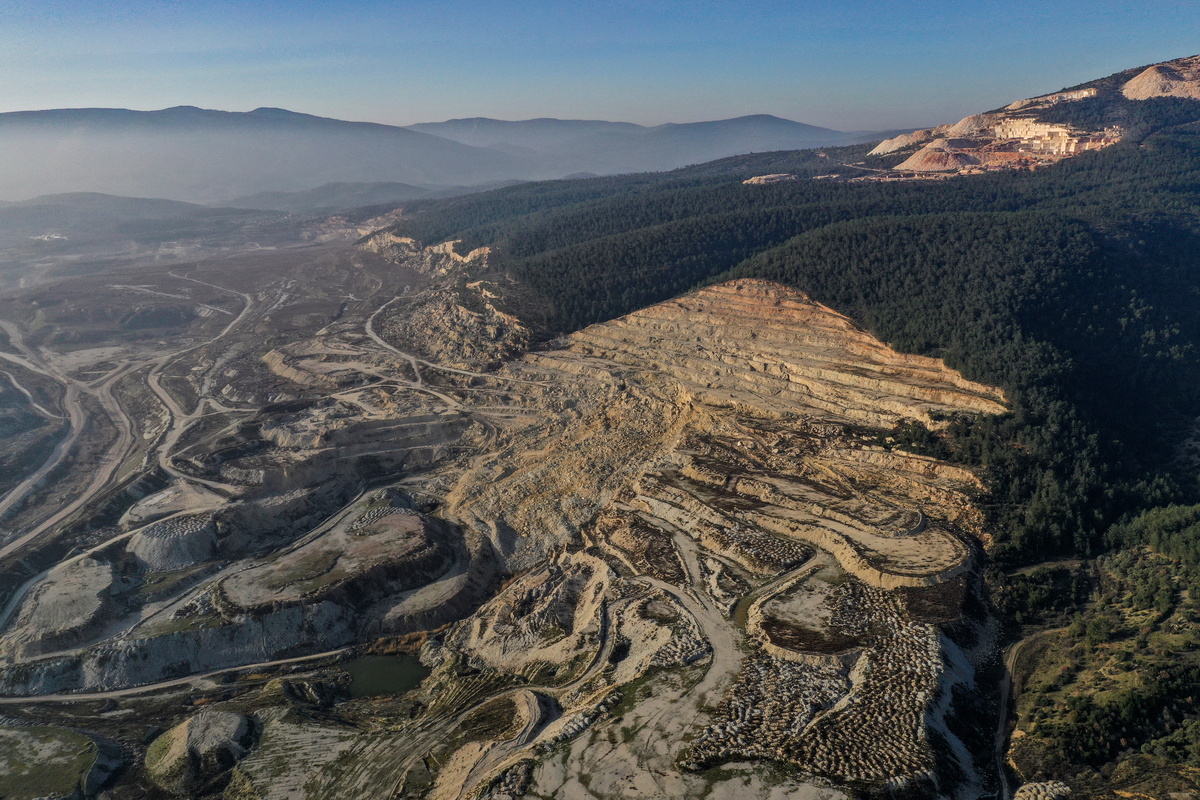
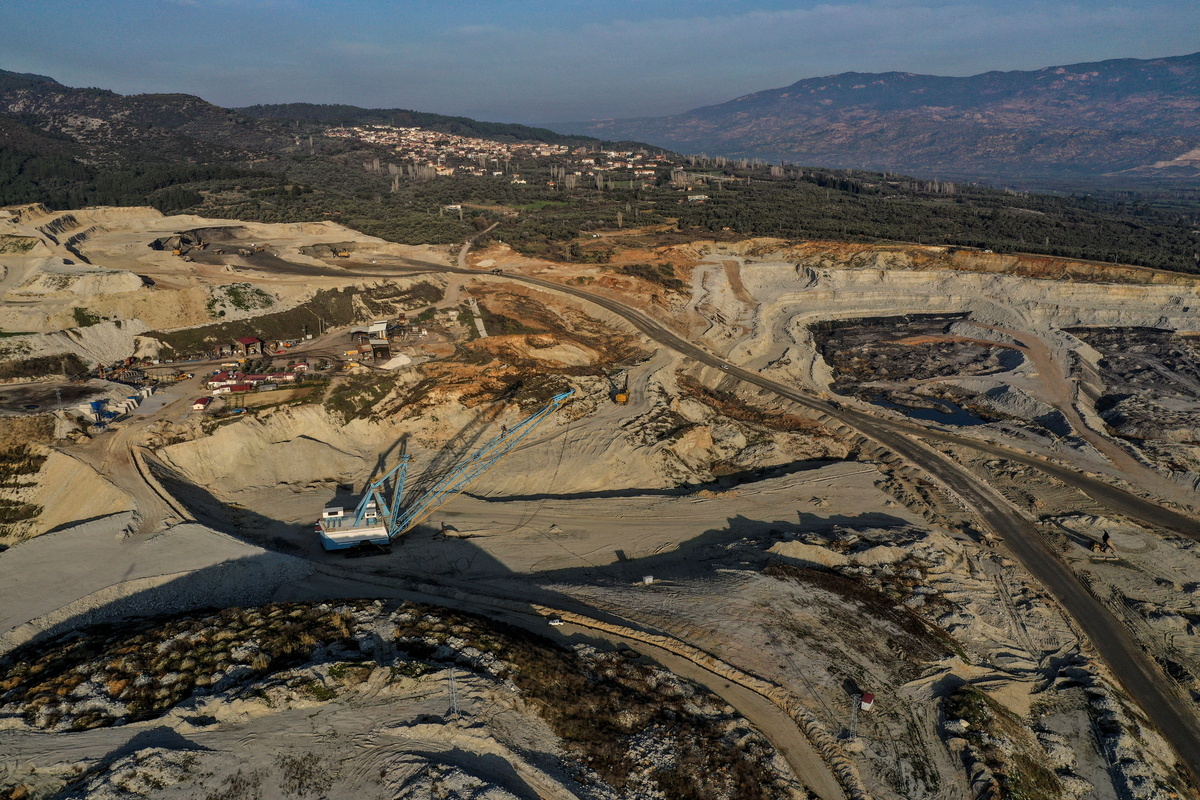
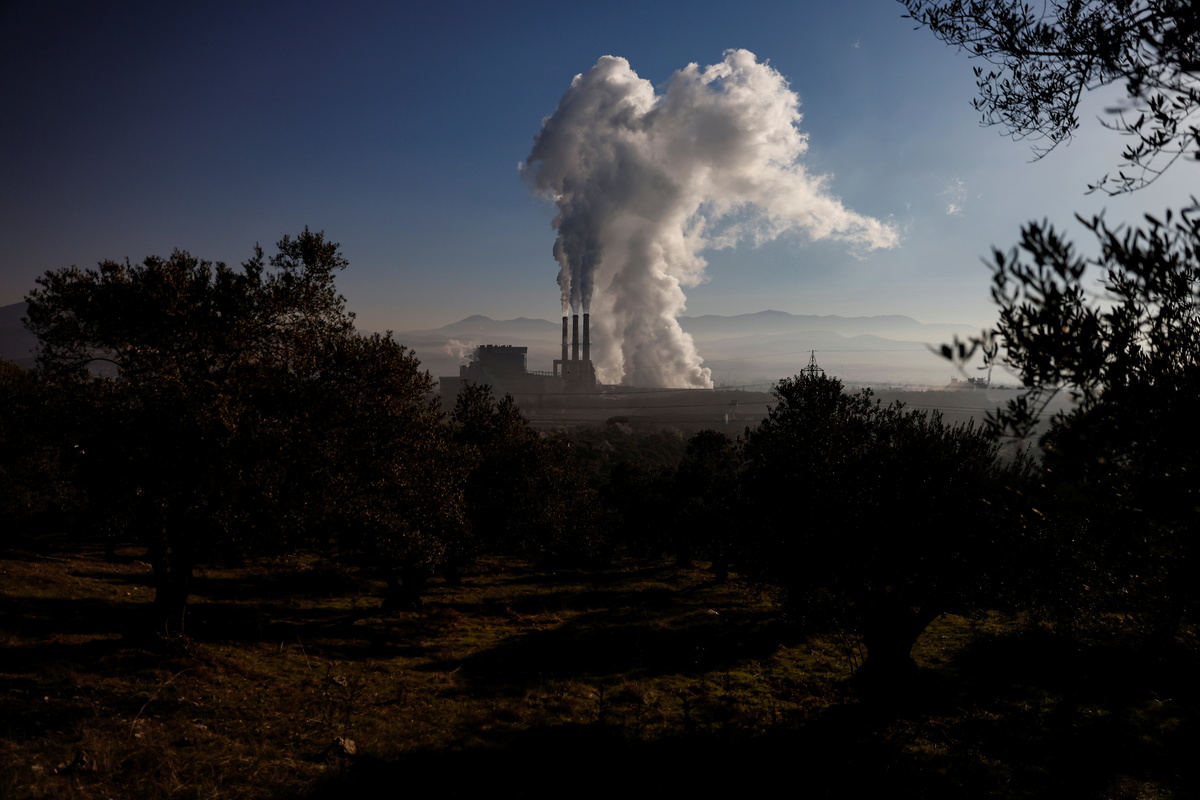
Behind Tayyibe Demirel's olive groves in southwest Turkey lies a vast, grey expanse, stripped bare by a coal mine eating into the rolling hillside. On the horizon, heavy smoke billows from three giant chimneys of the power plant by the town of Yatagan.
Determined to save her land and village, Demirel, a 64-year-old grandmother, has singlehandedly taken on the operators extending the mine to feed what is one of Turkey's largest power plants.
A view shows an open-pit coal mine near Turgut village at southwestern town of Yatagan in Mugla province, Turkey, February 25, 2021. REUTERS/Umit Bektas
Last month, she won a court case against the expansion of the mine towards her village and, armed with information she herself uncovered from an earlier court ruling that said olive groves must be protected, she also won the appeal at the higher court.
Her victory in court halted plans for mine expansion, but Demirel fears her six-acre property is being surrounded.
"All the land around will be dug and plundered, and the olive grove will be stuck in the middle," she said. "I object. I will continue my struggle, and seek my rights. How am I supposed to come to my field? Land here from the sky with a helicopter?"
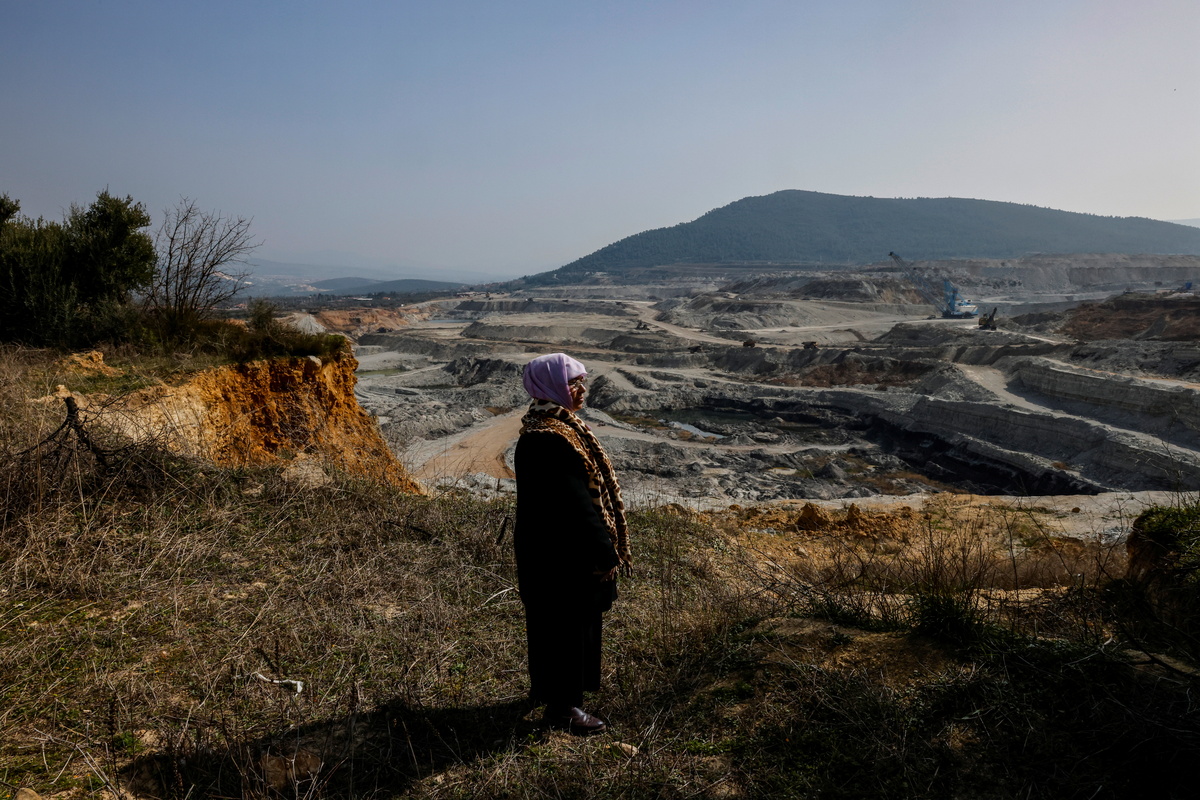
Tayyibe Demirel, 64, who is refusing to sell her olive grove to coal mining companies, stands at the edge of her olive grove and watches the open pit coal mine which is a few steps away in Turgut village near southwestern town of Yatagan in Mugla province, Turkey, February 25, 2021. REUTERS/Umit Bektas
Campaigners say pollution from the coal mined and burned at Yatagan, 40 km (25 miles) from some of Turkey's Mediterranean and Aegean beach resorts, has led to major health and environmental damage.
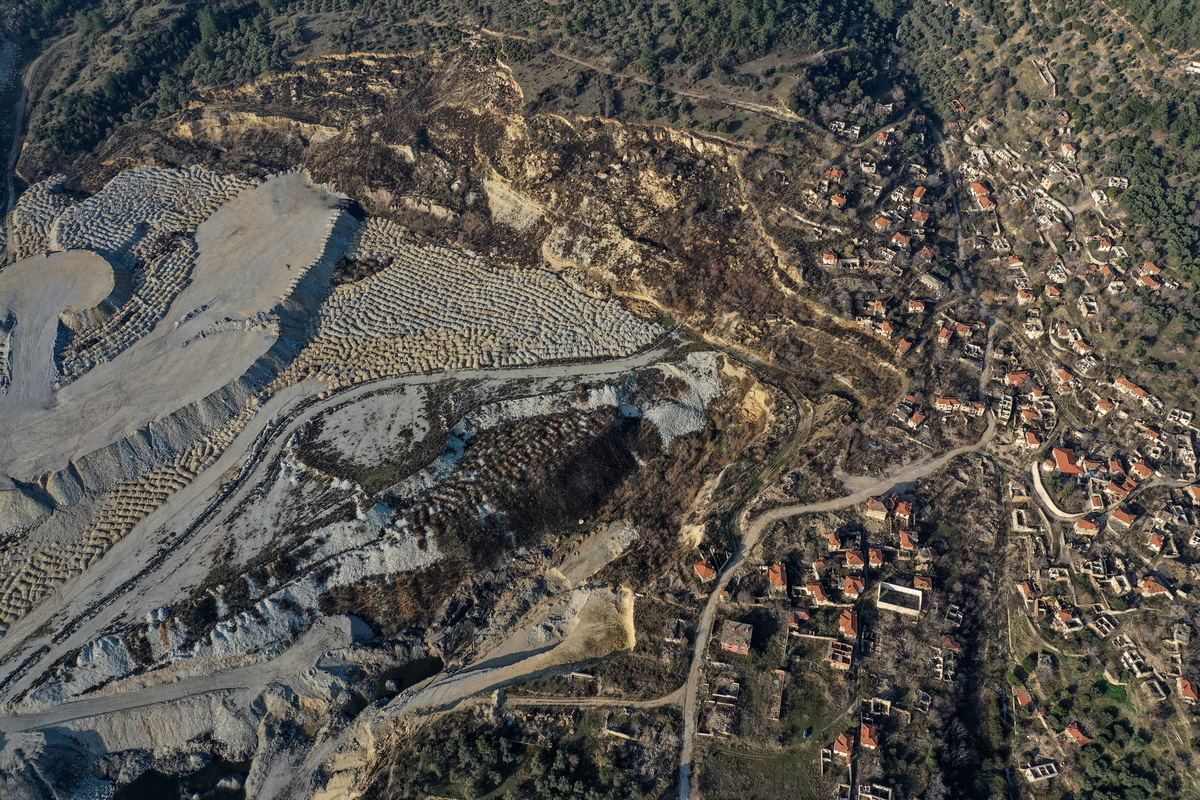
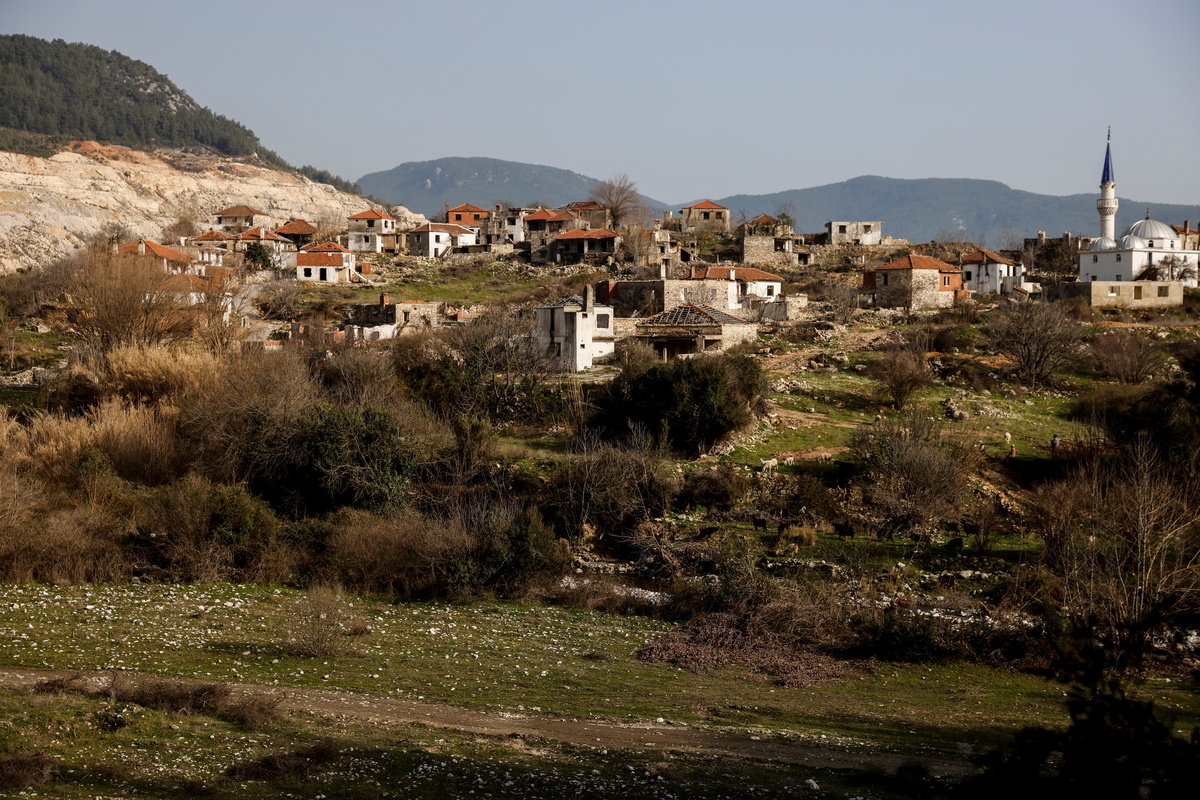
Five villages have already disappeared as mines serving the Yatagan power station have expanded, and Demirel's village of Turgut is now threatened. Across the province of Mugla 5,000 hectares, the equivalent of nearly 8,000 football fields, has been lost to mining in the last four decades, campaigners say.
Asked about its plans to expand the mine, Yatagan Power Plant told Reuters it has planted more than 1.5 million trees in the region and its operations respect the environment and are carried out under supervision of relevant Turkish ministries.
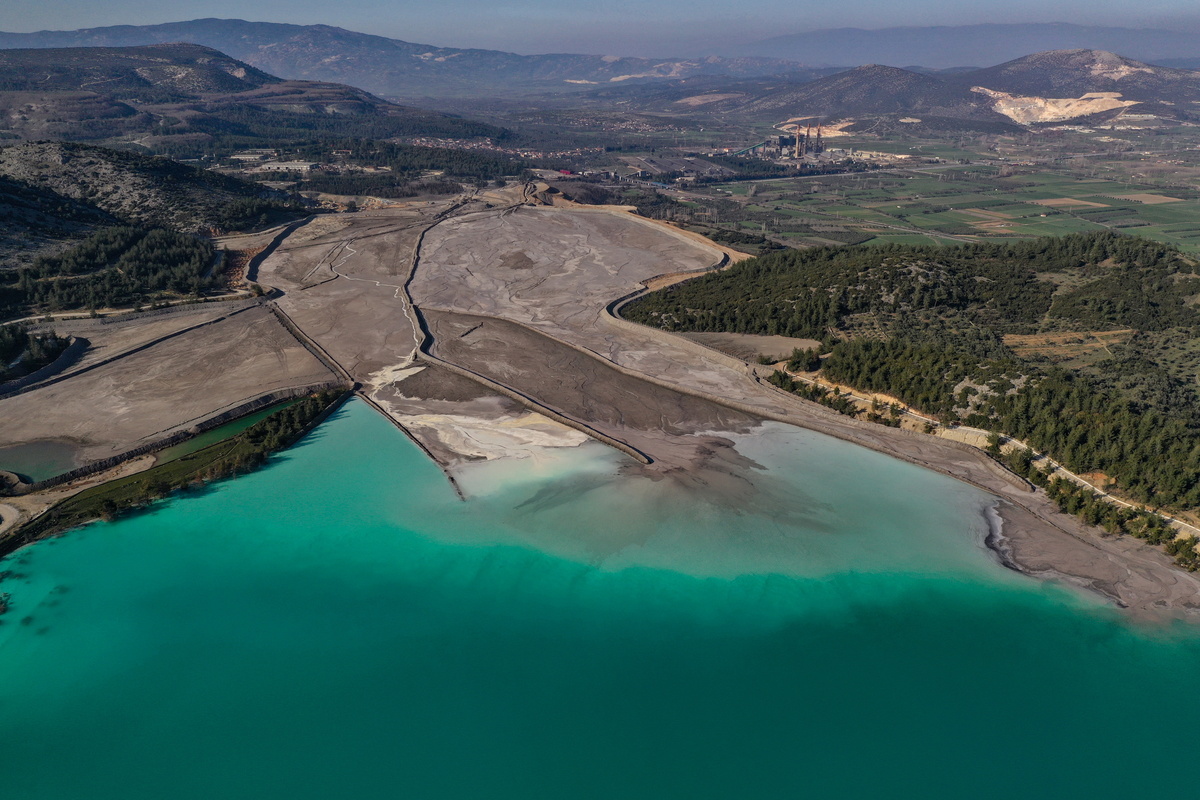
A shows shows rotten trees in a toxic lake which is an ash dam composed of the ash produced from burning coal in Yatagan thermal power plant and the wastewater discharged also from the power plant near southwestern town of Yatagan in Mugla province, Turkey, February 24, 2021. REUTERS/Umit Bektas
Limak, operating another plant in the region, told Reuters its production meets 5% of Turkey's power demand, with 1,050 mW installed capacity. The company added that its land purchasing practices were in line with laws and regulations.
HEALTH COSTS
Across Turkey, authorities are pushing ahead with plans to more than double coal power capacity. The government says it has to reduce high import dependency for energy that accounts for a fifth of the total value of Turkey's imports and is a significant factor behind years of current account deficits.
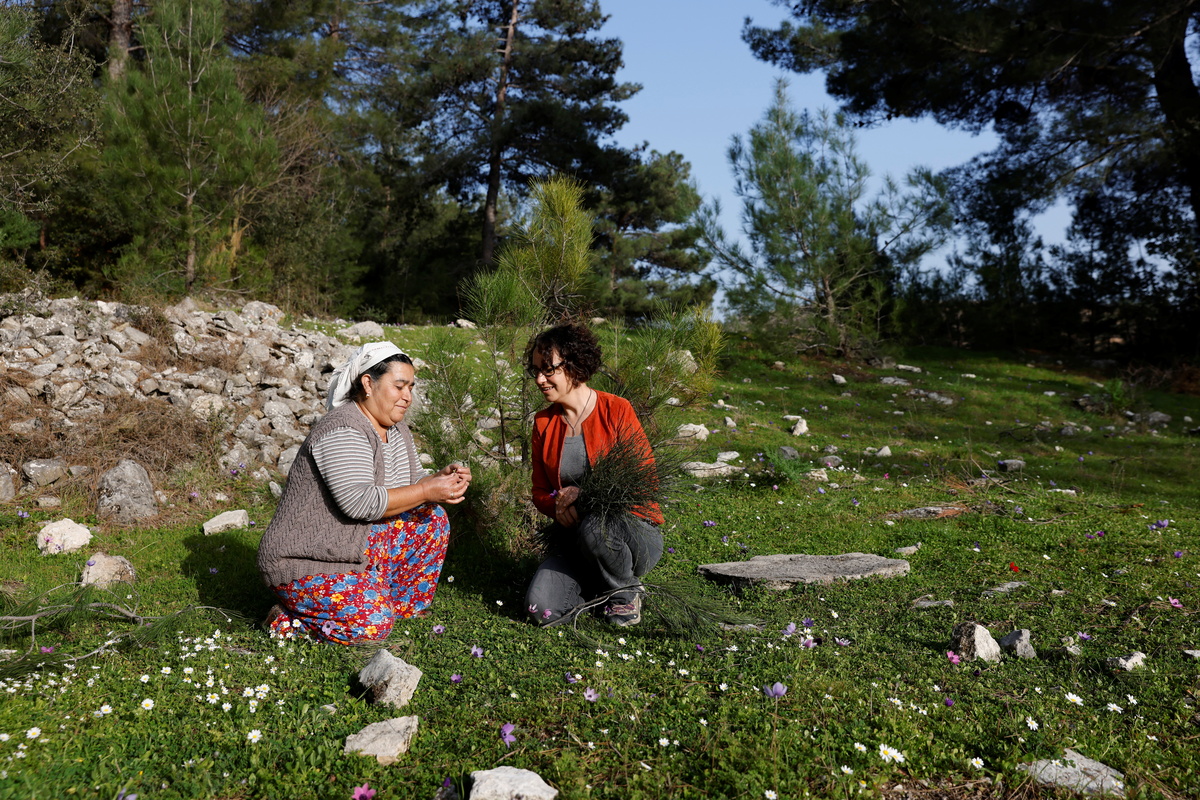
Deniz Gumusel, senior consultant on environmental policy and management, chats with Aytac Yakar, a 53-year-old villager from abandoned Isikdere neighbourhood of Ikizkoy village, near southwestern town of Milas in Mugla province, Turkey, February 25, 2021. REUTERS/Umit Bektas
The Health and Environment Alliance (HEAL), a European non-profit organisation measuring the impact of pollution estimates the healthcare costs of coal power generation in Turkey at up to 5.9 billion euros per year.
Deniz Gumusel, environmental activist who co-authored a report on Turkey's coal power for HEAL, said three coal power plants in the region caused the death of 45,000 people in the more than 40 years since the first plant came online, mostly due to cardiovascular and respiratory diseases.
"This is like war, against people and against forests and ecosystems," she said.
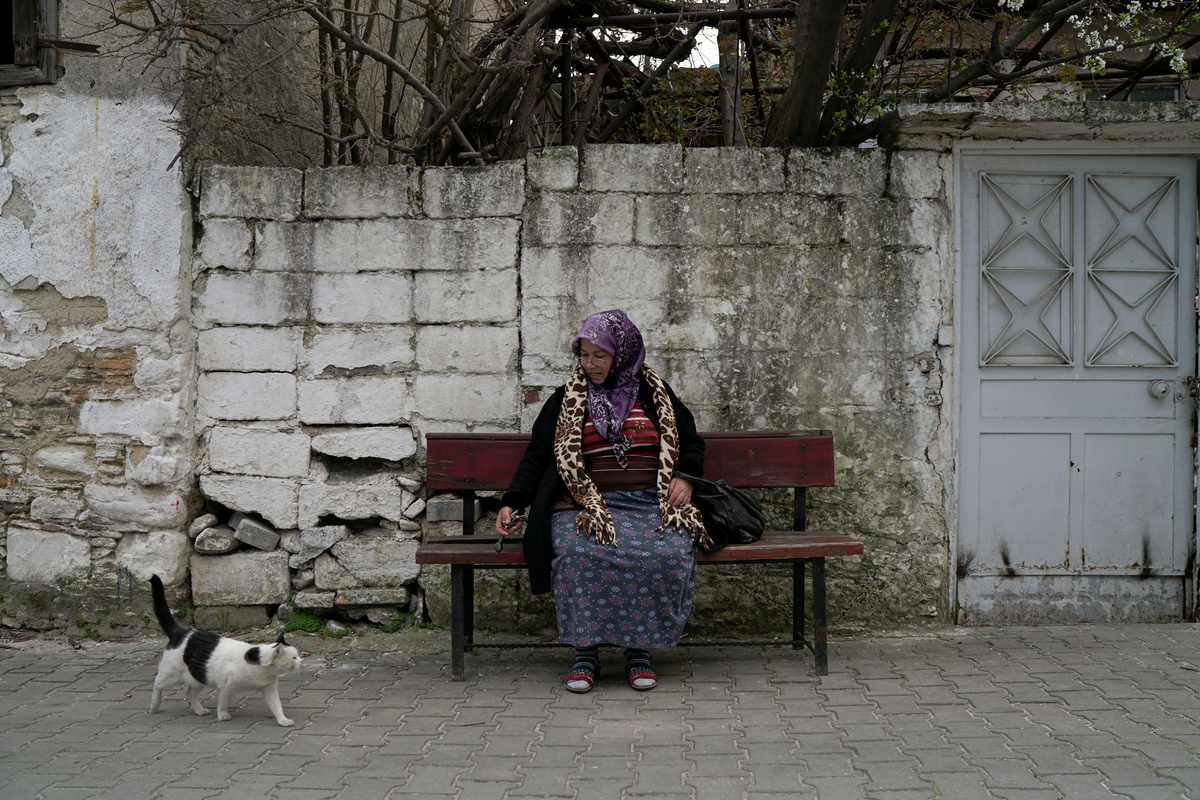
Tayyibe Demirel, 64, who is refusing to sell her olive grove to coal mining companies, rests on a road side in Turgut village near southwestern town of Yatagan in Mugla province, Turkey, March 2, 2021. REUTERS/Umit Bektas
But the determination of villagers and women like Demirel means there is still room for optimism, she insisted.
"Women are carrying out an incredible fight against this unjust coal business. They were very successful in stopping or slowing down the progression of the mines."
Looking out from her fields of olives to the open pit mine, Demirel says that a few years earlier the area had been carpeted with tulips, poppies and daisies. "Which is better, a hell pit or nature?" she said.
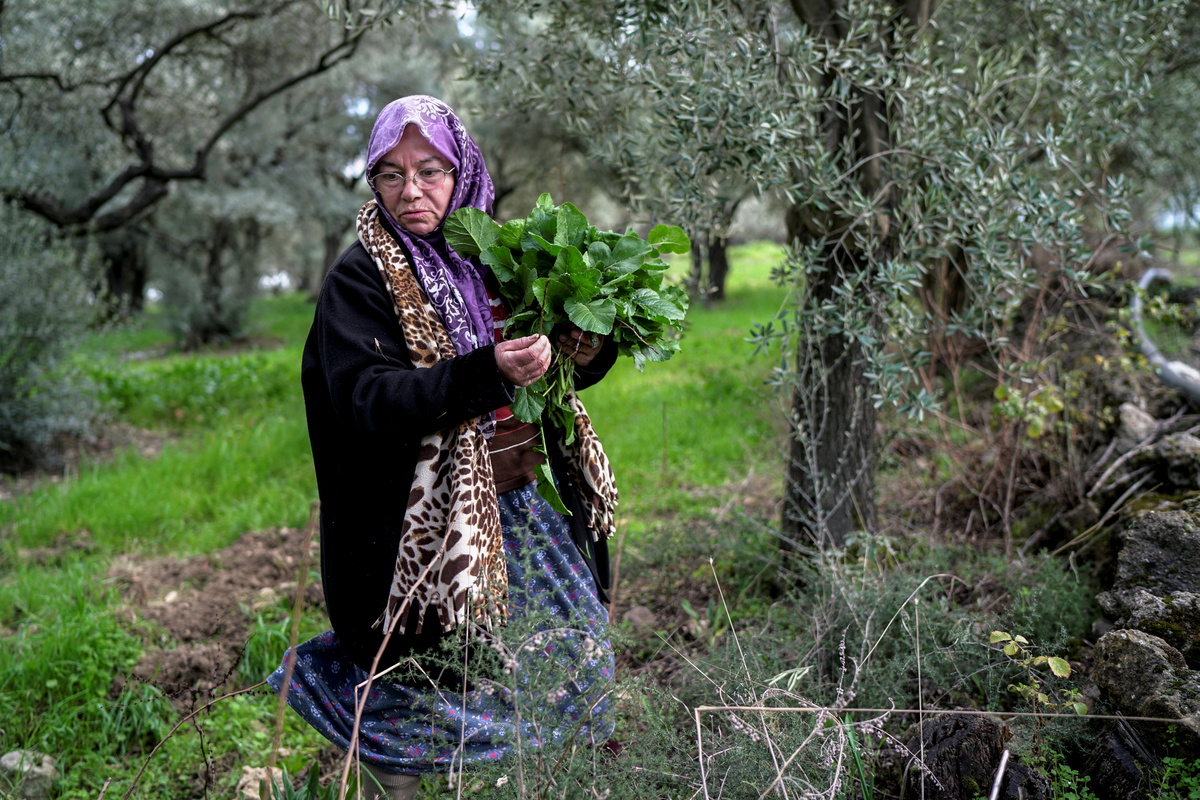
Tayyibe Demirel, 64, who is refusing to sell her olive grove to coal mining companies, picks wild greens from her olive grove in Turgut village near southwestern town of Yatagan in Mugla province, Turkey, March 2, 2021. REUTERS/Umit Bektas
(Reporting by Umit Bektas and Bulent Usta in Yagatan and Ece Toksabay in Ankara; Editing by Dominic Evans and Raissa Kasolowsky)
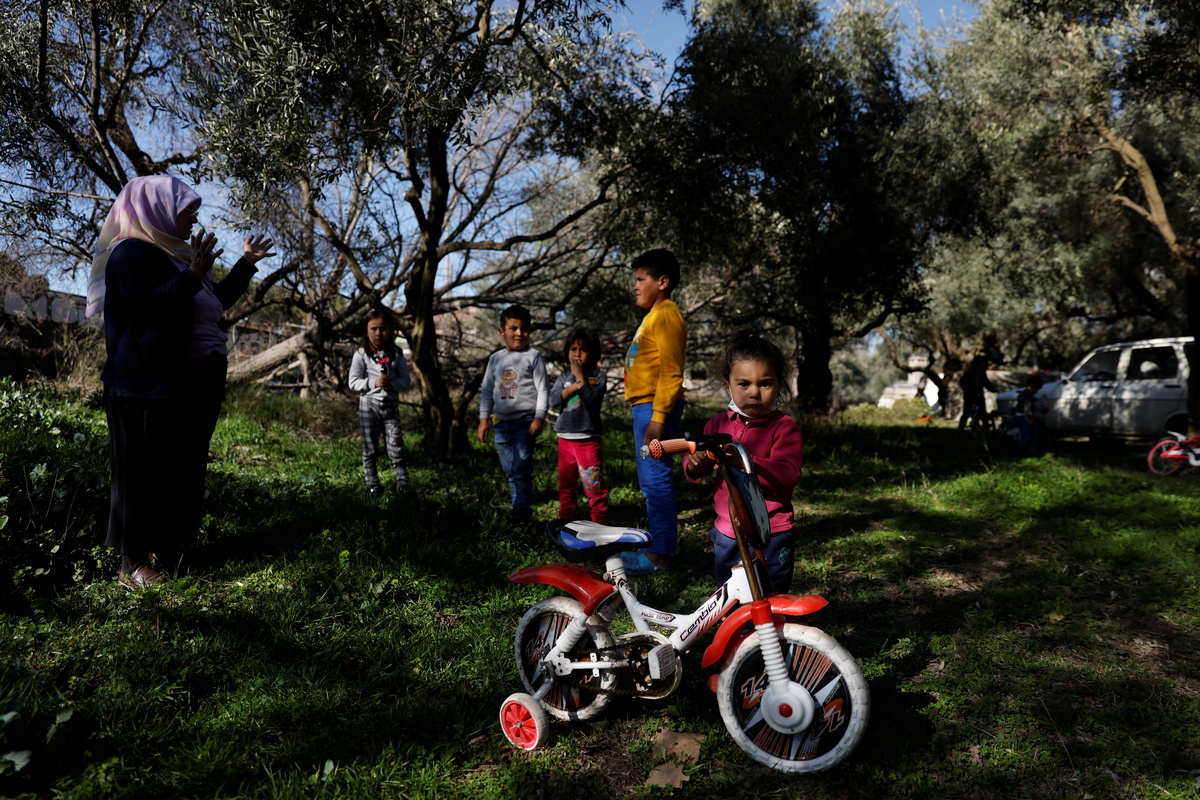
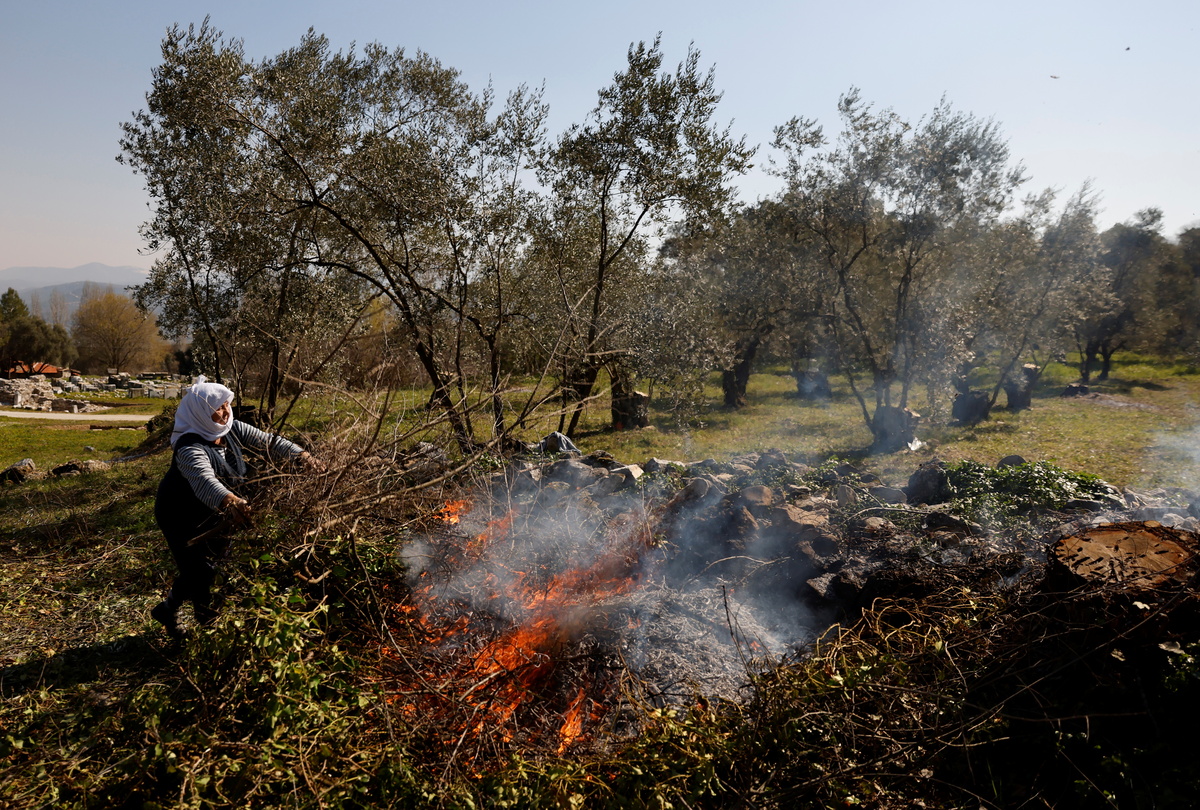
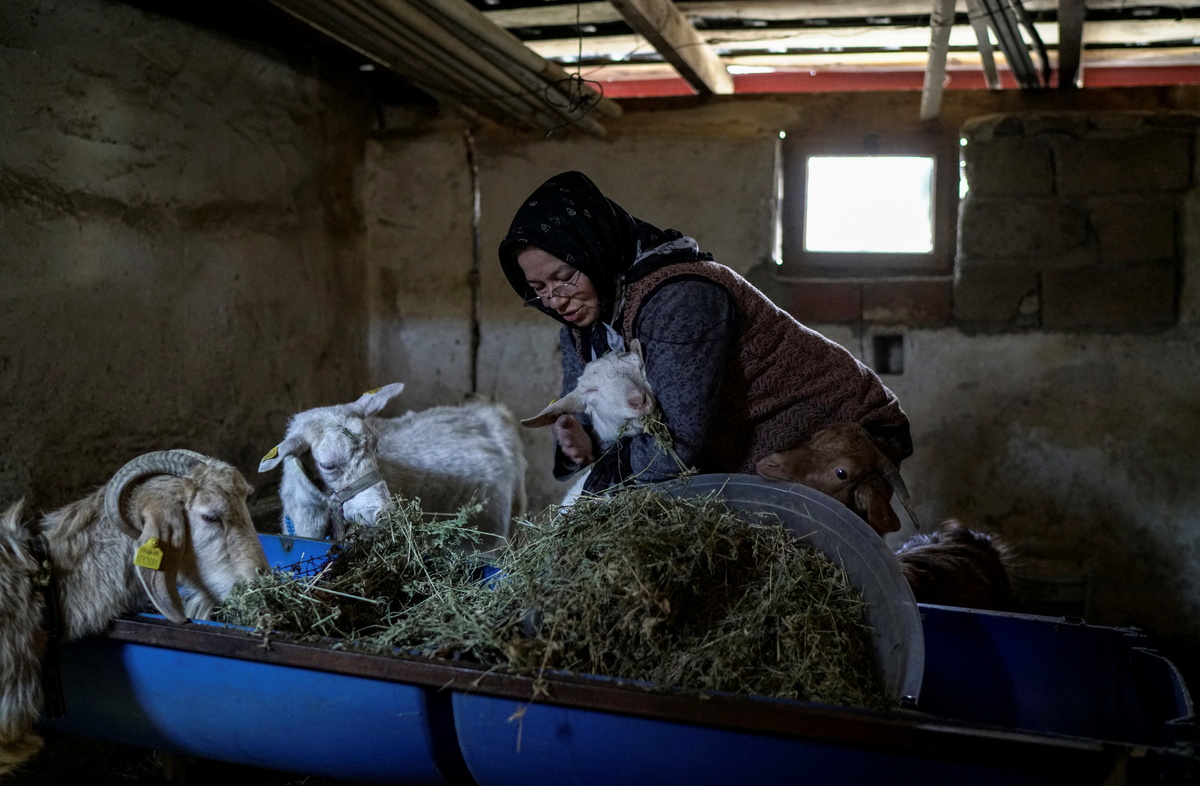
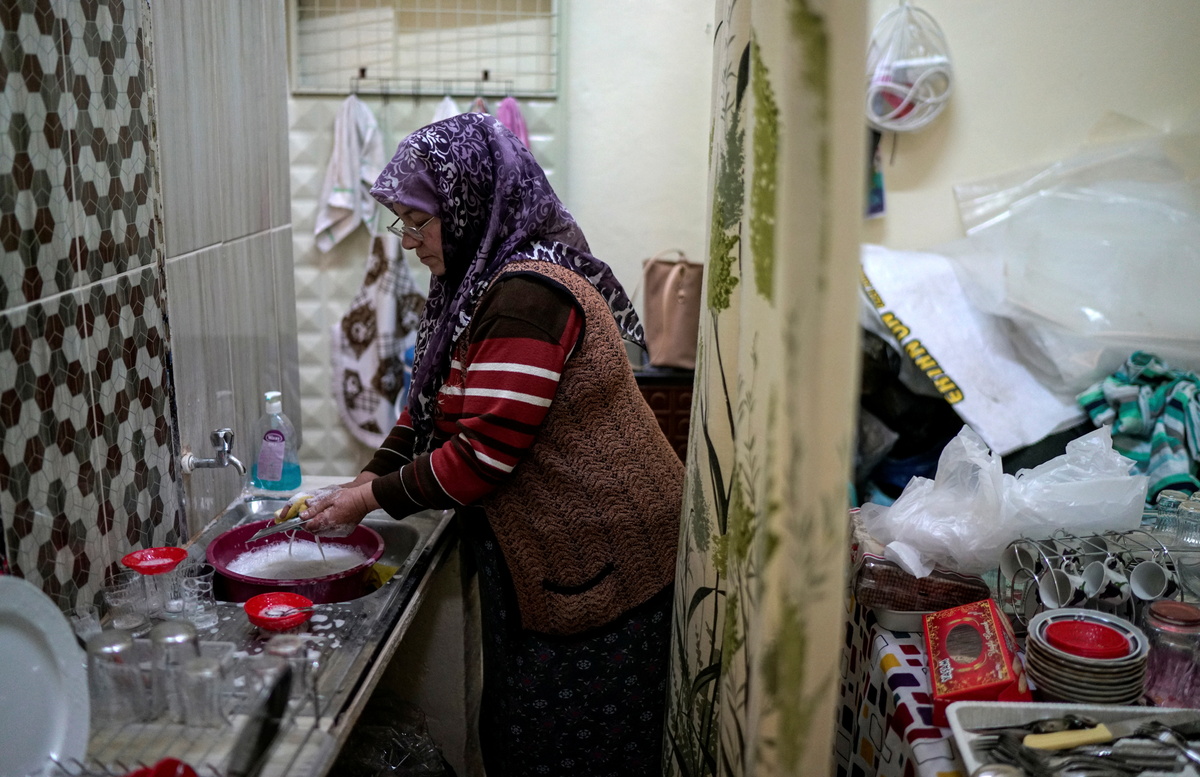
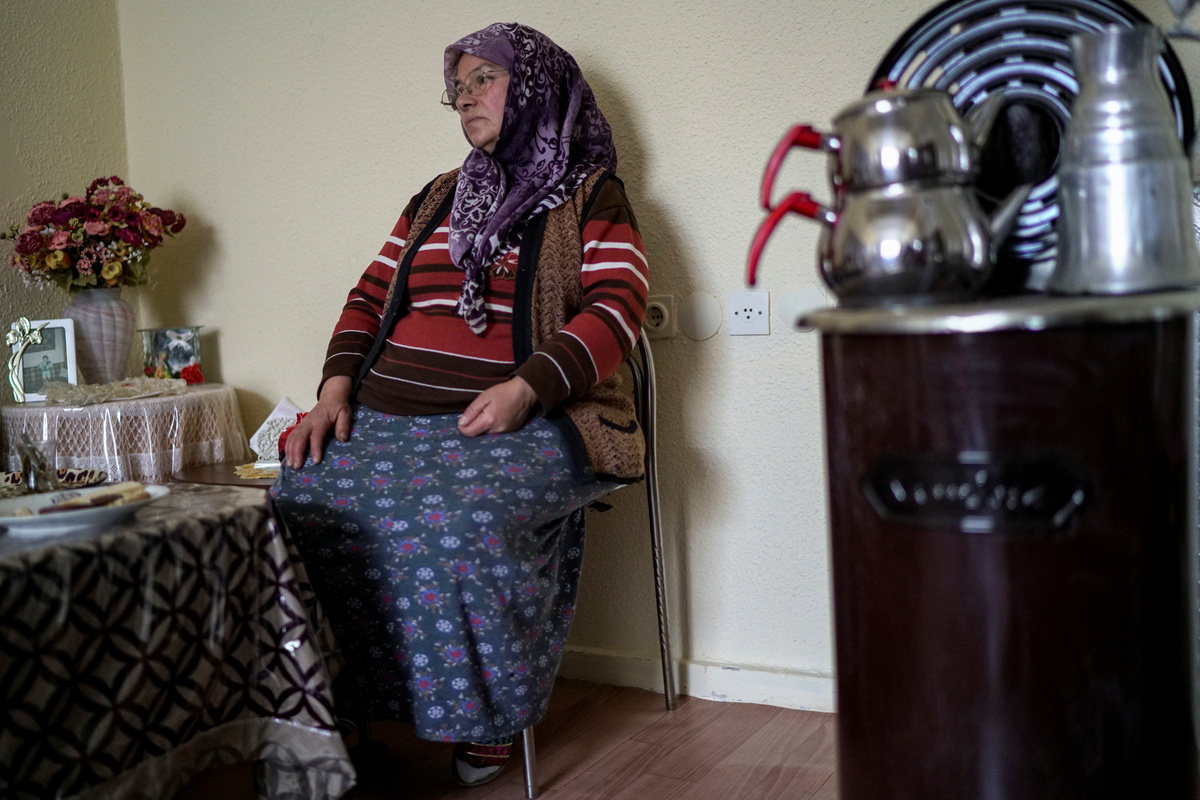
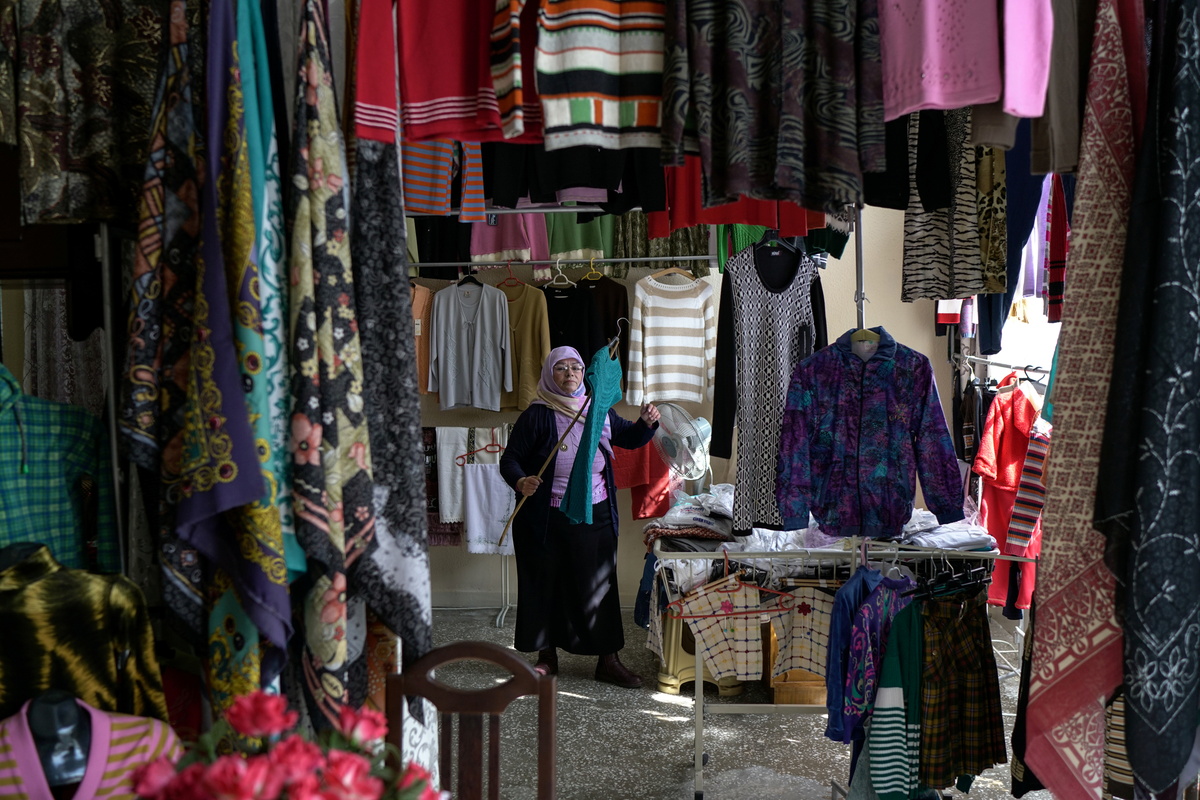
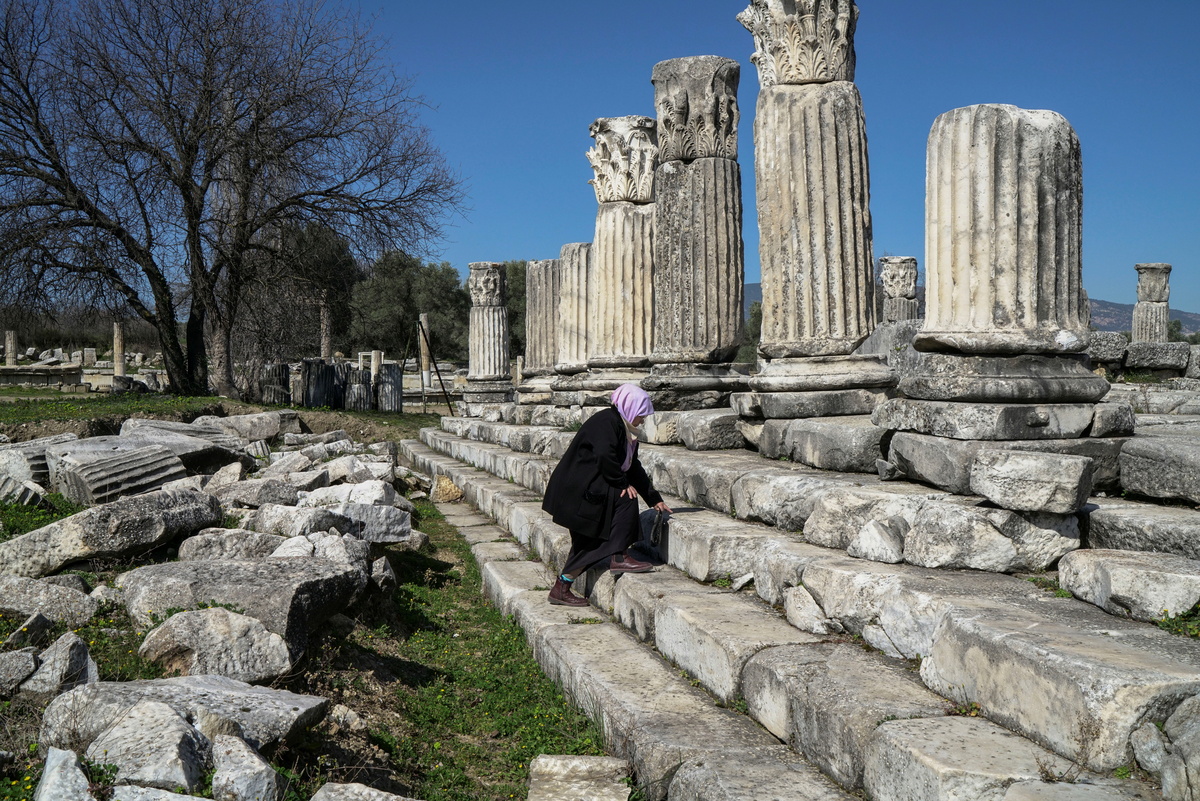
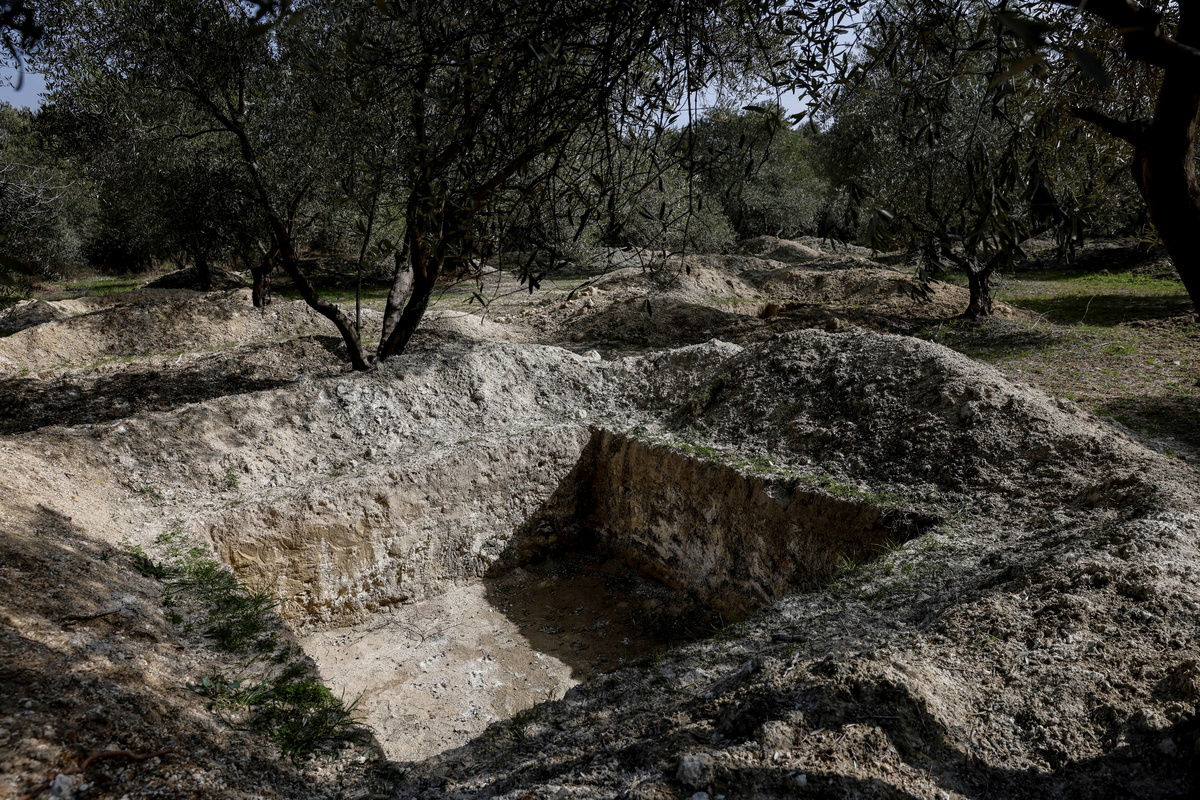
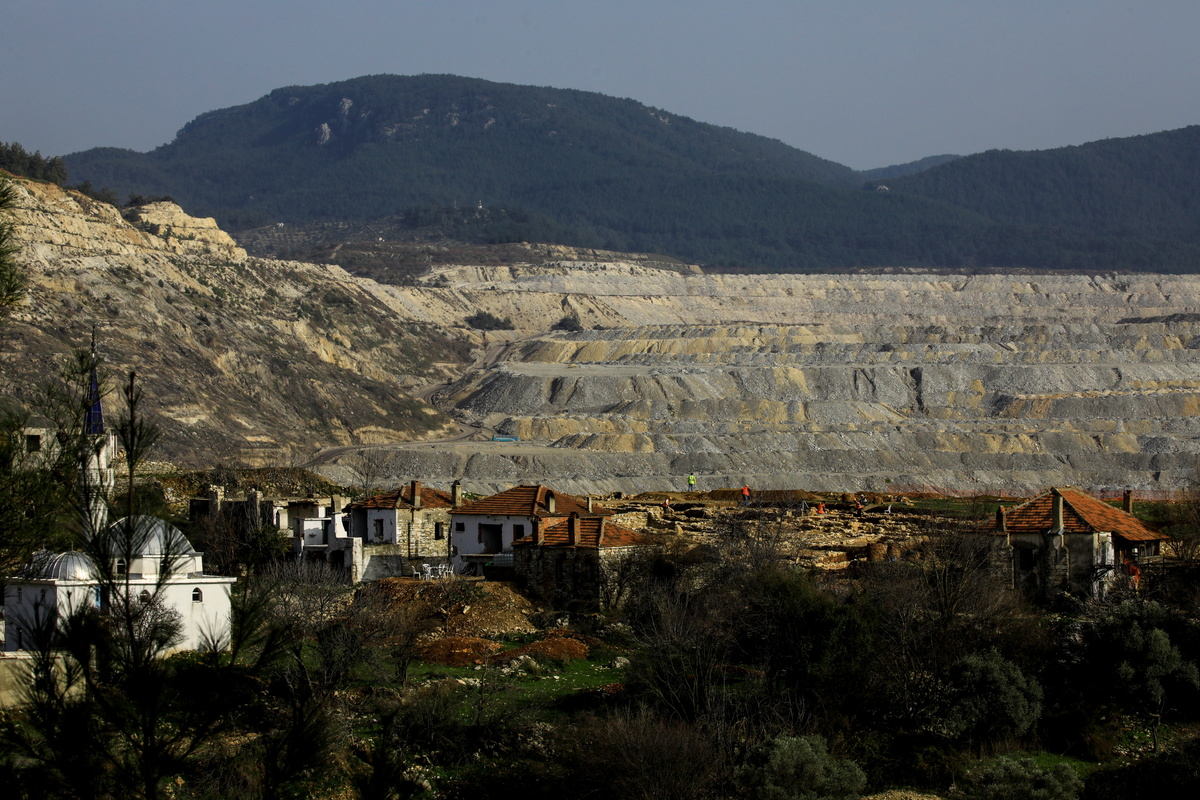
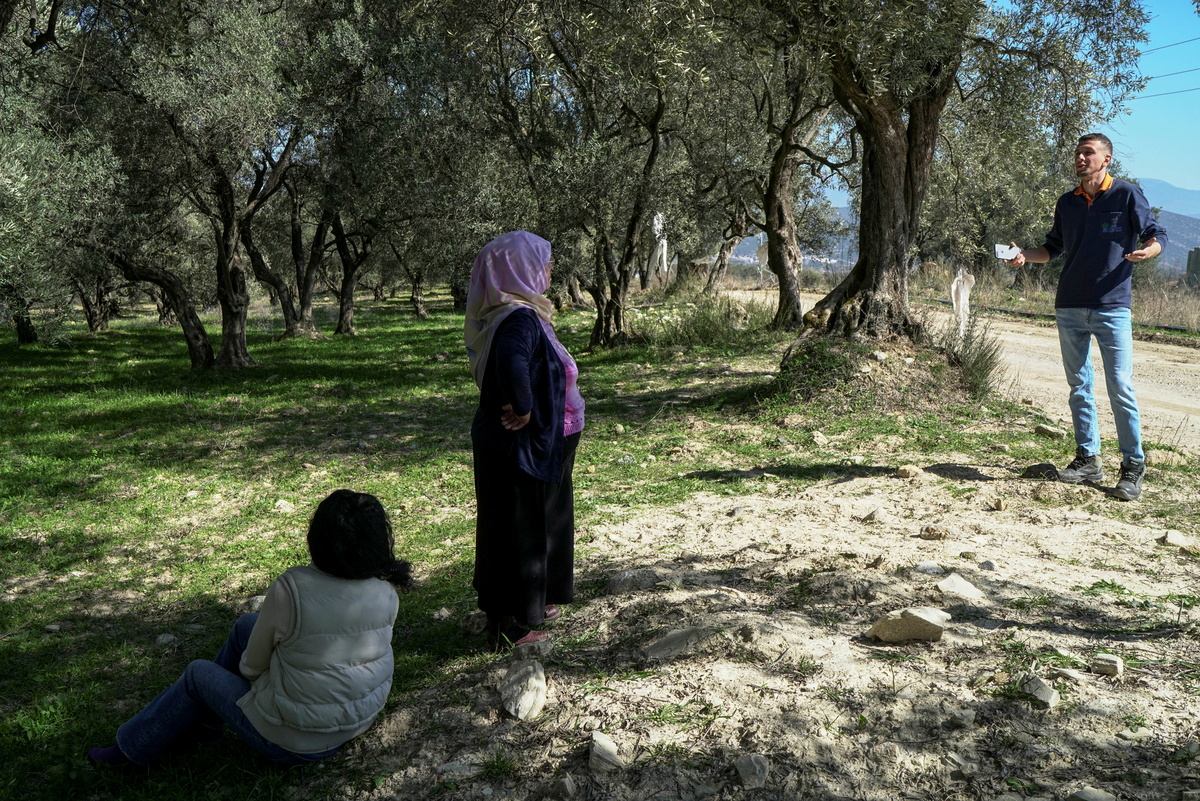
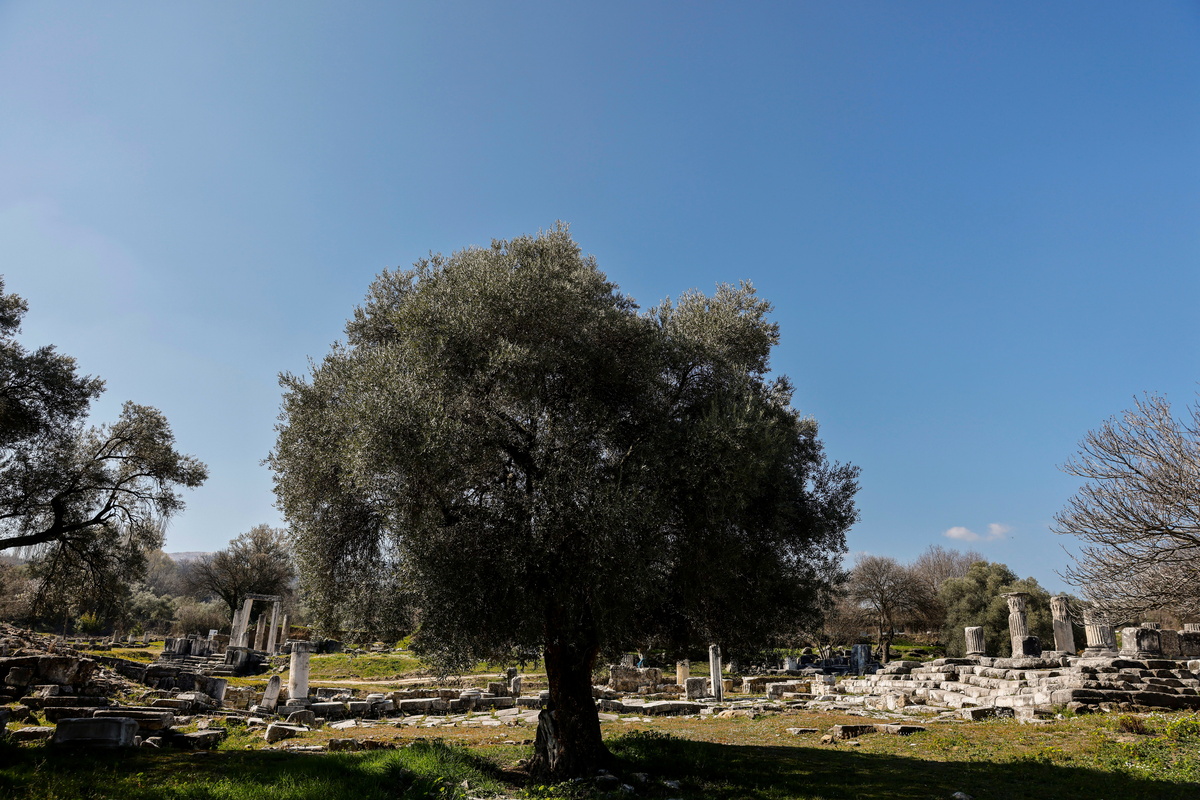
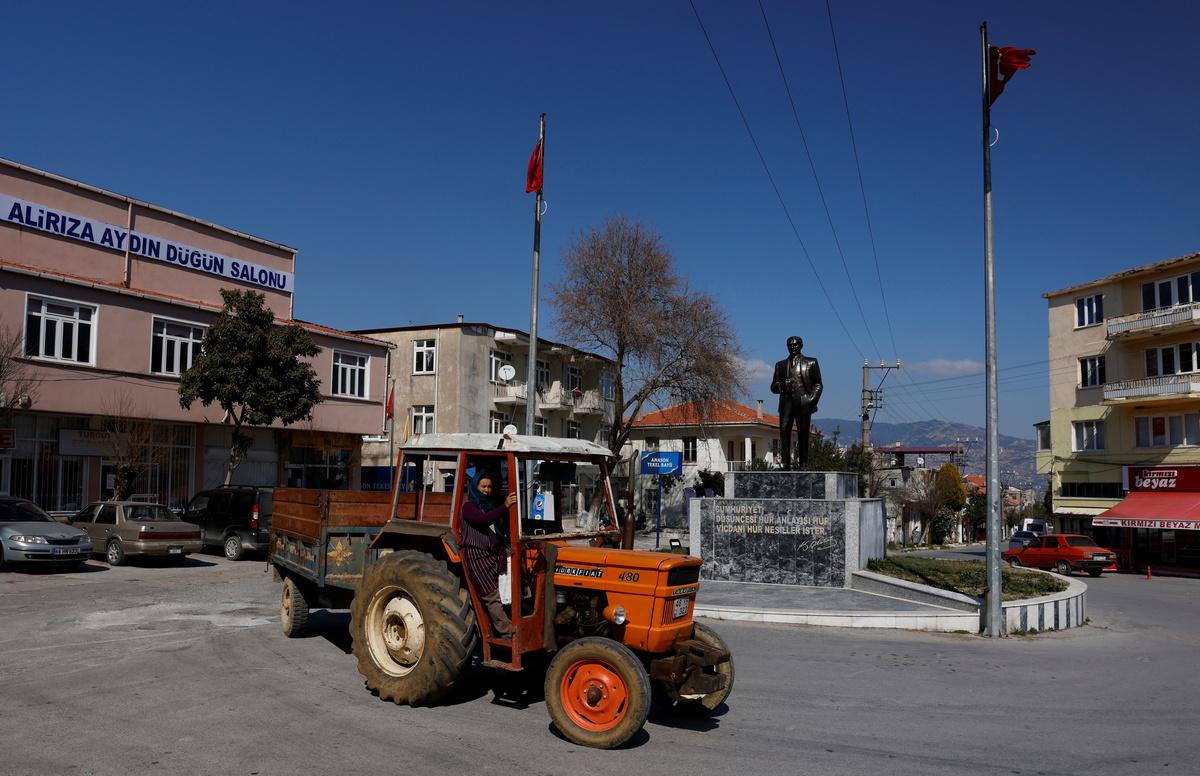
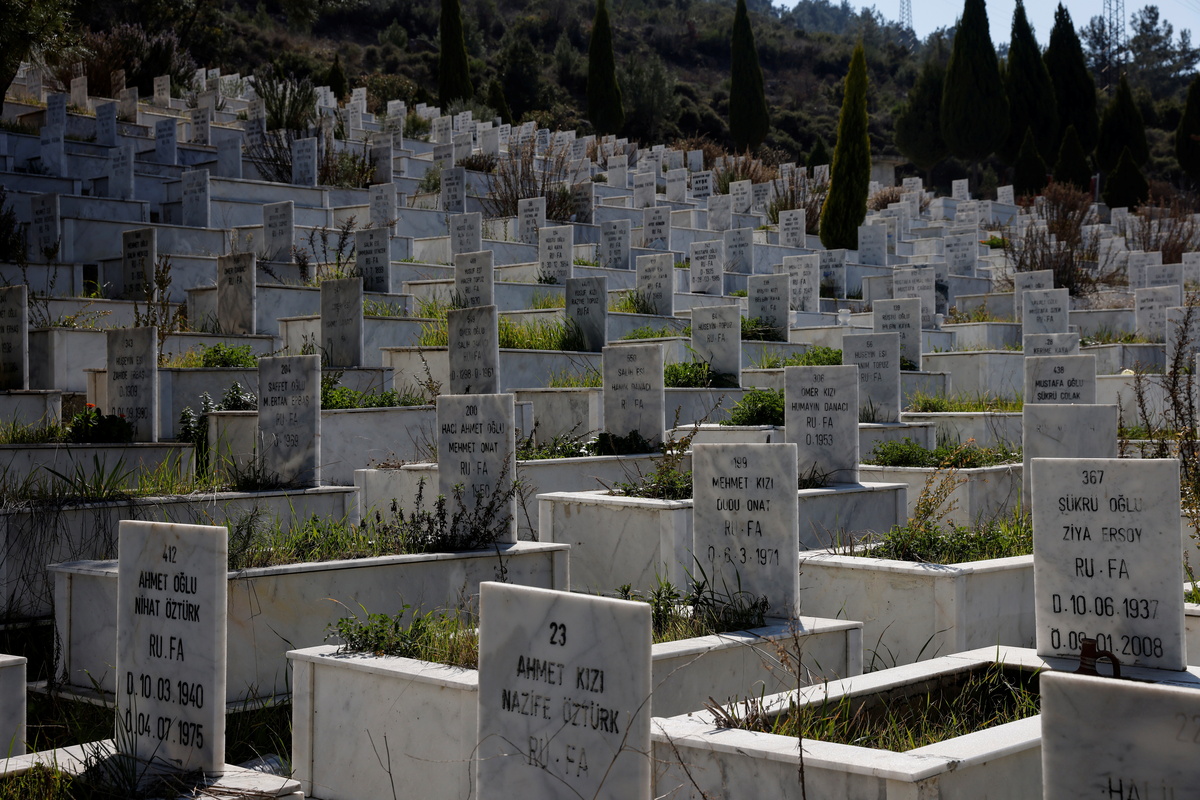
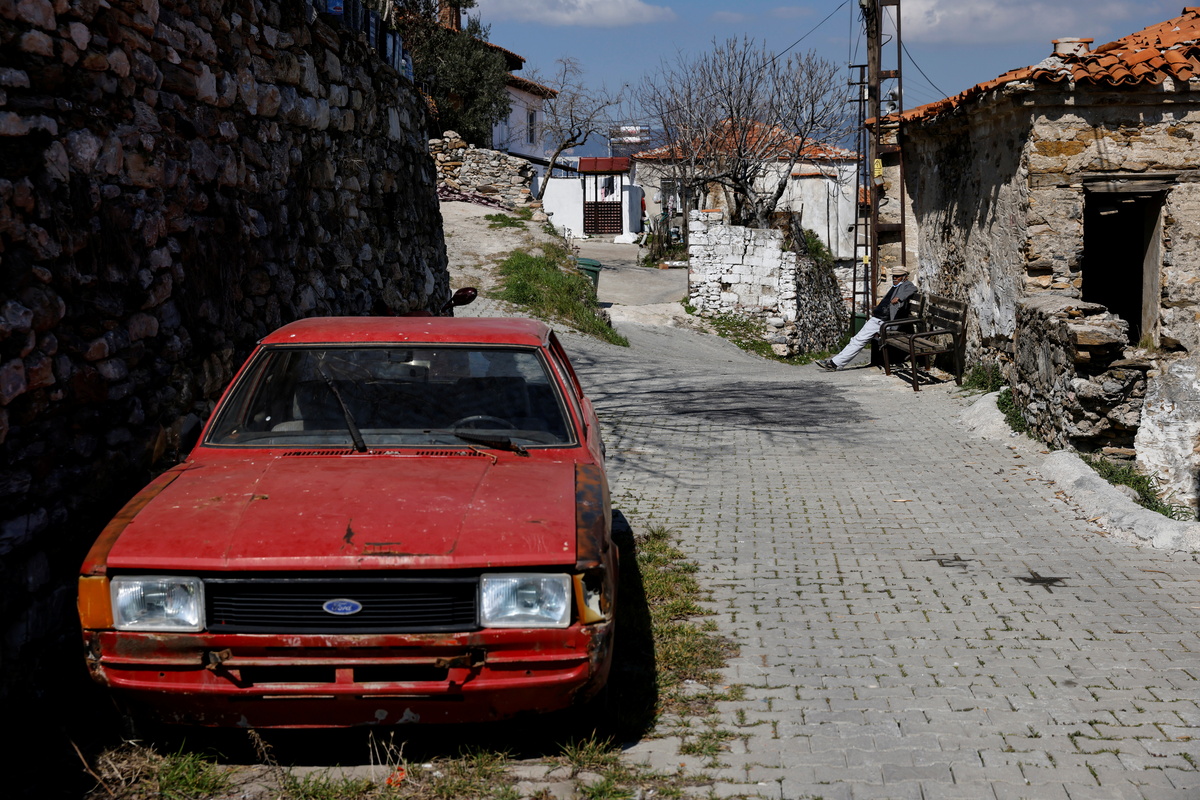
Tayyibe Demirel, 64, who is refusing to sell her olive grove to coal mining companies, talks to children in Turgut village near southwestern town of Yatagan in Mugla province, Turkey, February 24, 2021. REUTERS/Umit Bektas A woman burns trimmed branches of olive trees in her grove in Turgut village, near southwestern town of Yatagan in Mugla province, Turkey, March 2, 2021. REUTERS/Umit Bektas Tayyibe Demirel, 64, who is refusing to sell her olive grove to coal mining companies, is seen in her olive grove in Turgut village near southwestern town of Yatagan in Mugla province, Turkey, March 2, 2021. REUTERS/Umit Bektas Tayyibe Demirel, 64, who is refusing to sell her olive grove to coal mining companies, feeds her animals in Turgut village near southwestern town of Yatagan in Mugla province, Turkey, February 24, 2021. REUTERS/Umit Bektas Tayyibe Demirel, 64, who is refusing to sell her olive grove to coal mining companies, washes the dishes in the kitchen of her home in Turgut village near southwestern town of Yatagan in Mugla province, Turkey, March 2, 2021. REUTERS/Umit Bektas Tayyibe Demirel, 64, who is refusing to sell her olive grove to coal mining companies, rests next to a stove in her clothes shop in Turgut village near southwestern town of Yatagan in Mugla province, Turkey March 2, 2021. REUTERS/Umit Bektas Tayyibe Demirel, 64, who is refusing to sell her olive grove to coal mining companies, works in her clothes shop in Turgut village near southwestern town of Yatagan in Mugla province, Turkey, February 24, 2021. REUTERS/Umit Bektas Tayyibe Demirel, 64, who is refusing to sell her olive grove to coal mining companies, walks up the stairs of the temple of Hecate in the ancient town of Lagina, near Turgut village near southwestern town of Yatagan in Mugla province, Turkey, February 24, 2021. REUTERS/Umit Bektas Holes dug by archaeologists are seen in an olive grove next to the one belonging to Tayyibe Demirel, 64, who is refusing to sell her olive grove to coal mining companies, in Turgut village near southwestern town of Yatagan in Mugla province, Turkey, February 25, 2021. REUTERS/Umit Bektas Archaeologists work on a site in the middle of abandoned houses and a mosque of Isikdere neighbourhood of Ikizkoy village as an open-pit coal mine is seen in the background, near southwestern town of Milas in Mugla province, Turkey, February 25, 2021. REUTERS/Umit Bektas A view shows an open-pit coal mine and olive groves of Turgut village near southwestern town of Yatagan in Mugla province, Turkey, February 25, 2021. REUTERS/Umit Bektas A view shows an open-pit coal mine and abandoned Yesilyurt village near southwestern town of Yatagan in Mugla province, Turkey, February 25, 2021. REUTERS/Umit Bektas Smoke rises from Yatagan thermal power plant near southwestern town of Yatagan in Mugla province, Turkey, February 24, 2021. REUTERS/Umit Bektas Tayyibe Demirel, 64, who is refusing to sell her olive grove to coal mining companies, chats with a mining company official in her olive grove in Turgut village near southwestern town of Yatagan in Mugla province, Turkey, February 24, 2021. REUTERS/Umit Bektas An olive tree stands near temple of Hecate in the ancient town of Lagina, near Turgut village at the southwestern town of Yatagan in Mugla province, Turkey, March 2, 2021. REUTERS/Umit Bektas A woman sits in a tractor in Turgut village near southwestern town of Yatagan in Mugla province, Turkey, March 2, 2021.REUTERS/Umit Bektas New tombstones of a cemetery which belongs to the abandoned Yesilbagcilar village is seen near southwestern town of Yatagan in Mugla province, Turkey, March 2, 2021. REUTERS/Umit Bektas A man enjoys a sunny day in Turgut village near southwestern town of Yatagan in Mugla province, Turkey, March 2, 2021. REUTERS/Umit Bektas A view shows abandoned houses and a mosque of Isikdere neighbourhood of Ikizkoy village near southwestern town of Milas, in Mugla province, Turkey, February 25, 2021. REUTERS/Umit Bektas A view shows a toxic lake which is an ash dam composed of the ash produced from burning coal in Yatagan thermal power plant and the wastewater discharged from the power plant near south-western town of Yatagan in Mugla province, Turkey, February 24, 2021. REUTERS/Umit Bektas
Sign up to read this article
Read news from 100’s of titles, curated specifically for you.