ISTANBUL ��Turkey's Foreign Ministry issued a travel warning for the United States, citing dangers linked to protests and possible assaults by racists since the election of Donald Trump.
Turkey has more often been on the receiving end of such communiques over the past two years, with foreign tourists among the targets of terrorist attacks in major Turkish cities. Turkey has objected to the U.S. and other allies issuing pronouncements about risks to their citizens on Turkish soil. Foreign Minister Mevlut Cavusoglu said this month that Istanbul and Ankara are just as safe as any U.S. state.
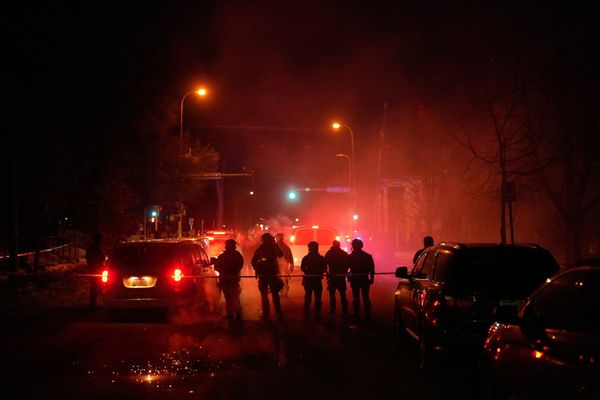
The on the Foreign Ministry's website advises Turks living in or considering travel to the U.S. to take precautions by avoiding areas around the protests, which it noted were taking place in "different cities across the country" including New York, Chicago, Philadelphia, Miami, Portland, Los Angeles, Seattle and Oakland. It tells them to increase security measures and to "remain calm and apply to local police in the face of any possible xenophobic or racist attacks."
The statement, which echoes some of the stern language the U.S. used to describe what's happened during previous demonstrations against President Recep Tayyip Erdogan in Turkey, describes the demonstrations against Trump in Portland, Ore., where protests Friday turned violent, as an "uprising." On Oct. 29, the U.S. ordered family members of its consular staff in Istanbul to leave, and the most recent statement from the U.S. Embassy in Ankara said it had intelligence that "extremist groups are continuing aggressive efforts to attack U.S. citizens in areas of Istanbul where they reside or frequent."
Fear of such attacks has contributed to a record stretch of declines in tourist arrivals to Turkey, hurting one of the Turkish economy's most important industries and reducing revenue from abroad that it relies on to plug its current-account deficit. In September, the most recent month for which there's tourism ministry data, the number of American visitors dropped 60 percent from September 2015.