Turkey's 'Eastern Express' puts romance back on tracks
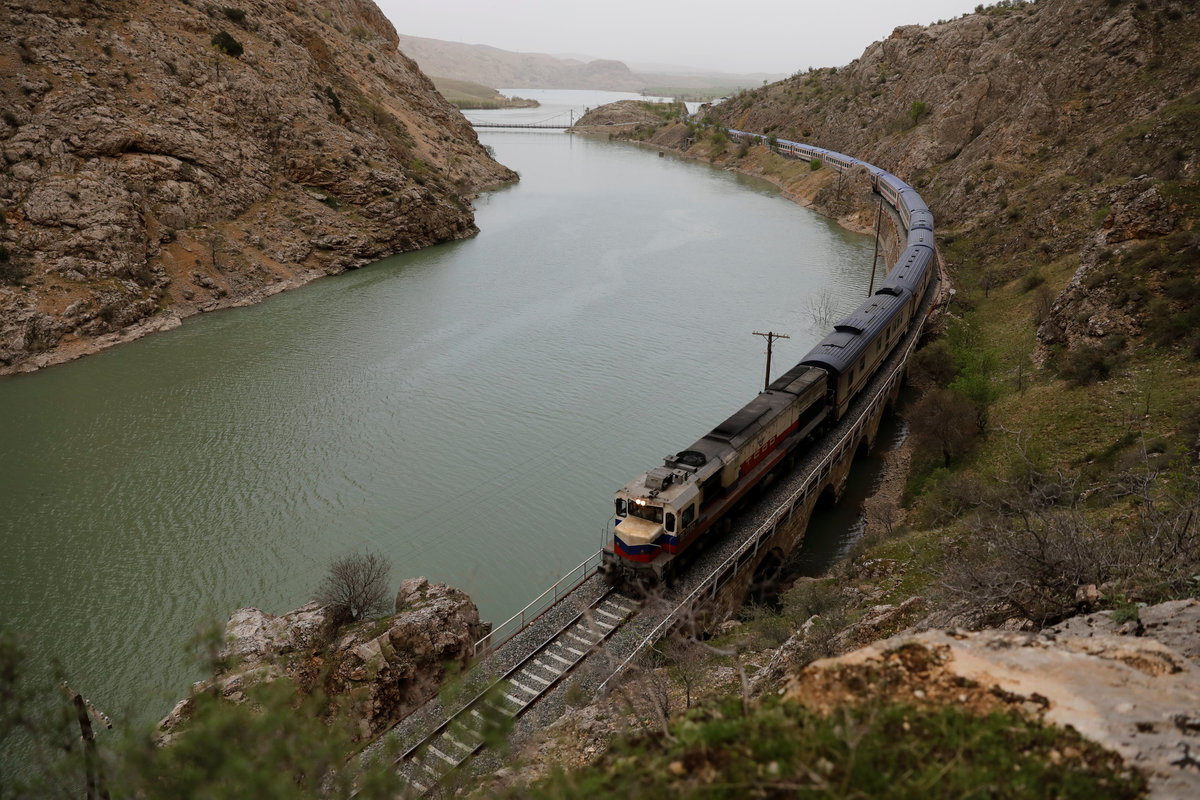
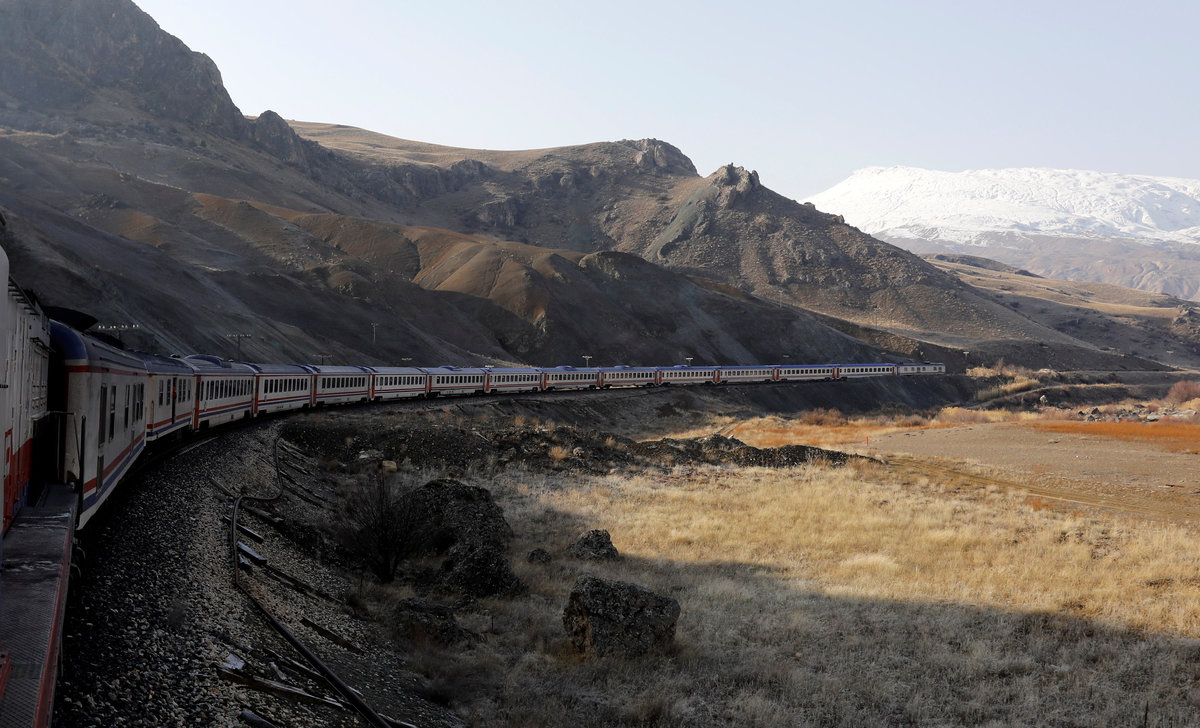
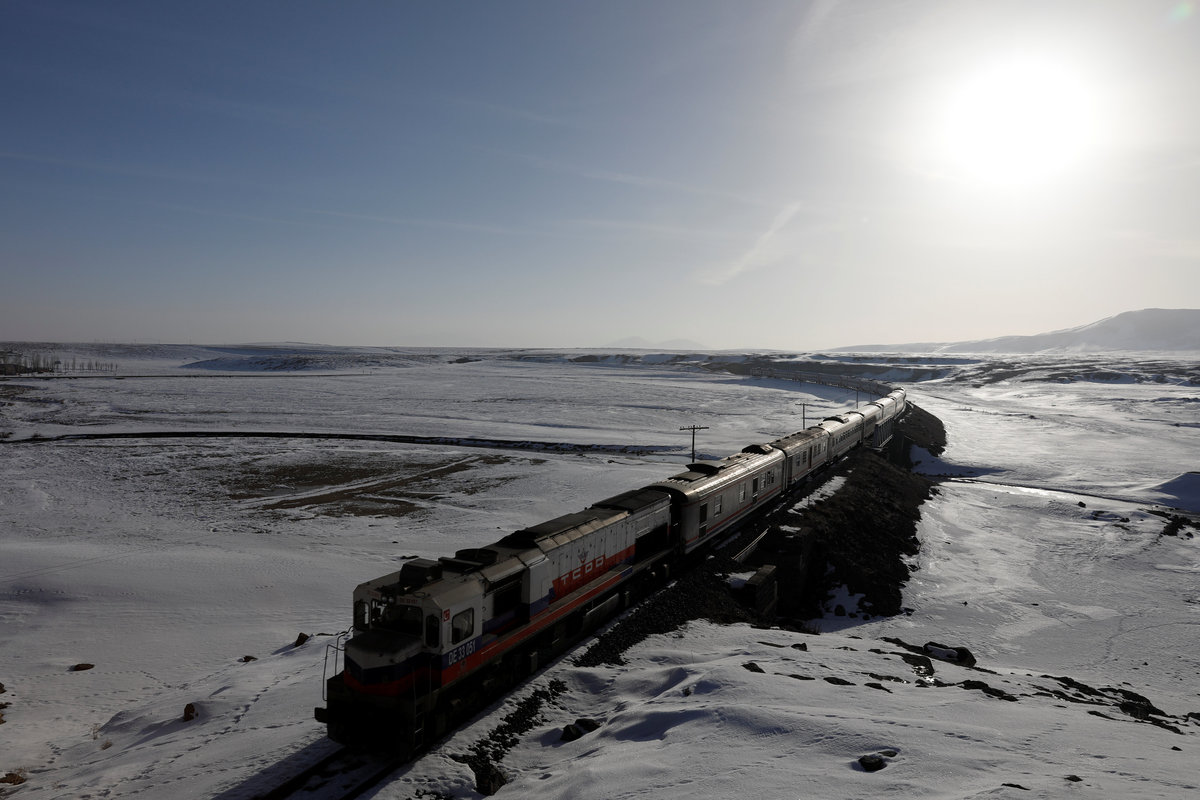
The Eastern Express travels through Erzincan province en route from Kars to Ankara in eastern Turkey, March 28, 2018. REUTERS/Umit Bektas
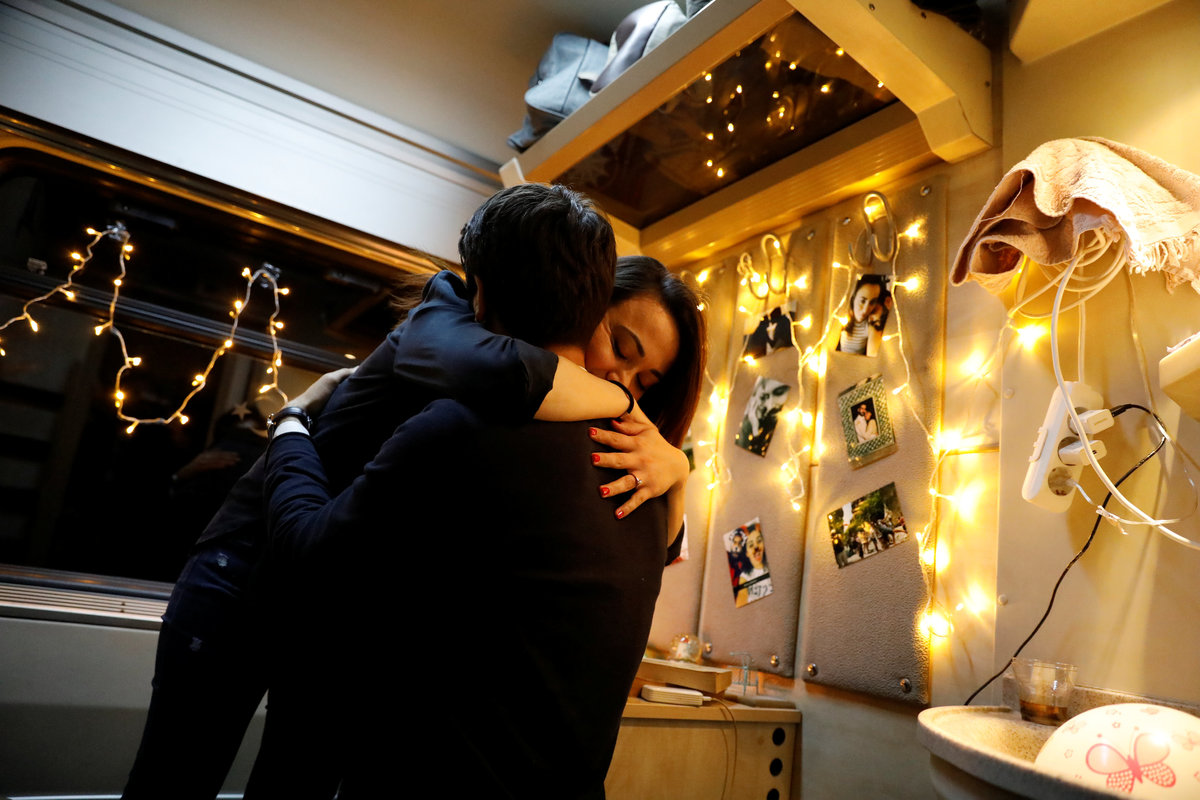
KARS, Turkey (Reuters) - Emre proposed to his girlfriend Mine Nur in a candlelit wagon on the "Eastern Express", a thousand kilometer train ride across eastern Turkey which he says formed the perfect start to their voyage through life.
"We love traveling, so this suits us perfectly. This is a short demo of a life-long journey together," said Emre, who popped the question this month after a two-year relationship.
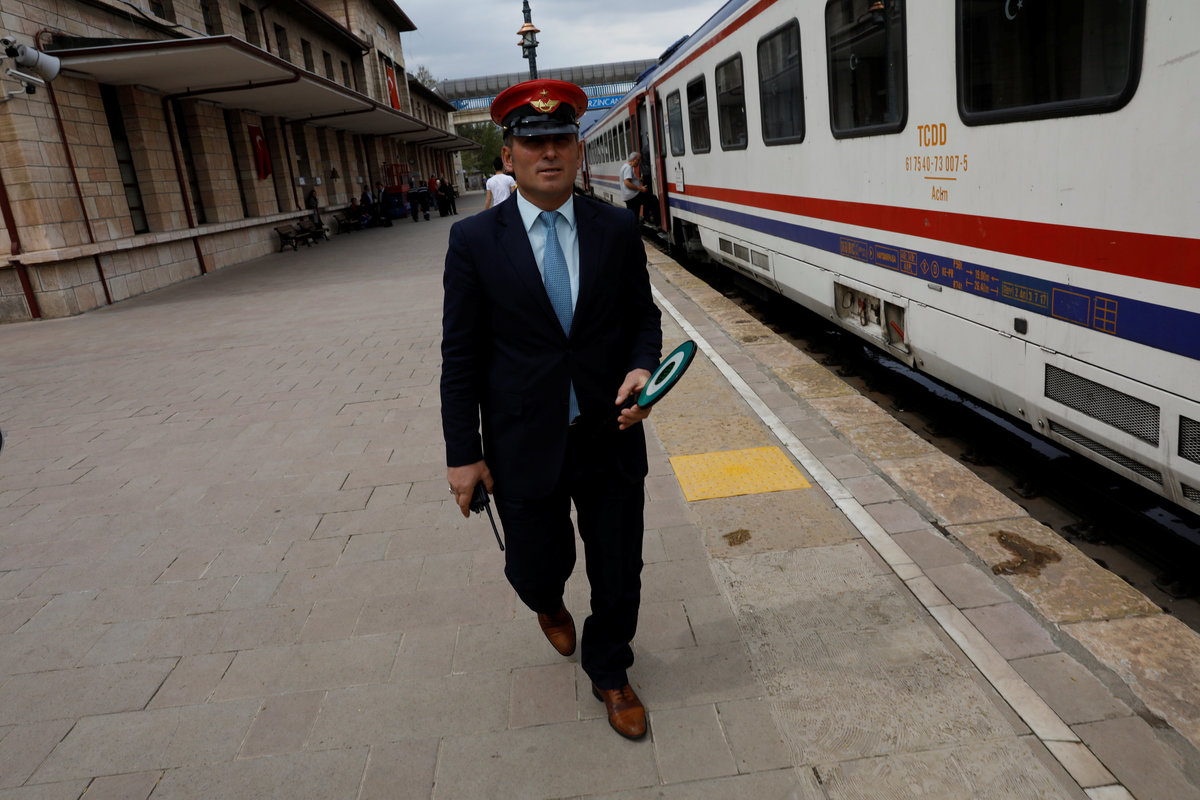
A railway official makes his last checks before the Eastern Express departs after a short stop at the eastern Anatolian city of Erzincan, Turkey, April 10, 2018. REUTERS/Umit Bektas
Mine Nur said yes.
Until a few years ago taking the 24-hour train ride for a 1,365 km (850 mile) trip - instead of a plane journey of little over an hour - would have been considered madness, despite the ridiculously cheap price of 45 lira ($11).
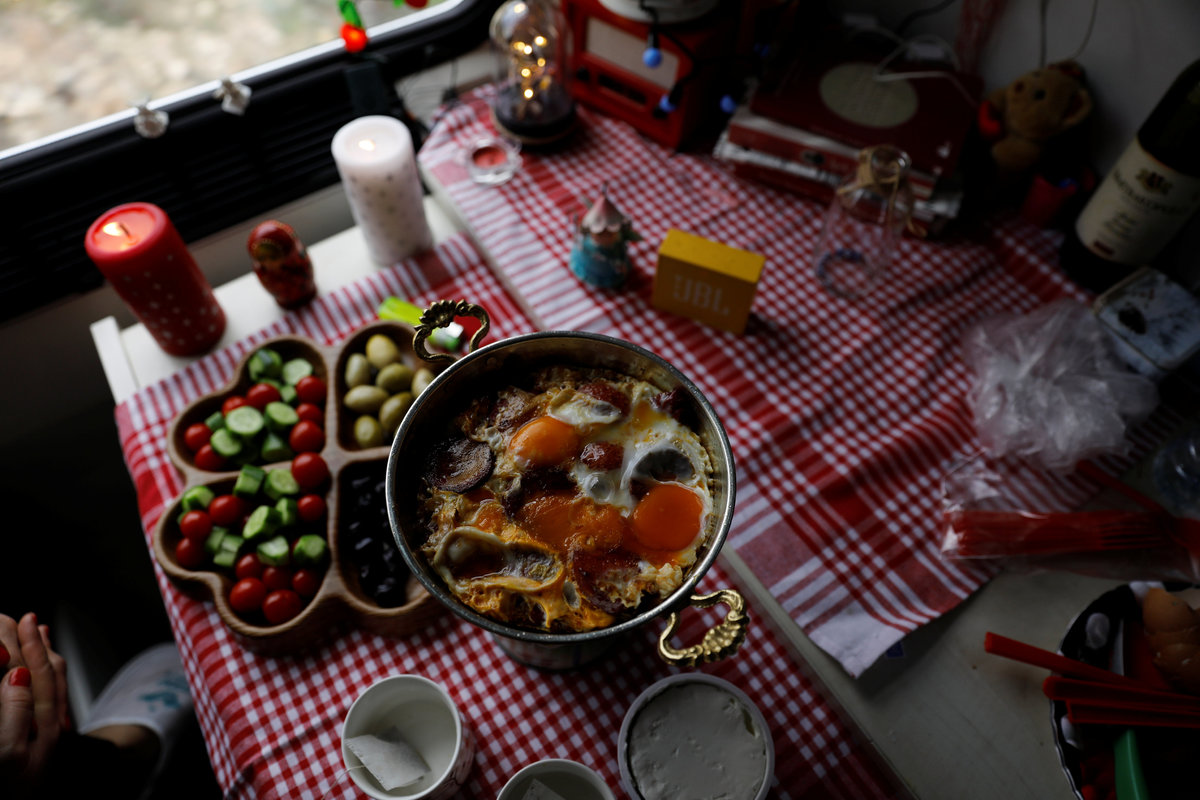
Breakfast prepared by Vasfiye Filiz, 43, and Nurcan Guner, 40, is placed on a table on board the Eastern Express travelling through Erzincan province en route from Ankara to Kars, eastern Turkey, April 10, 2018. REUTERS/Umit Bektas
(Click https://reut.rs/2I1fsYw for a picture package of the Eastern Express train journey)
Things changed when a group of young Turkish tourists decided to do away with speed and booked sleeping car reservations on the train. Naturally, they shared the experience on social media.
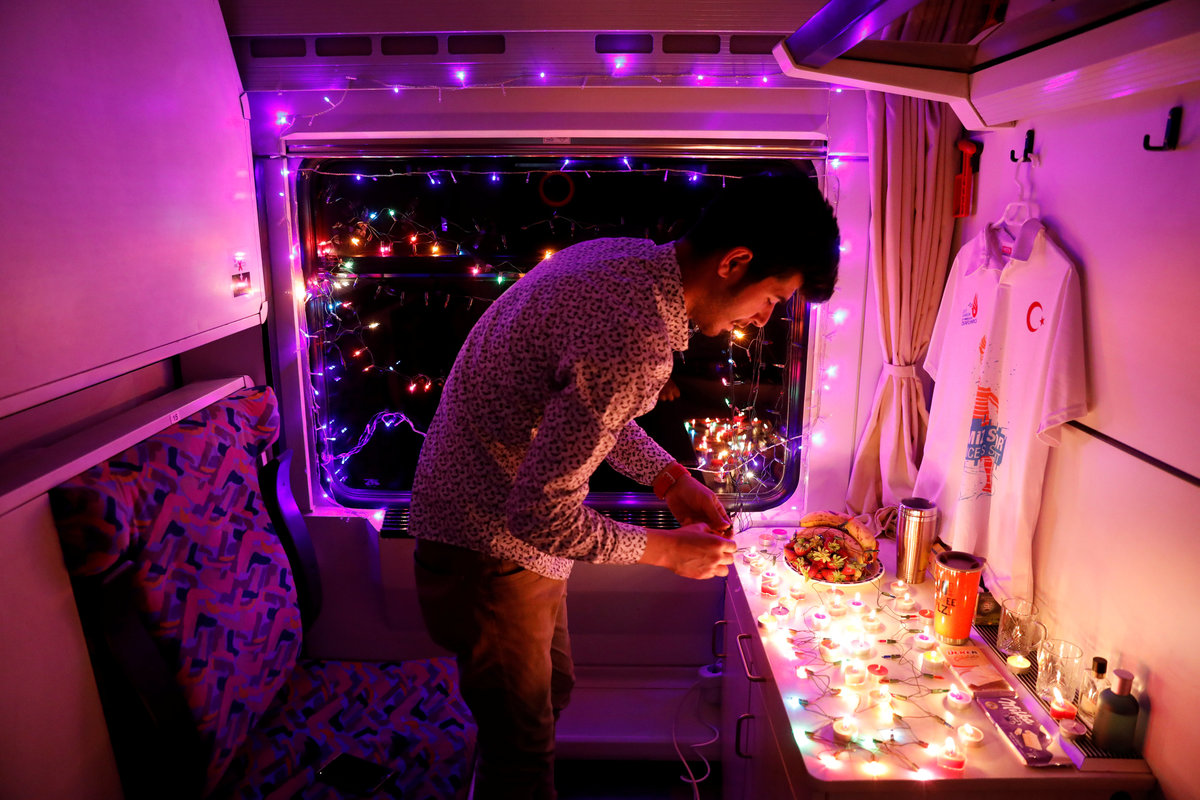
University student Sinan Usta, 24, decorates his compartment with candles and lights as the Eastern Express travels through Kayseri province en route from Ankara to Kars, Turkey, April 9, 2018. Sinan decorated the wagon with candles and rainbow coloured flashing lights for his girlfriend. "We had this journey planned months ago. But my girlfriend's family didn't allow her," he said. "I don't like leaving things unfinished, so I took the train anyway." REUTERS/Umit Bektas
From that point onwards, the train became a venue for fun, adventure, socializing and new experiences.
"Of course this trend has caught our attention on Instagram, some posts encouraged us to hit the road," said Nurcan Guner, who has taken the train with a good friend, wearing matching pyjamas and socks, picked specially for the train ride.
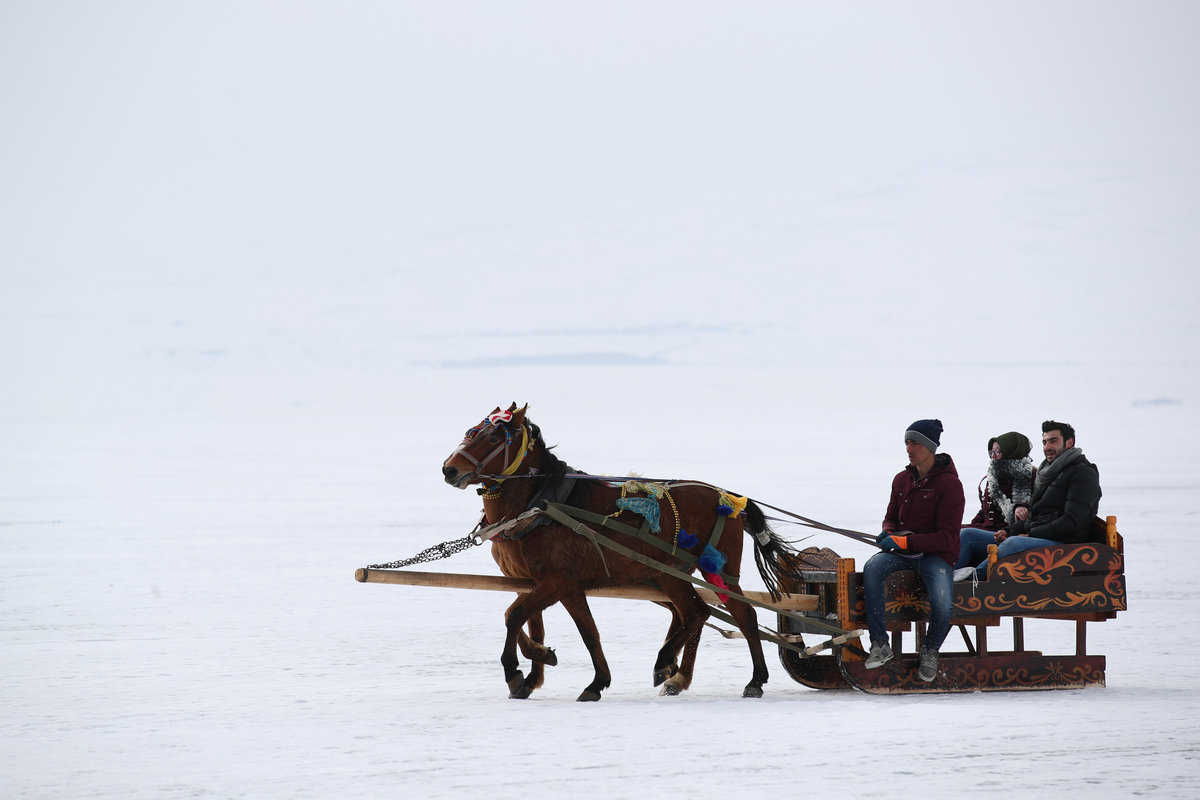
A man rides a horse-drawn carriage on the frozen lake Cildir, in Kars province, Turkey, February 9, 2018. REUTERS/Umit Bektas
SOARING DEMAND
Nowadays tickets for the train run out a day after they go on sale, even though the number of cars has more than doubled from five to 11. What hasn't changed is the leisurely pace of the train through Turkey's remote eastern hinterland.
The Eastern Express sets off from the capital Ankara every day for Kars, near the Armenian border. It travels through Anatolian provinces such as Kayseri, Sivas, Erzincan and Erzurum and reaches its destination some 24 hours and 30 minutes later.
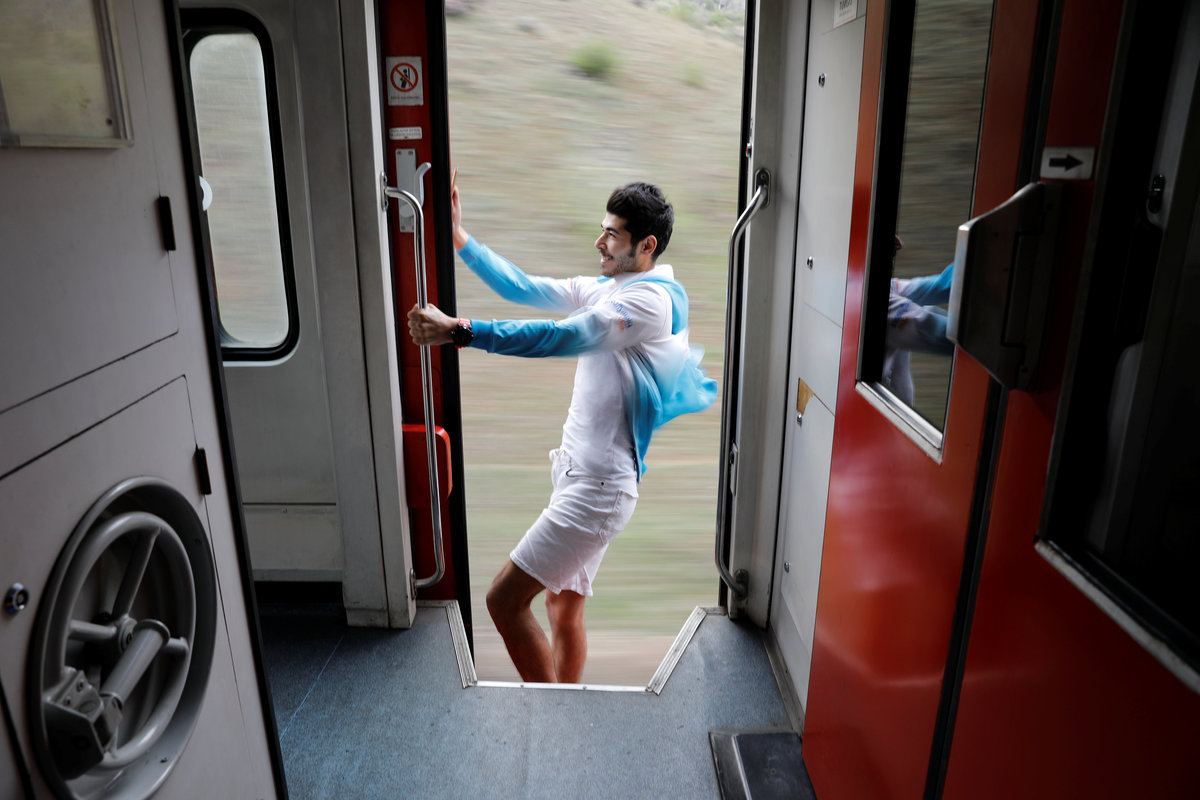
Sinan Usta, 24, poses for a selfie as he stands on the steps of an open door on the Eastern Express as it travels through Erzincan province en route from Ankara to Kars, Turkey, April 10, 2018. Sinan decorated the wagon with candles and rainbow coloured flashing lights for his girlfriend. "We had this journey planned months ago. But my girlfriend's family didn't allow her," he said. "I don't like leaving things unfinished, so I took the train anyway." REUTERS/Umit Bektas
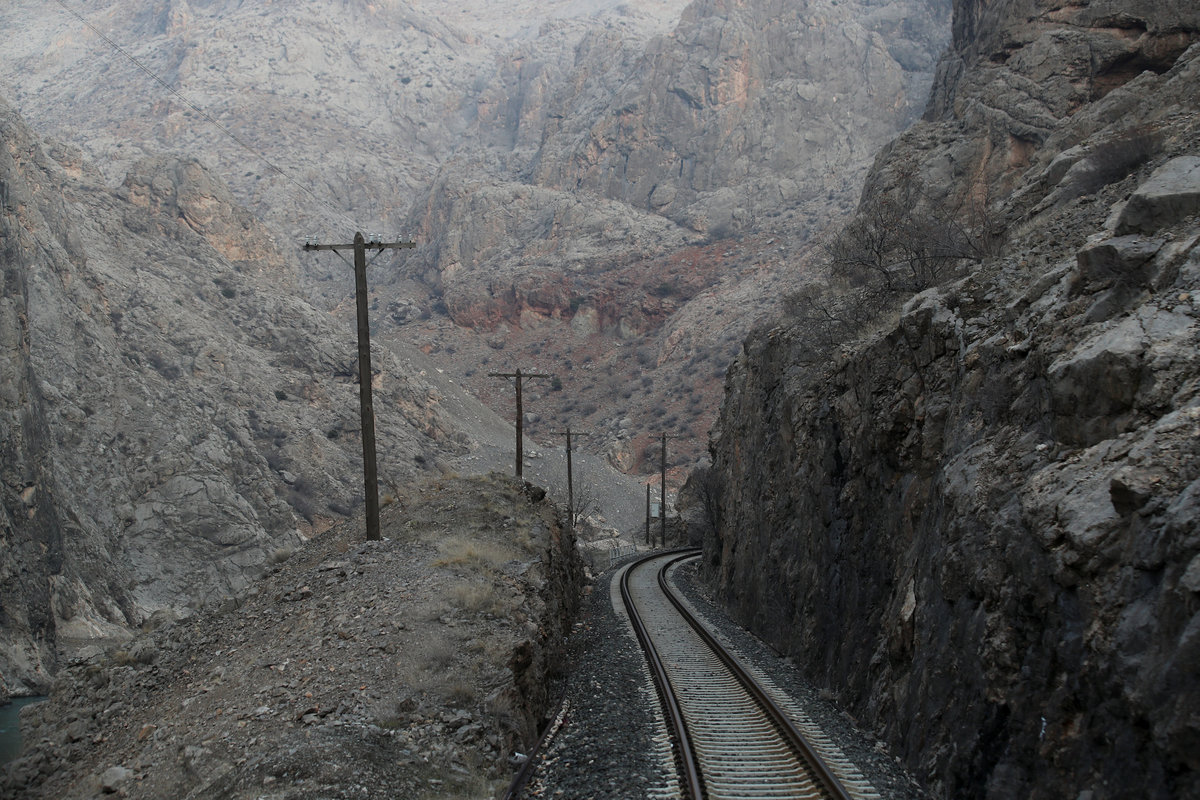
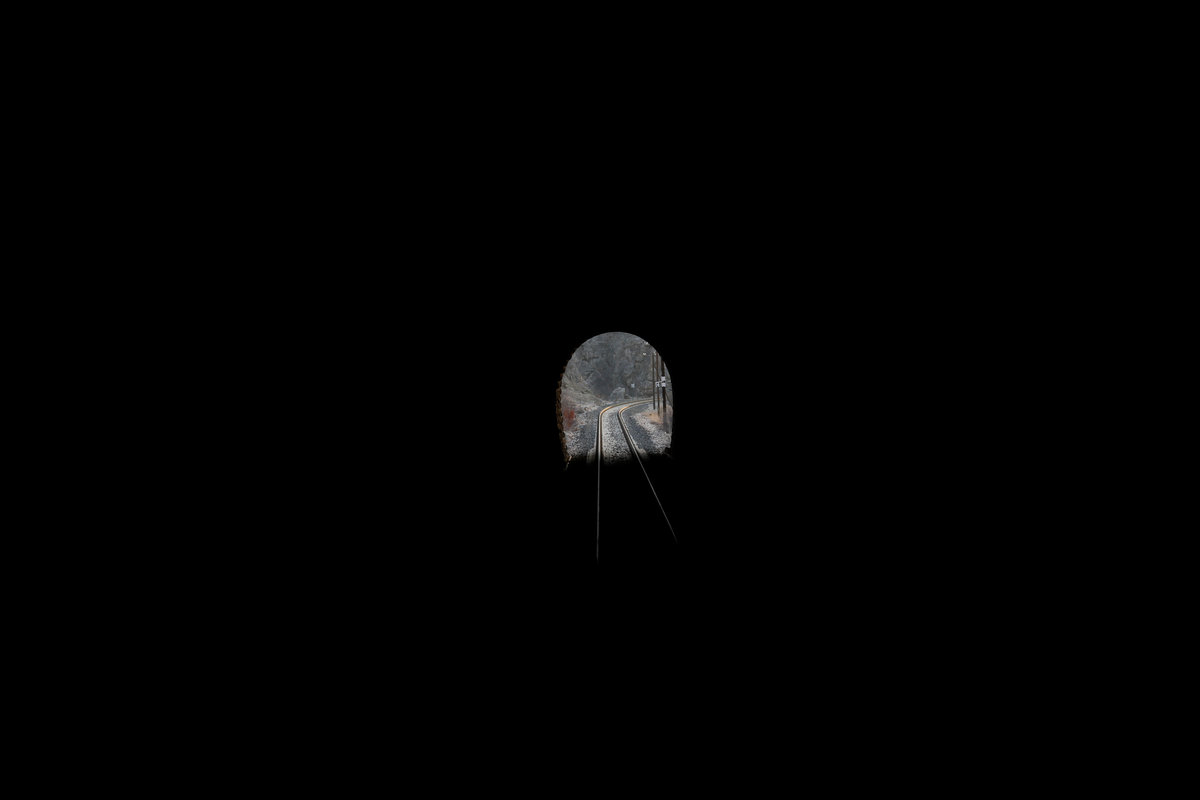
On the way it passes through farmland, hills and woods, crossing rivers swollen by snow melting in the spring sunshine and passing through long dark tunnels carved through mountains.
In 2017 alone, some 300,000 people made the trip, a 40 percent increase from the previous year.
The Eastern Express features seated and sleeping coaches with toilets, a mini refrigerator and a table.
The Eastern Express travels through Erzincan province en route from Ankara to Kars, Turkey, February 7, 2018. REUTERS/Umit Bektas
Apart from some locals attracted by the cheap fares, who take the train for a short distance between stations, most passengers now are people from far corners of Turkey making the full trip between Ankara and Kars.
As the references on social media to the train journey proliferated, must-do rituals emerged for all travelers.
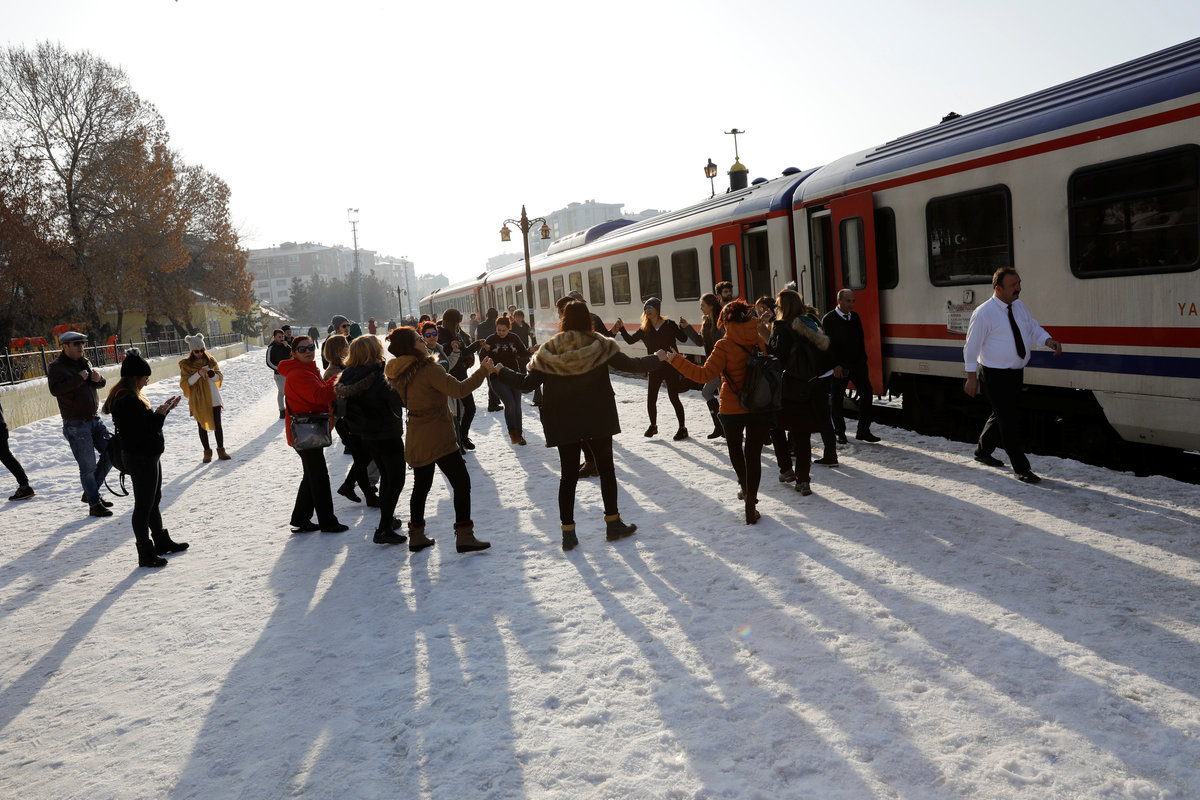
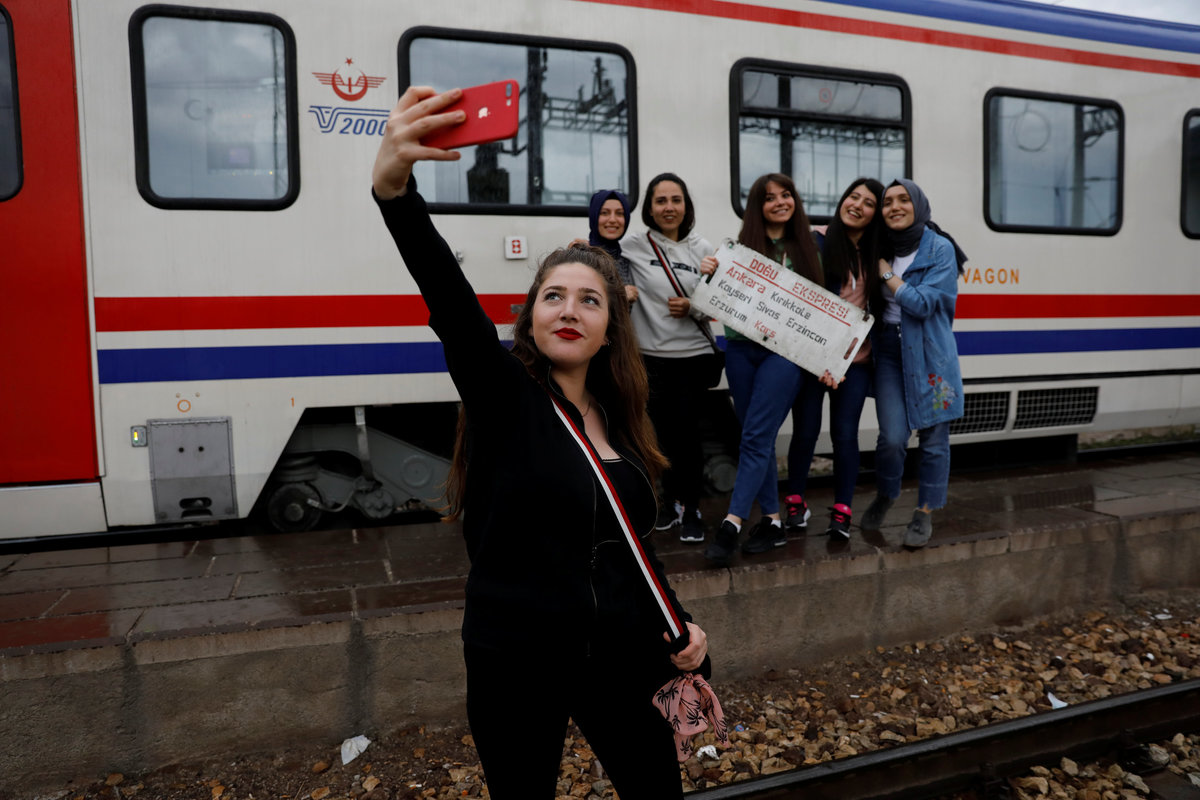
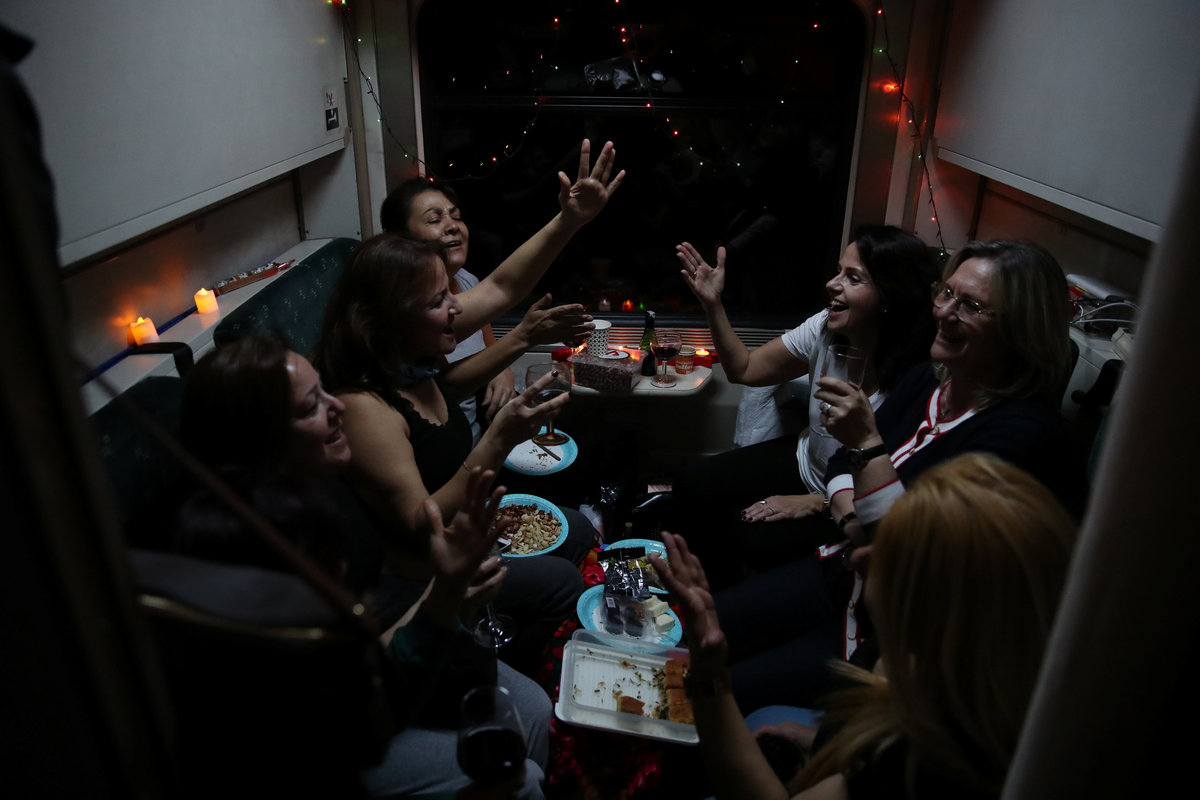
It's now customary to take snaps holding the signs in the carriages showing the route, decorating compartments with Christmas lights, candles and balloons, holding big parties in compartments designed for four only, taking group photos and alighting from the train at minor stops to dance on the platform.
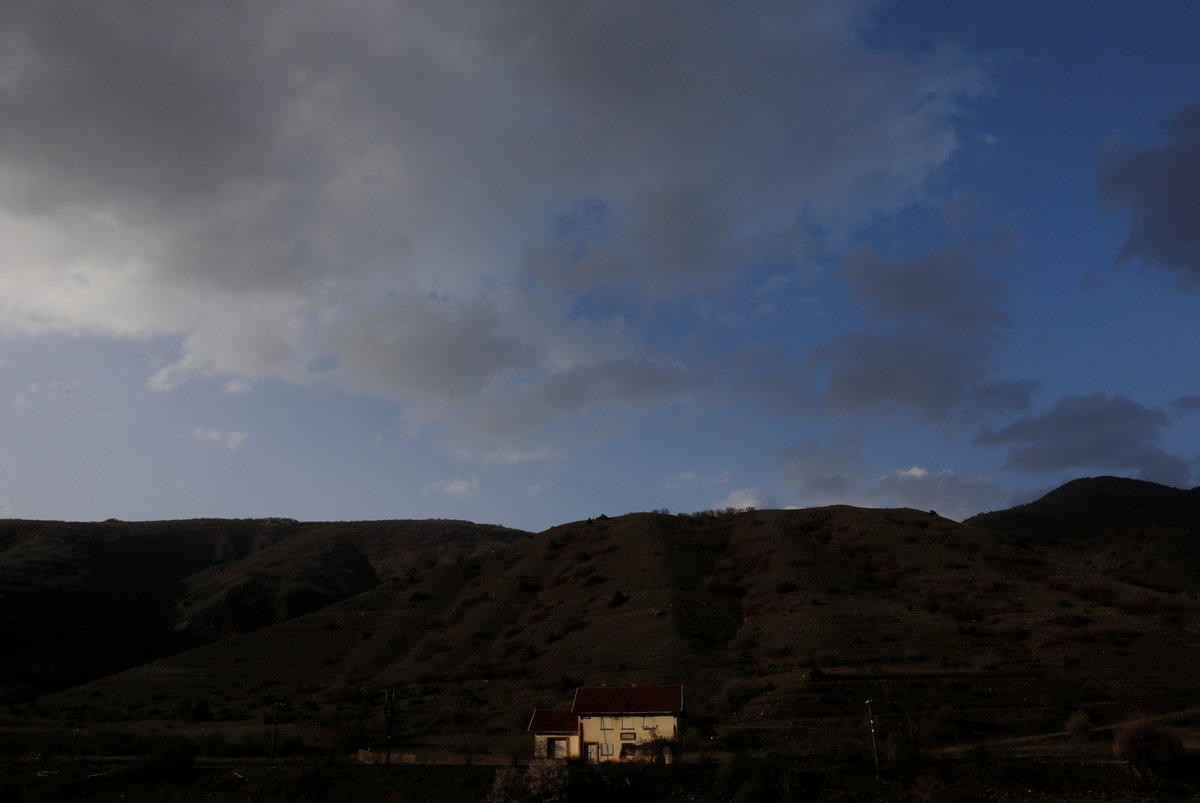
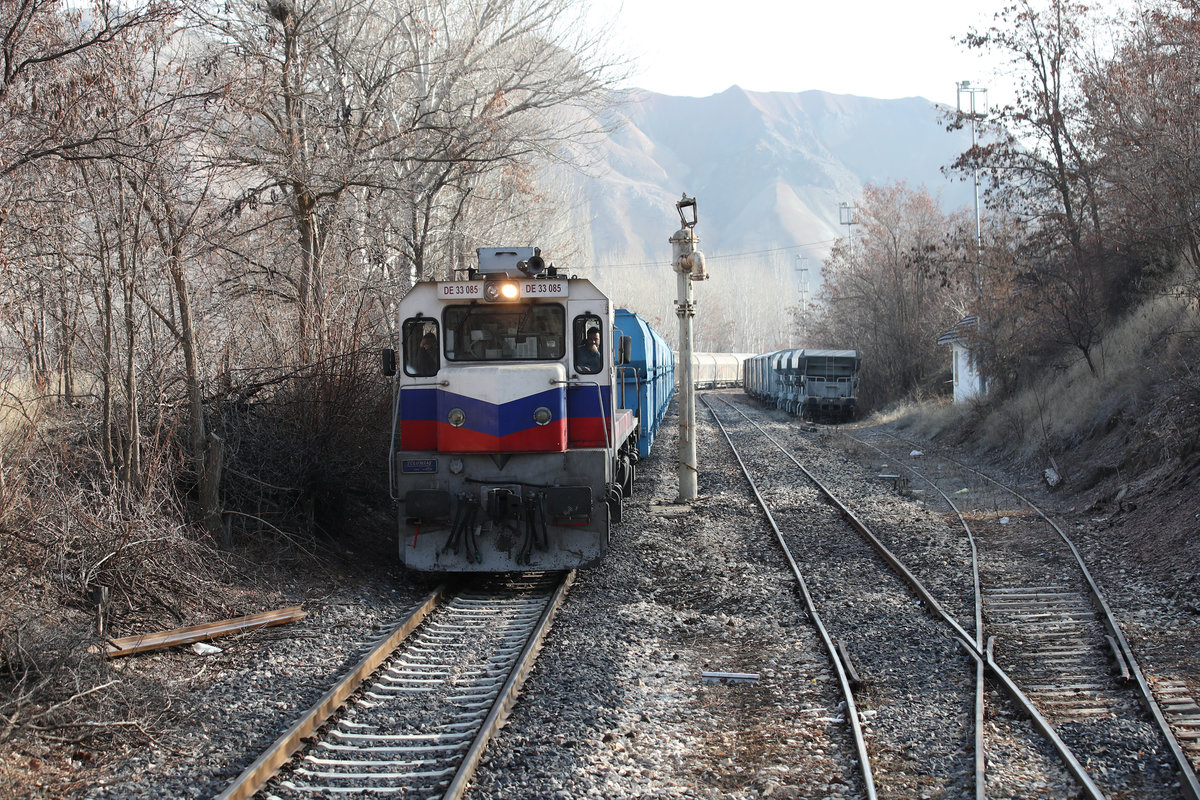
Gecit train station stands near the eastern Anatolian city of Erzincan, Turkey, March 29, 2018. REUTERS/Umit Bektas
Burcu Yilmaz, a 37-year-old medical technician, decided to take the trip after she saw the pictures shared on social media.
She had a hard time finding tickets but managed to get on the train with three of her friends.
"A most nostalgic experience" she says. "It's a great opportunity to meet new people, to hold parties in the compartments. You can't do any of this when traveling any other way."
The Eastern Express travels through Kars province en route from Kars to Ankara in eastern Turkey, February 8, 2018. REUTERS/Umit Bektas
Not everyone, however, is making their dream journey. University student Sinan, who decorated the wagon with candles and rainbow-colored flashing lights for his girlfriend, is sitting alone in his little room.
"We had this journey planned months ago. But my girlfriend's family didn't allow her," he said. "I don't like leaving things unfinished, so I took the train anyway."
A view from the Eastern Express travelling through Erzincan province en route from Ankara to Kars, Turkey, February 7, 2018. REUTERS/Umit Bektas
(Writing by Ece Toksabay; Editing by Dominic Evans and Gareth Jones)
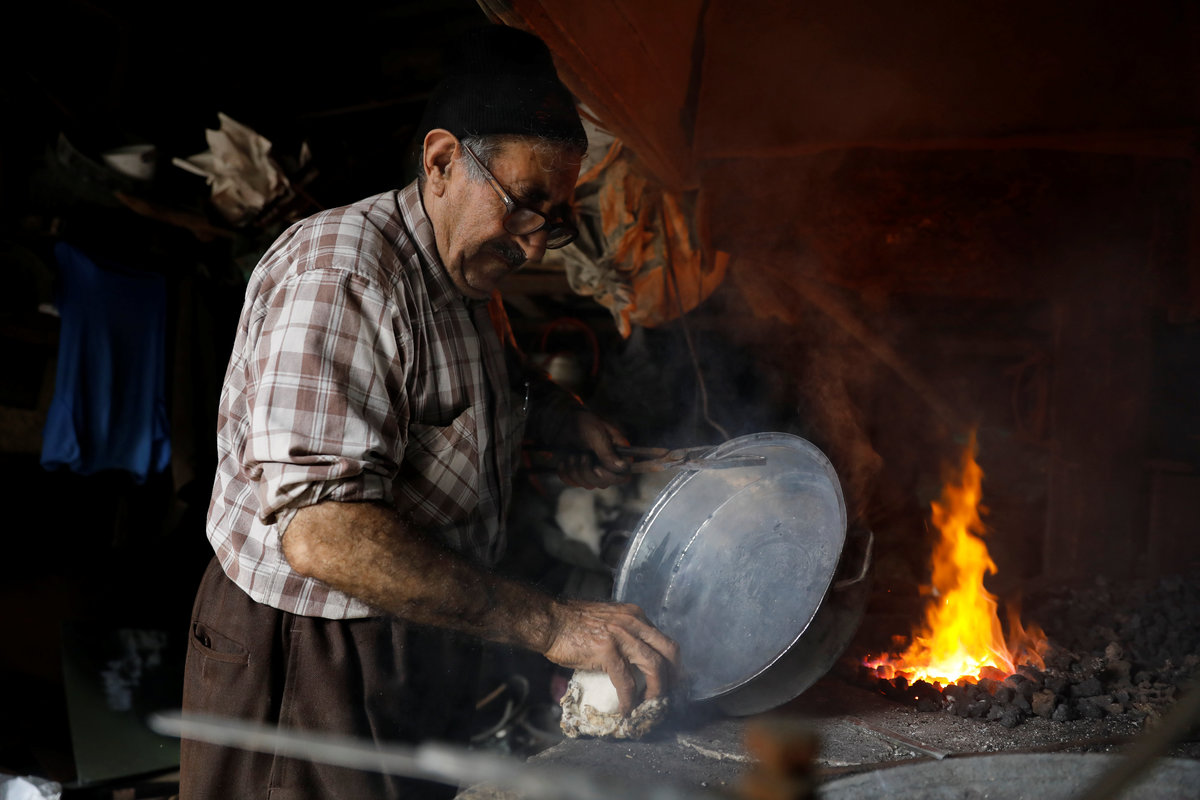
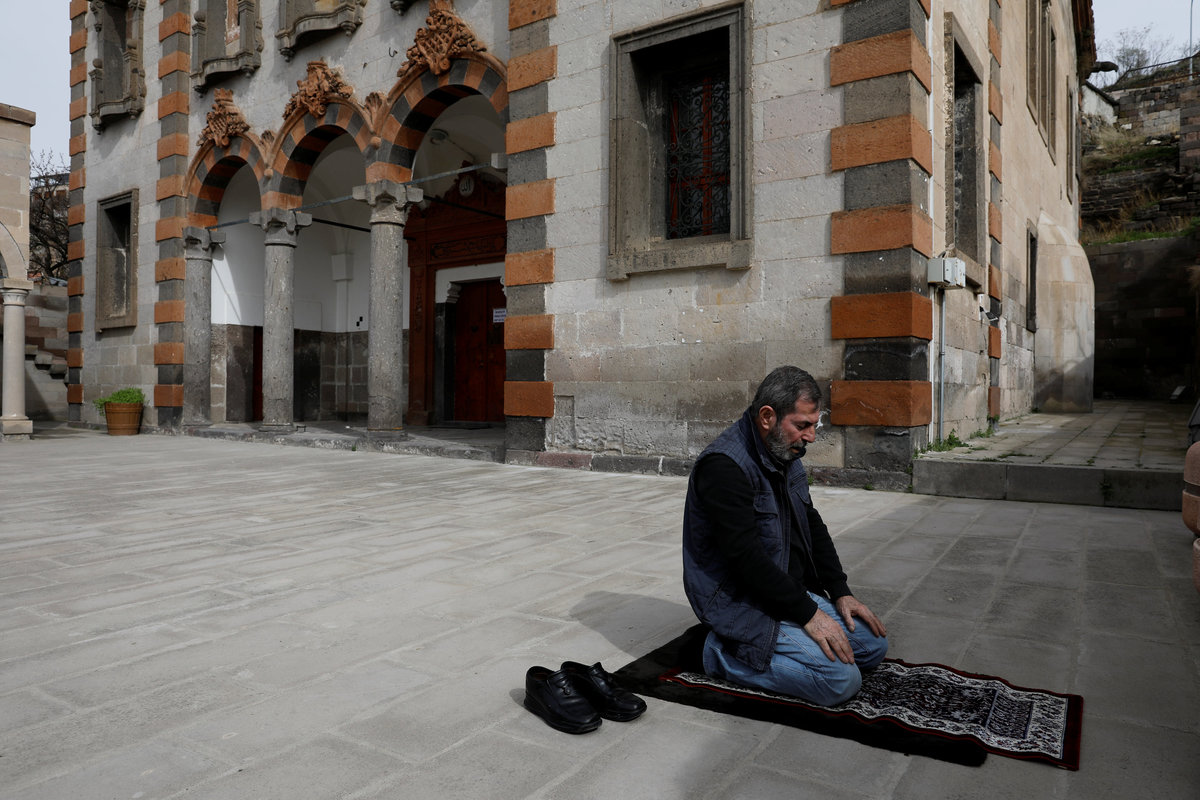
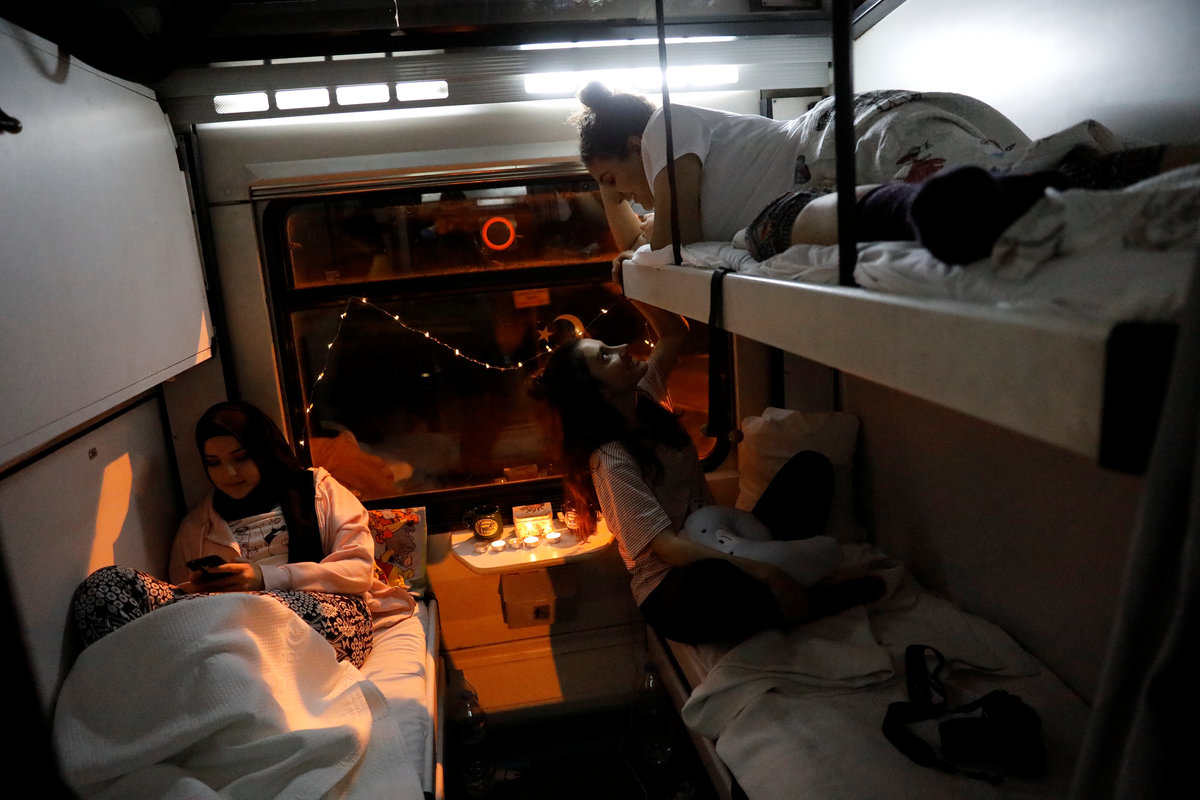
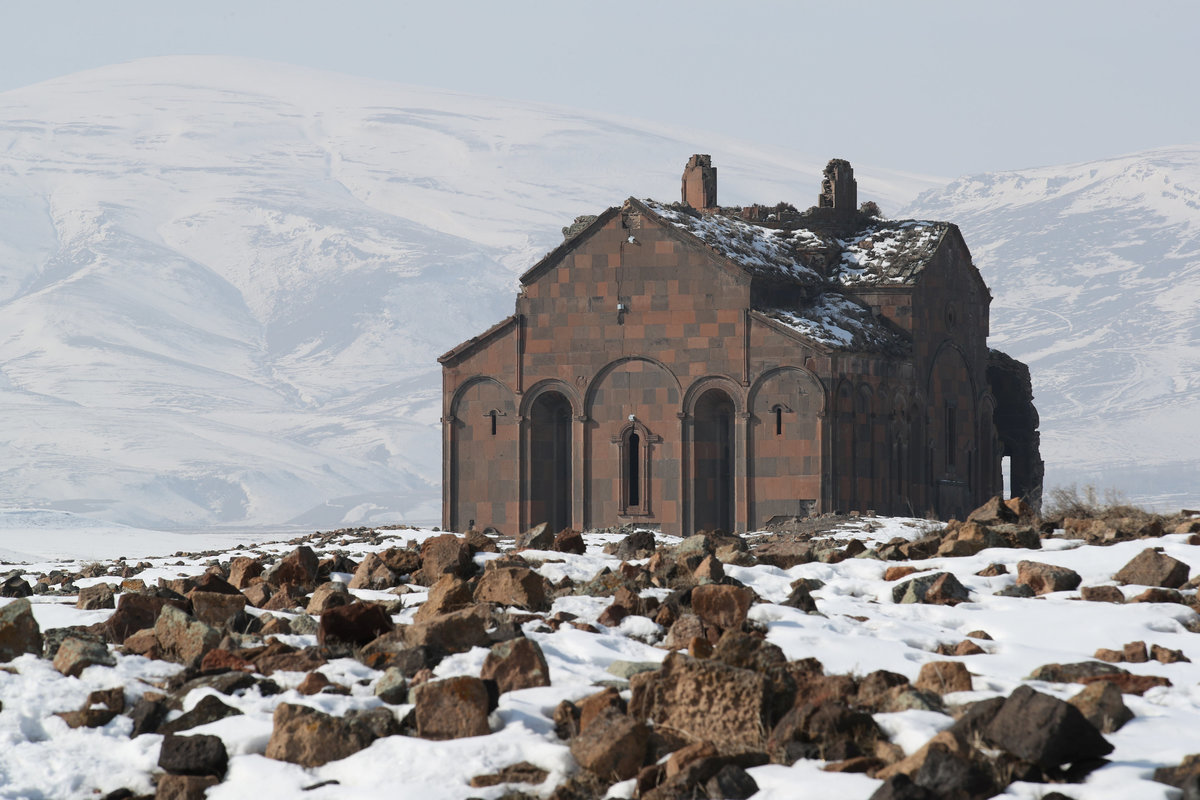
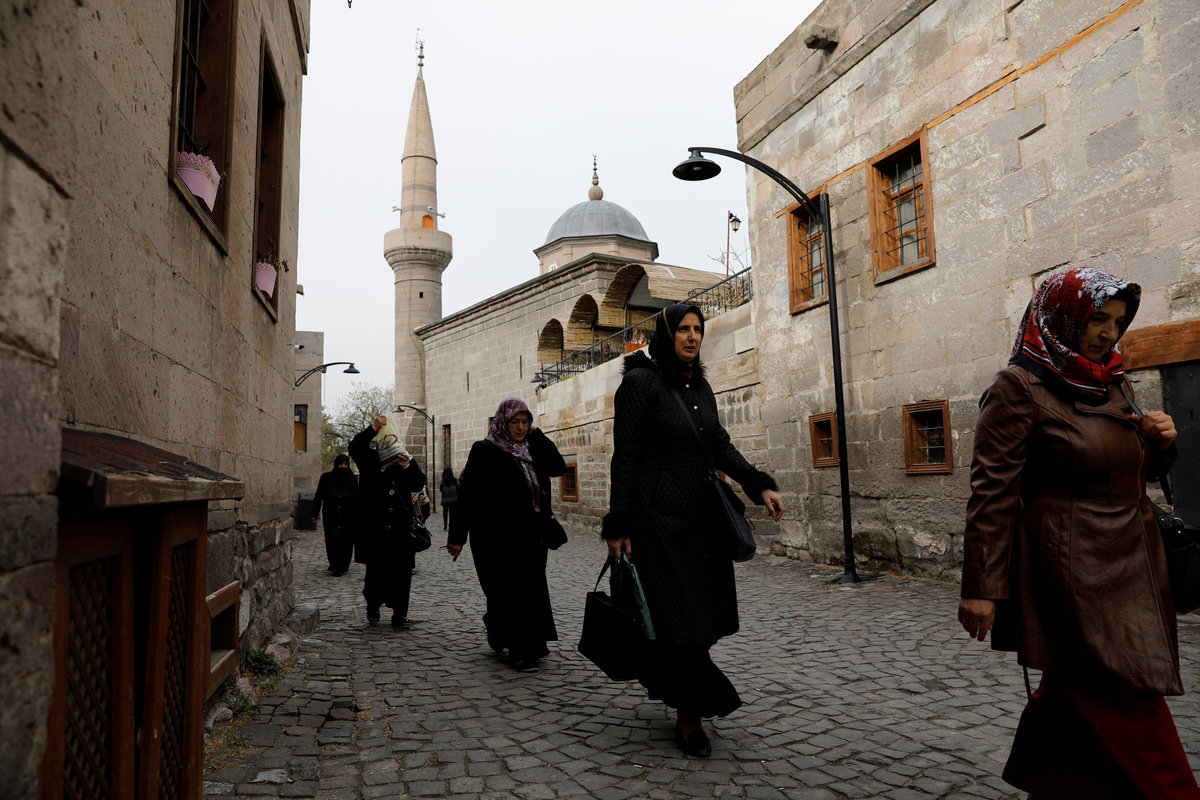
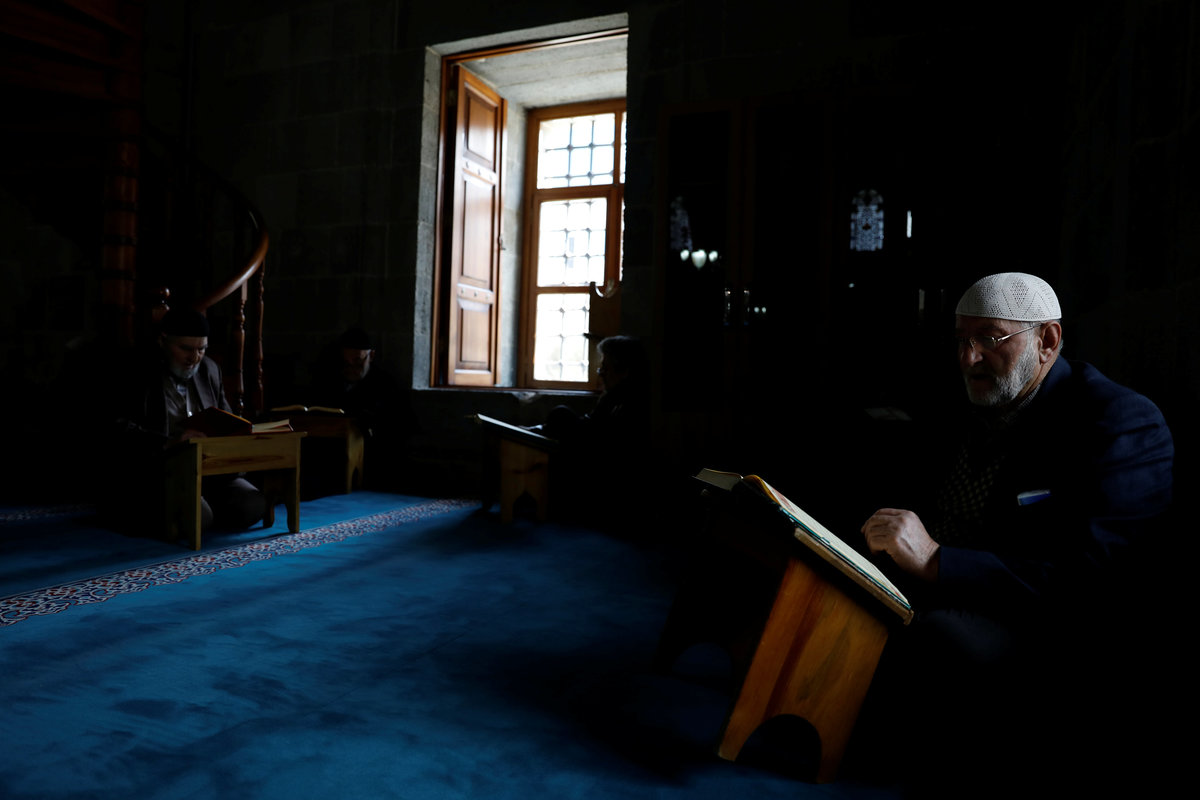
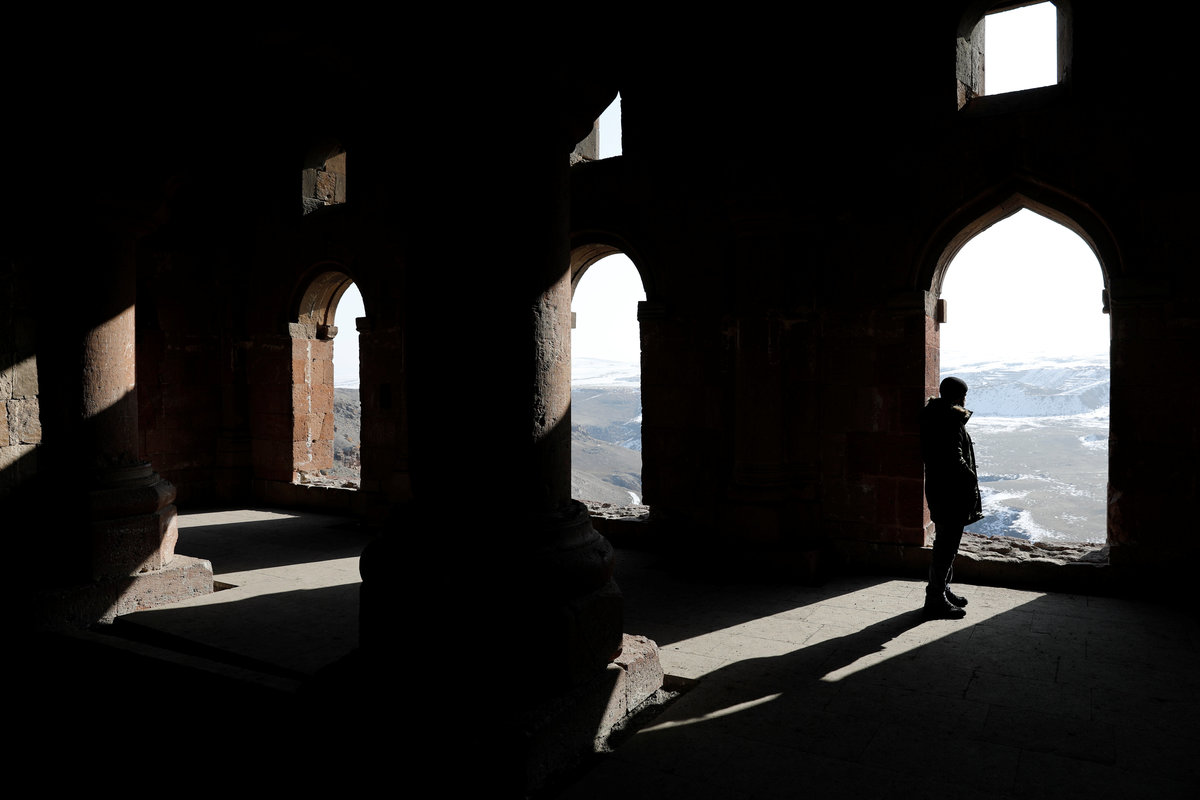
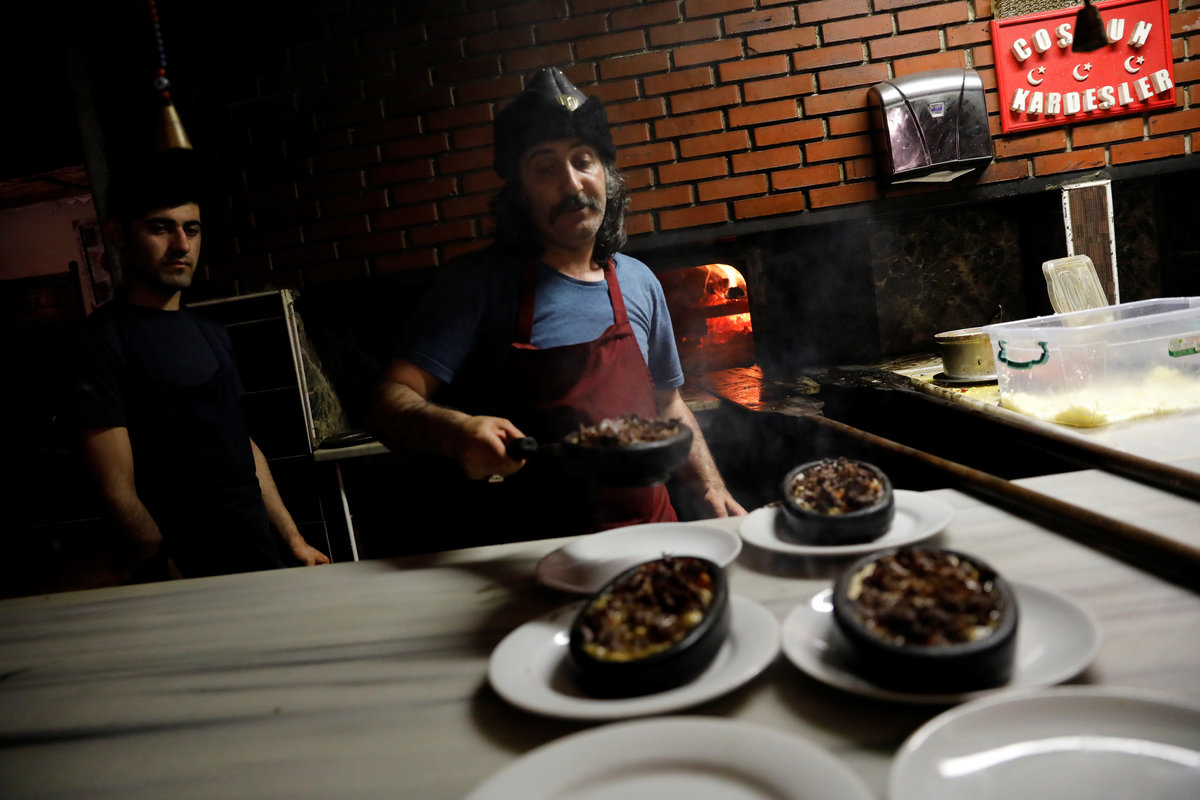
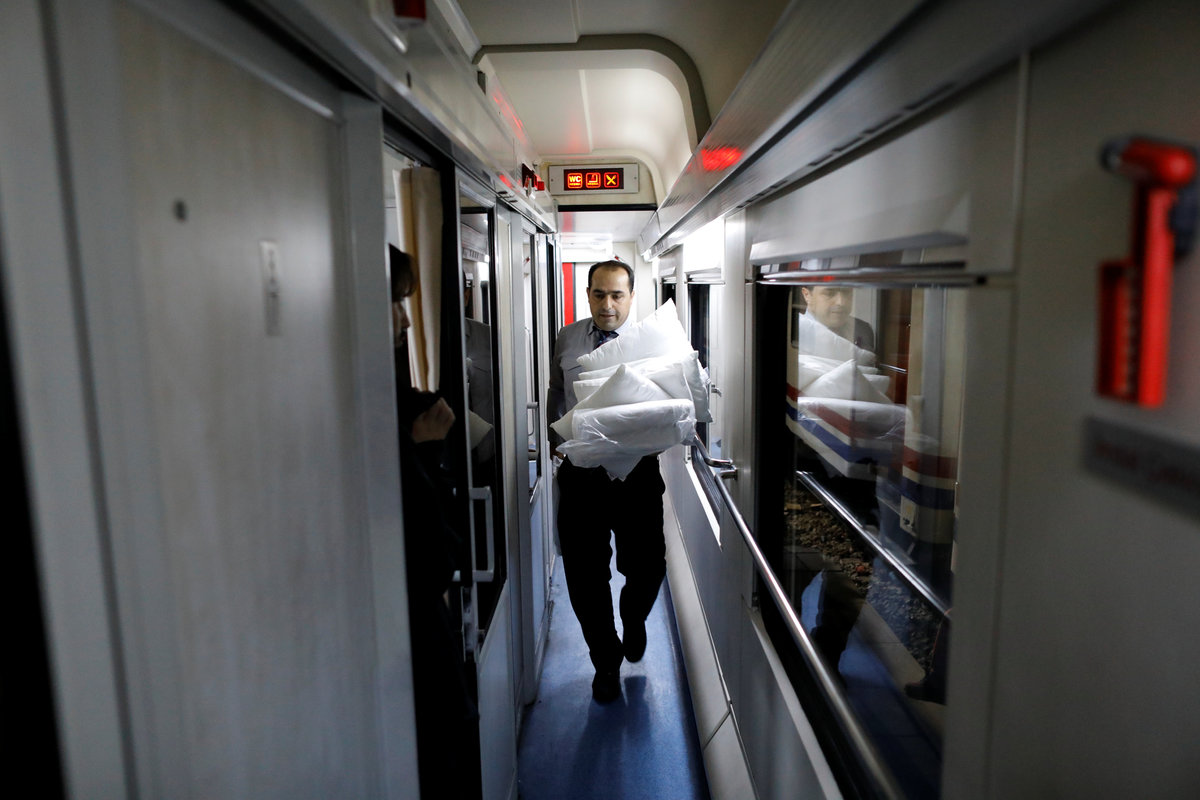
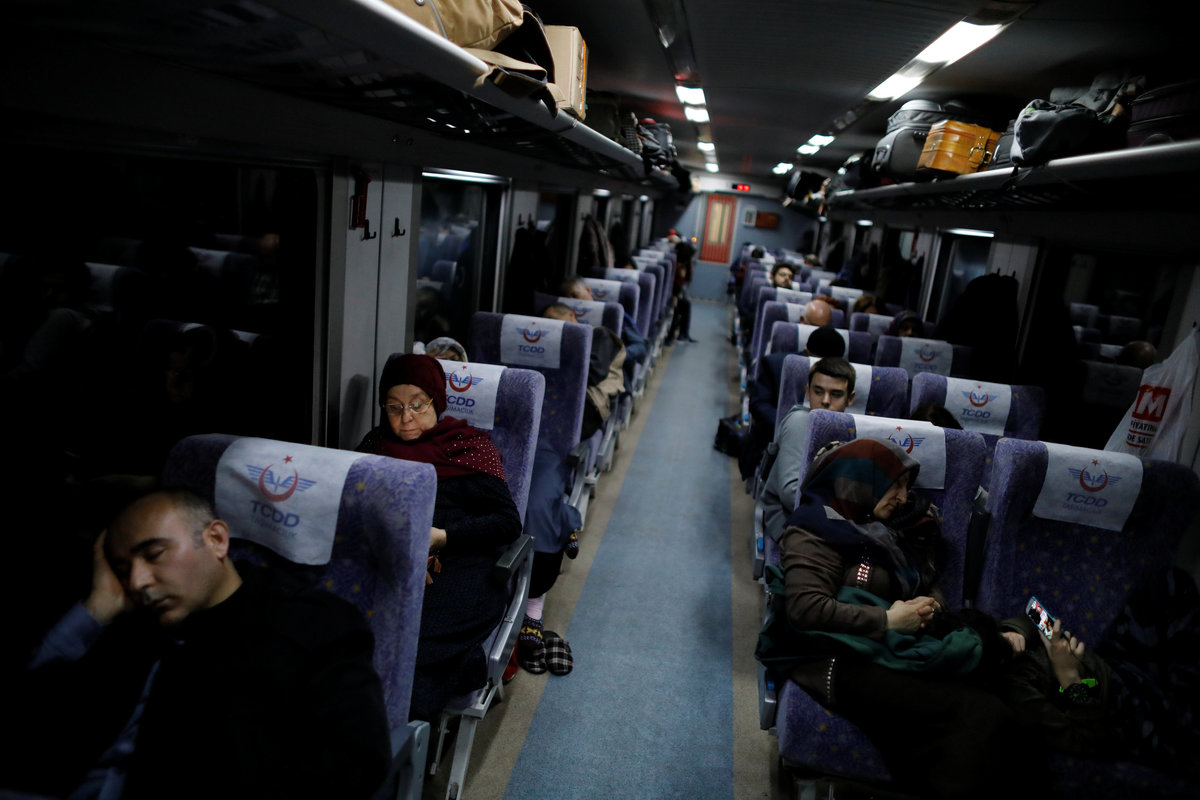
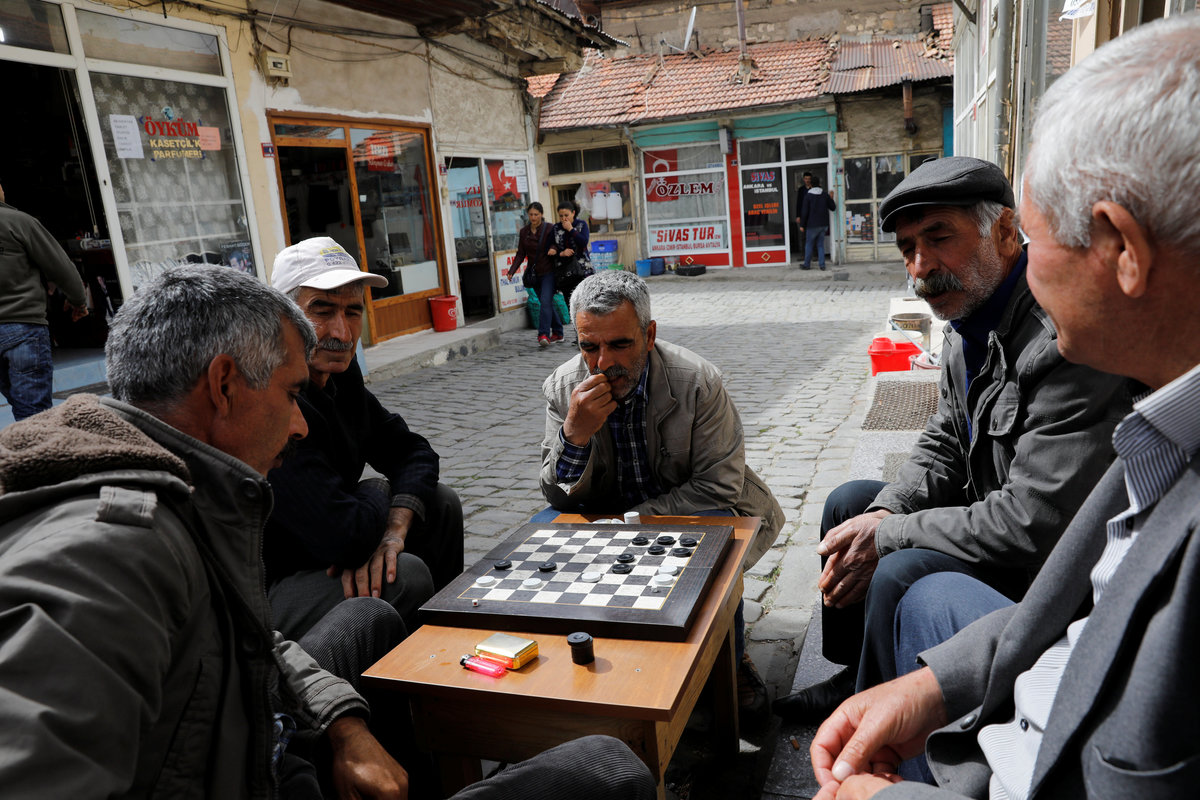
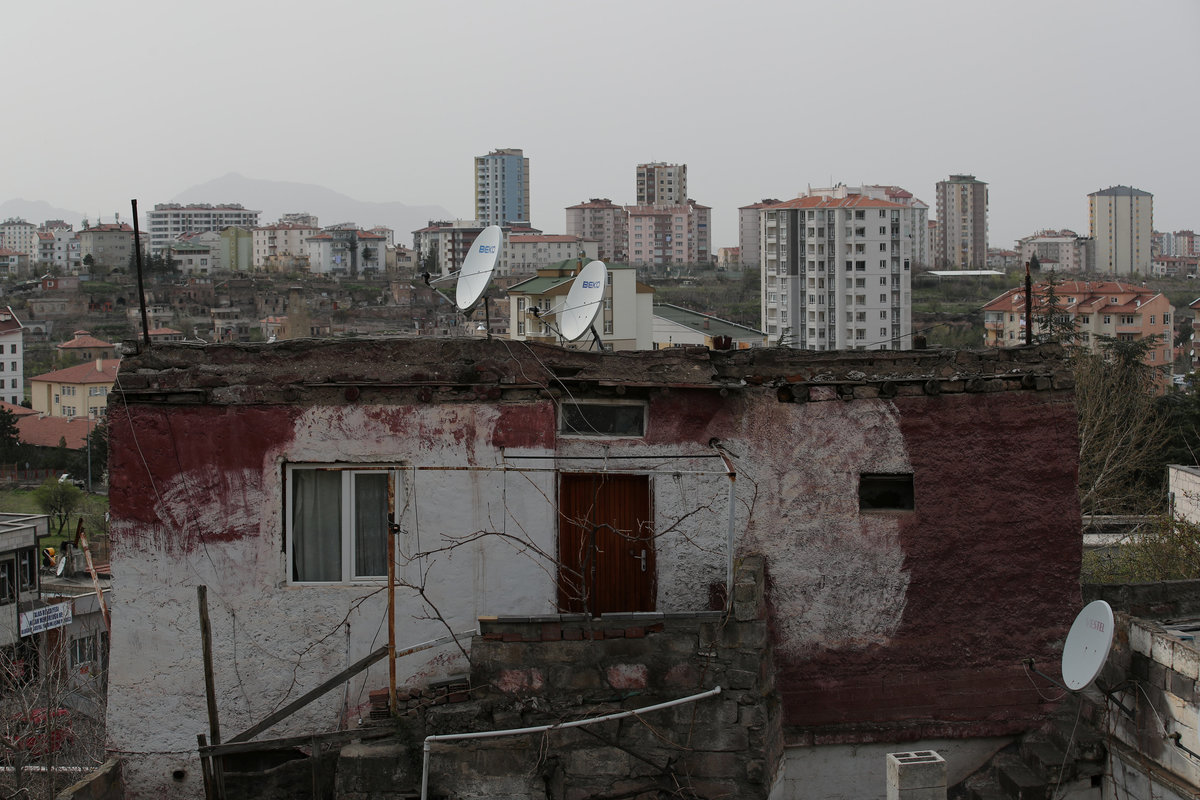
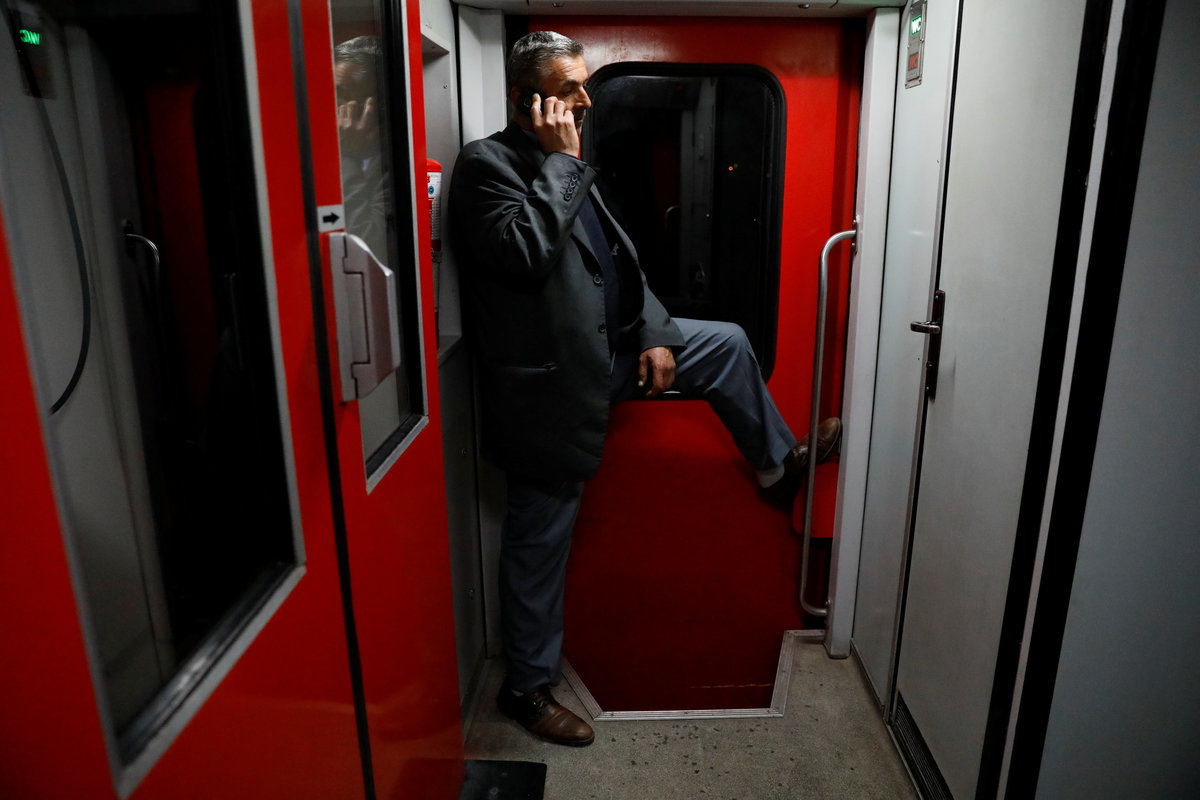
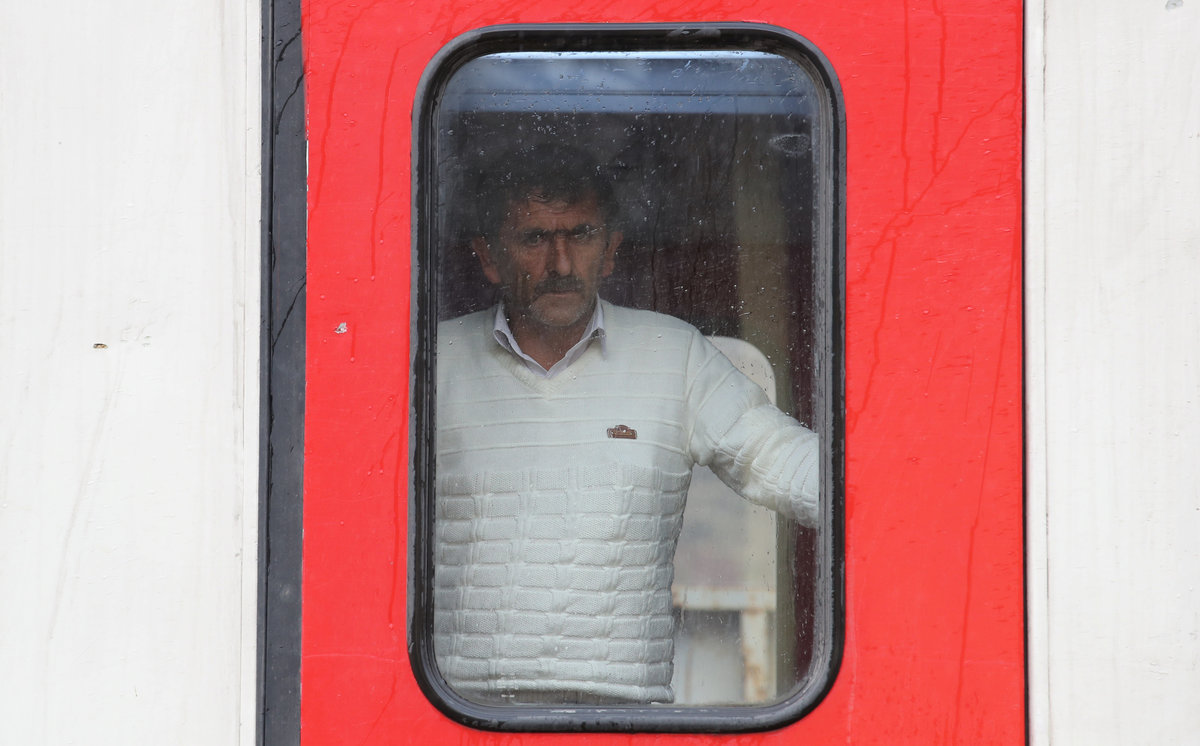
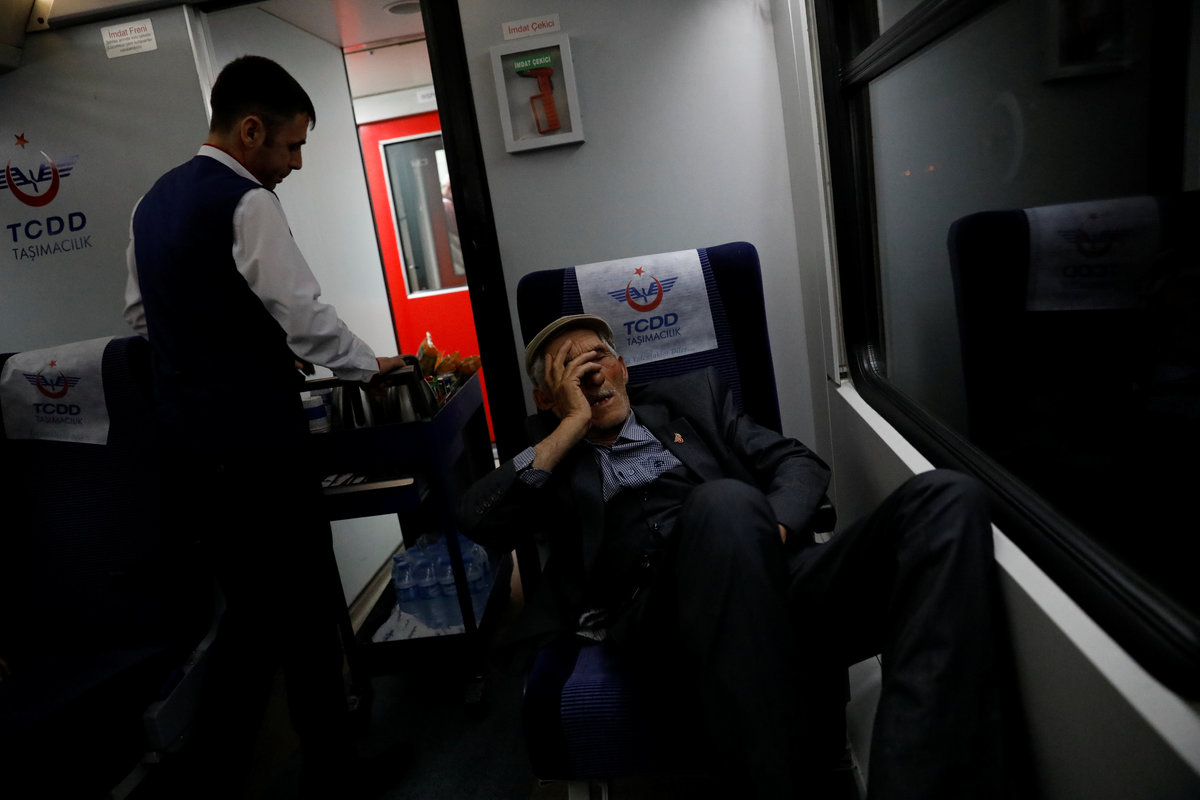
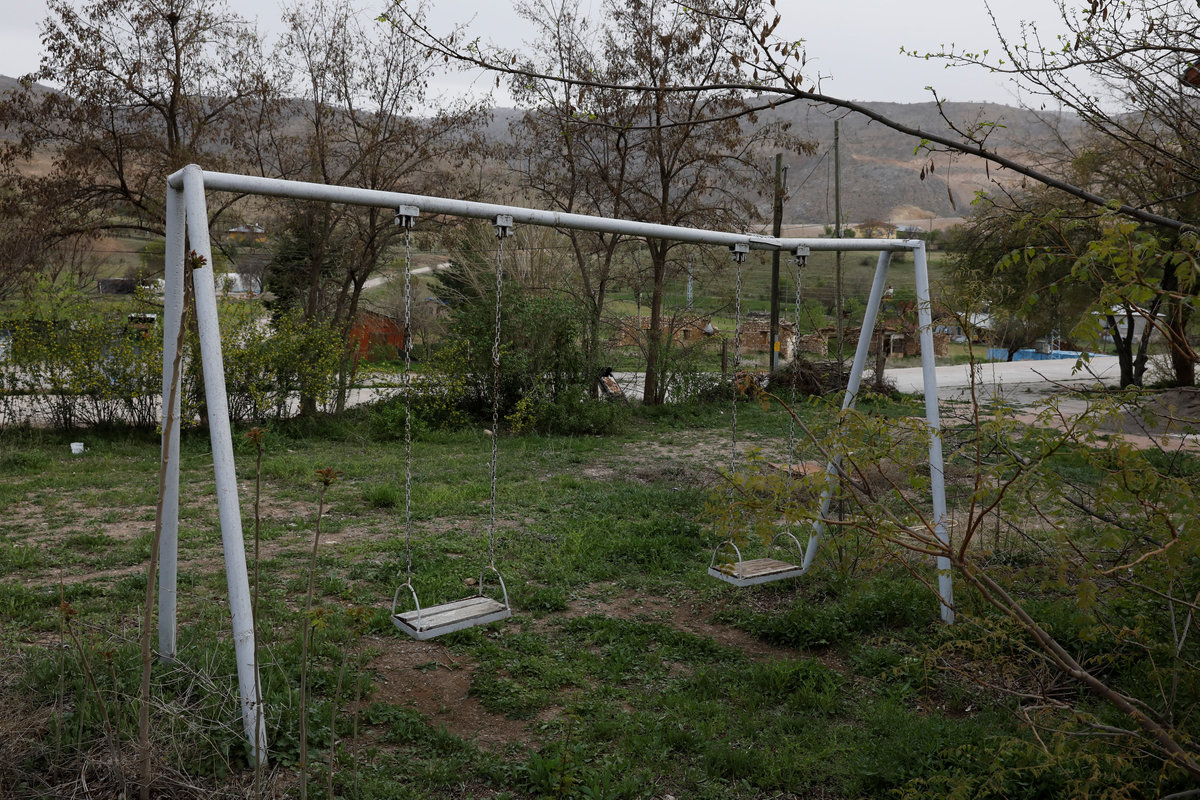
A train waits as the Eastern Express departs a station in Sivas province en route from Kars to Ankara, Turkey, February 7, 2018. REUTERS/Umit BektasA man works in his atelier in Divrigi, a town in the central Anatolian city of Sivas, Turkey, March 28, 2018. REUTERS/Umit Bektas Passengers chat on board the Eastern Express travelling through Sivas province en route from Ankara to Kars, eastern Turkey, February 6, 2018. REUTERS/Umit Bektas A worshipper prays outside a mosque in the central Anatolian city of Kayseri, Turkey, March 26, 2018. REUTERS/Umit Bektas Busra Korkmaz (L), 20, Ozlem Ozderya (R), 20 and Berfin Abadan (R top), 21, chat onboard the Eastern Express travelling through Kayseri province en route from Ankara to Kars, Turkey, April 9, 2018. REUTERS/Umit Bektas The church of the Holy Mother of God, also known as the Cathedral, stands at the historical site of Ani, in Kars province, Turkey, February 8, 2018. Ani was once the capital of a medieval Armenian kingdom that covered much of present day Armenia and eastern Turkey. REUTERS/Umit Bektas People walk along a street in the central Anatolian city of Kayseri, Turkey, March 26, 2018. REUTERS/Umit Bektas Garra rufa obtusas, also known as "doctor fish", swim around the face of a man as he relaxes in a hot spa pool in Kangal, 105 kilometres south of the central Anatolian city of Sivas, Turkey, March 27, 2018. REUTERS/Umit Bektas Worshippers read the Quran in a mosque in the eastern Anatolian city of Erzurum, Turkey, April 13, 2018. REUTERS/Umit Bektas Passengers dance during a stop at Erzurum station as they travel from Ankara to Kars on the Eastern Express, Turkey, February 7, 2018. REUTERS/Umit Bektas Sibel Uysal, 20, poses for a selfie with her friends before the Eastern Express departs from Ankara province en route from Ankara to Kars, Turkey, April 9, 2018. REUTERS/Umit Bektas Mine Nur, 28, hugs Huseyin Emre Sen, 29, after he proposed to her on board the Eastern Express travelling through Kayseri province en route from Ankara to Kars, Turkey, April 9, 2018. "We love travelling, so this suits us perfectly. This is a short demo of a life-long journey together," said Emre. REUTERS/Umit Bektas A man looks out from Ebu'l Manuchehr Mosque at the historic ruins of Ani, in Kars province, Turkey, February 8, 2018. The ancient city of Ani was once the capital of a medieval Armenian kingdom that covered much of present day Armenia and eastern Turkey. REUTERS/Umit Bektas Ensar Coskun cooks food for customers in his restaurant in Erzurum, Turkey, April 12, 2018. REUTERS/Umit Bektas A conductor walks along a car as he delivers pillows to passengers on the Eastern Express in Ankara province en route from Ankara to Kars in Turkey, February 6, 2018. REUTERS/Umit BektasPassengers rest on board the Eastern Express travelling through Sivas province en route from Ankara to Kars, eastern Turkey, February 6, 2018. REUTERS/Umit Bektas Men play a board game in Divrigi, a town in the central Anatolian city of Sivas, Turkey, March 28, 2018. REUTERS/Umit Bektas A general view of Kayseri, Turkey, March 26, 2018. REUTERS/Umit Bektas A man makes a phonecall on board the Eastern Express travelling through Sivas province en route from Ankara to Kars, Turkey, April 9, 2018. REUTERS/Umit Bektas Passengers listen to music on board the Eastern Express travelling through Sivas province en route from Ankara to Kars, eastern Turkey, February 6, 2018. REUTERS/Umit Bektas A man looks out of a window on board the Eastern Express as he travels from Kars to Ankara, near Erzurum, Turkey, March 29, 2018. REUTERS/Umit Bektas A man sleeps on board the Eastern Express travelling through Sivas province en route from Ankara to Kars, Turkey, April 9, 2018. REUTERS/Umit Bektas The opening of a railway tunnel is seen from the Eastern Express near the eastern Anatolian city of Erzincan, Turkey, February 7, 2018. REUTERS/Umit Bektas Swings stand at the Bagistas train station near the eastern Anatolian city of Erzincan, Turkey, March 28, 2018. REUTERS/Umit Bektas
Sign up to read this article
Read news from 100’s of titles, curated specifically for you.