Tunisia on Thursday marked 10 years since a local fruit and vegetable seller set himself ablaze in protest after police took his cart, an act that enraged the country and snowballed into the revolution that toppled the North African nation's autocratic leader months later and triggered the Arab Spring.
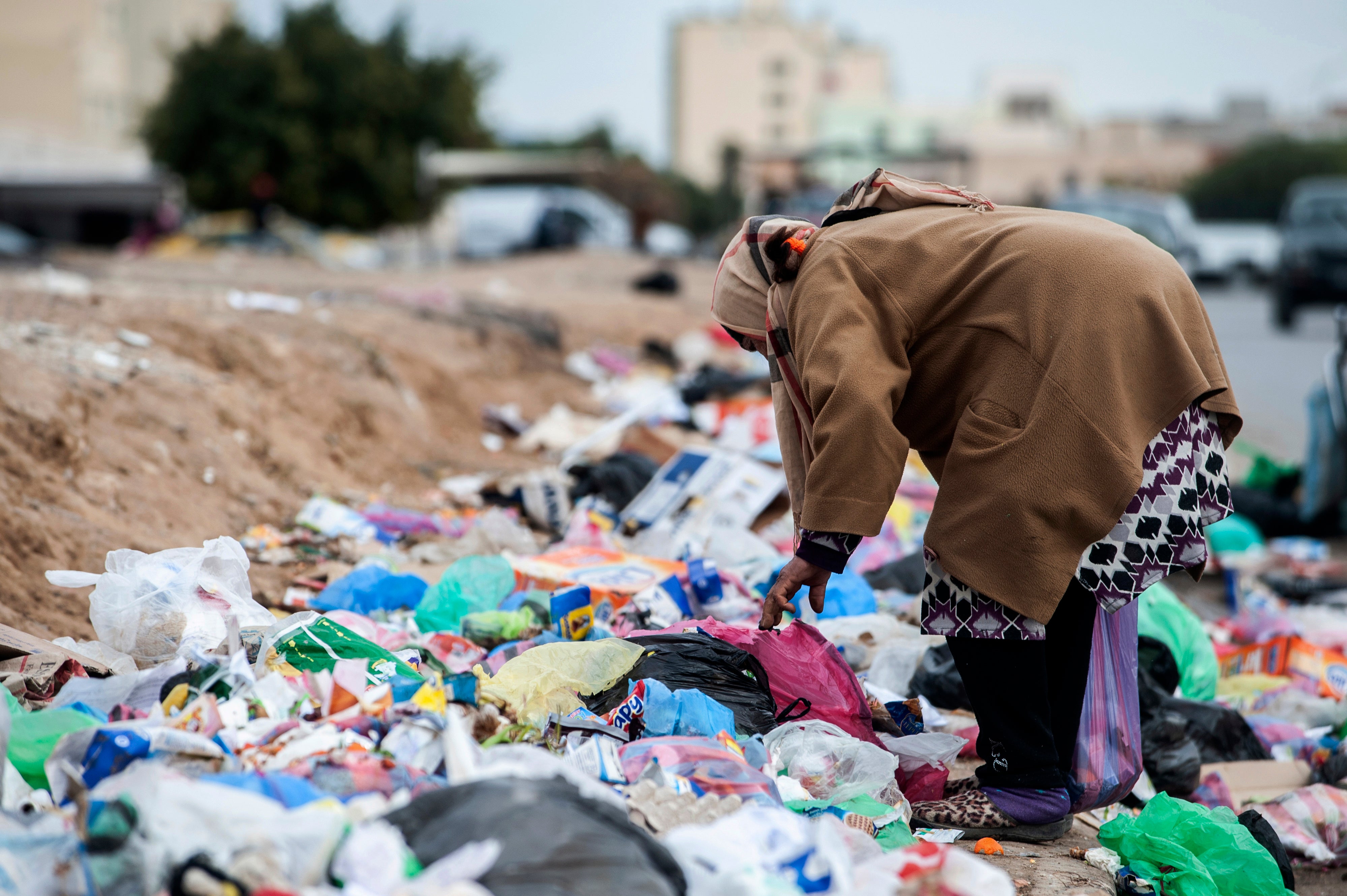
The economically troubled region of Sidi Bouzid in central Tunisia where the self-immolation took place is still waiting — a decade later — to reap rewards from the uprising
The gesture of despair on Dec. 17, 2010 by Mohamed Bouazizi, who later died of his burns, triggered riots across the country that ended with the downfall the following January of President Zine El Abidine Ben Ali. The unrest snowballed across numerous countries in what is referred to as the Arab Spring.
“The cradle of the revolution gained nothing,” said Mohamed Lazhar Gamoud, head of the Regional Union of Workers.
“We’re upset by unkept government promises,” he said. “All the development projects planned for years are at a standstill, except the milk factory of a private investor.”
Authorities canceled a local ceremony to mark the self-immolation of Bouazizi after dozens of people began marching to protest the government.
The unemployment rate is at 25% in the region with families of five out of work, said a local journalist Kawthar Chaibi, noting routine sit-ins or roadblocks to protest the situation. The national unemployment rate is 15%.
The anniversary of the uprising is regularly marked with an “international festival” organized by the workers’ union featuring outdoor concerts, sports and conferences. This year’s event is called “Ten Years … The Wait is Long.” It was reduced from its usual 10 days of events to four by constraints linked to the coronavirus and because of “the tense social situation due to the great disappointment felt by the population,” festival director Youssef Jellali told The Associated Press.
Tunisia, struggling economically and targeted by deadly extremist attacks, emerged from the Arab Spring as a rare example of a stable but struggling democracy in the Arab world with numerous elections regarded as democratic, and a constitution guaranteeing freedoms and rights. Ahmed Ammar, an activist in Tunisia’s civil society, said his country is “like a reed that bends, but doesn’t break.”