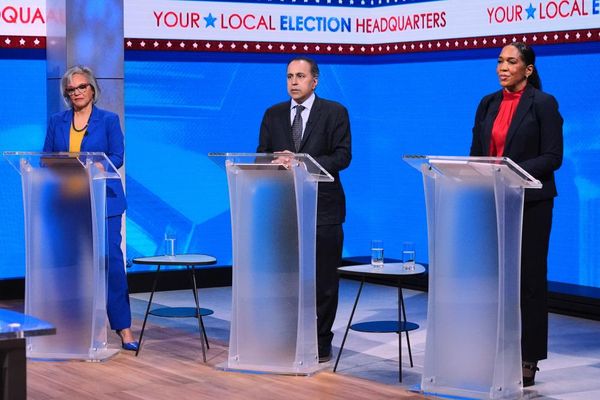
The Tunisian government is facing a wave of social protests, ahead of the presidential elections scheduled for mid-September and the parliamentary elections due on October 6.
Observers expressed fear that the protests could confuse the electoral process and affect the work of state agencies.
In recent weeks, the leaders of the Tunisian General Labor Union (UGTT) have increased their criticism of the government, arguing that it has not fulfilled its previous commitments.
The list of sectors that are expected to stage trade union protests includes education at its different stages (primary, secondary and university), customs and health, which may affect the entire electoral process.
While the trade union did not propose alternative solutions to end the crisis with the government, it offered an economic and social program to the political parties participating in the elections and confirmed that it would support the parties adopting the program.
In this context, the union prepared more than 100 questions to ask candidates for the presidential elections, in an attempt to consolidate its position as a key player in the political scene in Tunisia.
In the same context, the Tunisian Observatory for Economic and Social Rights (an independent human rights observatory) noted that the current year has witnessed at least 5,574 protest movements, an average of at least 26 daily demonstrations, the most recent of which are social protests that accompanied the interruption of the supply of drinking water during Eid al-Adha.
In this regard, Massoud Ramdani, President of the Observatory, noted that the majority of protests were linked to the deterioration of transport, health and education services, and the declining interest of official authorities in development and employment indicators.