Researchers have developed a new tool to harness tumour-eating cells to fight cancer quickly and effectively.
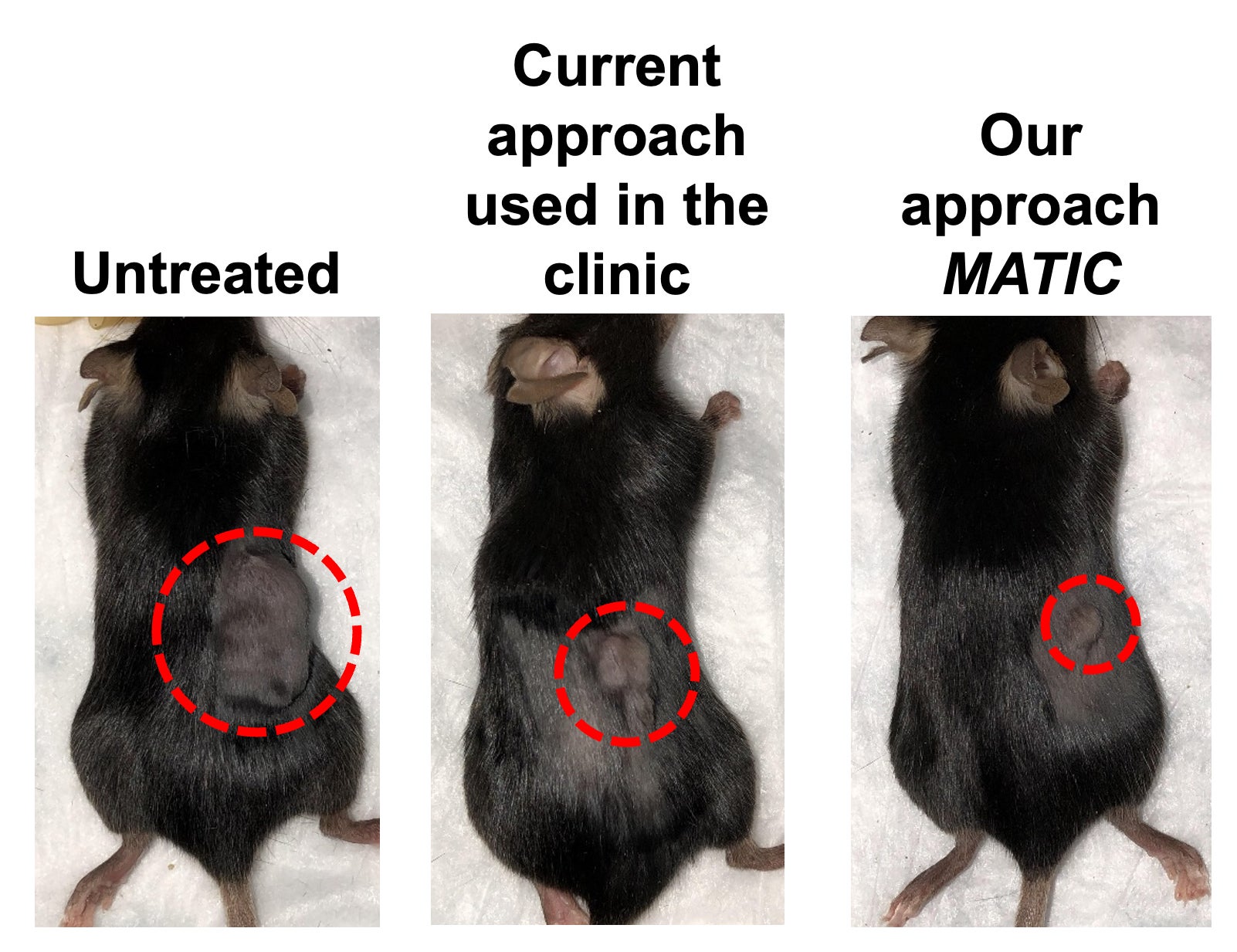
A new study showed dramatic shrinkage in tumours in mice compared to traditional cell therapy methods that improve the immune system’s ability to fight cancer.
With a novel device that could be 3D printed, Northwestern University scientists multiplied, sorted through and harvested hundreds of millions of cells, recovering 400% more of the tumour-eating cells than current approaches.
Most cancer treatments involve toxic chemicals and foreign substances, which cause harmful side effects and weaken the body’s immune response.
But using tissue from someone’s own body can eliminate side effects and risk of rejection.
Shana Kelley, corresponding author on the paper, said: “People have been cured in the clinic of advanced melanoma through treatment with their own immune cells that were harvested out of tumour tissue.
“The problem is, because of the way the cells are harvested, it only works in a very small number of patients.”
The cells of interest, called tumour-infiltrating lymphocytes (TILs), are natural immune cells that invade tumour tissue by engaging cells in a form of hand-to-hand combat, researchers say.
According to the researchers, cell therapies used in clinics today use a mixture of “exhausted” and “naive” cells to treat tumours.
After they are extracted from tissue, cells are grown in labs far away from the patients they were harvested from.
By the time they have multiplied and are ready to be placed back in the body, many of the cells are exhausted and unable to fight, having been in the tumour for too long.
But using a new technology called microfluidic affinity targeting of infiltrating cells (MATIC), researchers can pinpoint the most active cells.
In the paper, scientists used MATIC to find what the authors called the “Goldilocks population” of cells for the mice population they were looking at.
They found that the tumours in animals shrank dramatically — and in some mice disappeared completely, producing a large improvement in survival rates compared to more traditional methods.
Dr Kelley said: “Instead of giving mice this mixture of cells with different phenotypes, we’re giving them the one cell phenotype that can actually help them.
“You see much more potency and a much higher response rate when you really hone in on the sweet spot of T cell reactivity.”
The findings are published in the Nature Biomedical Engineering journal.