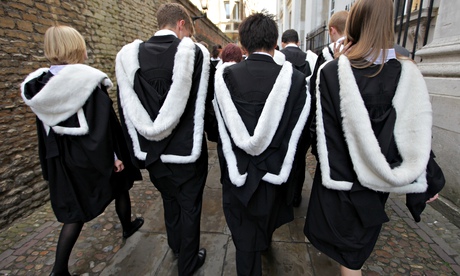
It’s said that Ed Milliband is cutting tuition fees in an attempt to get the student vote in marginal constituencies which have a large student population. One such constituency is Bristol West. I know a man who was delivering student electoral registration forms in that area last week. The pay is good, £1.60 per form, and there are usually four or five envelopes per house. He earned £400 on a few evenings and was pleased.
How many students did he get registered? None. Not one. Most of them had moved away.
Radio Four’s Today programme last week interviewed several students in Sheffield. None of them were going to vote.
Andrew Rawnsley is right to say that it is low politics by both sides to bribe the electorate with taxpayers’ money, but the Tories are smart enough to bribe the ones who will turn out on election day (“This descent into cash-and-carry politics will make us all feel cheap”, Comment) .
The few students who do bother will probably vote Green anyway. Labour needs a better plan.
Eamonn Murphy
Chipping Sodbury
Glos
I agree with Andrew Rawnsley that Mr Miliband is on the wrong track on student tuition fees. What matters is not the amount of the fees but the burden they put on the students in repaying the debt.
He makes much of the Conservatives’ bribe to older voters, particularly the more affluent ones. What he does not take into account is the substantial drop in their disposable income brought about by the artificially low rate of interest applied to the nest eggs they have built up throughout their working lives.
The benefits being offered and/or preserved do little to compensate for the losses.
AB Crews
Beckenham
Kent
You ask:“What’s the right price for a university degree?” (“Labour could find better ways to spend billions on the young and disadvantaged”, leader comment).
The first thing to say is that a university degree is priceless. The answer to your question is that a university degree should be “free” of monetary cost. The funding of a university education by the state is an investment in the future economic well-being of the country. I am from a modest background, and attended an early comprehensive school, before spending five years reading architecture in the mid 1960s.
Who benefited the most? I suggest that the government made a financially worthwhile investment.
Within two years of starting full-time work I was paying income tax at the higher rate and that has continued throughout my working life. Eventually I started my own business and that blossomed into employing 30 people – all paying national insurance and income tax. And the business was paying corporation tax and raising VAT on sales. I have never resented paying any personal or business taxes. These taxes are the reasonable pay back on the government’s investment in me. I doubt that if I had stayed in my home town I would have been as economically effective.
Ian Hankinson
Poole
Dorset