Top story: Time to ‘do more’ – by doing much less
Good morning, locked-down Britain. Hope you are staying well and keeping spirits up as best you can, whatever your situation.
The lockdown now in force means people across the UK may only leave home in a small range of limited circumstances. They include shopping for necessities; one exercise outing a day, such as running or cycling, alone or with household members; for medical reasons or, for example, to care for a vulnerable person; and going to work, if you cannot work from home. “The time has now come for us all to do more,” said Boris Johnson in a televised address to the nation. “From this evening I must give the British people a very simple instruction – you must stay at home.” Last night, emergency legislation including sweeping powers to ban gatherings and forcibly quarantine suspected coronavirus patients was passed by MPs without opposition.
Meeting friends, shopping for anything beyond essentials, and gatherings of more than two people are banned. Police will be able to impose fines on people who do not abide by the rules. All shops selling non-essential goods, including hair and nail salons, must close, along with all markets apart from food markets, and all venues such as libraries, playgrounds, churches, hotels, B&Bs, campsites and caravan parks (other than to permanent residents or key workers). Social events such as weddings and baptisms are off, but funerals are permitted. Oddly, bosses at Sports Direct and Evans Cycles have claimed the group’s stores will remain open “where possible” because they sell home exercise equipment, which, management argues, makes them a vital asset, according to an email seen by the PA news agency.
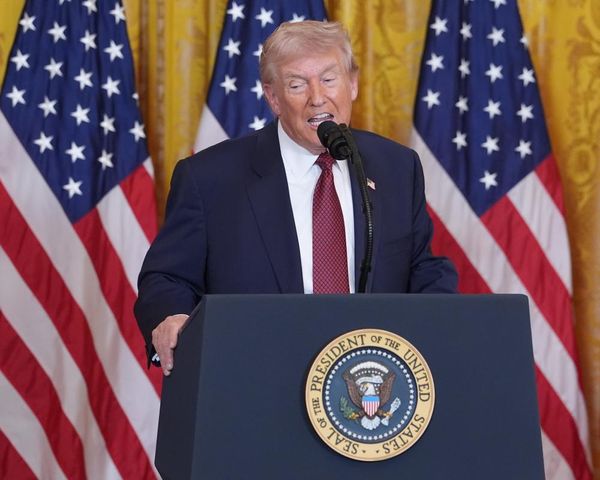
Away from the UK overnight, in a televised press conference from the White House, Donald Trump has said he wants to get the US economy going again as soon as possible and is not open to the idea of restrictive public health measures going on for months.
“Our country was not built to be shut down,” Trump said. “This is not a country that was built for this.” The president’s approach to the emergency continues to confound: he has sweeping reserve powers to deal with the crisis, but given his veering public pronouncements, no one is confident about what he may or may not do.
Around the world, about one in five people – an estimated 1.7 billion – are now living under some state of lockdown. There are at least 378,679 confirmed cases. More than 16,500 people have died, while almost 101,000 have recovered. The first 100,000 cases took 67 days to emerge; the latest 100,000 just four days, but “we are not helpless bystanders”, said Tedros Adhanom Ghebreyesus, head of the World Health Organization, which is urging continued urgent global action. Head to our live blog for continuous updates during the day.
There’s more in our Coronavirus Extra section further down … and here’s where you can find all our coverage of the outbreak – from breaking news to fact checks and advice.
* * *
Salmond cleared – Alex Salmond, the former Scotland first minister, has been acquitted of all charges of sexual assault, prompting allies to suggest he was the victim of a Scottish National party plot. The jury found Salmond not guilty of 12 charges of attempted rape, sexual assault and indecent assault after about six hours of deliberations. They returned a verdict of not proven on one charge of sexual assault with intent to rape. Speaking afterwards, Salmond said there was “certain evidence I would like to have seen led in this trial but for a variety of reasons we weren’t able to do so. At some point that information, that fact and that evidence will see the light of day but it won’t be this day, for a very good reason.” The SNP leader and first minister, Nicola Sturgeon, said the verdicts “must be respected” and her focus was on the coronavirus crisis. “I have no doubt that there will be further discussion around this issue in due course.” Libby Brooks, Scotland correspondent, writes this morning: “The verdict brought the most significant case in Scottish legal history to an end – but it also marked a new chapter in a fight that could tear the SNP leadership apart.”
* * *
Britain held to rights – The UK’s low age of criminal responsibility, minimum pay rates for young teenagers and failure to completely outlaw corporal punishment breach Council of Europe standards, according to its latest report. The council has 47 member states including Britain and is separate from the European Union. It regards its findings as legally binding but the UK government does not. Criticisms in the report include permitting pain-inducing restraint techniques, “inadequate” statutory maternity pay after six weeks, and lack of an independent right to remain for family members of migrant workers who exercise their right to “family reunion”. In terms of corporal punishment, the Council of Europe is critical of England, Wales and Northern Ireland where smacking, defined as “reasonable chastisement” remains legal; it was recently banned in Scotland.
* * *
Dip in road repair – The number of potholes repaired in England and Wales has fallen by a fifth in the past 12 months amid a decline in road maintenance budgets, figures show. Councils’ highway maintenance budgets fell by 16%, while compensation they paid for damage caused by poor road conditions increased by 17% to £8.1m. In his budget the chancellor, Rishi Sunak, announced £2.5bn of extra funding over five years for potholes in England. The AA president, Edmund King, warned this “won’t do the job”. Steve Gooding from the RAC Foundation said that given coronavirus pressures, “now doesn’t feel like the right moment” to demand more money for roads. “But looking further ahead to … the likely need to stimulate a deadened economy, this report should prompt government to consider committing to an ambitious maintenance initiative for the most important local roads.”
* * *
Tap it, don’t catch it – The contactless limit for in-store spending is to increase from £30 to £45 from 1 April to cut the need for physical contact. But retailers have warned it may take some time to be brought in everywhere. Mobile phone users can already make contactless payments above £30 depending on the retailer.
Coronavirus extra
China says it has defeated the coronavirus: authorities claim that cases of local transmission have slowed to a trickle, with any others originating from abroad. Cities across the country are being ordered to “fully restore” production and resume normal life. But experts worry about the veracity of the numbers and whether leaders have prioritised restarting the economy over decisively containing the virus.
For Science Weekly, Sarah Boseley speaks to Prof Deenan Pillay about how the coronavirus contaminates surfaces and why headlines about how long it can survive outside the body may be misleading. And, following listener questions, we find out whether or not Sars-CoV-2 can survive in a swimming pool.
Some airlines and tour companies are refusing to issue refunds despite their legal obligations to do so, according to the consumer group Which?, with holidaymakers left thousands of pounds out of pocket. Patrick Collinson examines the situation.
Thousands of workers will continue to gather on the Hinkley Point C nuclear site but work on the £106bn HS2 project could be halted; Crossrail and two major hospital construction projects will remain open for now. Construction companies say everything is being done to prevent transmission of coronavirus, balanced against trying to prevent industry collapse and loss of jobs.
Today in Focus podcast: Emergency powers explained
A new government bill that brings sweeping new powers to shut down mass gatherings, potentially detain people with coronavirus symptoms and weaken the social care safety net is being rushed through parliament. The Guardian’s Peter Walker explains what is at stake.
Lunchtime read: ‘I was pretty wild’
As the hard-partying, shamelessly bawdy ex-YBA Sarah Lucas thunders towards her 60s, she tells Andrew Gilchrist about her “knobby guys”, life in metal-detecting country – and coping with all her hair falling out last year.

Sport
The International Olympic Committee is facing almost irresistible pressure to this week postpone the Tokyo Olympic Games rather than wait until its mid-April deadline – with a growing number of athletes, governments and national federations saying it is unfair to keep them in limbo during the coronavirus pandemic. The Azerbaijan Grand Prix on 7 June has become the eighth meeting of the Formula One season to be called off. Premiership Rugby is considering midweek matches in order to finish the season as well as slashing the length of its summer break in a move that could seriously jeopardise player welfare. And one of the last running professional football competitions, the A-League, has finally been suspended to bring all top level Australian sport to a halt.
Business
Asian stock markets have gained after the US Federal Reserve promised support to the struggling economy. Congress delayed action on a $2tn coronavirus aid package. Market benchmarks in Tokyo and South Korea have risen nearly 7% while Shanghai, Hong Kong and Australian markets have also gained. At time of writing the pound is worth $1.160 and €1.076.
The papers
You can see the front pages here – a summary follows. The Guardian says today that Boris Johnson will order police to enforce a strict coronavirus lockdown, with gatherings of more than two people banned. The headline: “PM: Stay at home, this is a national emergency”. The Sun has “House arrest” as its headline accompanying some bleak artwork imposing the union flag on a padlock.

The Mail has “Lockdown Britain” on the front page as it reports all non-essential shops will close for a likely minimum of three weeks. The Express tells its readers: “You must stay at home … for all our sakes”. The Mirror reports the PM as saying only drastic action can help the NHS cope: “National lockdown” is the headline.
The Times goes with “You must stay at home” and says fines for breaking the new rules will range from £30 to £1,000 once legislation passes on Thursday. The Telegraph goes it alone with a libertarian-sounding take: “End of freedom”. The FT has “Johnson forced to close Britain in bid to halt rapid spread of virus”. Metro says “Britain on lockdown” and the i has “Lockdown UK. Public told: stay indoors”.
Sign up
The Guardian Morning Briefing is delivered to thousands of inboxes bright and early every weekday. If you are not already receiving it by email, you can sign up here.
For more news: www.theguardian.com